Jewelry & Accessories
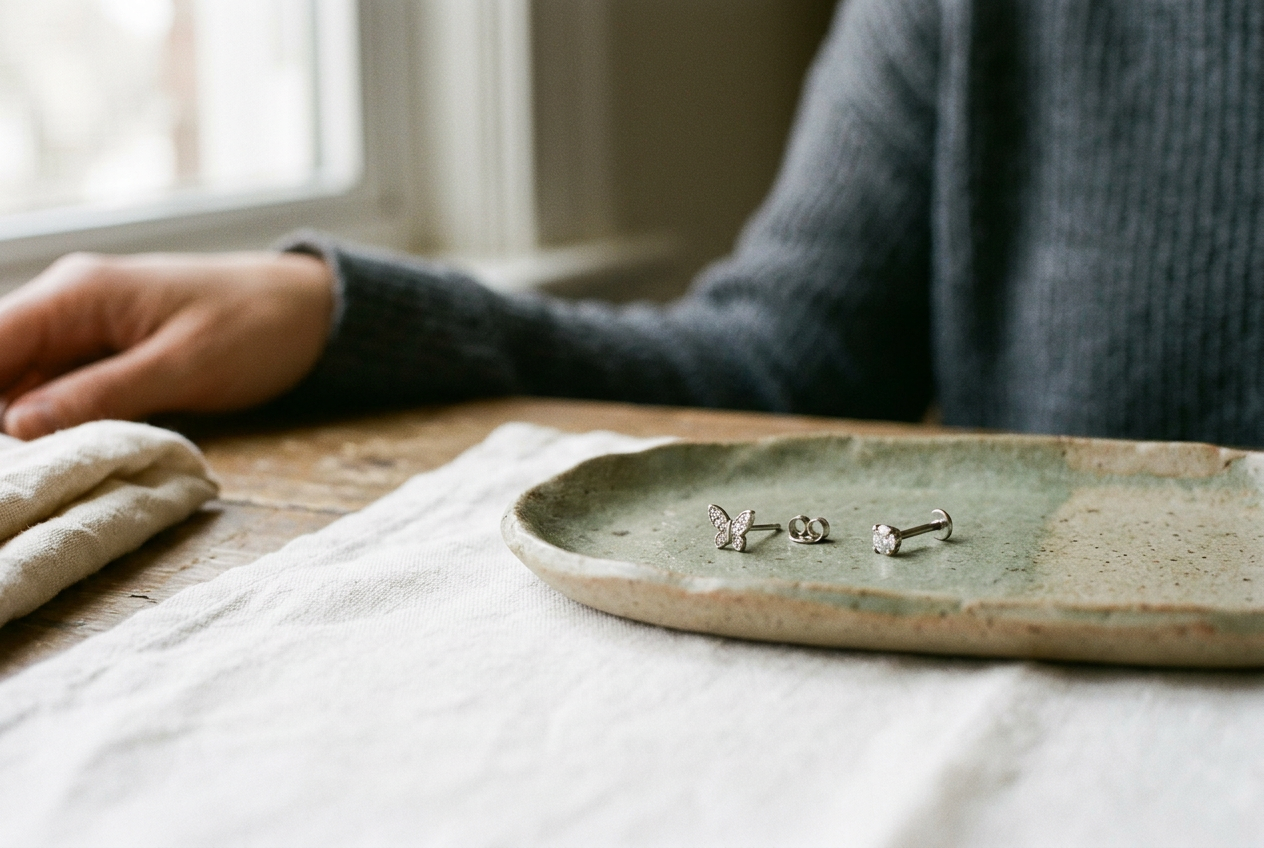
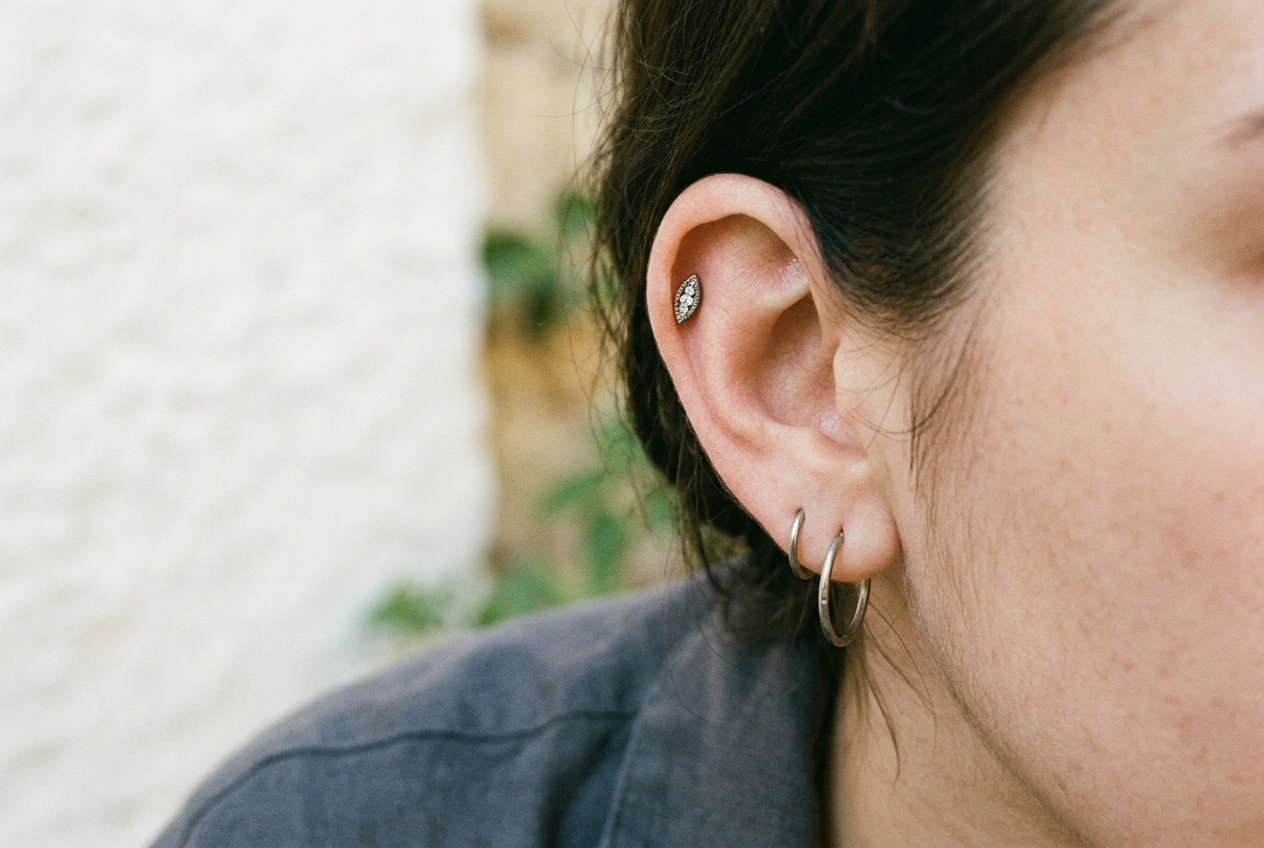
Rotation can come from the whole post, a secure threadless pin or a threaded end working loose. The movement pattern tells you whether to leave it, refit it or see a piercer.
Margot Lane · 8 min read
Jewelry & Accessories
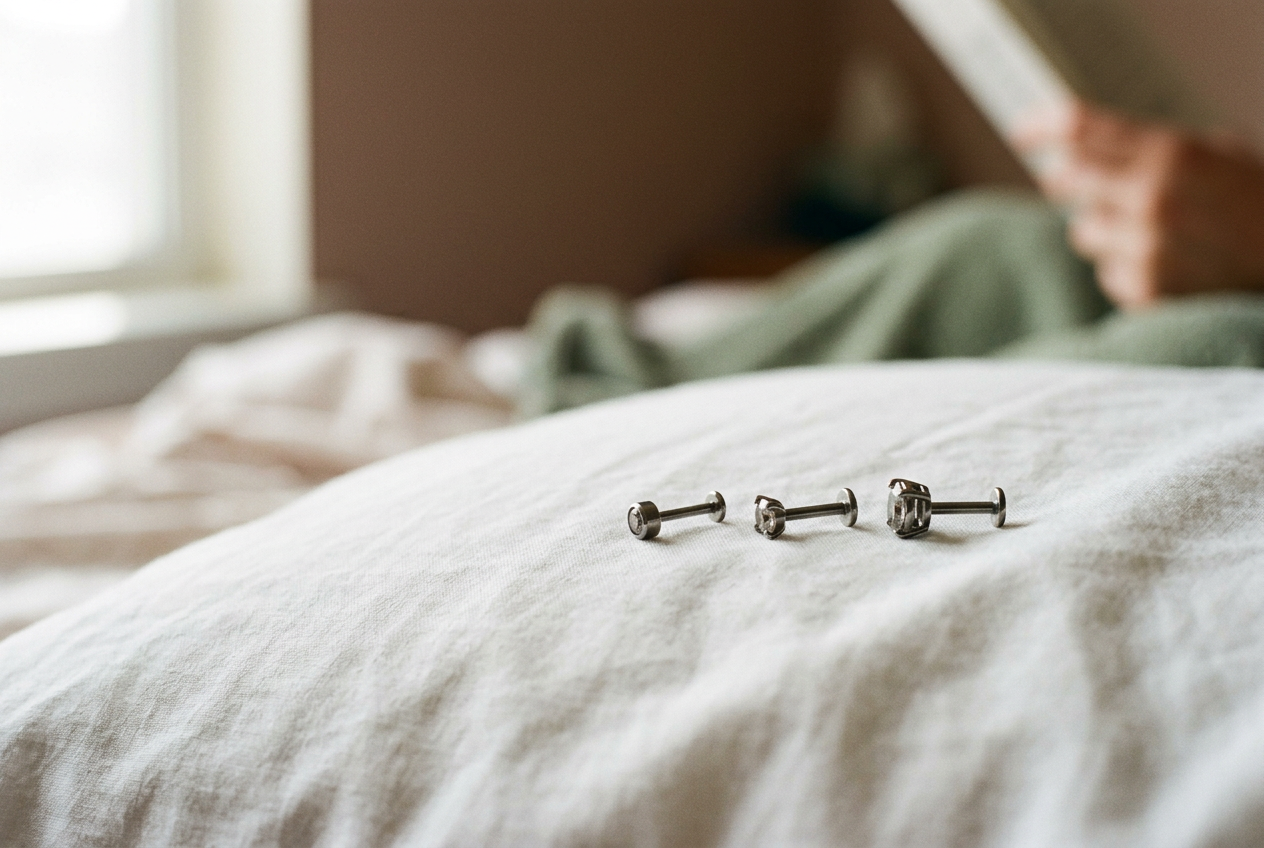
A flush disc can keep an earring from poking behind the lobe, but a tall stone setting still presses from the front. Here is how to spot the difference before buying.
Margot Lane · 7 min read
Jewelry & Accessories
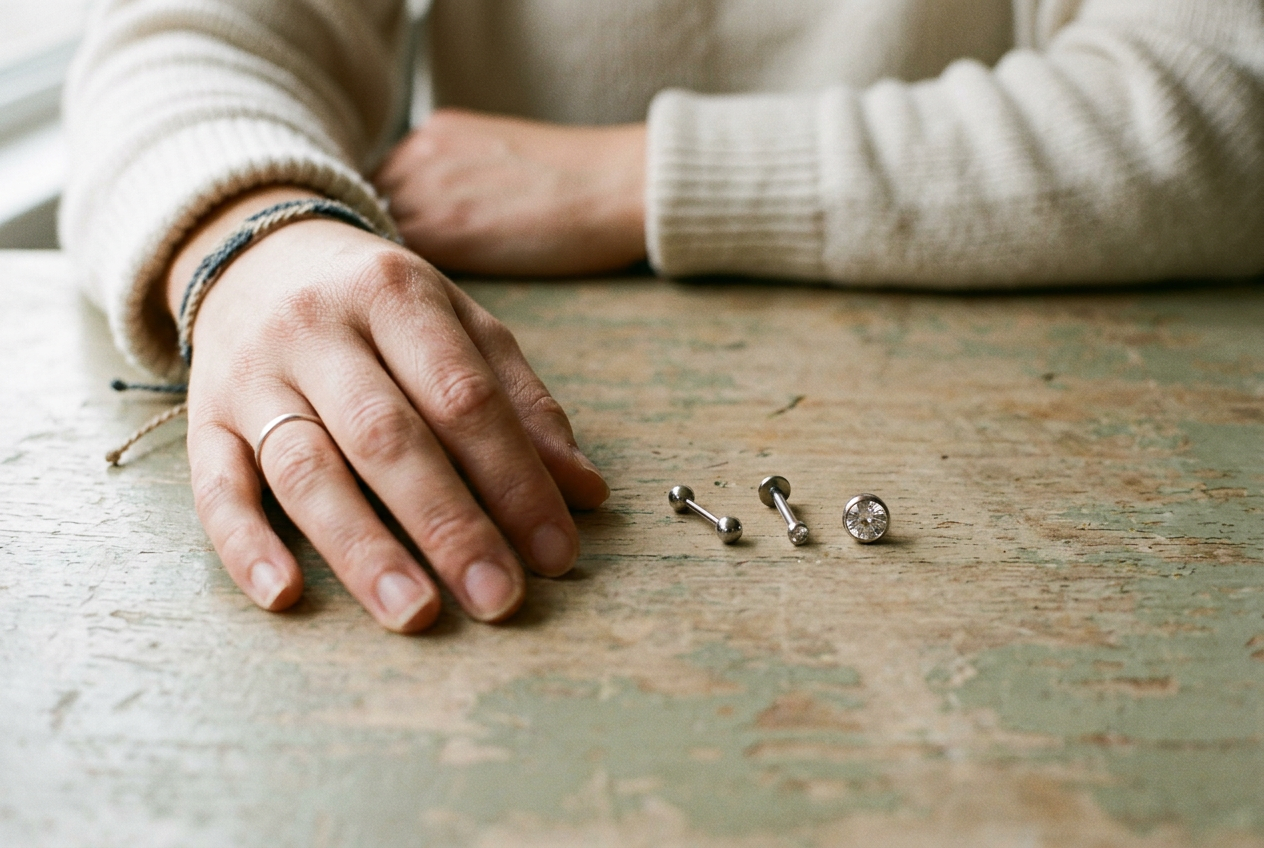
A 16-gauge post is thicker than an 18-gauge post. Confirm the number, length and attachment style before replacing jewelry in a healed piercing.
Margot Lane · 8 min read

Jewelry & Accessories
For mild, short-term lobe swelling, one post-size increase is often enough. The fit should release pressure without leaving a length of metal that catches on hair or bedding.
Margot Lane · 7 min read
Jewelry & Accessories
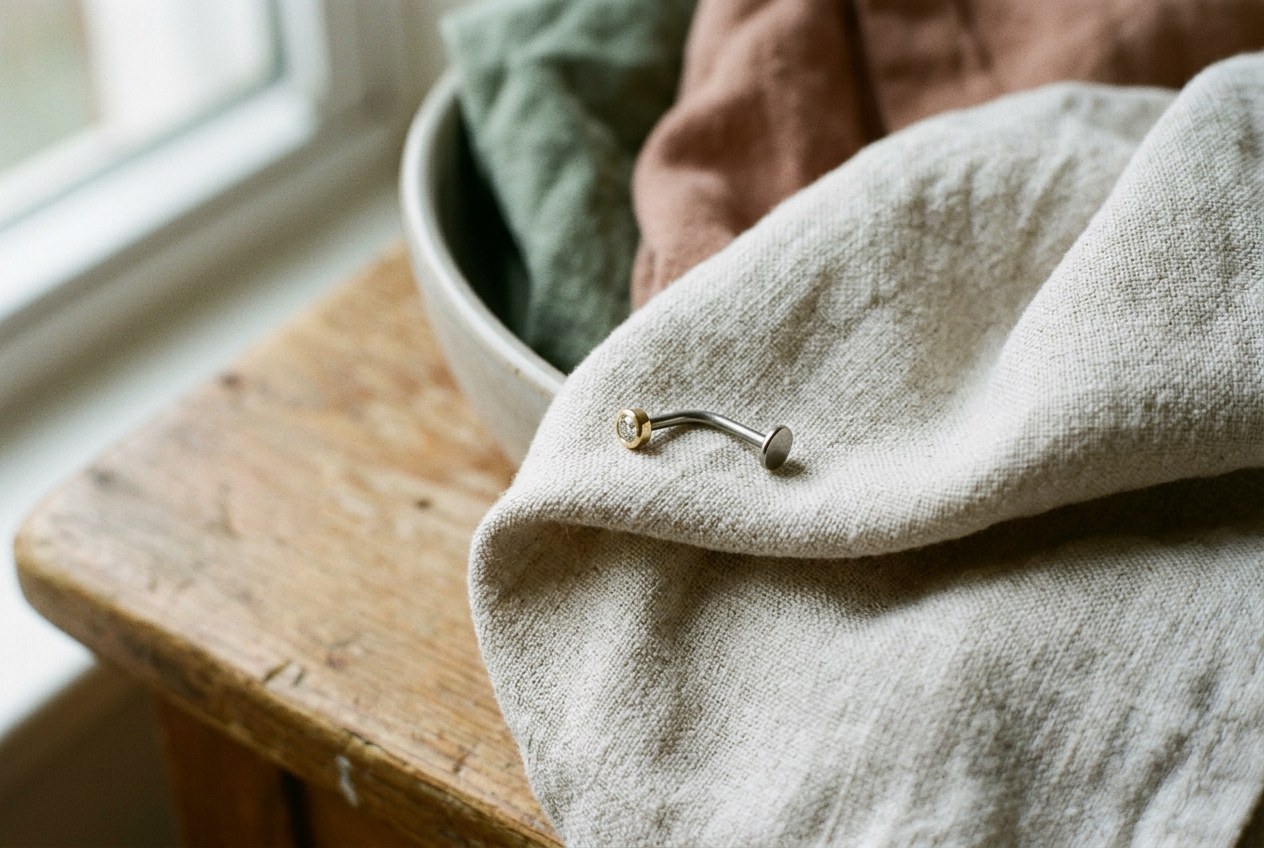
A nearly straight threadless pin can make a secure-looking earring end drop out. Check the tension first, then replace only the part that has failed.
Margot Lane · 8 min read
Jewelry & Accessories
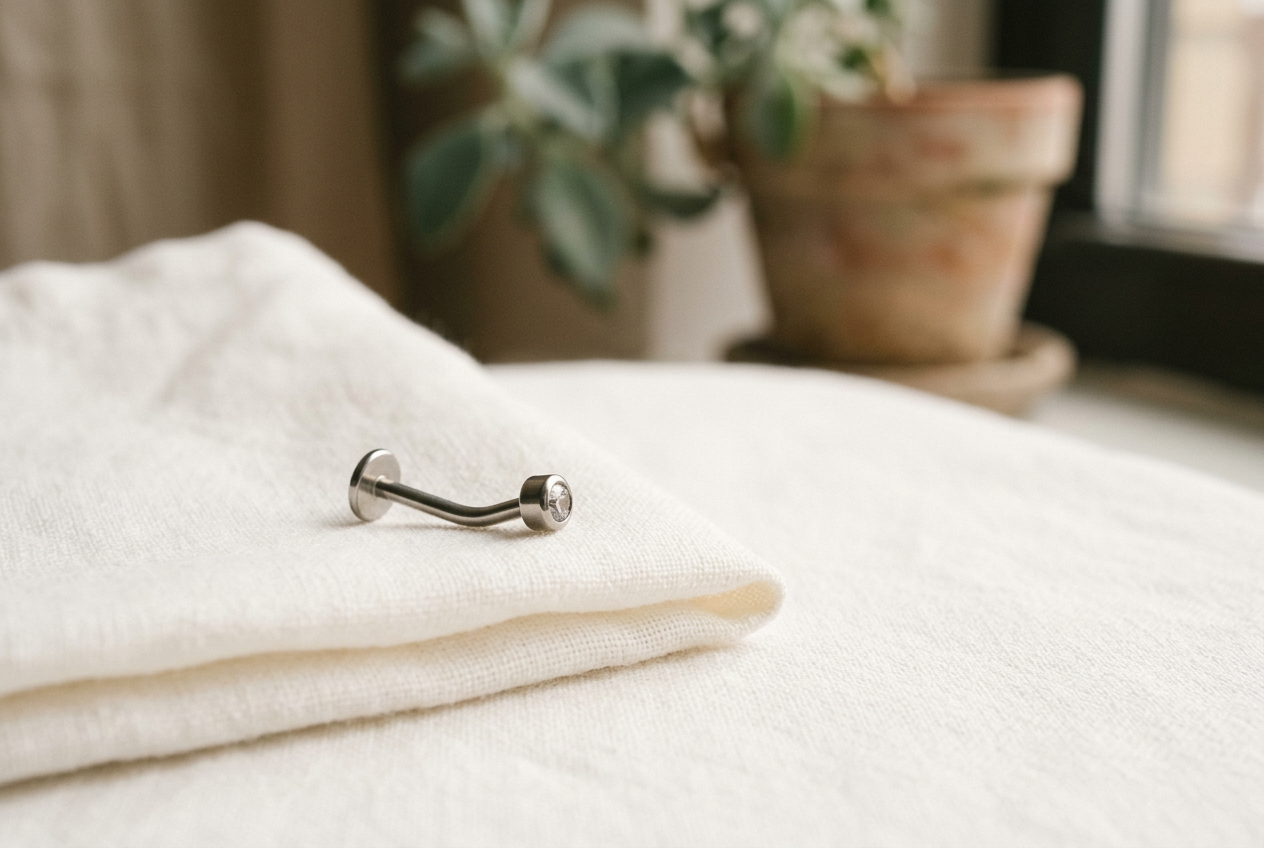
A slight curve creates the grip in a threadless labret. Test the end outside your ear first, then stop if the pin kinks, catches or refuses to sit flush.
Margot Lane · 7 min read
Jewelry & Accessories
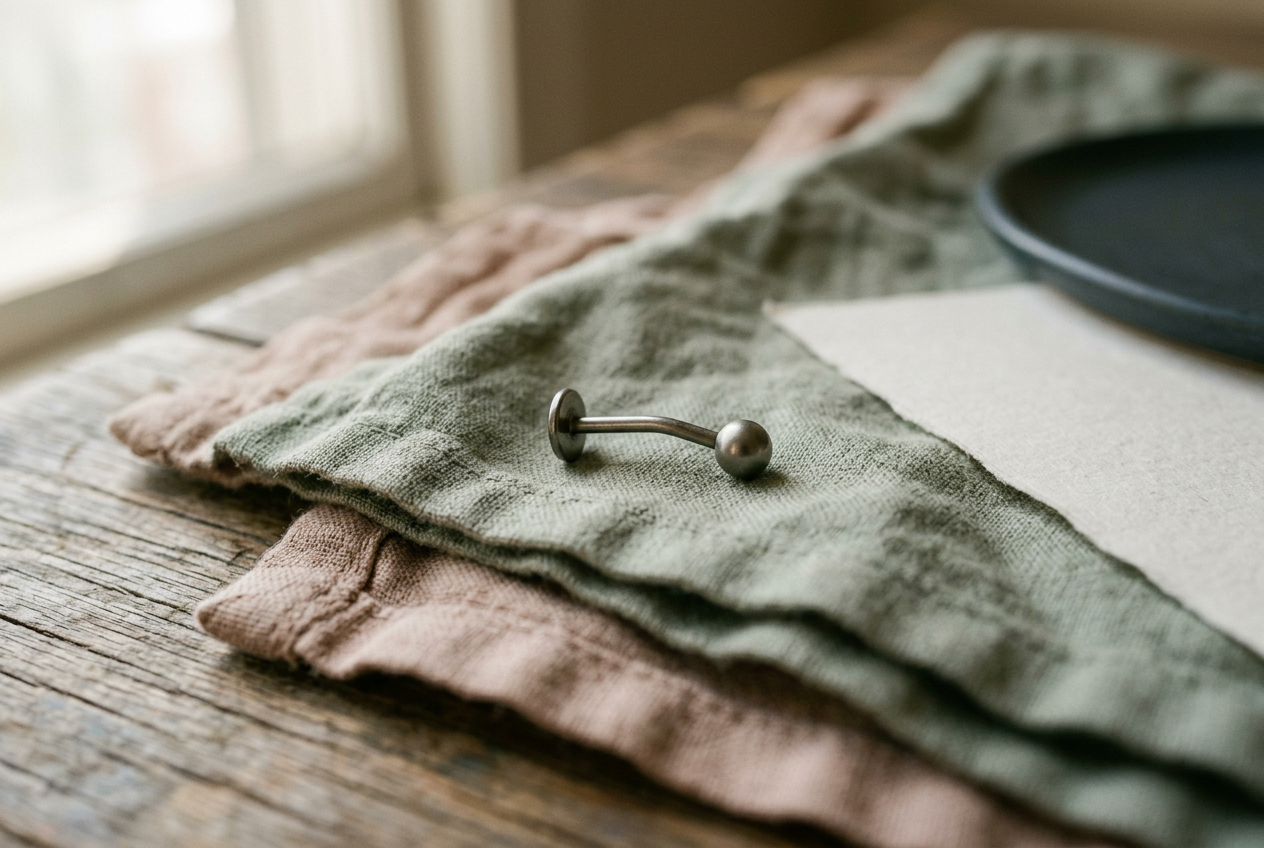
A threadless end stays in through pressure, not threading. Here is how to set a shallow bend, recognize poor tension, and remove a stubborn flat back without reaching for pliers.
Margot Lane · 7 min read
Jewelry & Accessories
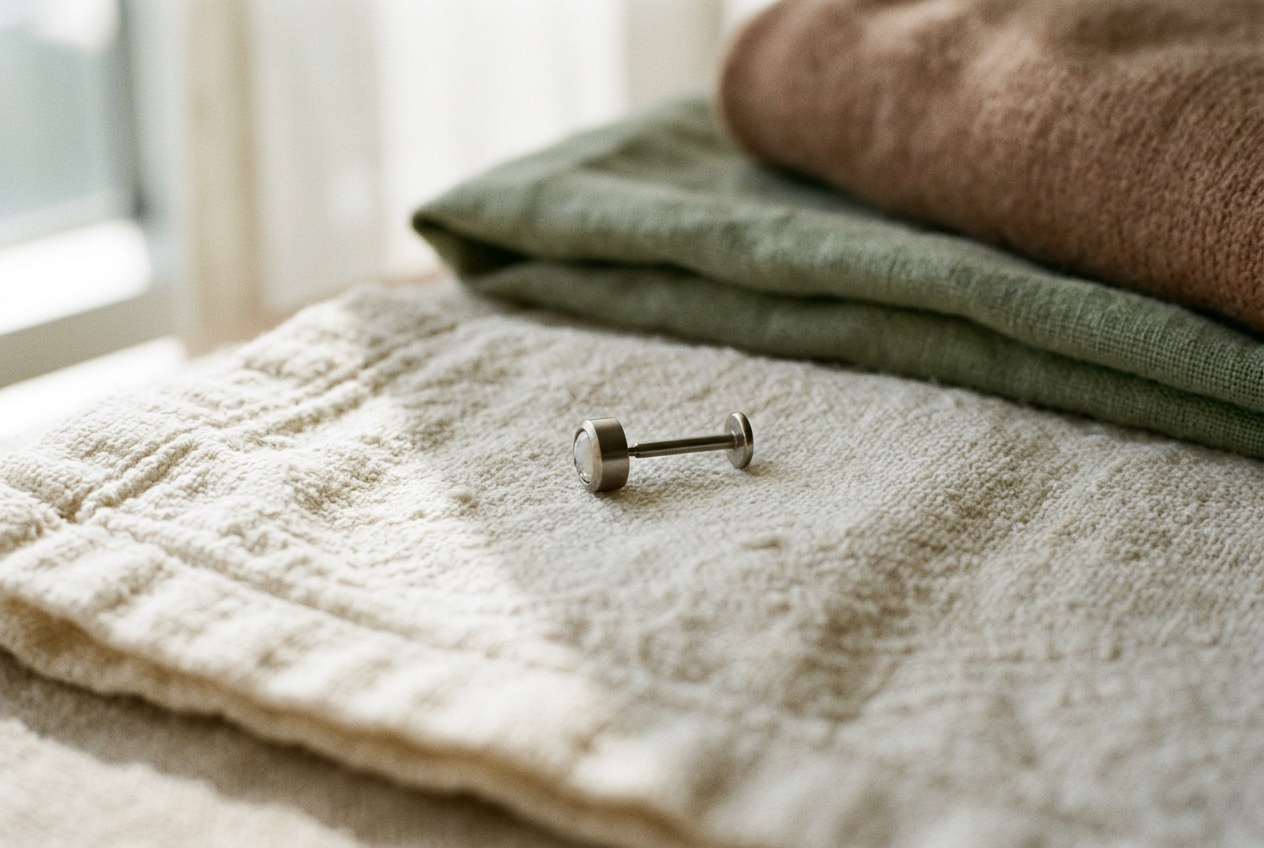
A threadless end needs a slight curve in its insertion pin to stay put. Make the adjustment off the ear, test it in small increments, and replace any end with a kink or damaged base.
Margot Lane · 7 min read
Jewelry & Accessories
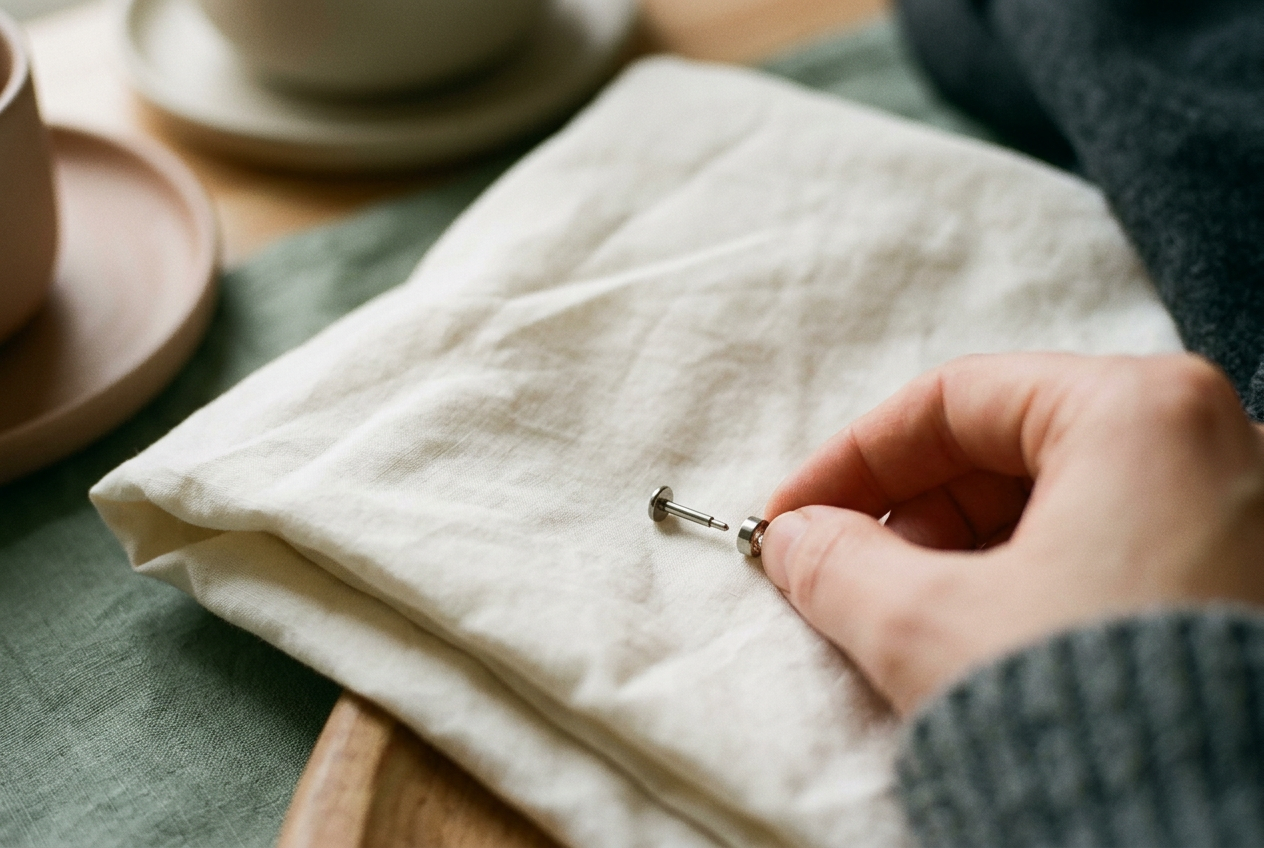
A flush backing cannot stop an under-tensioned threadless end from slipping out. Test the pin without twisting it, then know when another bend is one too many.
Margot Lane · 8 min read
Jewelry & Accessories
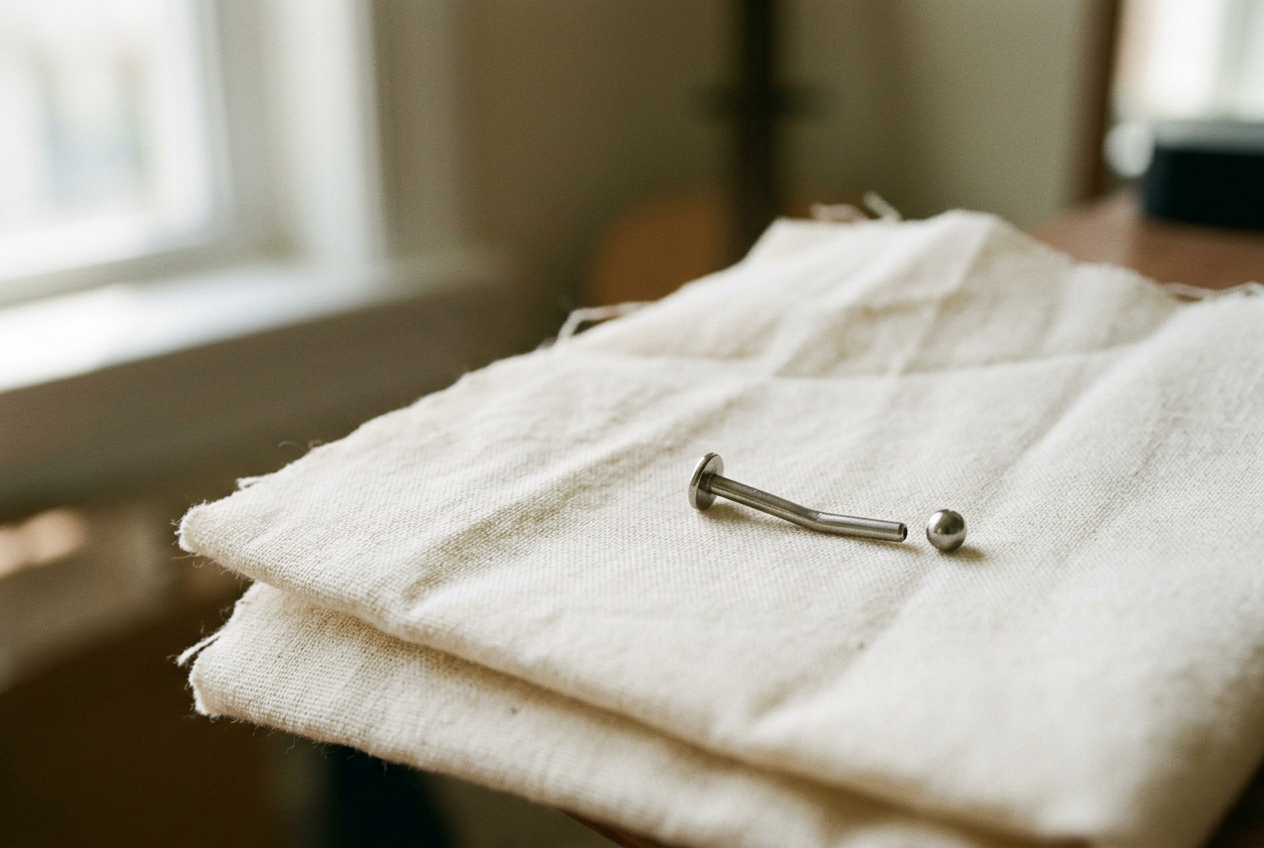
A shallow midpoint bend creates the tension that holds a threadless labret together. Here is how to set it, test it off the ear, and spot a weakened pin.
Margot Lane · 7 min read
Jewelry & Accessories
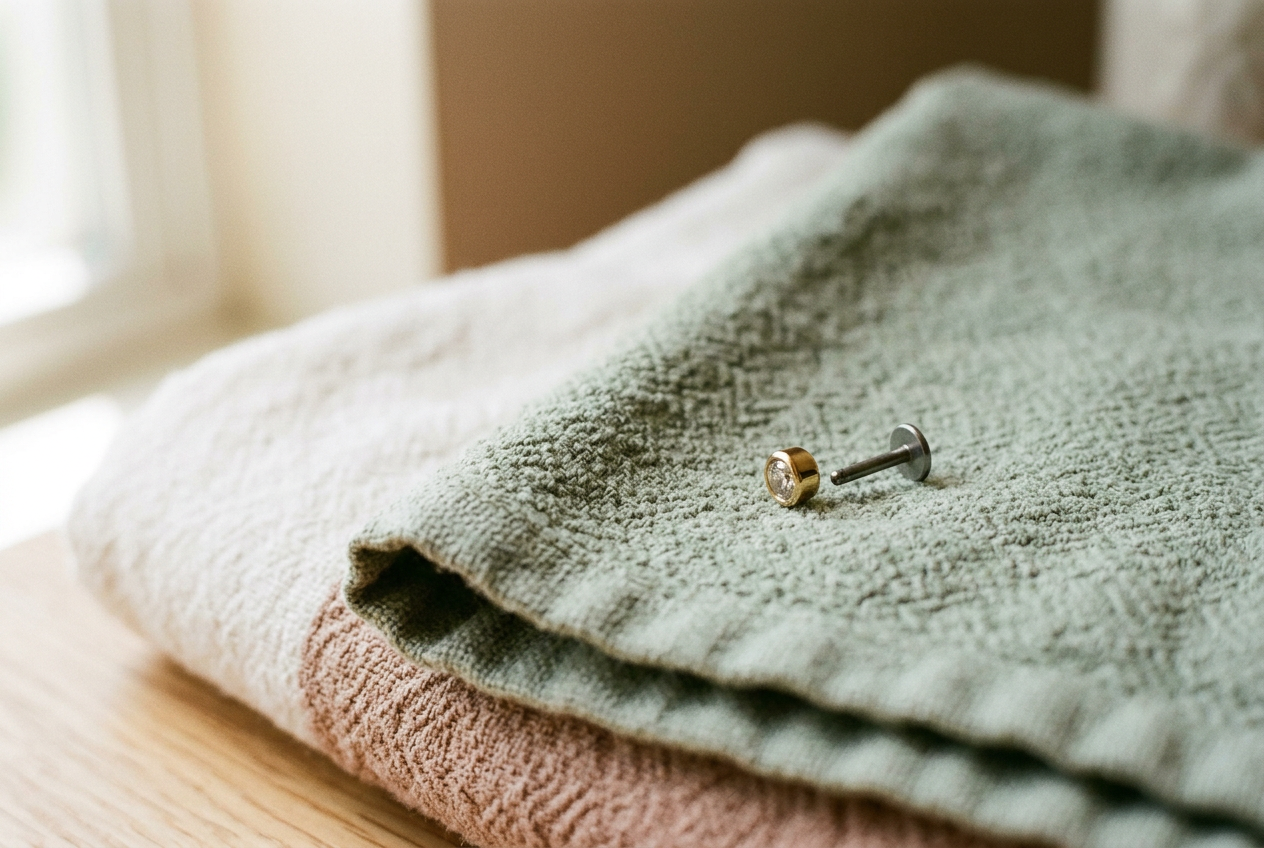
A slight pin bend keeps a threadless top inside its flat back post. Here is how to check that tension without damaging the jewelry, and when to stop troubleshooting.
Margot Lane · 8 min read
Jewelry & Accessories
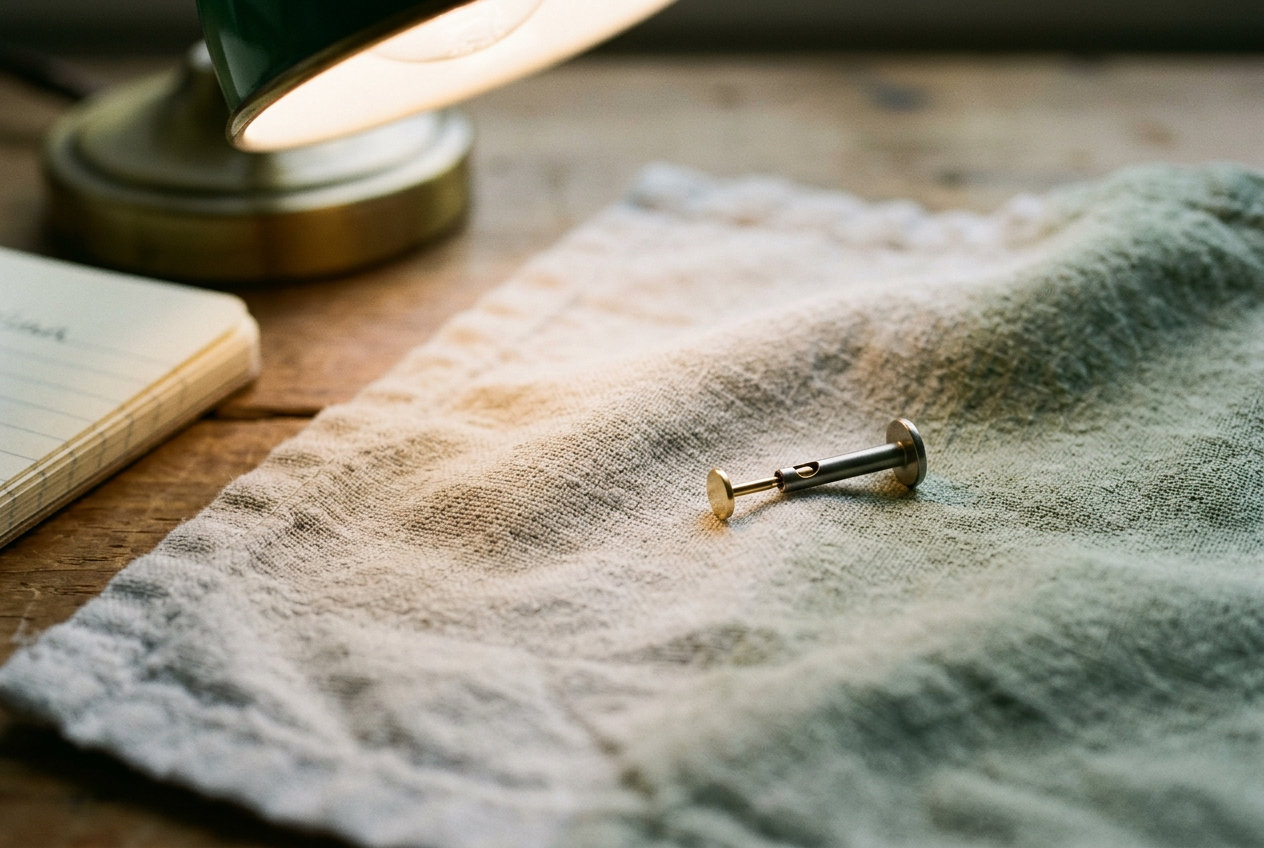
Threadless ends can turn freely and still be secure. A controlled resistance test tells you whether the pin needs a slightly deeper bend or professional attention.
Margot Lane · 8 min read

Jewelry & Accessories
A threadless end can look seated while its pin is still shallow. This tool-free check separates a secure fit from one likely to disappear into the bedding.
Margot Lane · 8 min read
Jewelry & Accessories
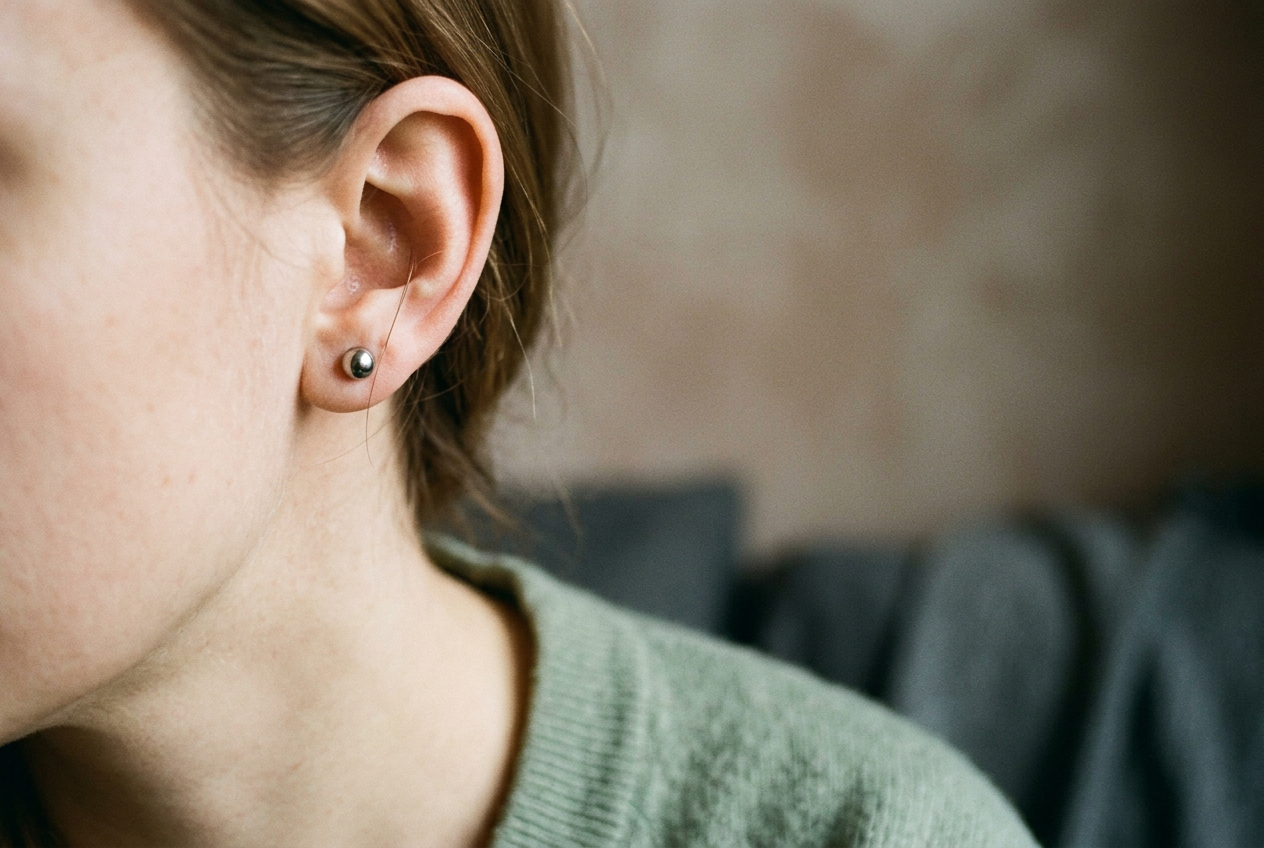
The starter post needs room for swelling, but that extra length can become a snag point later. A piercer can tell when shorter jewelry will sit securely without pressing.
Margot Lane · 7 min read
Jewelry & Accessories
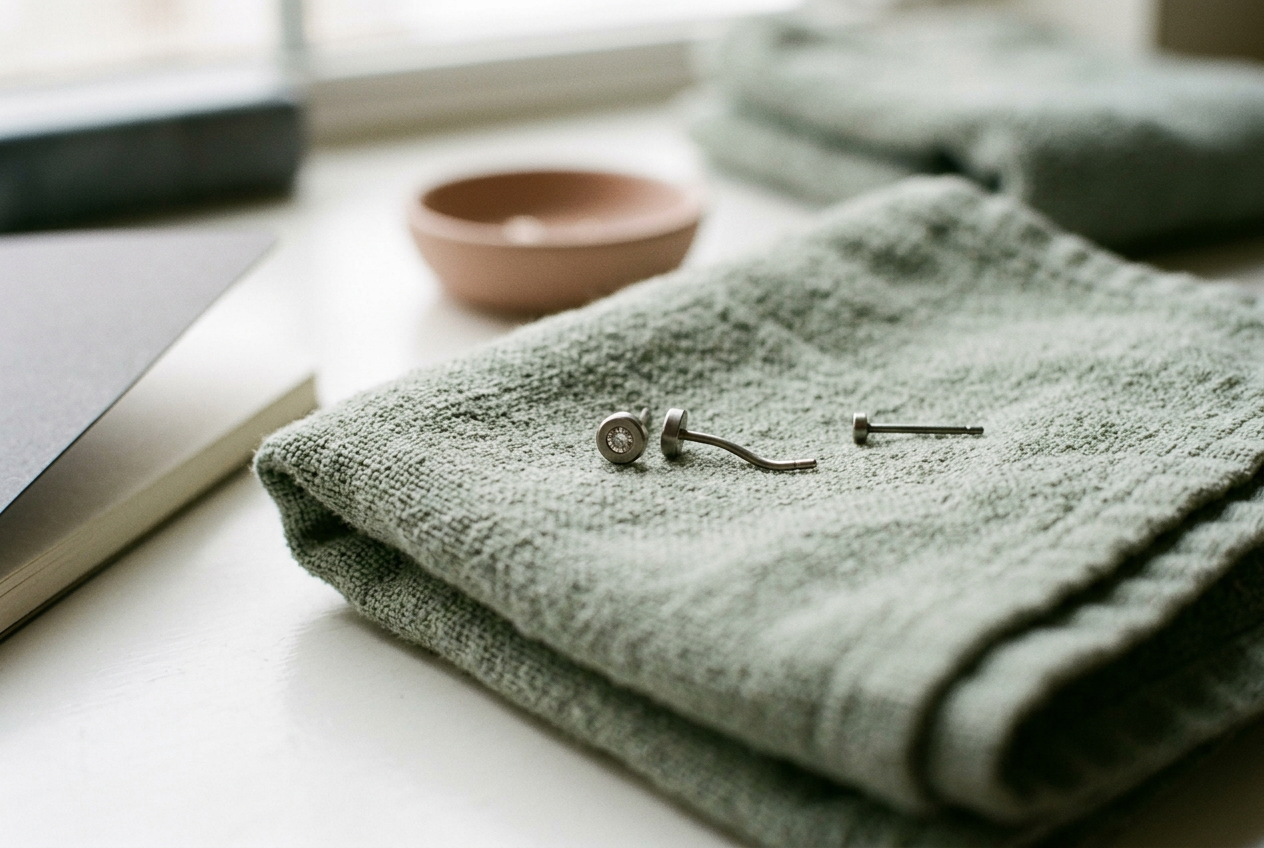
A spinning top is not always a failing top. This bench check separates harmless rotation from shallow insertion, weak pin tension, and a post that no longer fits.
Margot Lane · 8 min read
Jewelry & Accessories
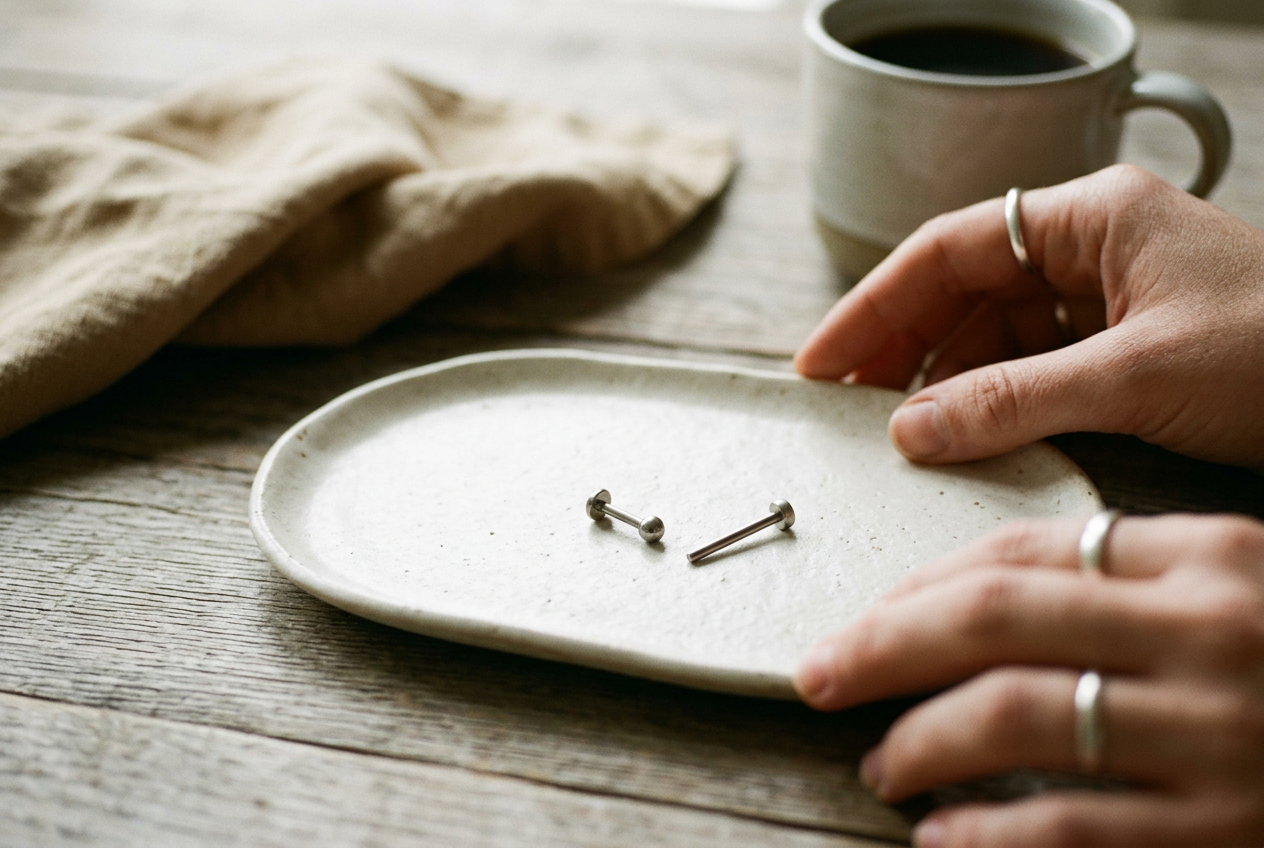
Once swelling has settled, spare post length can make an earring lean, travel and catch. Here is how to judge a downsize without trading movement for pressure.
Margot Lane · 7 min read
Jewelry & Accessories
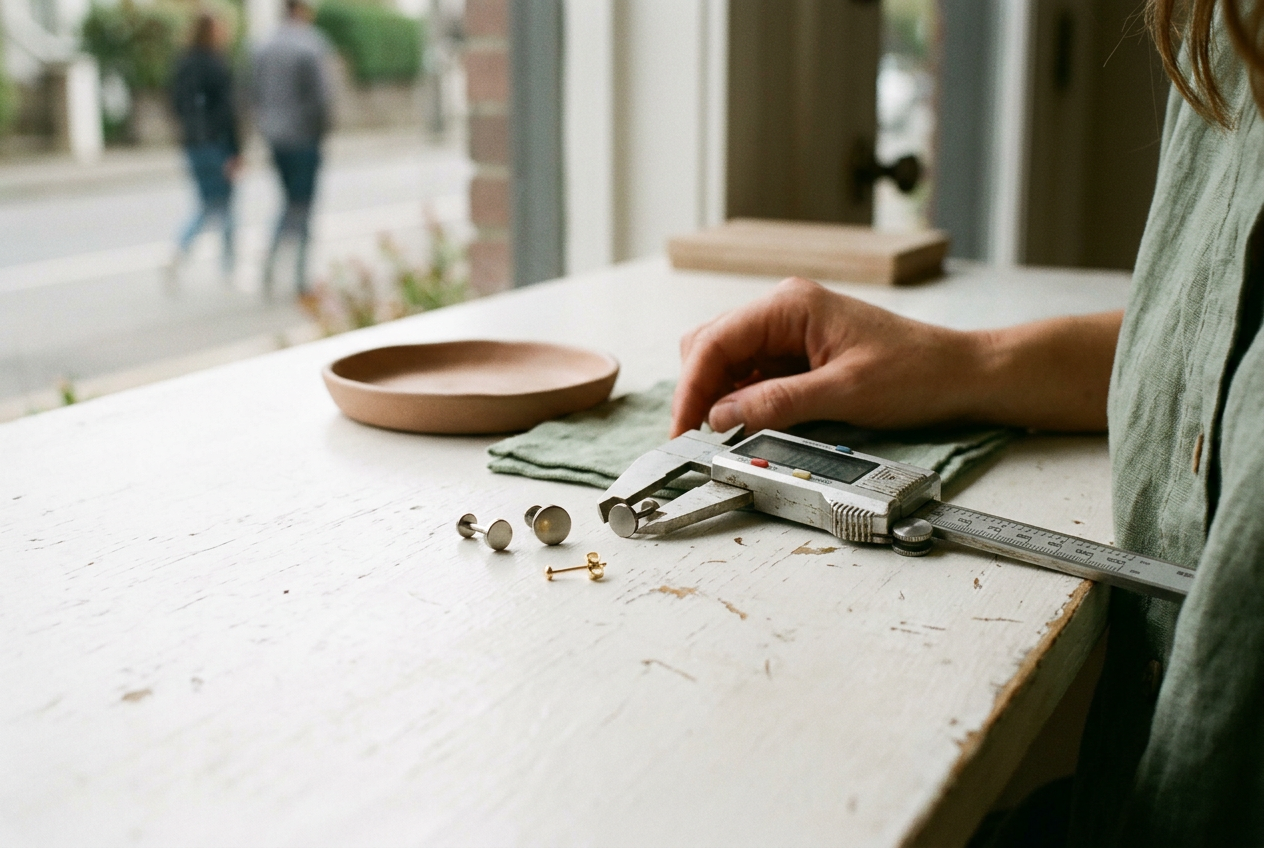
Gauge numbers run backward, and a tiny diameter change can matter. Here is how to replace a conventional lobe stud without forcing a thicker flat back through the channel.
Margot Lane · 7 min read

Jewelry & Accessories
The 0.2-millimeter difference between 18g and 16g posts is easy to miss on a product page. At the piercing, it can mean pressure, movement, or the wrong replacement entirely.
Margot Lane · 8 min read
Jewelry & Accessories
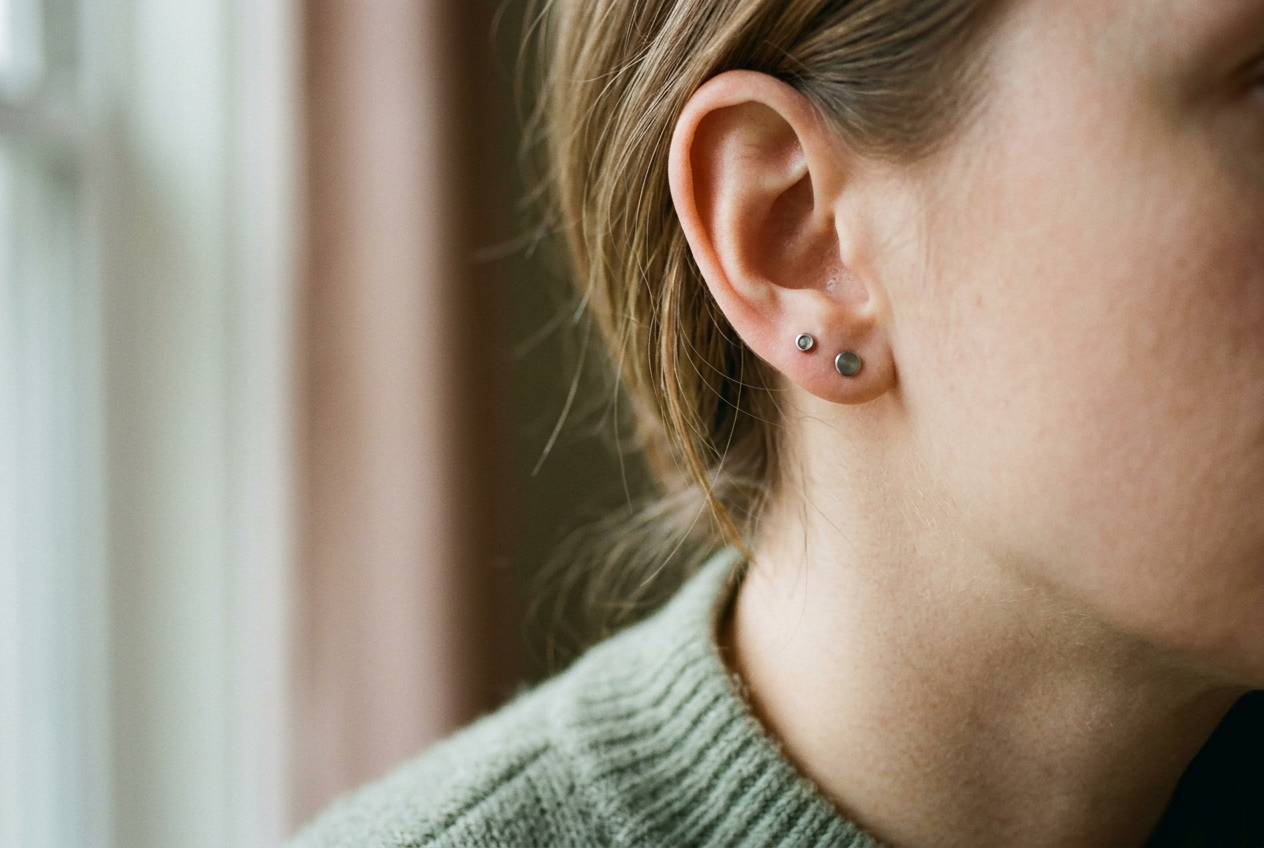
Once early swelling has settled, a shorter post can stop a flat back from shifting and catching. The first change is usually a job for a qualified piercer.
Margot Lane · 8 min read

Jewelry & Accessories
Extra post length protects a fresh piercing during swelling. Once the tissue settles, that same space can tip the stud forward, catch on hair and keep irritation going.
Margot Lane · 7 min read
Jewelry & Accessories
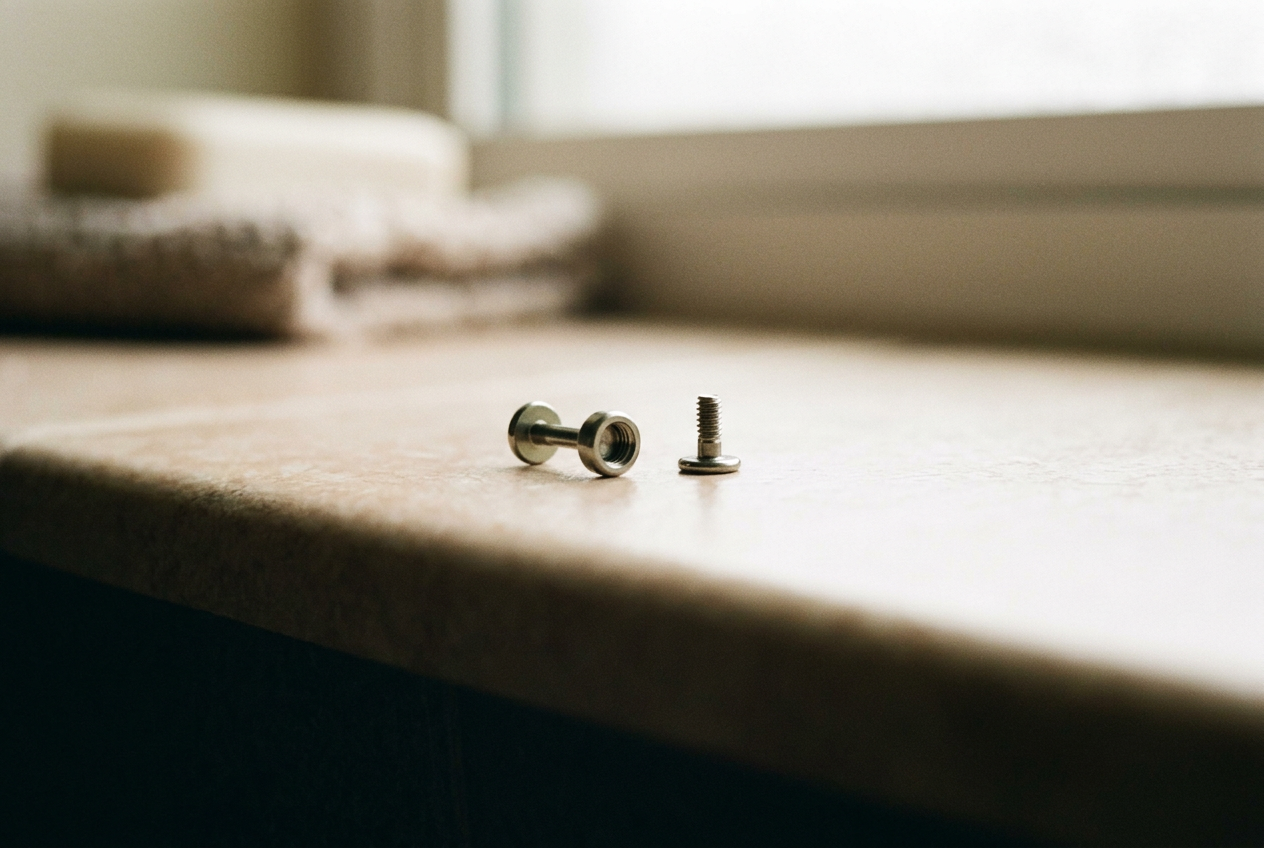
The post length that protects a new piercing from pressure can become the part that catches on hair and pillows later. Downsizing is a fit check, not a DIY deadline.
Margot Lane · 7 min read
Jewelry & Accessories
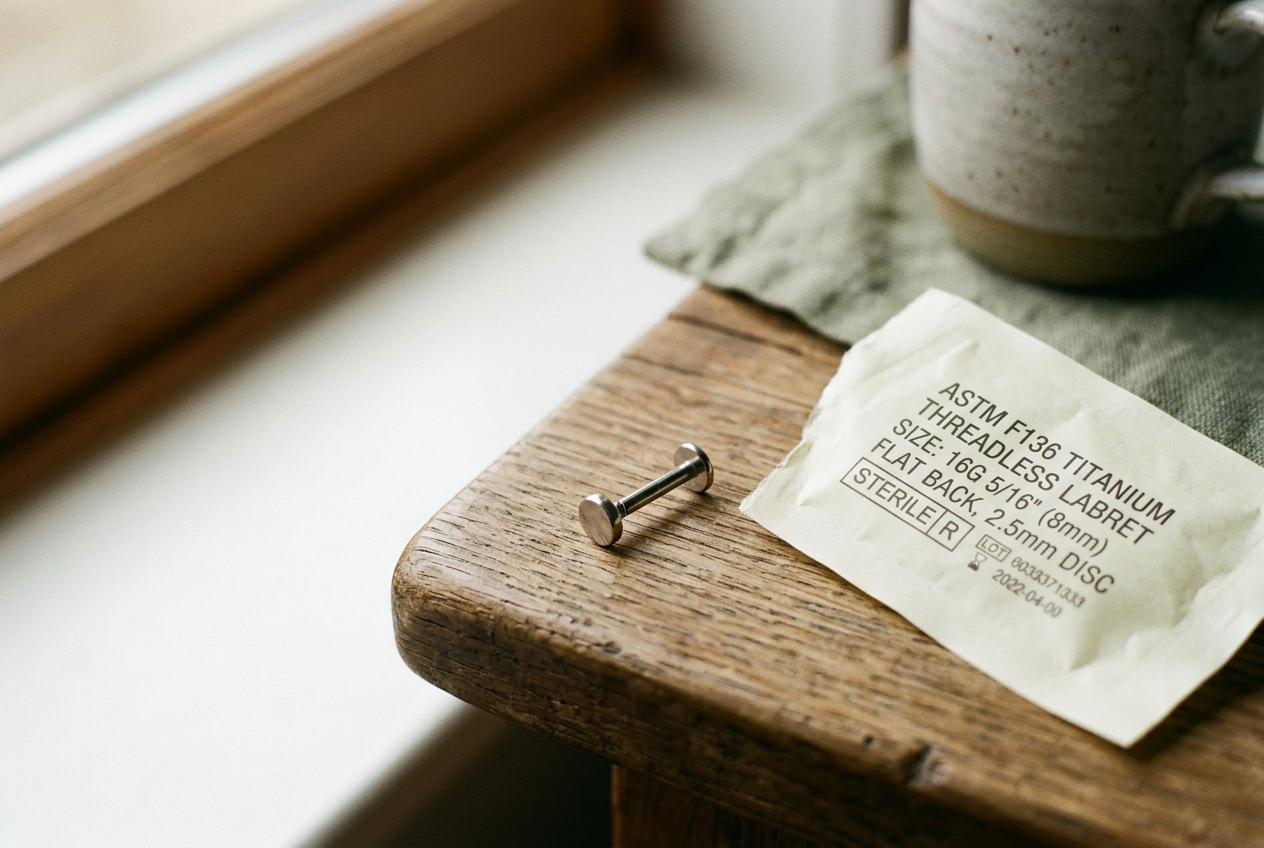
Implant standards, karat marks and plating details reveal far more than “hypoallergenic.” Here is how to identify what will touch your skin before you buy.
Margot Lane · 8 min read
Jewelry & Accessories
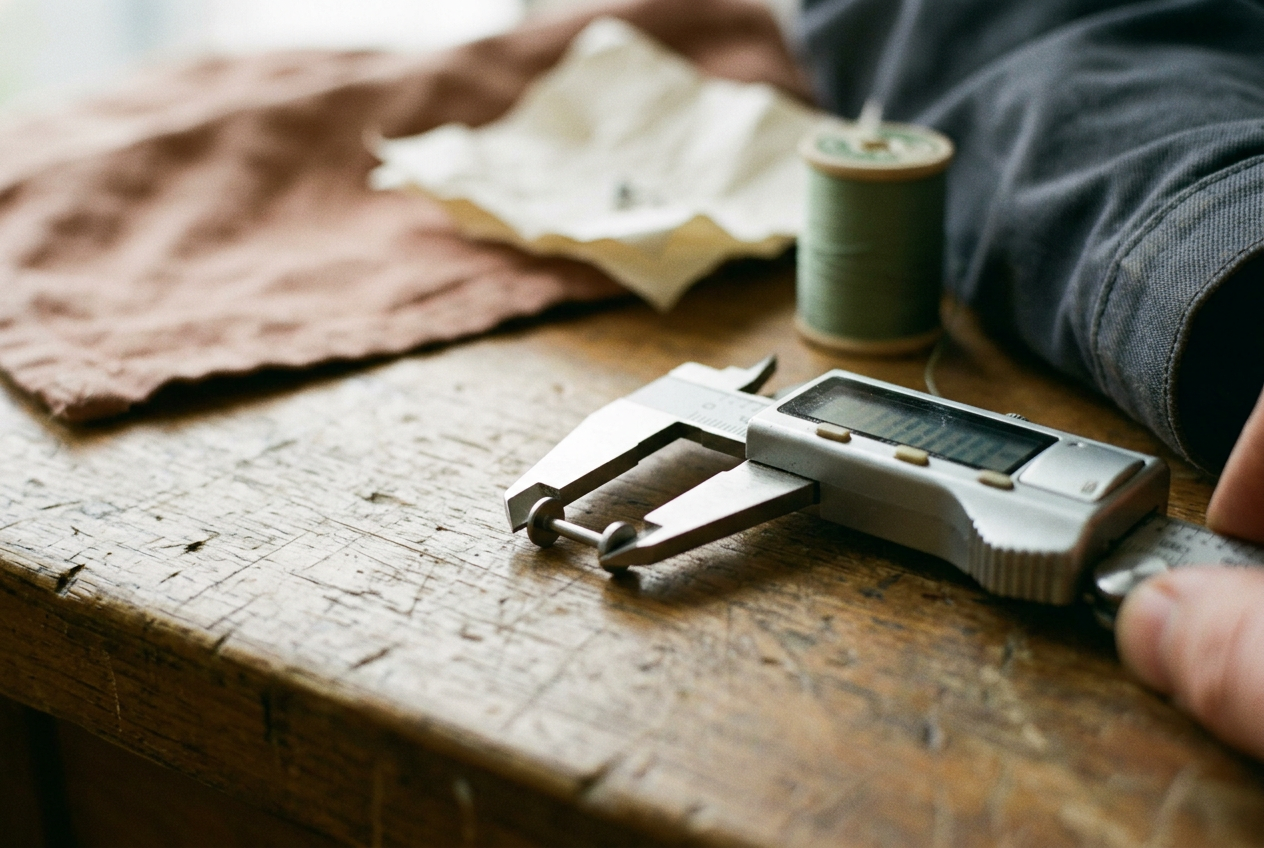
Post length is the space between the front and the disc, not the whole piece. Here is how to measure it and account for swelling, piercing angle, and a weighted end.
Margot Lane · 8 min read
Jewelry & Accessories
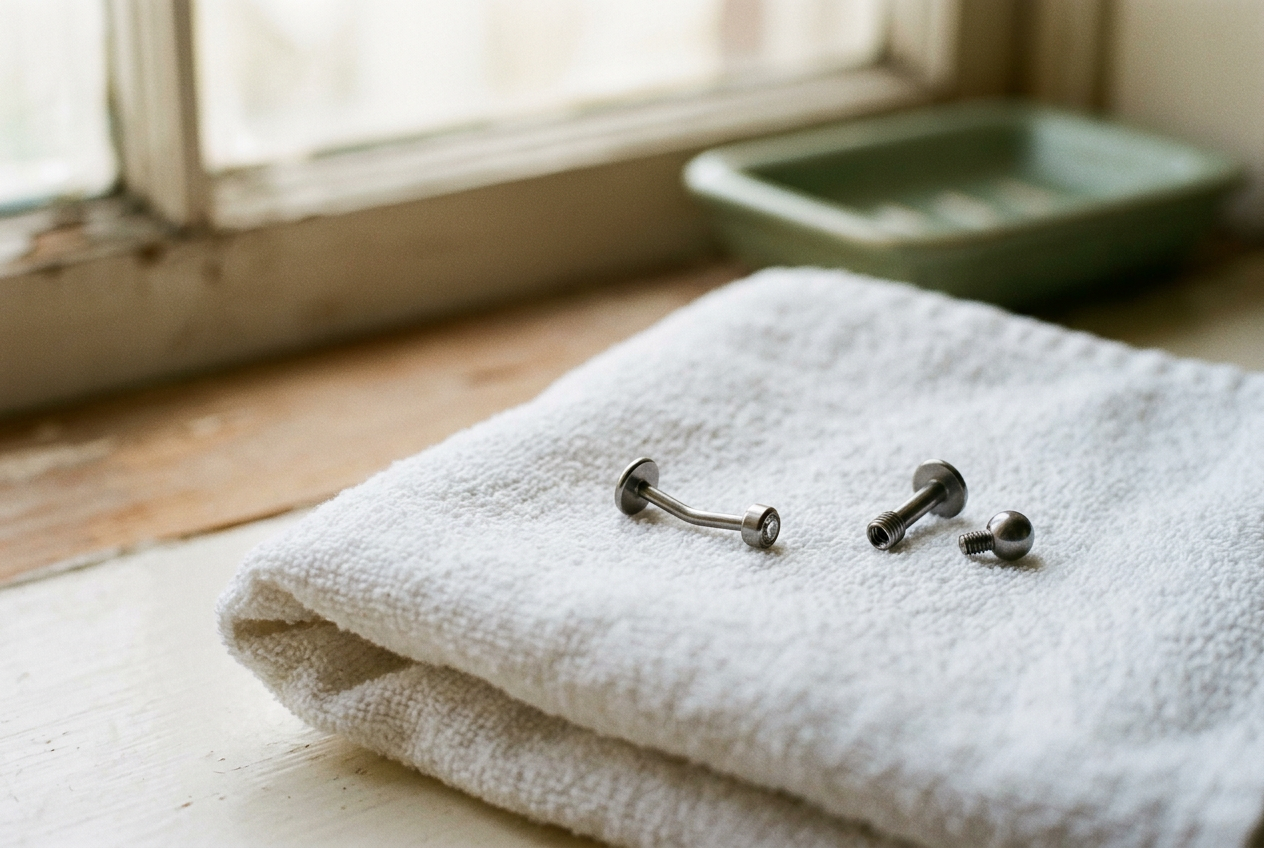
Threadless ends win for frequent at-home changes, provided you can control the tiny tension-fit pin. Internally threaded jewelry takes longer to align but suits a set-and-forget ear.
Margot Lane · 8 min read

Jewelry & Accessories
A tiny backing can press into a soft lobe and let the stud tip forward. One extra millimeter of disc width may steady it, though the edge becomes easier to see.
Margot Lane · 7 min read
Jewelry & Accessories
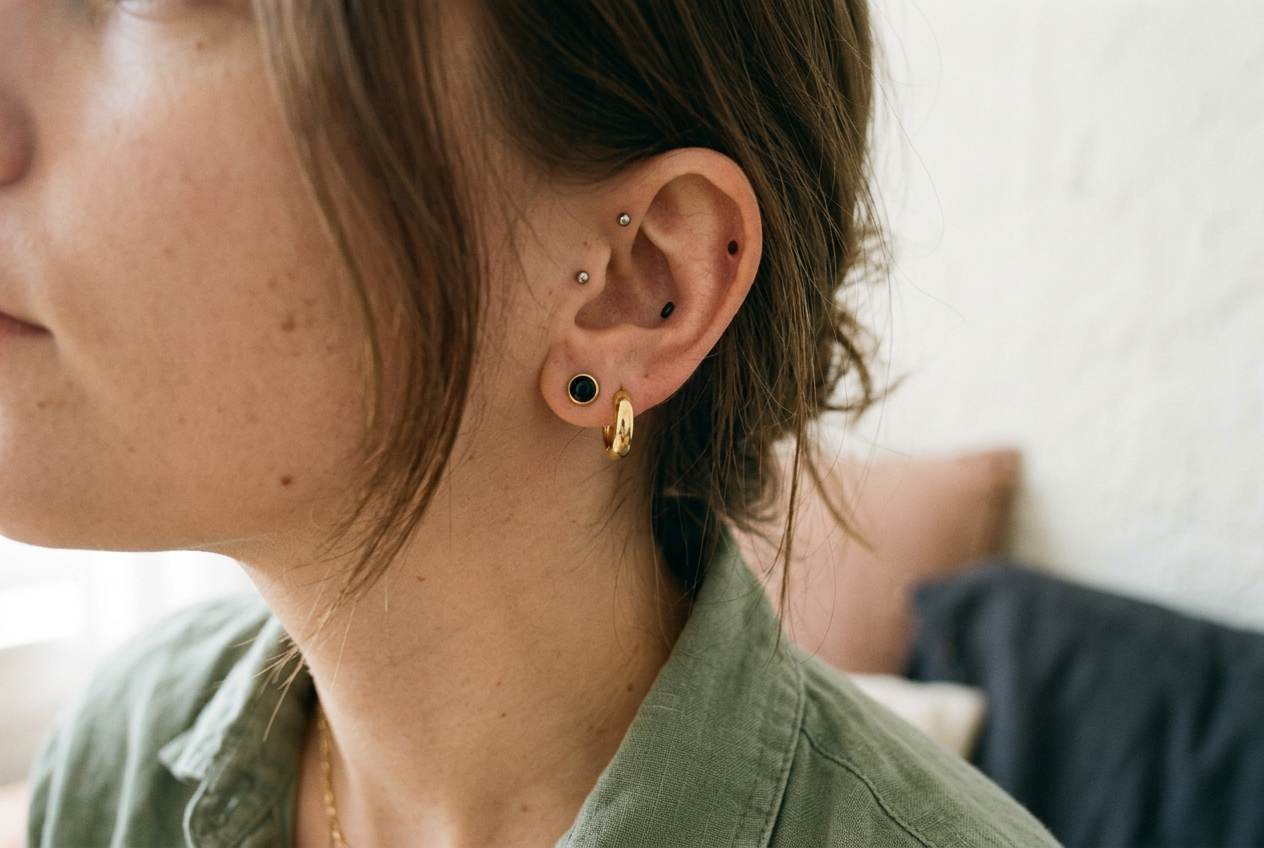
A single bold stud can organize the whole ear. The key is to repeat one detail, preserve bare skin, and check every backing against a bent ear and phone.
Margot Lane · 7 min read
Jewelry & Accessories
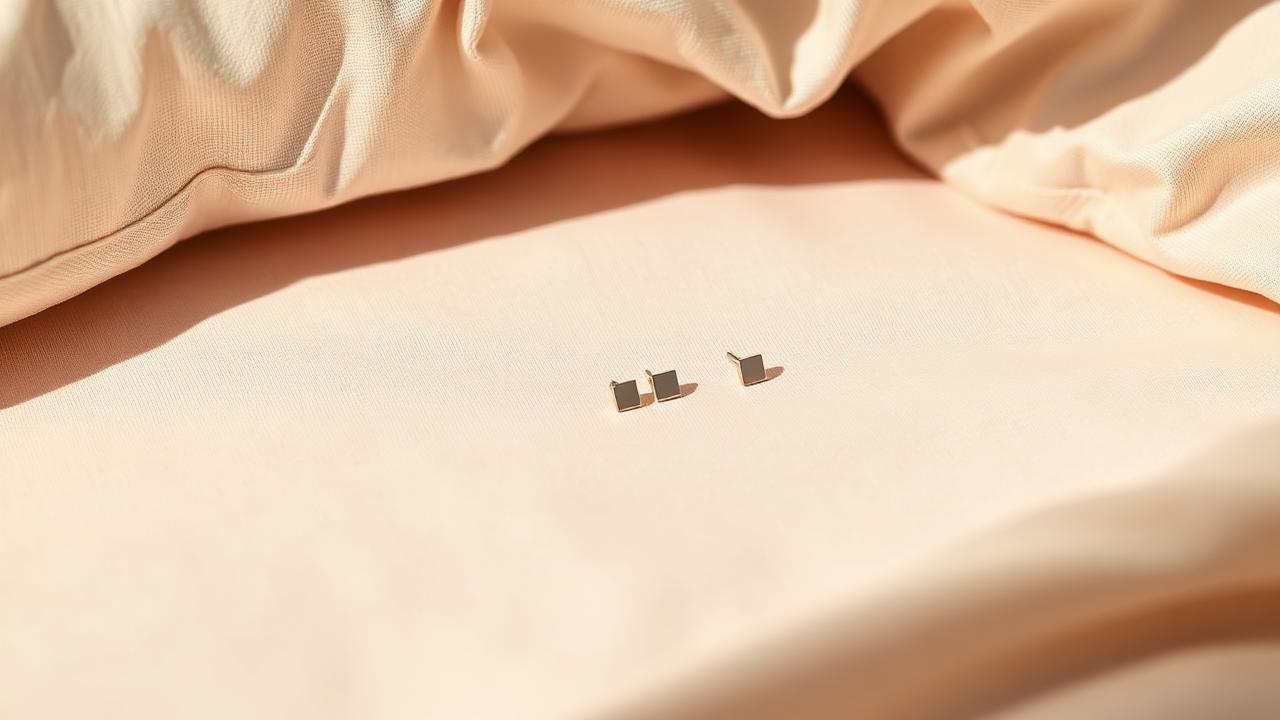
The flush backing is the selling point, but post length and disc size decide whether you wake up with a sore lobe.
Margot Lane · 5 min read