Footwear
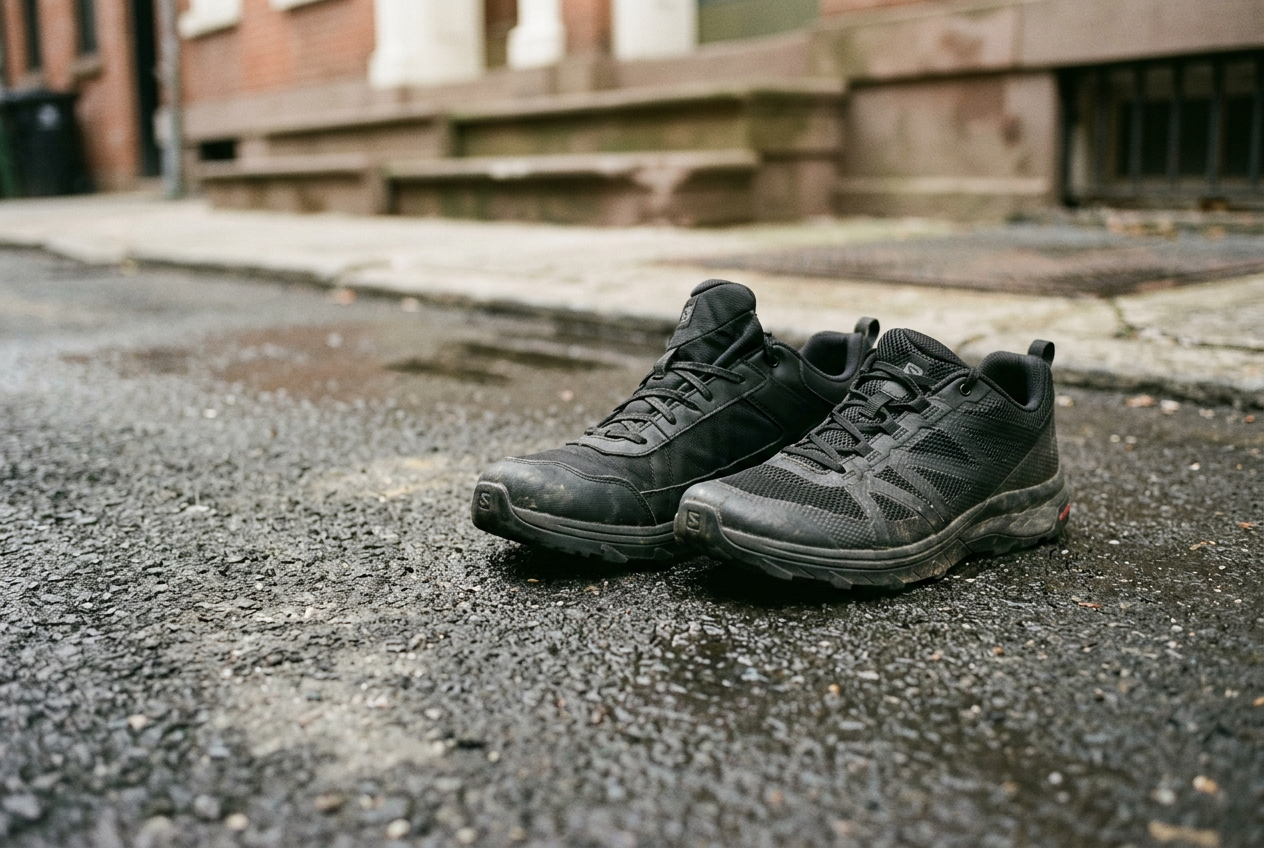
A membrane kept one test pair dry through steady rain, then held onto foot heat and damp socks indoors. In humid weather, water-resistant mesh was the more wearable compromise.
Dez Ferraro · 7 min read
Trend Watch
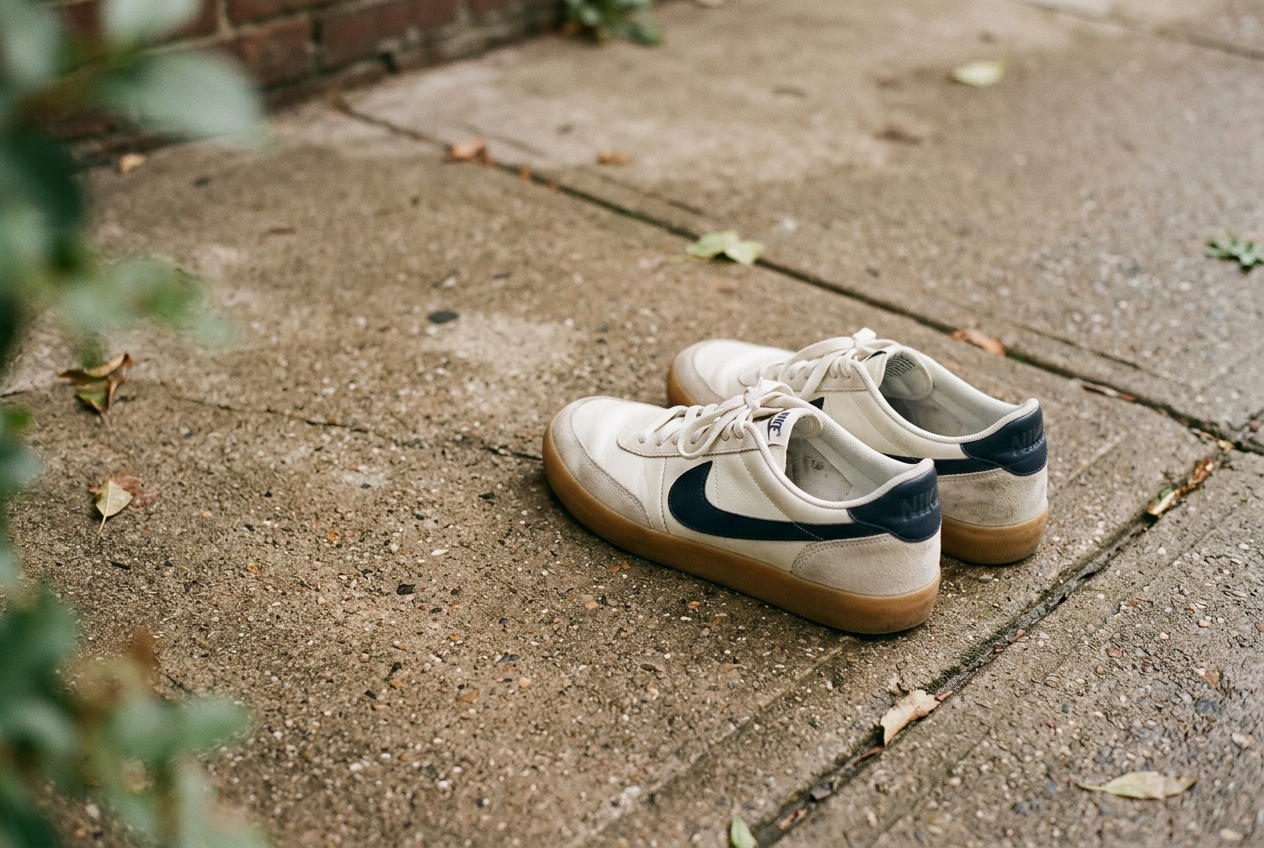
Darker panels can make summer sneakers look presentable longer, but many two-tone pairs leave the messiest areas pale. The useful distinction is placement, not color count.
Iris Mbeki · 8 min read
Footwear
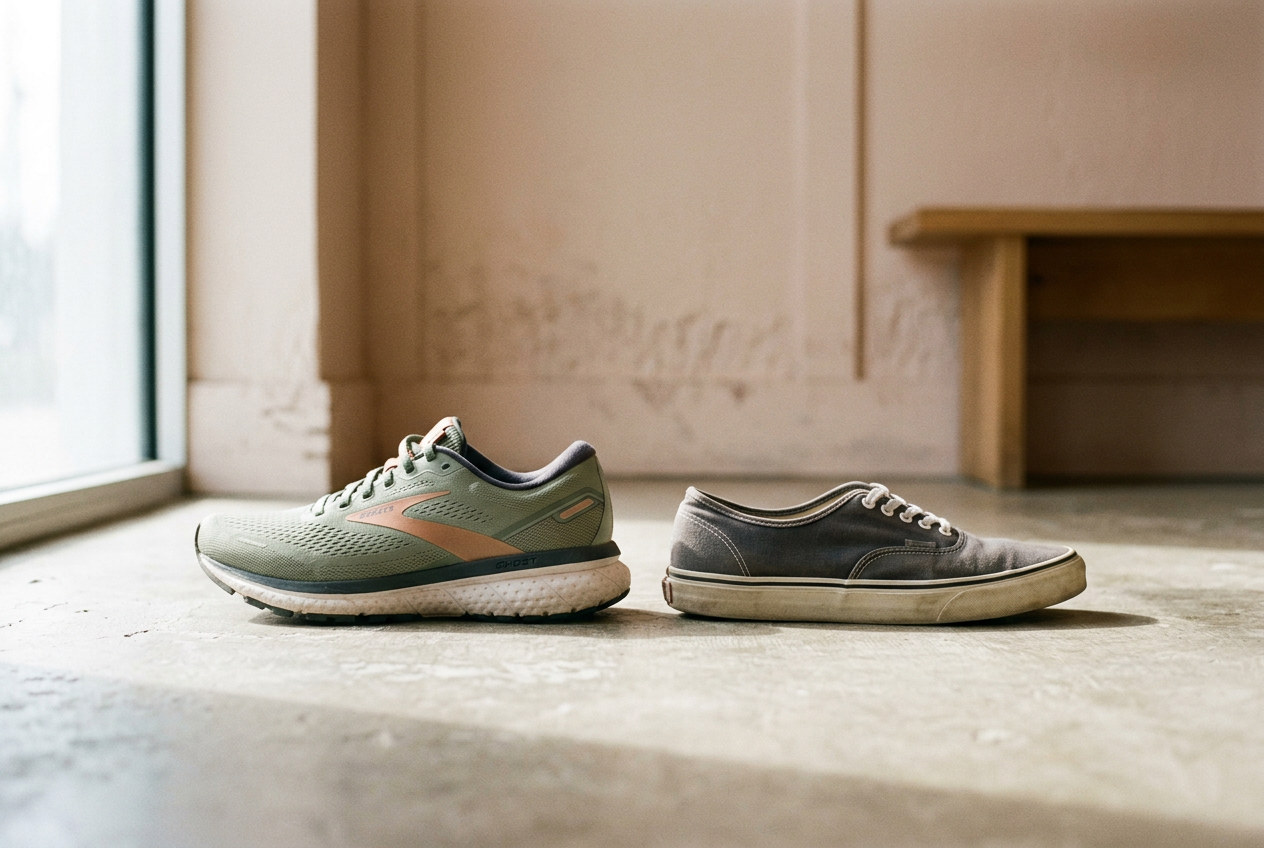
Heel-to-toe drop changes how a running shoe positions your foot. Calf load, rocker shape and your usual stride matter more than treating the biggest number as the softest option.
Dez Ferraro · 7 min read
Footwear
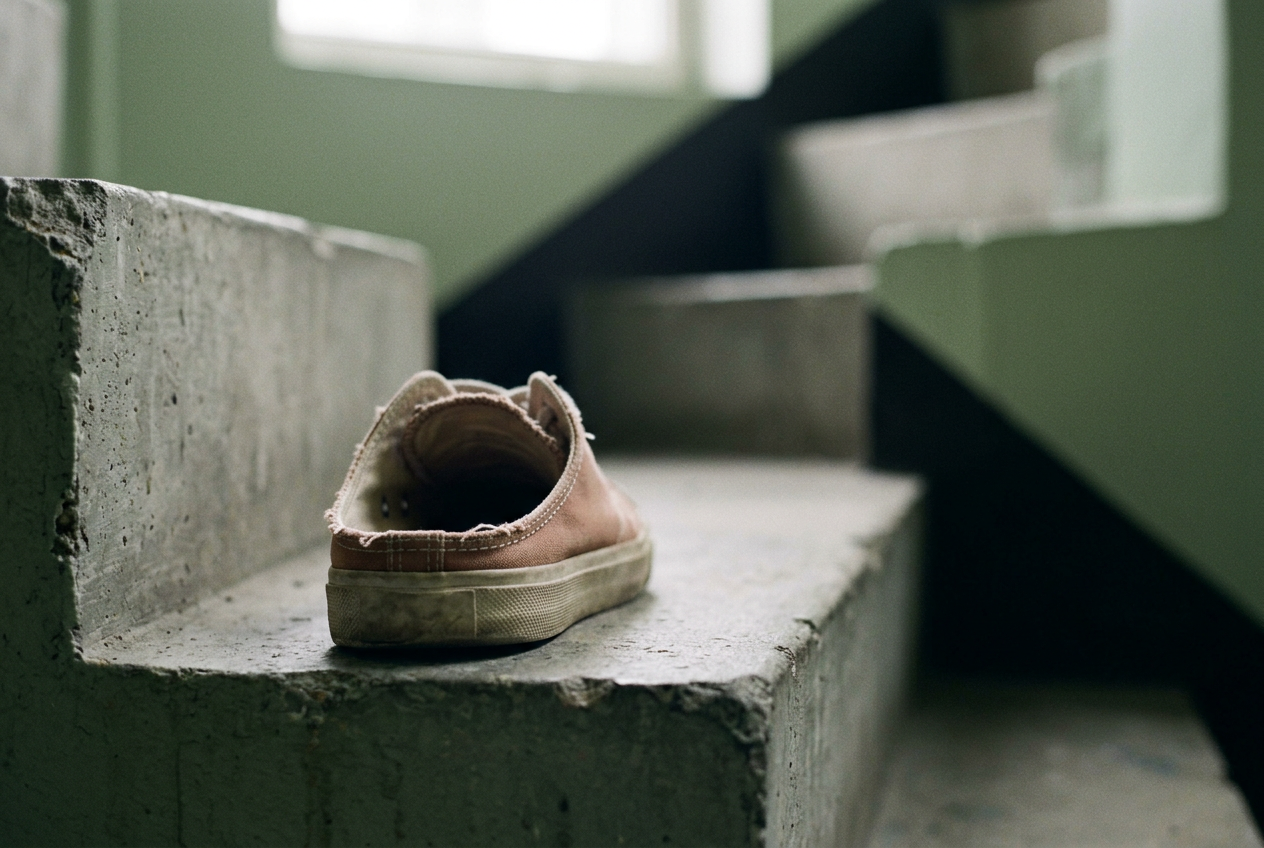
A mule sneaker can manage stairs without turning every step into toe calisthenics, but only if the collar, footbed and sole keep the foot centered.
Dez Ferraro · 8 min read
Footwear
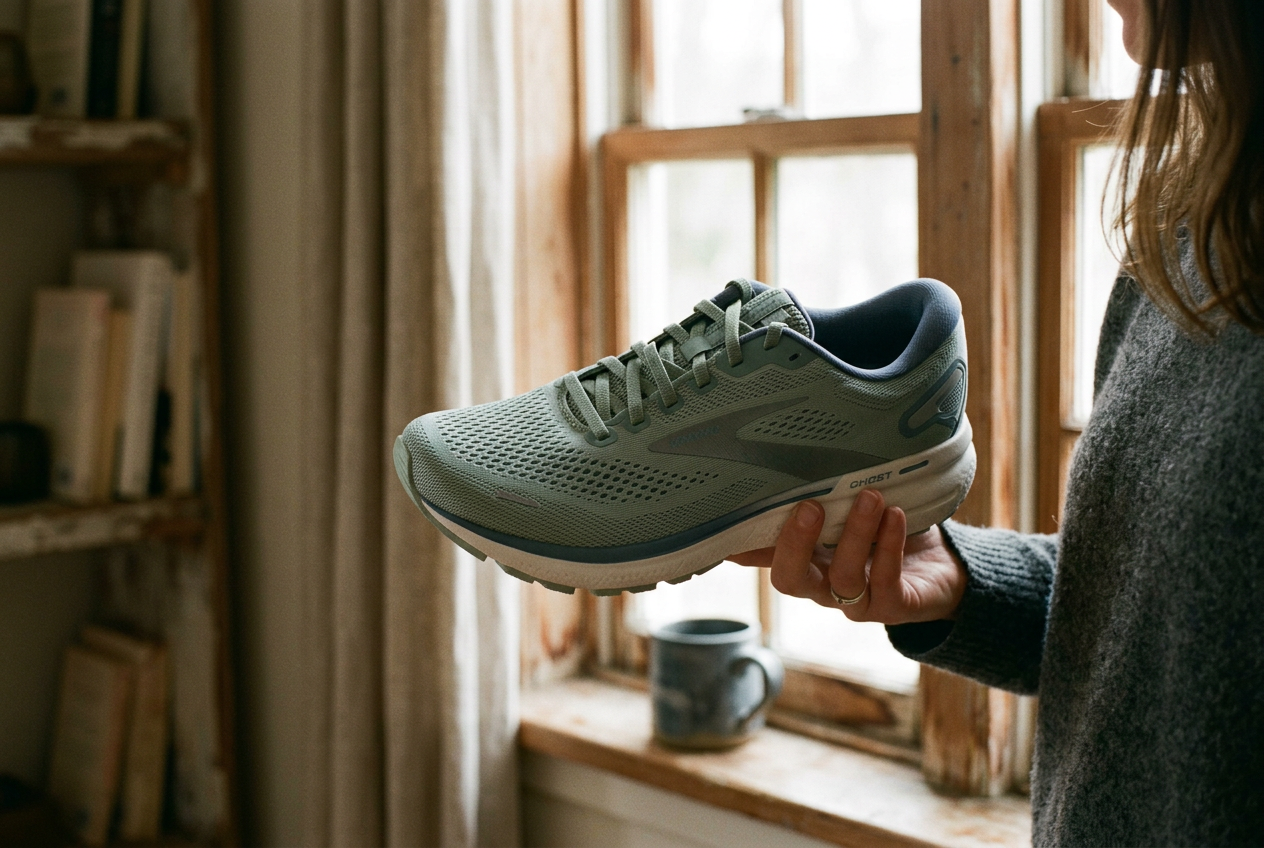
Open mesh over the toes and top of the foot matters in summer. Decorative panels, thick linings and structural overlays can make an airy-looking sneaker wear much warmer.
Dez Ferraro · 7 min read
Footwear
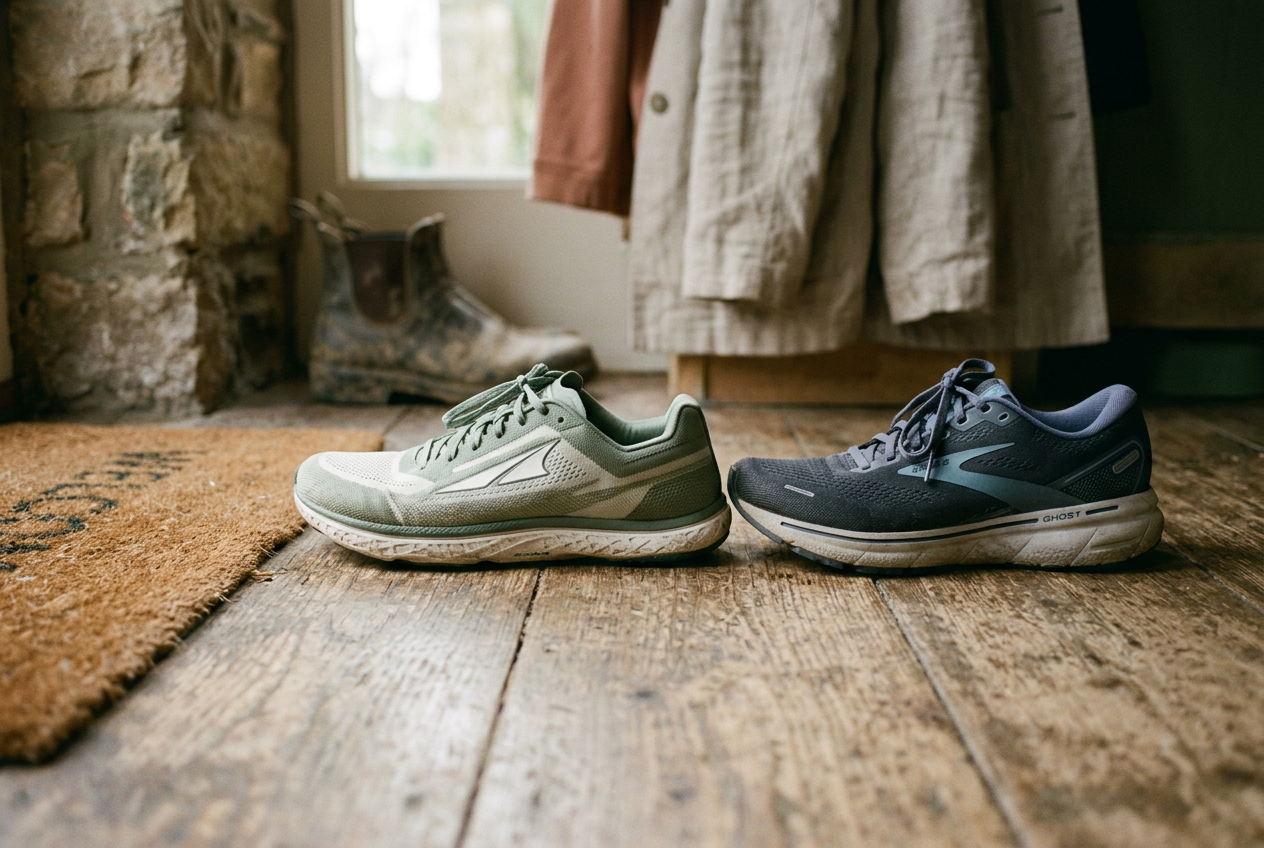
Heel-to-toe drop changes where a walking shoe asks for effort. Before switching, compare calf workload, heel hold and the mileage you expect the new pair to cover.
Dez Ferraro · 7 min read
Footwear
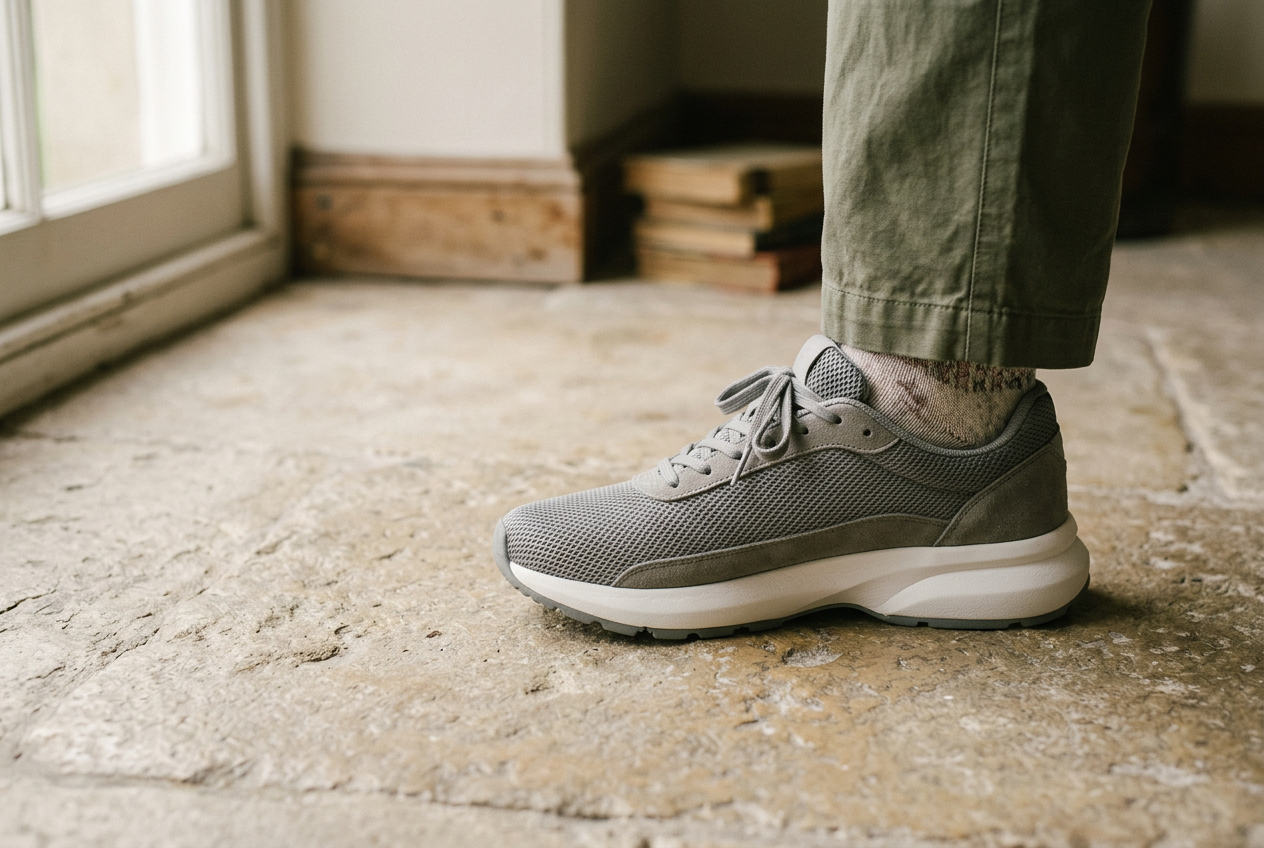
A flexible upper can disguise a platform that is too narrow for your forefoot. Check the shoe while standing, then look at reinforcement and lacing before trusting the width label.
Dez Ferraro · 7 min read
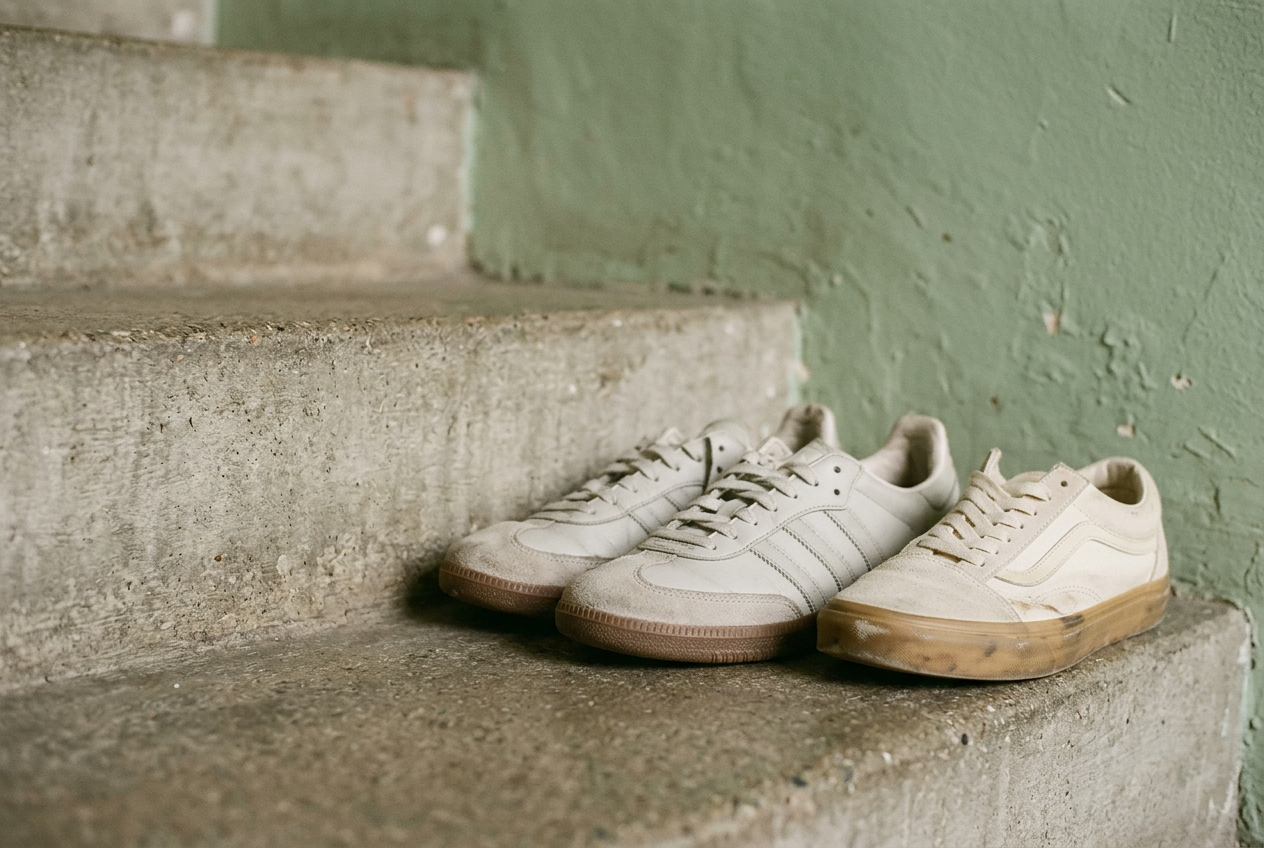
Trend Watch
White sneakers are losing ground to cream, gum and muted gray. The useful upgrade is a sole and upper combination that ages quietly rather than advertising every scuff.
Iris Mbeki · 7 min read
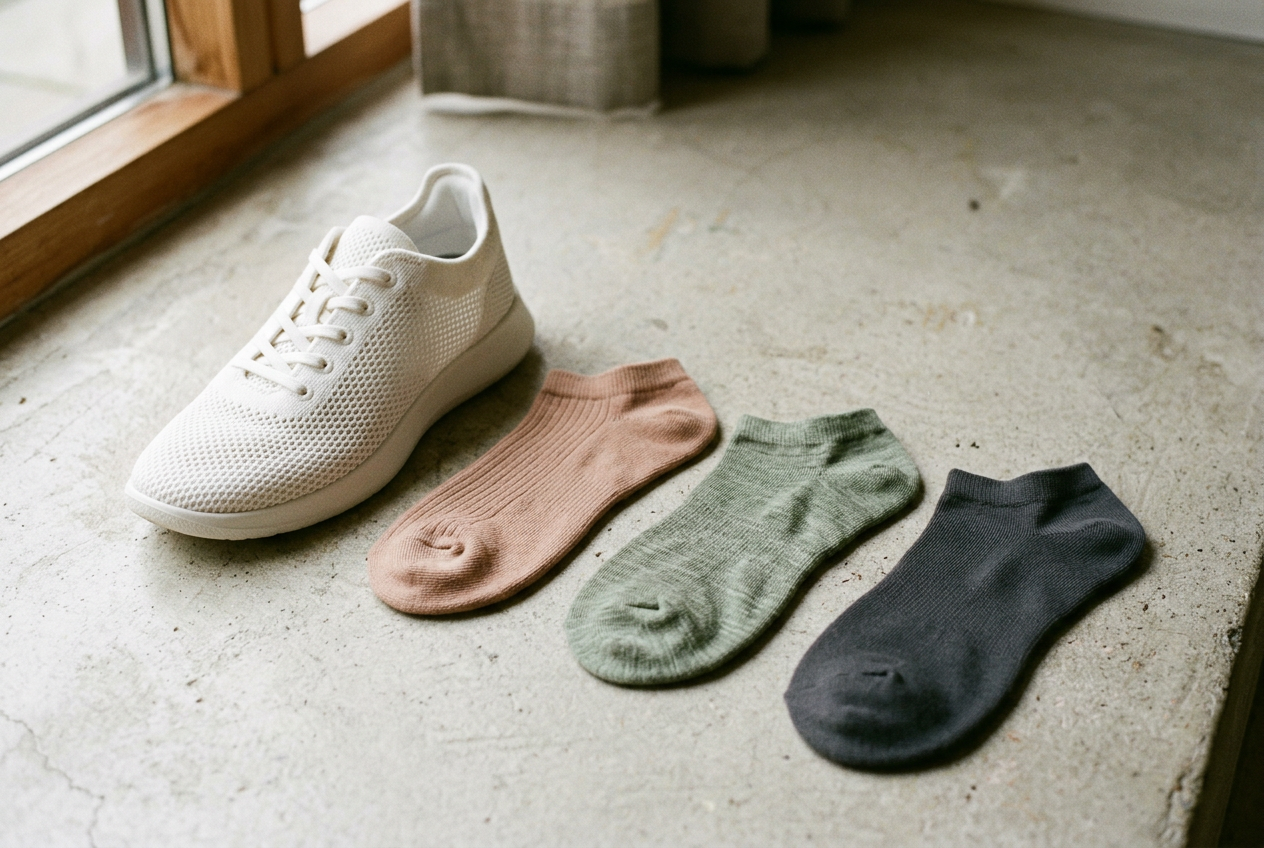
Footwear
A cotton-rich sock, a wool blend and a synthetic pair went into the same open-mesh sneakers. The best choice depends on how far you are walking and how much room the shoe has.
Dez Ferraro · 7 min read
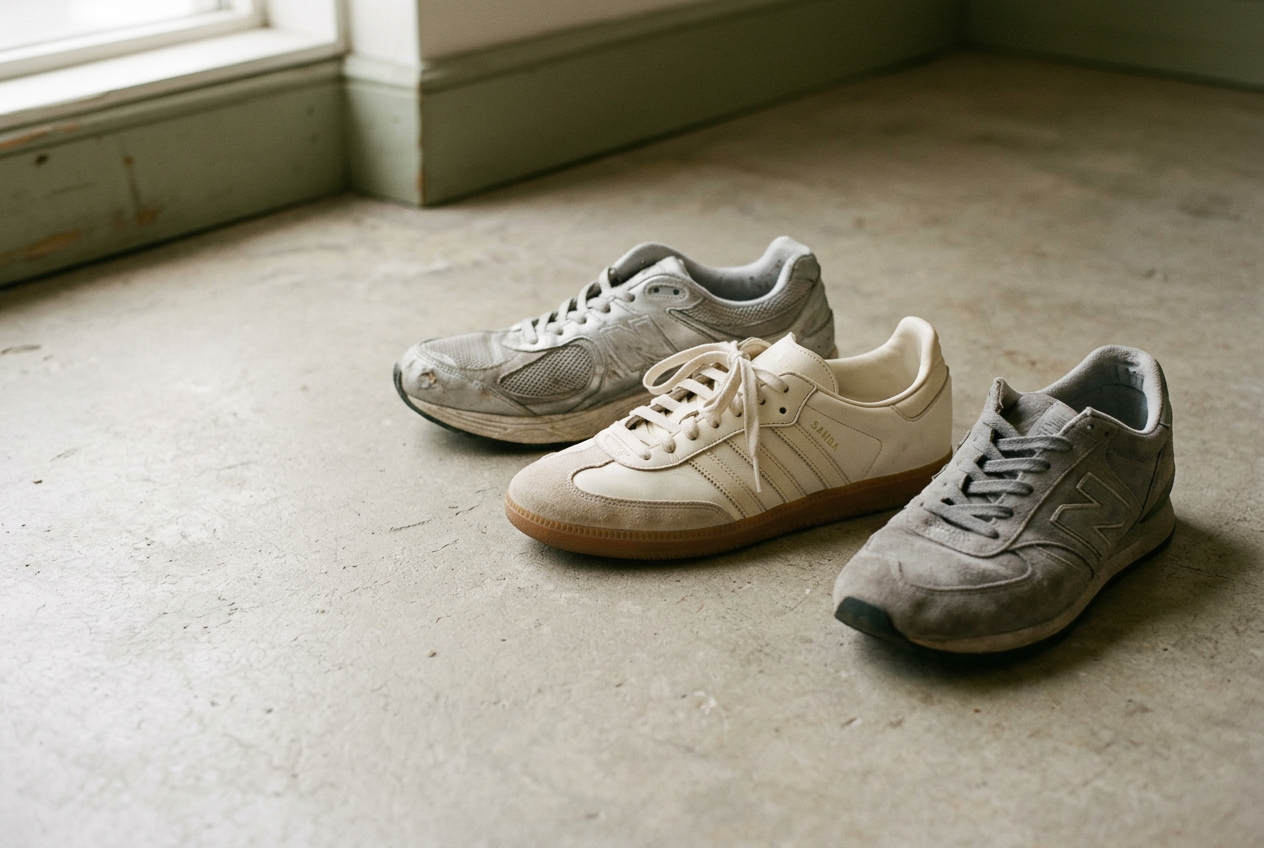
Trend Watch
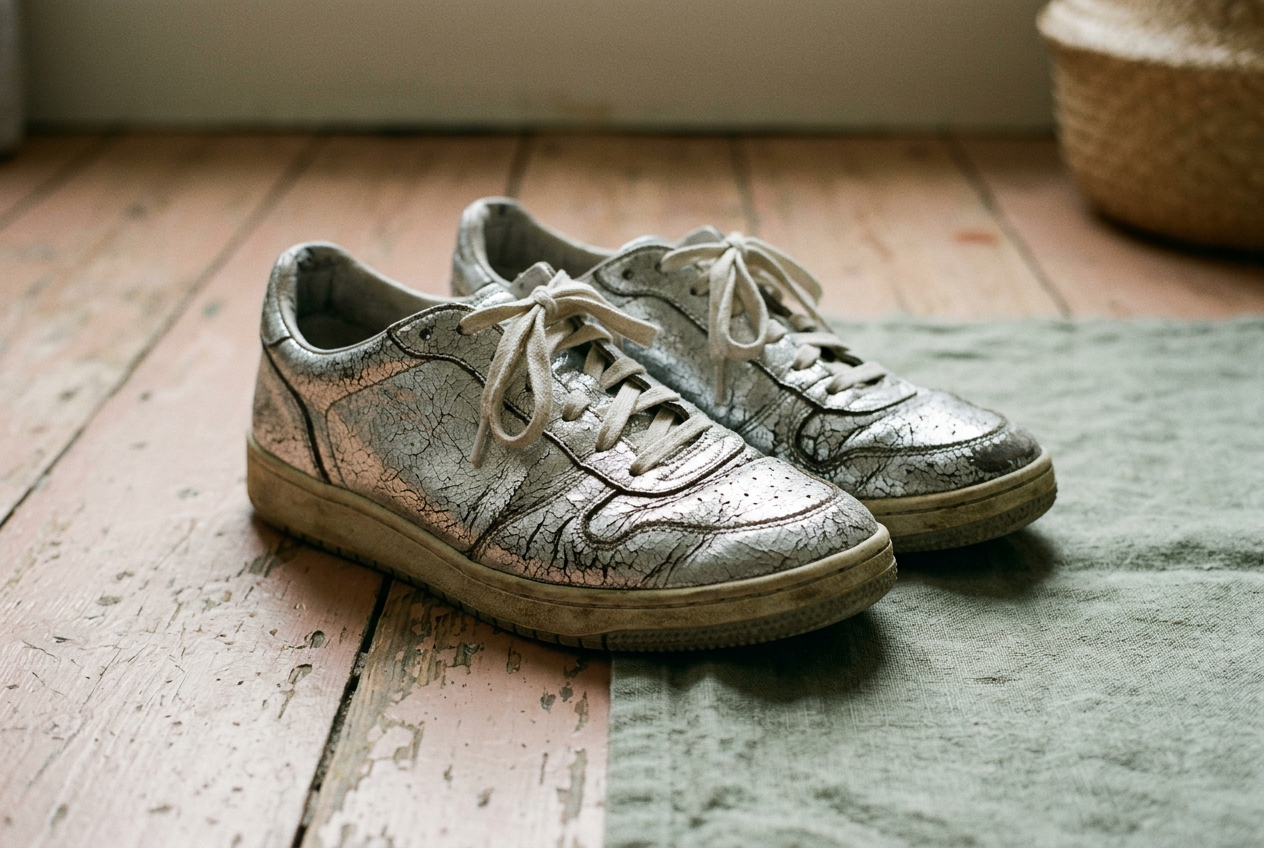
The bright-white sneaker is no longer the automatic choice. Cream and gray have wardrobe range; gum soles wear quietly, while muted metallics make a more conditional buy.
Iris Mbeki · 8 min read
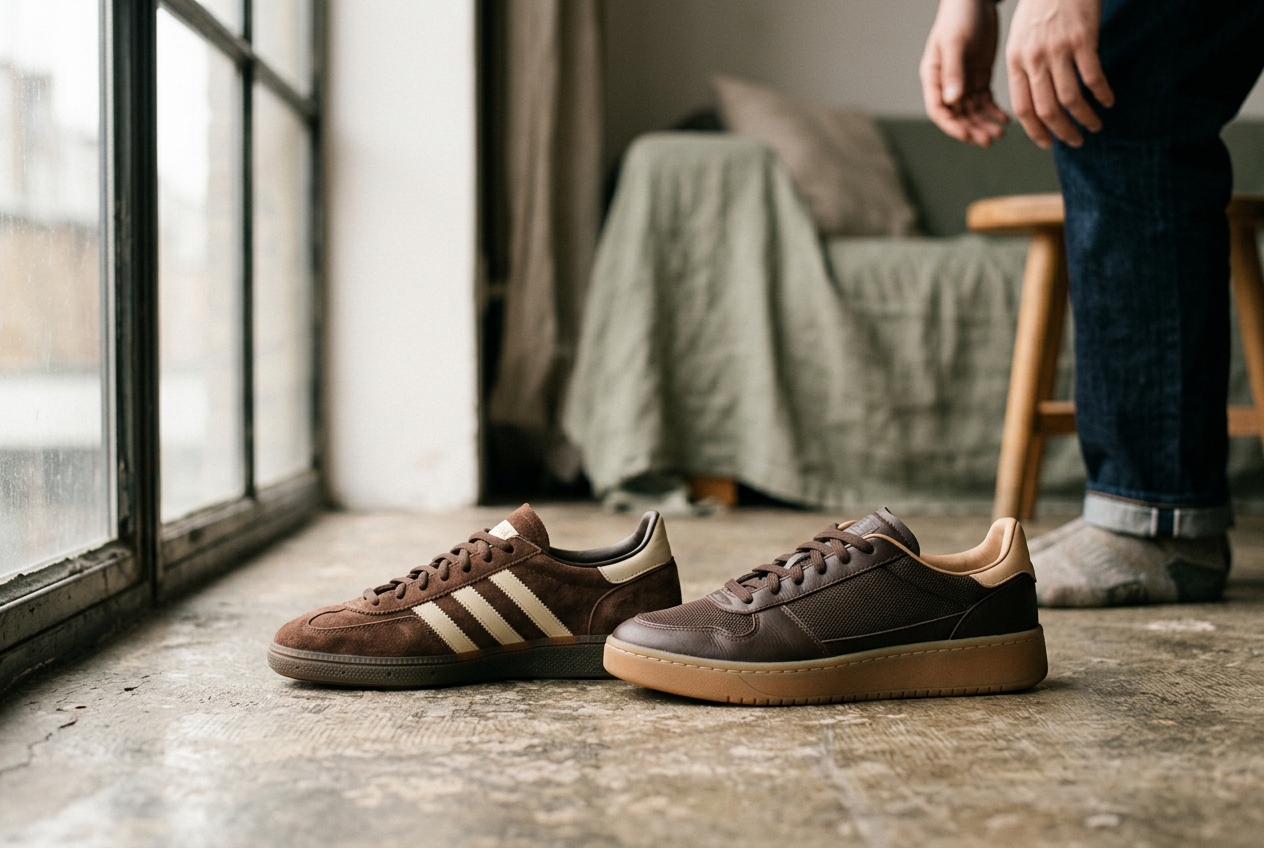
Trend Watch
Brown athletic shoes have spread from terrace-style suede into mesh runners and dark leather. The useful distinction now is which materials survive a change of season.
Iris Mbeki · 7 min read
Footwear
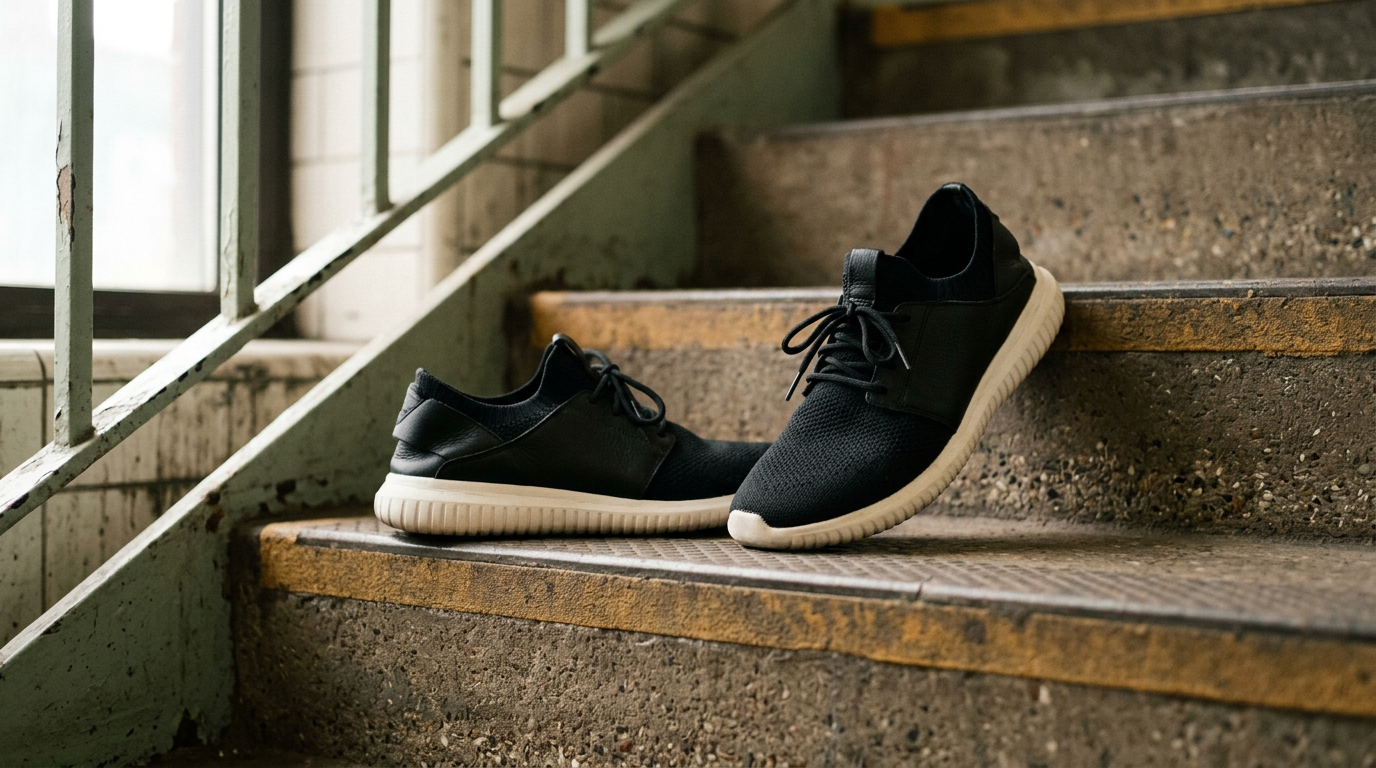
A collapsible heel managed a mile-long commute with minor adjustments. A true sneaker mule made every stair feel like a small negotiation.
Dez Ferraro · 7 min read
Footwear
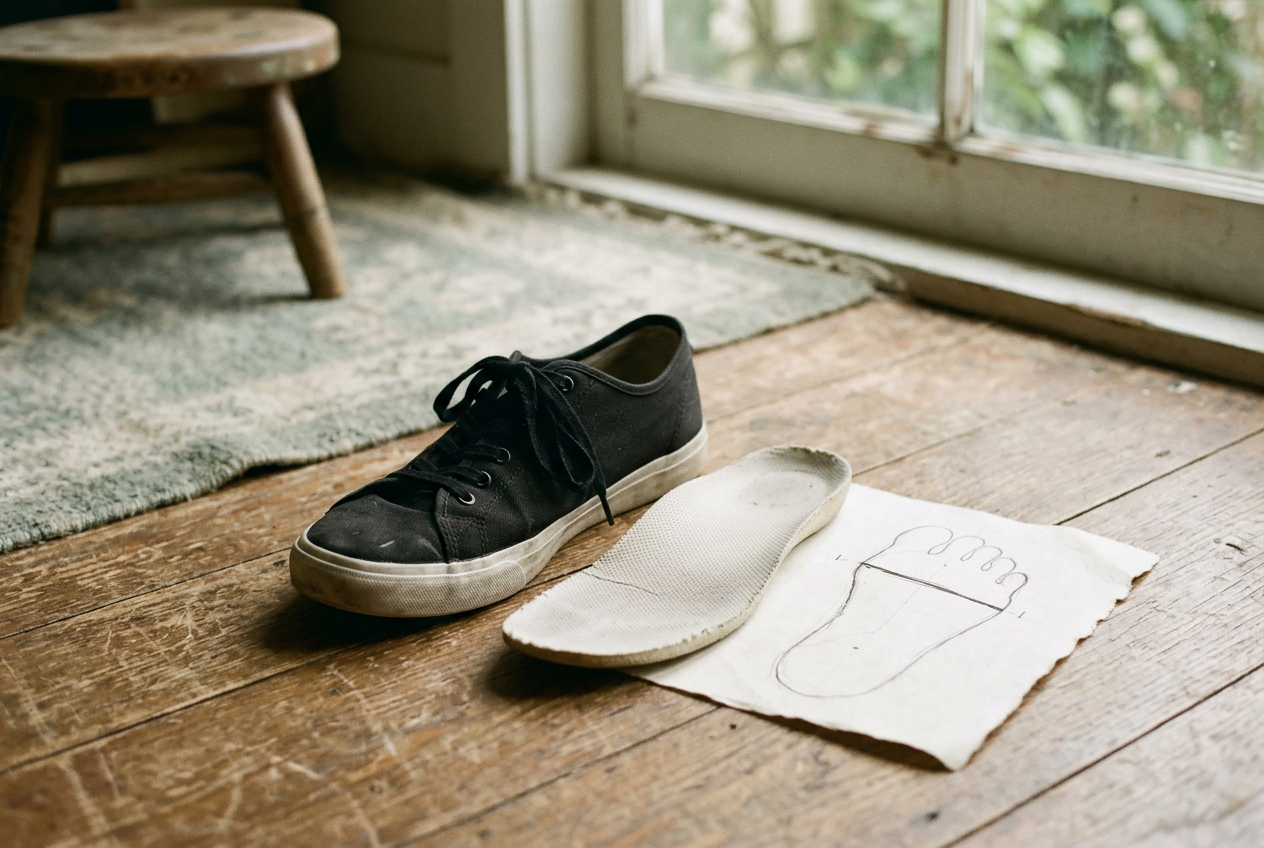
A sneaker can leave enough room at the toes yet pinch at every step. Check whether the ball of your foot meets the shoe’s intended flex point before changing sizes.
Dez Ferraro · 7 min read
Footwear
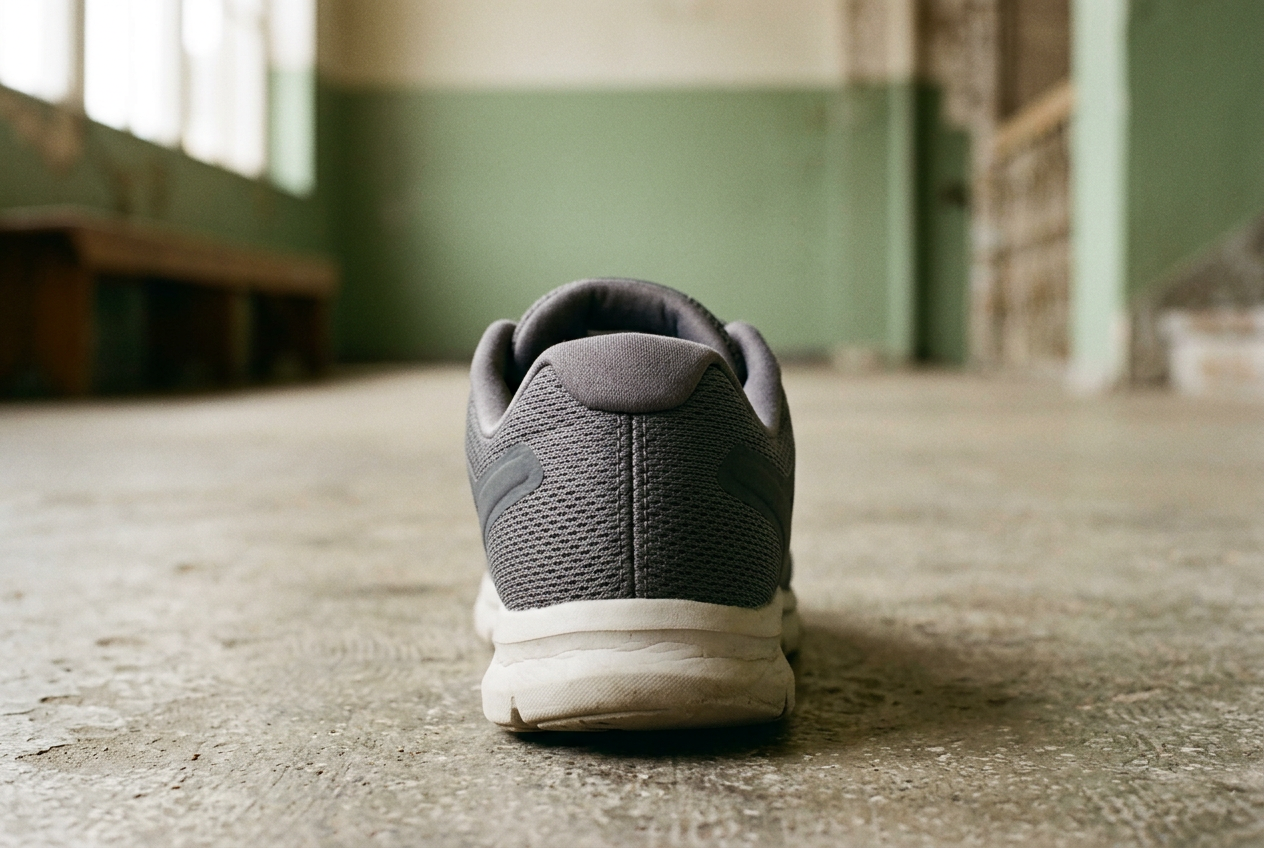
A heel counter should hold the rearfoot without digging into it. Use this indoor try-on to separate useful structure from an expensive source of Band-Aid consumption.
Dez Ferraro · 8 min read
Trend Watch
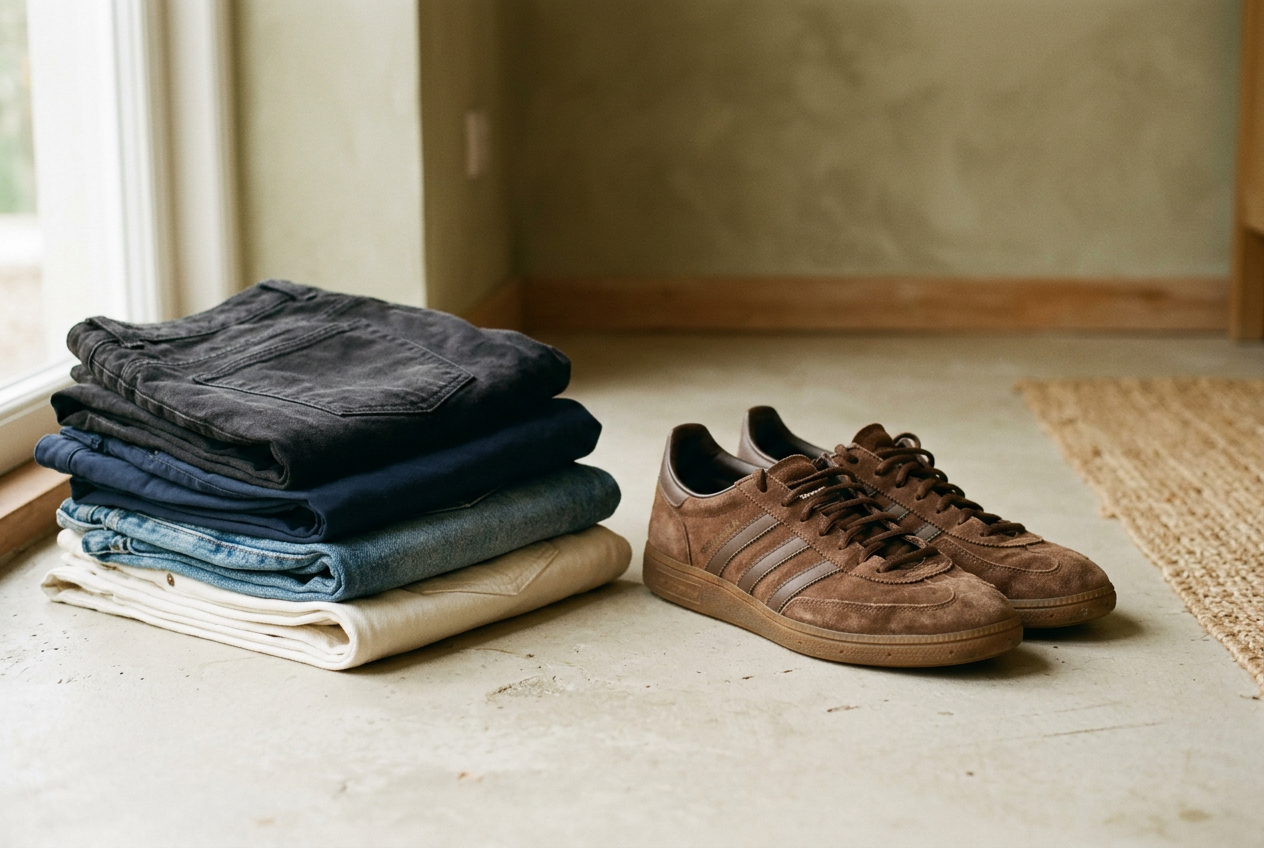
Deep brown has moved into core sneaker shapes, but color alone does not make a lasting neutral. The useful pair must handle black, navy, faded denim, and warm white.
Iris Mbeki · 8 min read
Style Notes
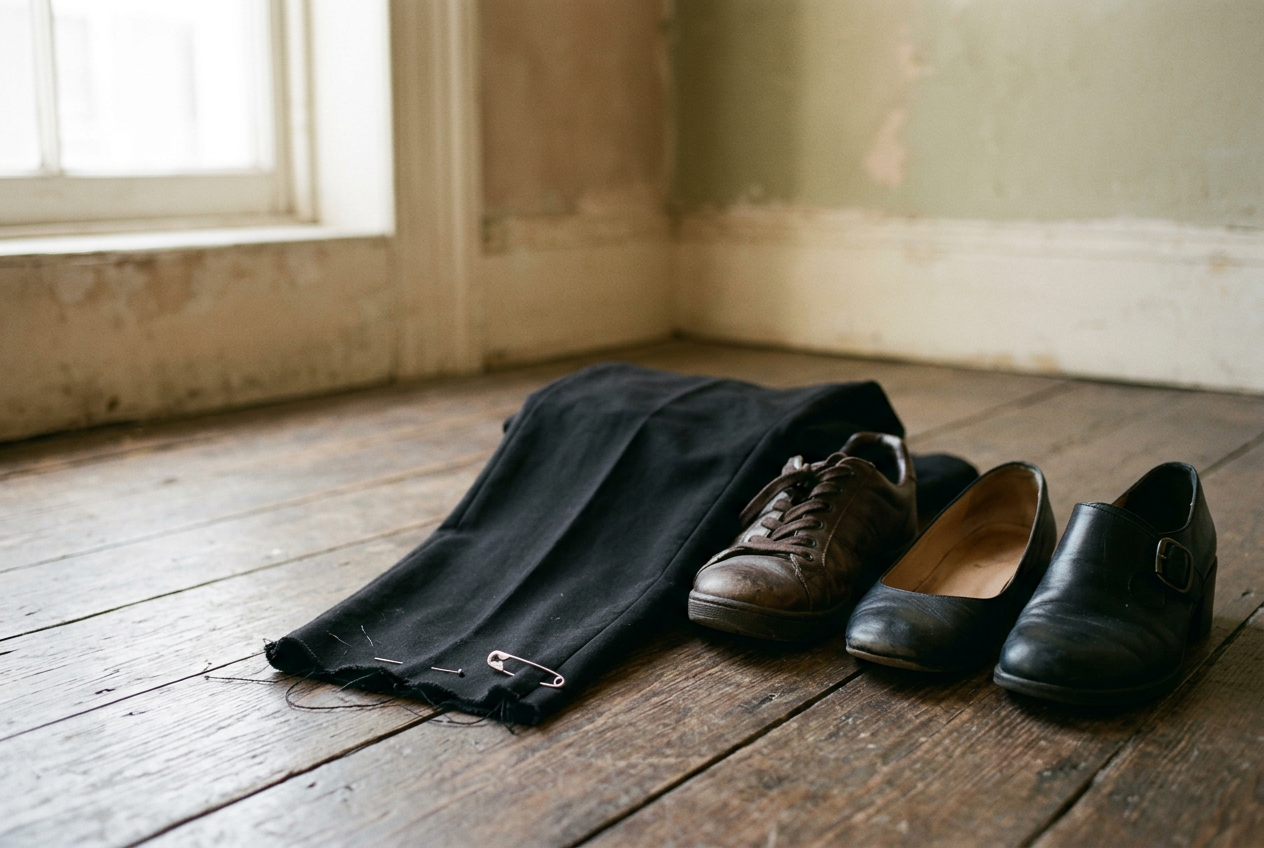
Sneakers, flats, and low heels lift and catch fabric differently. Use the leg opening, front break, and floor clearance to find a workable hem or justify a second pair.
June Park · 8 min read
Trend Watch
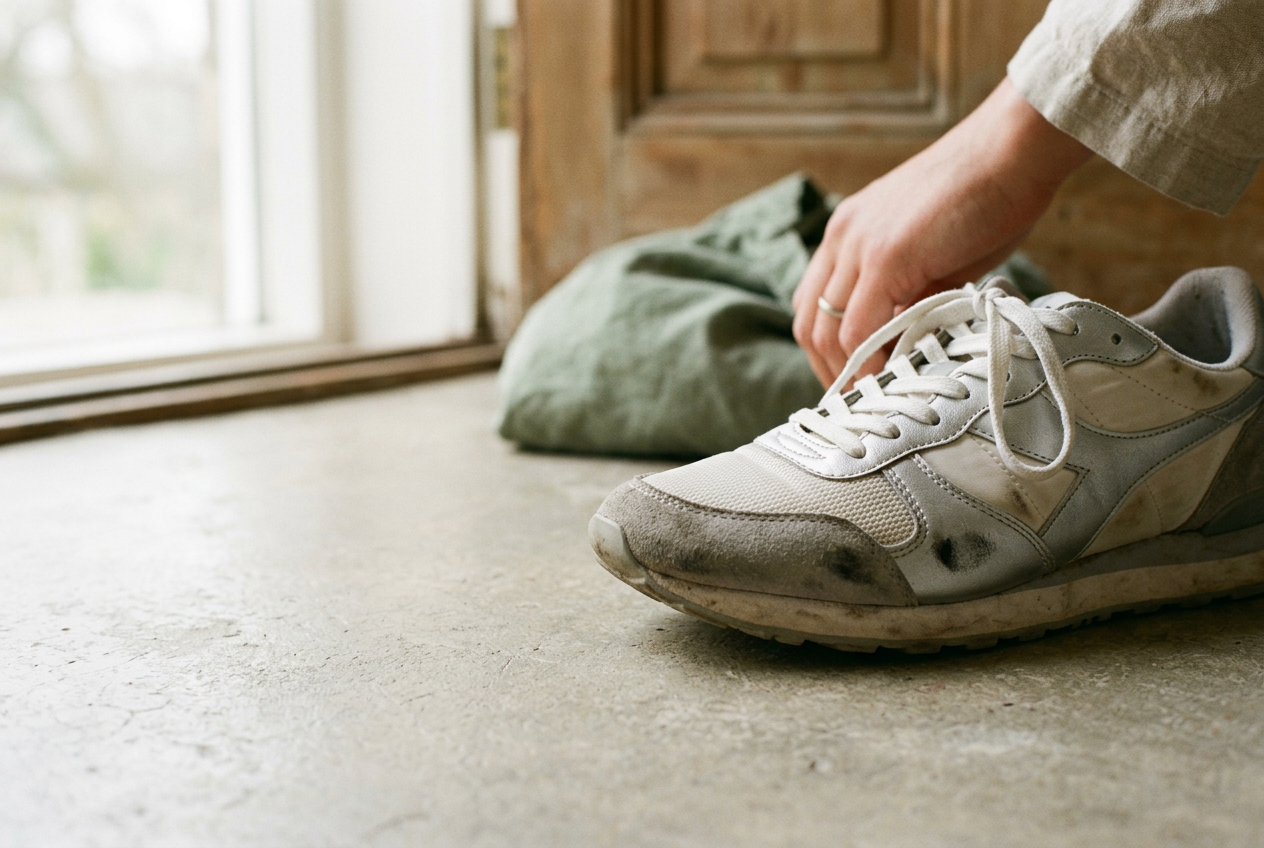
Silver panels and bright nylon are replacing the quiet suede runner. The fresher finish can breathe better, but its flex points and cleaning routine deserve attention.
Iris Mbeki · 8 min read
Footwear
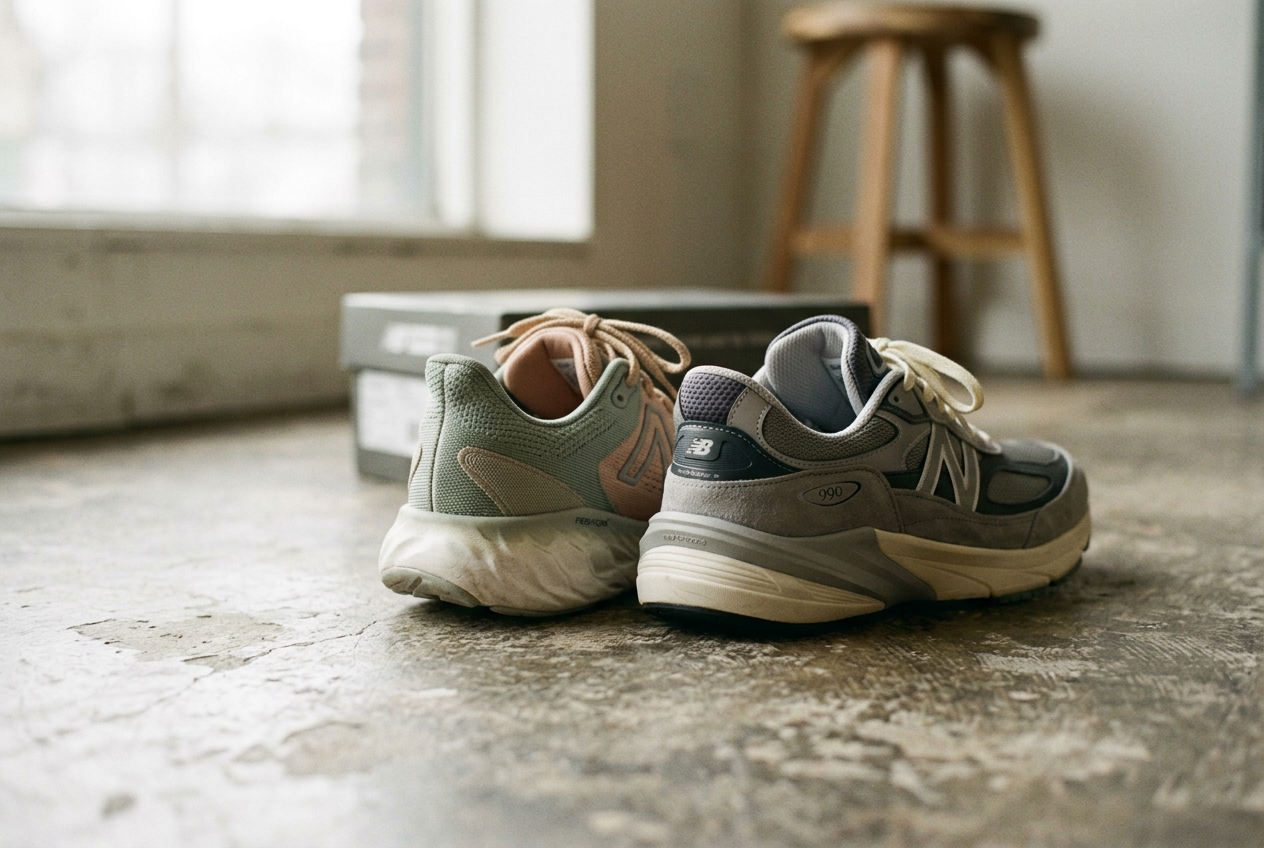
Plush foam feels persuasive in five steps. Over hours of slow walking and standing, a firmer, broader midsole may demand less work from your feet.
Dez Ferraro · 7 min read
Footwear
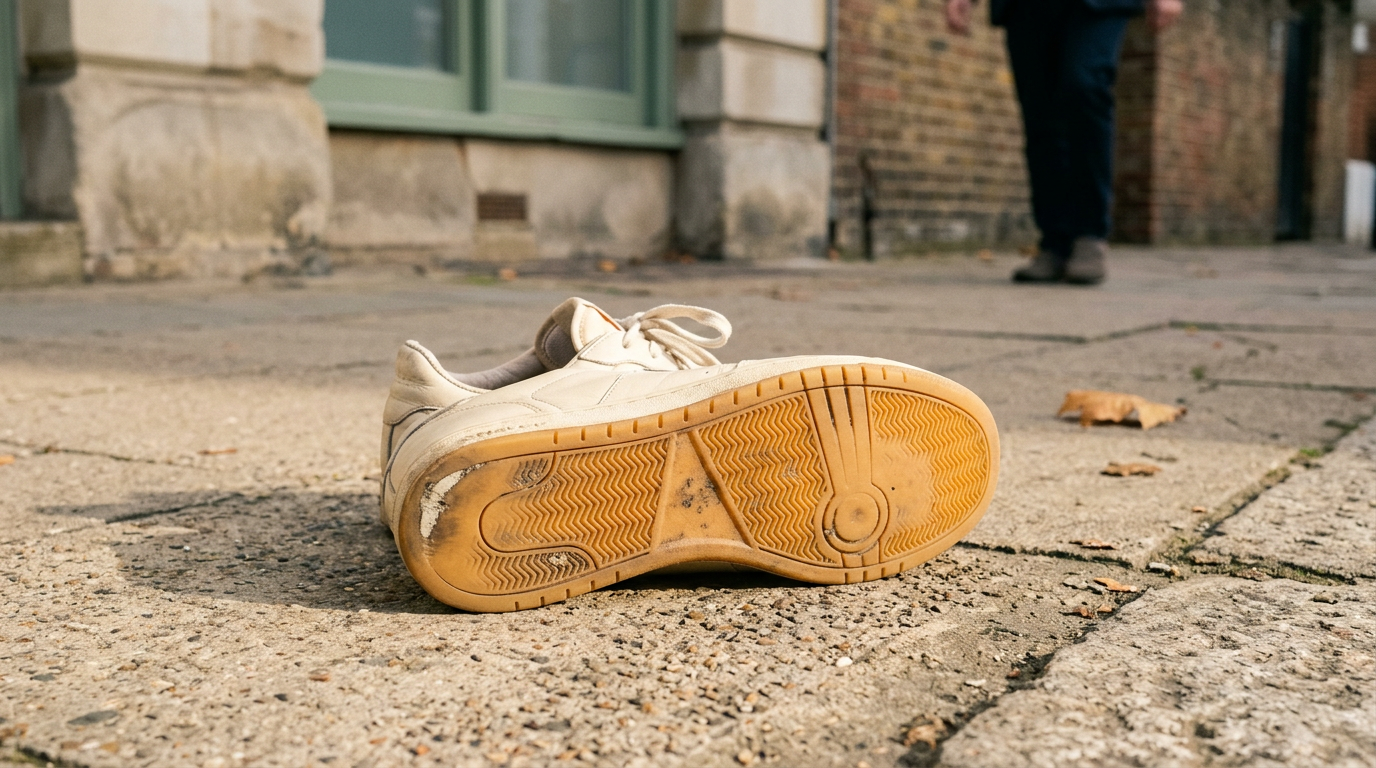
Gum rubber, blown rubber and exposed foam respond differently to hot sidewalks. The right choice depends on whether you value grip, low weight or a sole that survives daily mileage.
Dez Ferraro · 8 min read
Footwear
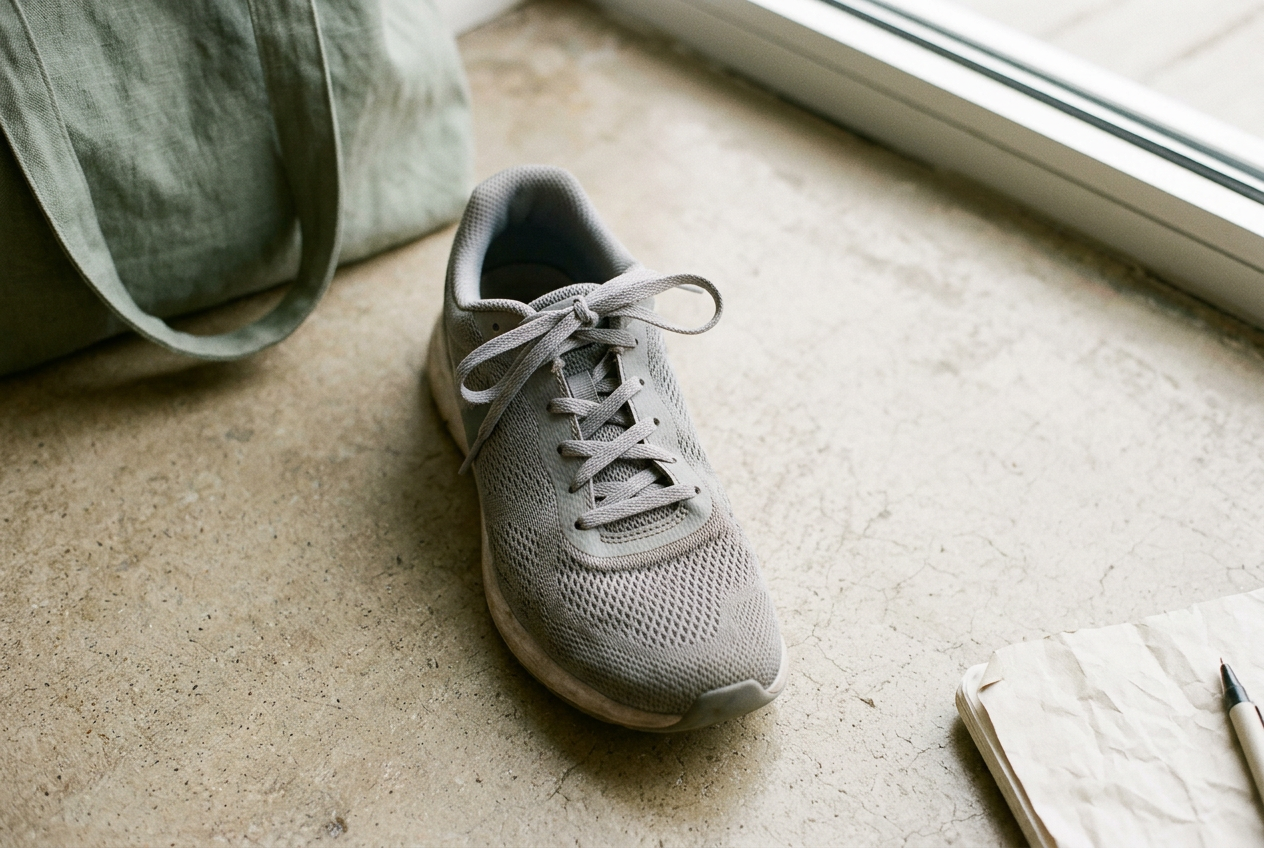
A runner’s loop can secure a lifting heel while leaving the instep rows relaxed. Skipped eyelets, tongue padding, and another size each solve different fit problems.
Dez Ferraro · 8 min read
Trend Watch
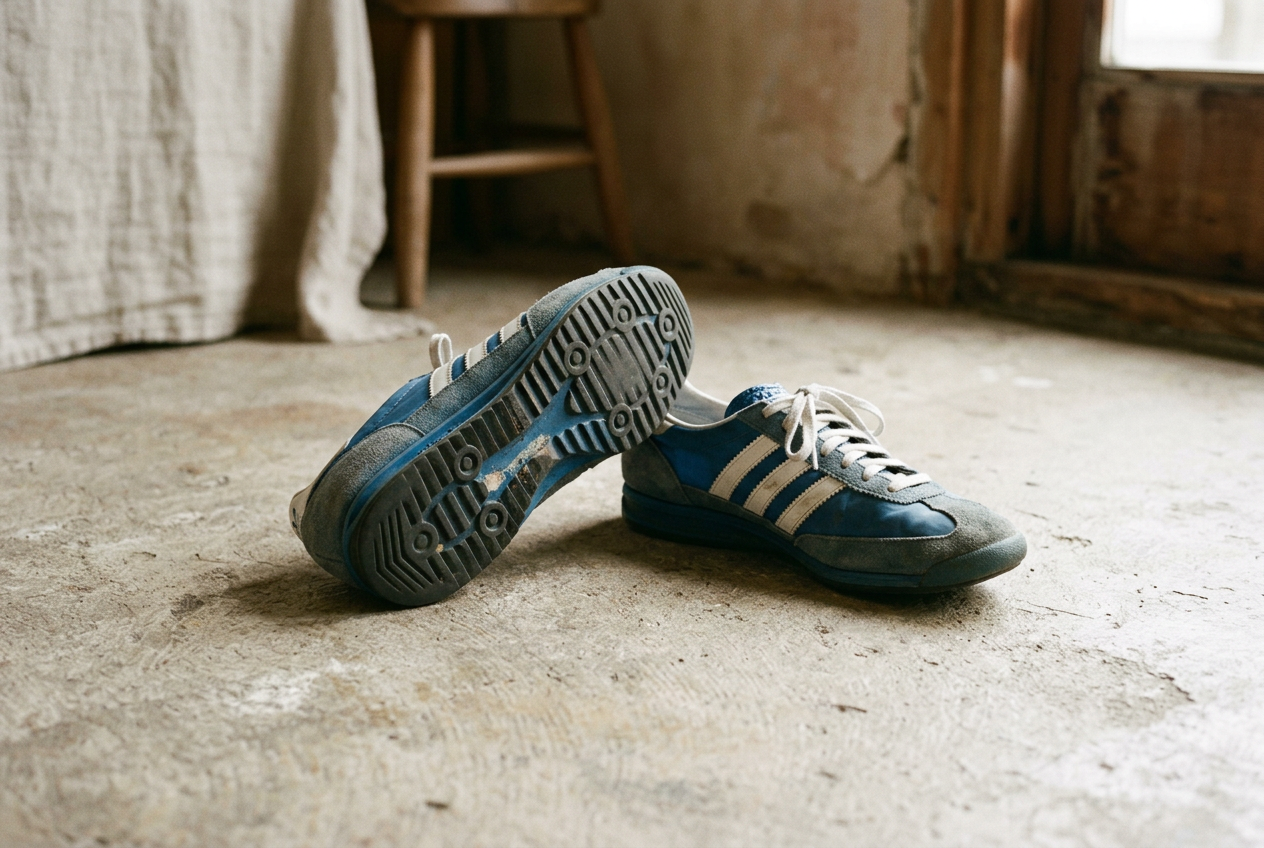
The Adidas SL 72 RS shows the shift: a narrow retro upper set over more foam. The extra sole helps, but it does not automatically fix a tapered forefoot.
Iris Mbeki · 7 min read
Footwear
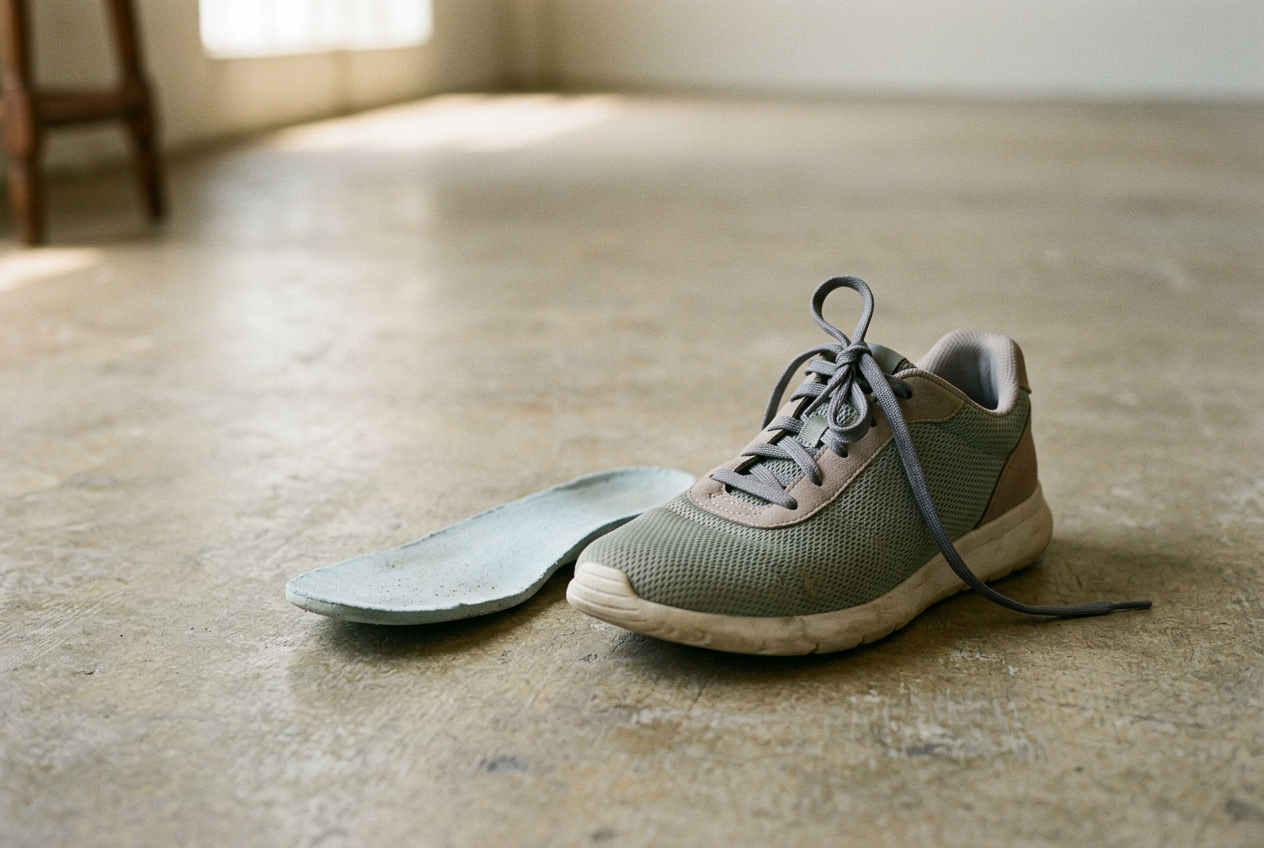
Heel lift does not always mean your sneakers are too big. Run this five-minute fit test before exchanging them or accepting a blister as part of the outfit.
Dez Ferraro · 8 min read
Trend Watch
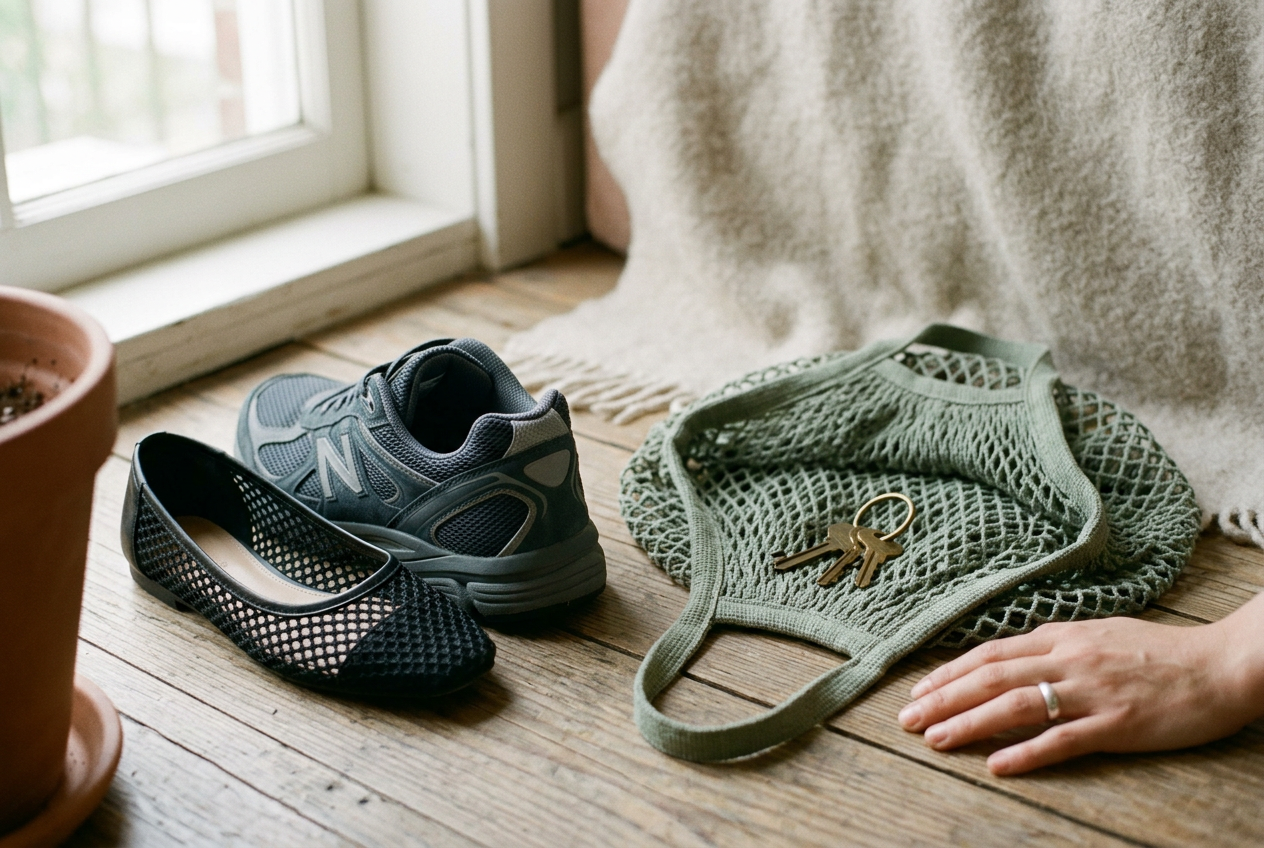
Open mesh feels useful on a ventilated sneaker, less convincing across an unprotected toe, and risky on a bag carrying keys. The supporting structure decides whether it lasts.
Iris Mbeki · 7 min read
Footwear
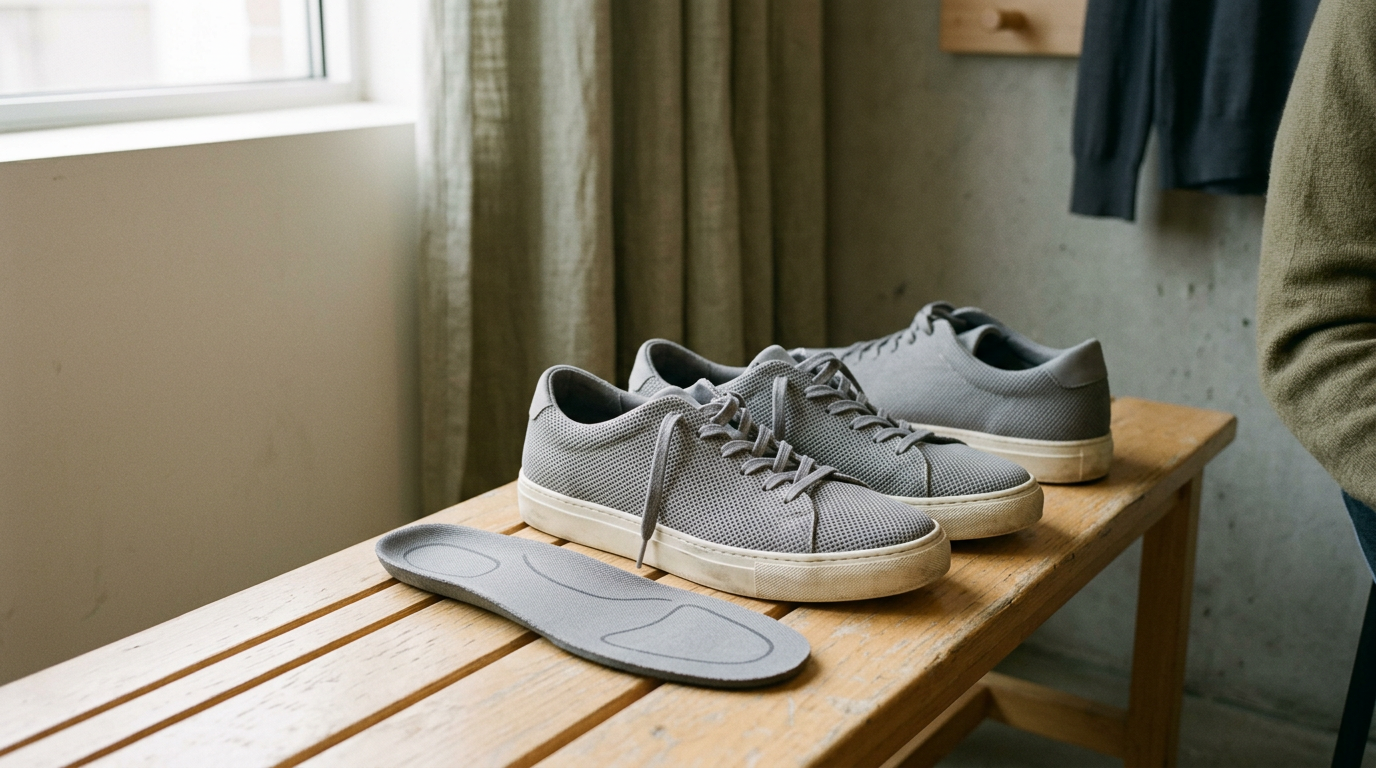
Extra length and extra width do not create the same space. This fitting-room check shows whether your squeezed forefoot needs a wide sneaker, a longer one or a different shape.
Dez Ferraro · 8 min read
Footwear
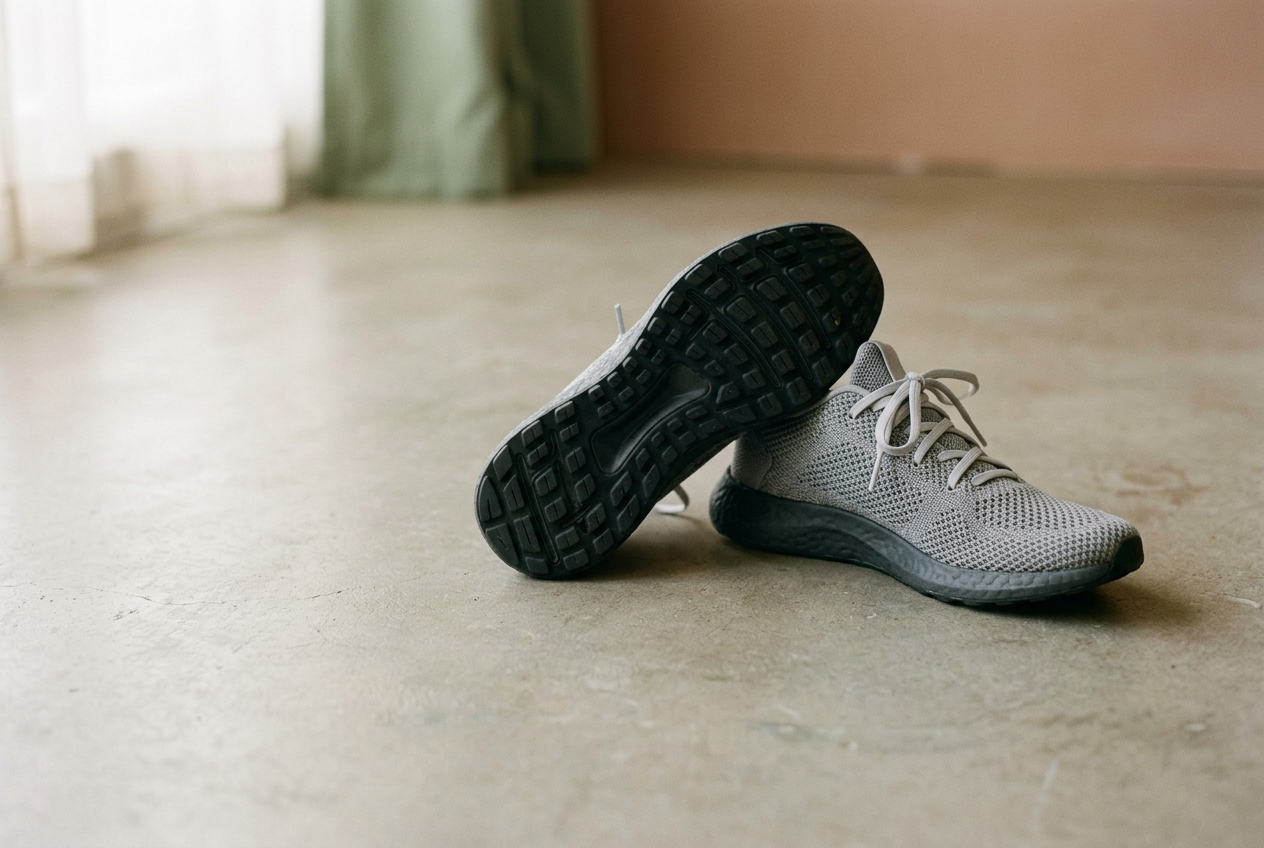
Tall, plush foam wins the first impression, but prolonged standing exposes a narrow sole and loose heel. This store-floor test finds support before your shift does.
Dez Ferraro · 7 min read
Footwear
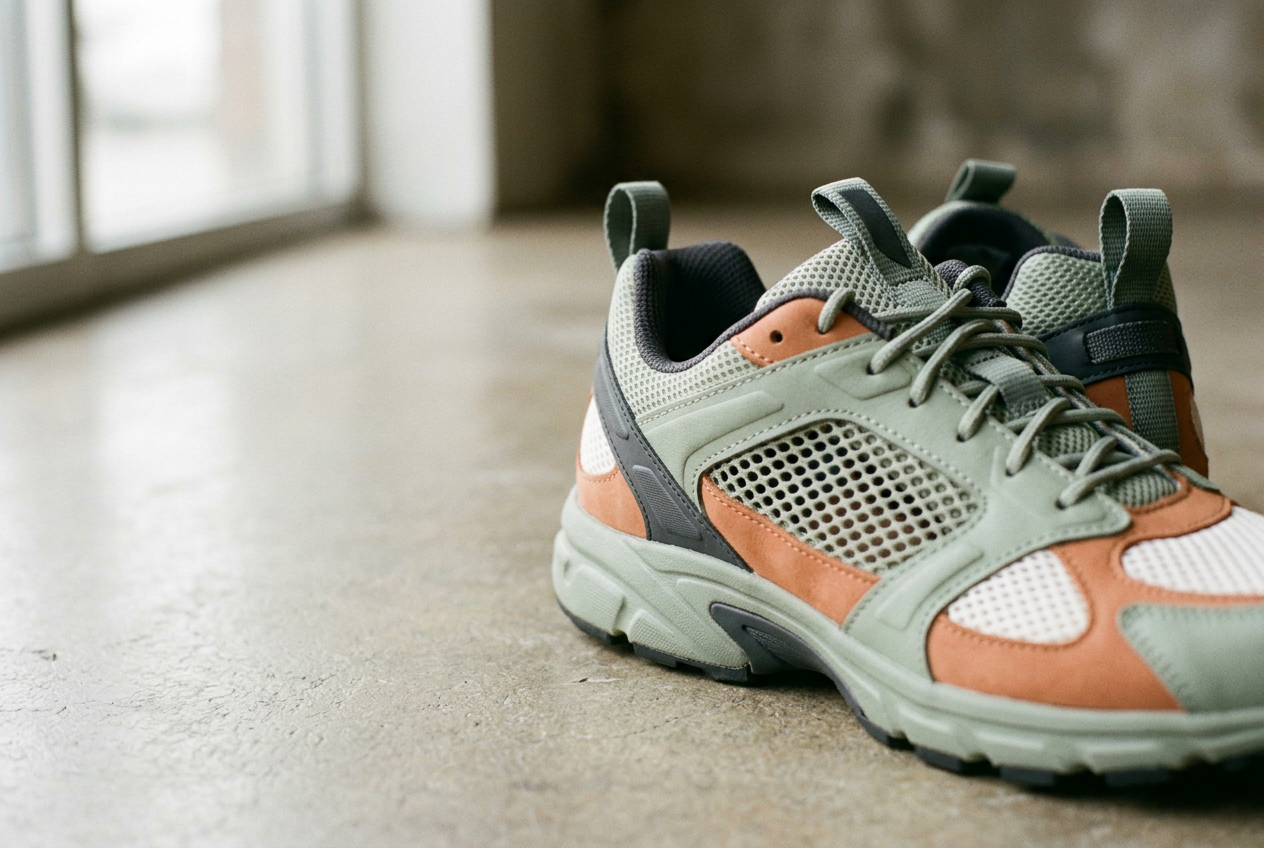
Window lacing relieves pressure over a high instep, while a heel lock holds the rearfoot. Here is how to combine them, and when the shoe is simply too shallow.
Dez Ferraro · 8 min read
Footwear
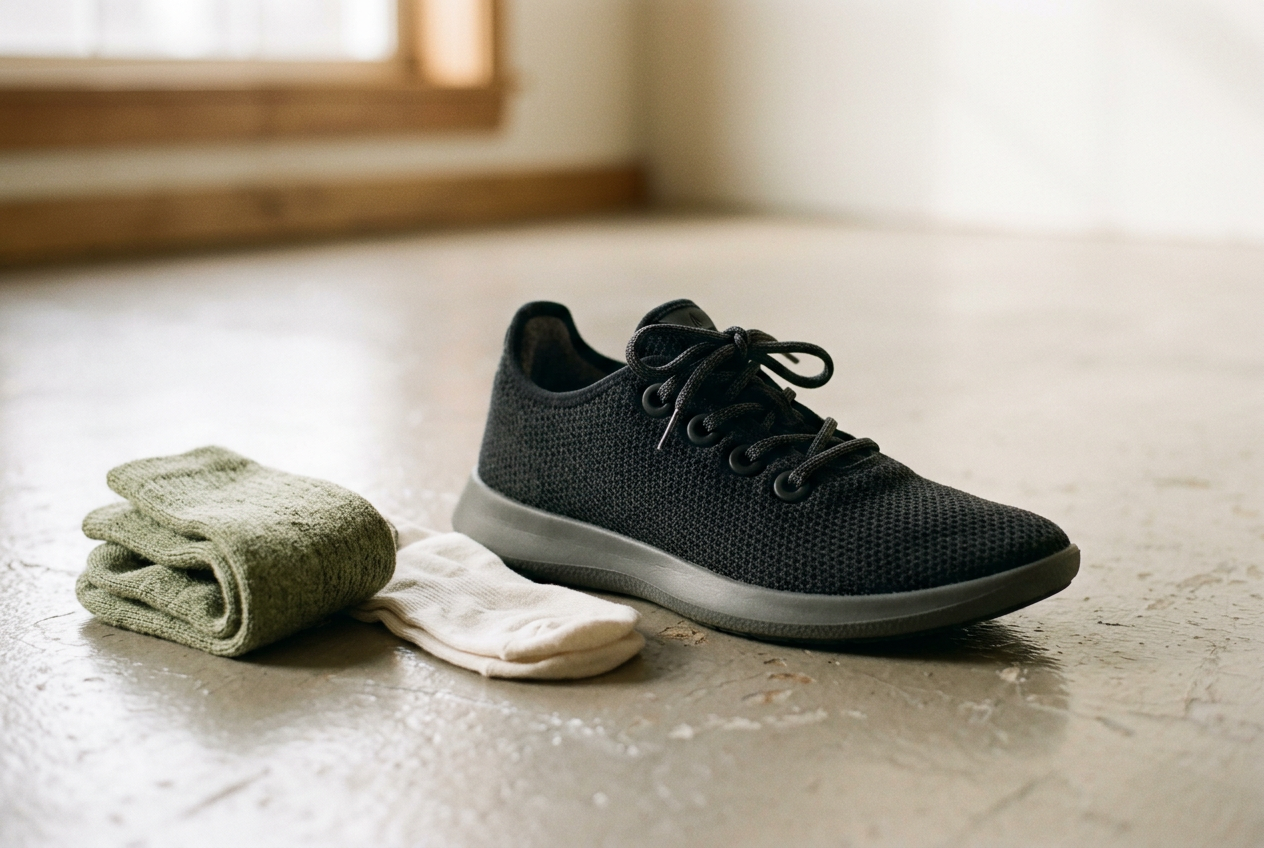
Heel lift does not always mean a sneaker is too long. A five-minute lacing and sock test can show whether the fix is adjustable or the shoe was built on the wrong shape for your foot.
Dez Ferraro · 7 min read
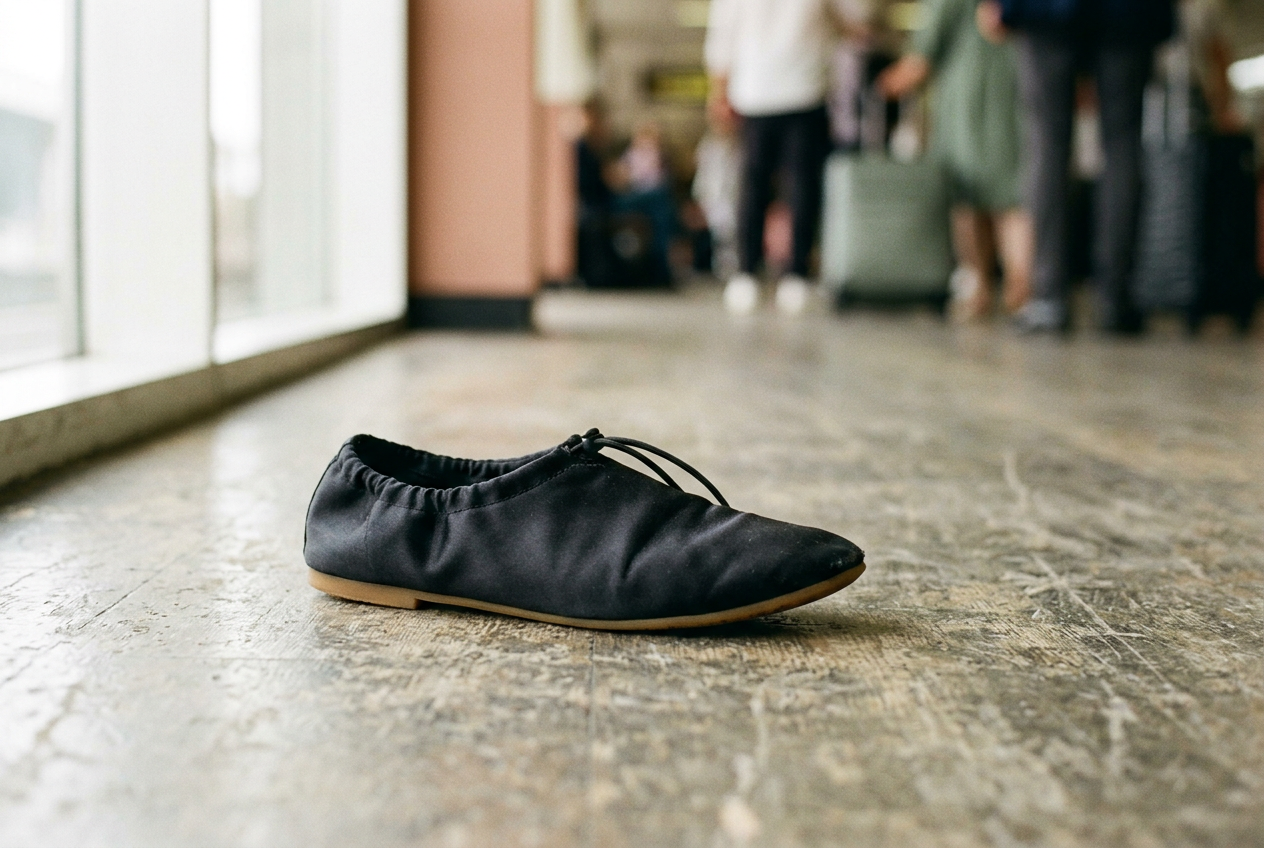
Trend Watch
The ballet-trainer hybrid has moved from novelty to a recognizable shoe shape. A week in a satin pair shows why heel hold matters more than softness.
Iris Mbeki · 8 min read
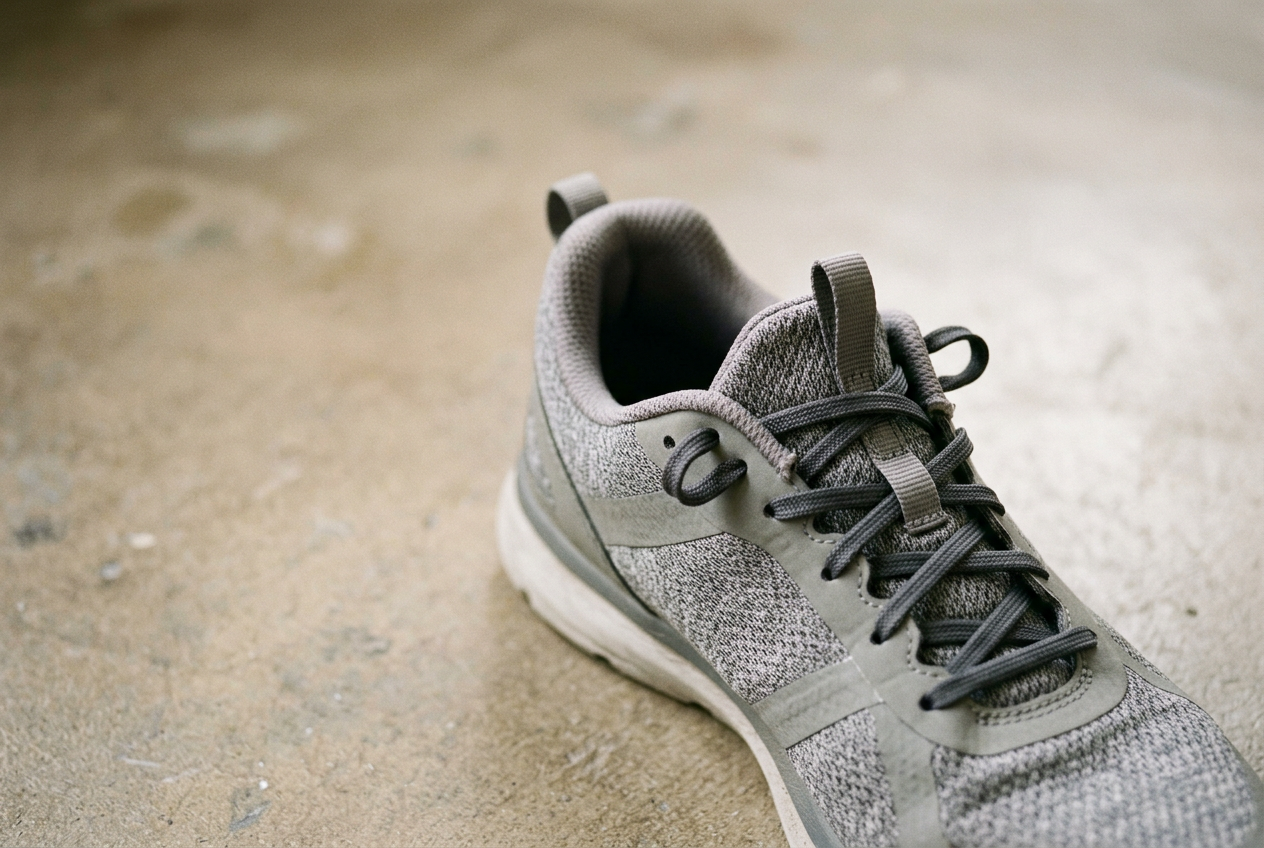
Footwear
Heel-lock lacing works when a sneaker has spare room around the ankle. It does very little for excess length, except make the wrong shoe harder to remove.
Dez Ferraro · 7 min read
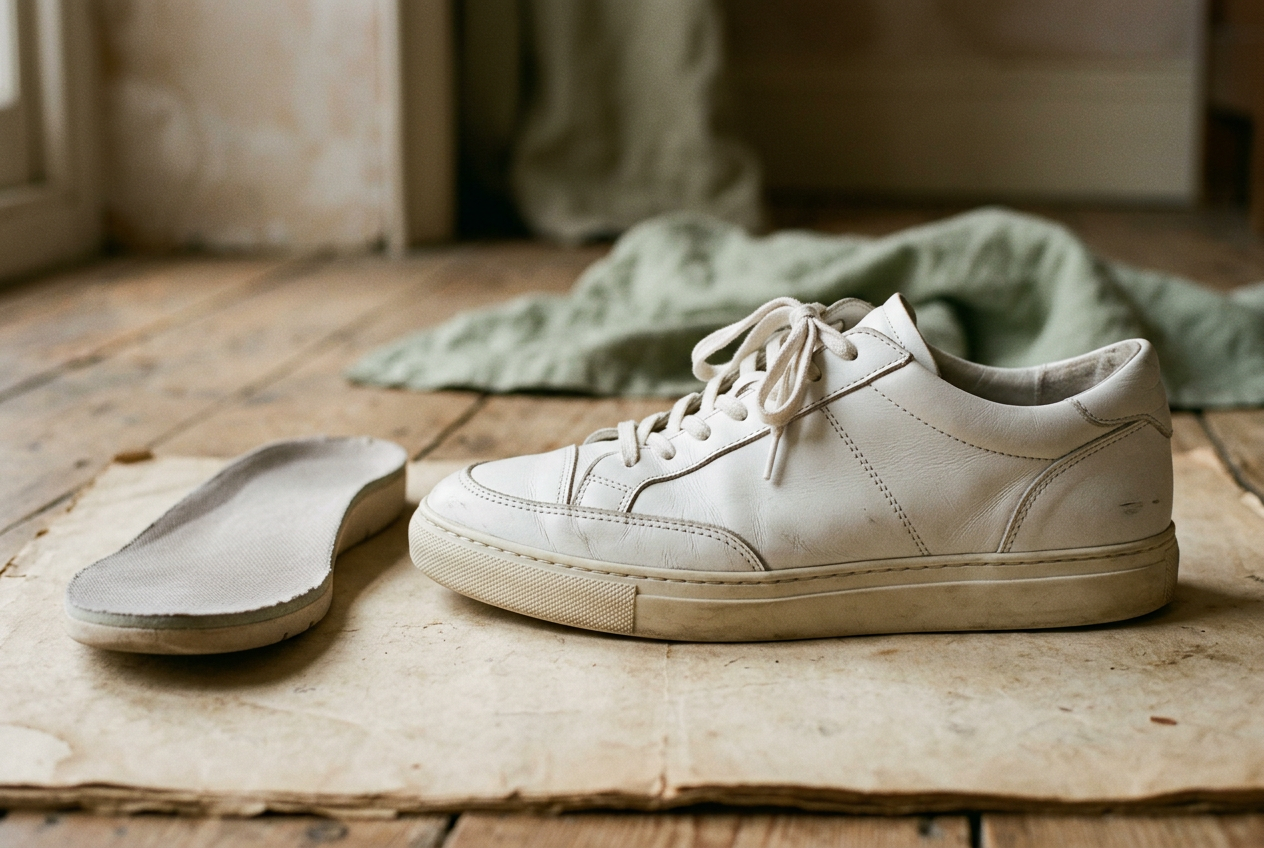
Footwear
Width charts ignore the space above your toes. Here is how to spot a shallow sneaker, test nail clearance, and avoid sizing up into heel slip.
Dez Ferraro · 7 min read
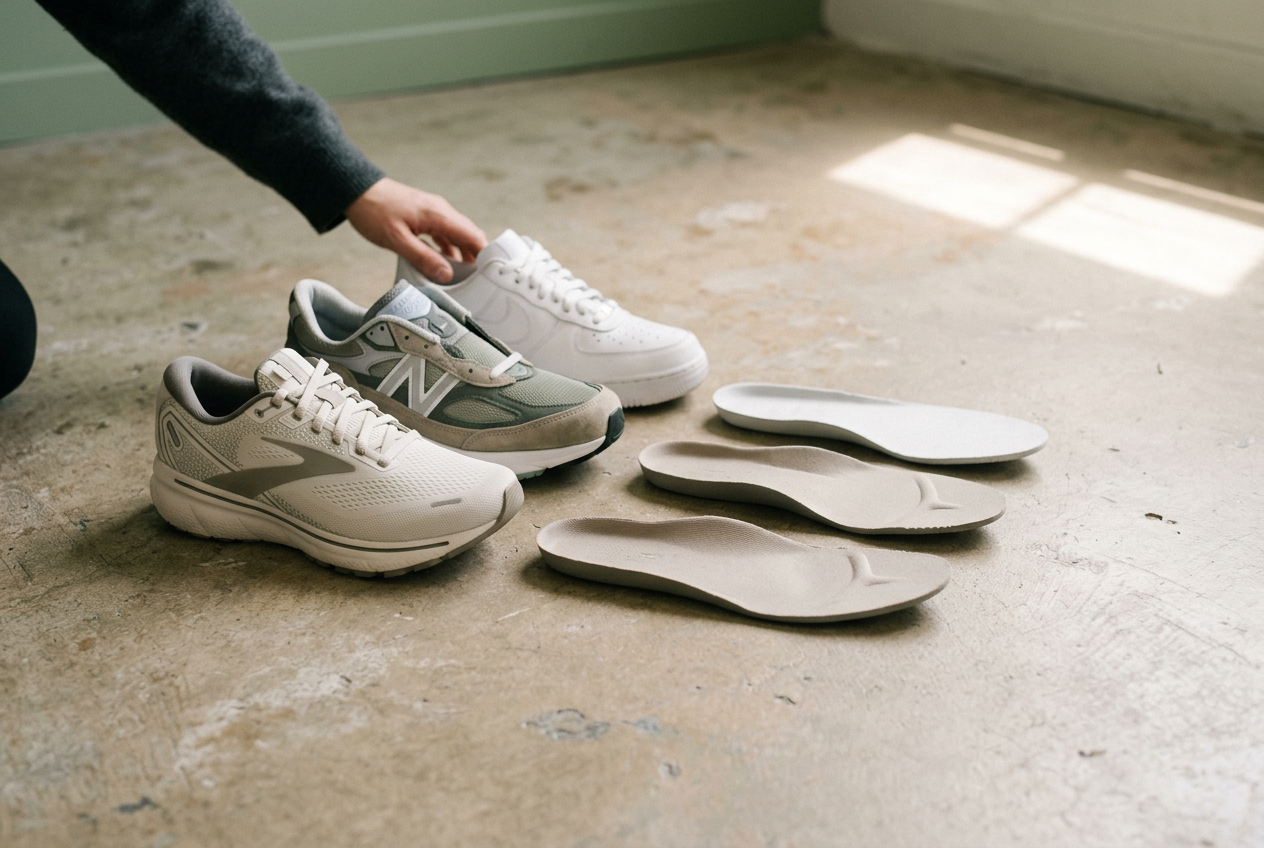
Footwear
Width labels describe a size category, not the space inside a sneaker. The removable insole reveals whether toe taper or midfoot volume is causing the squeeze.
Dez Ferraro · 8 min read
Footwear
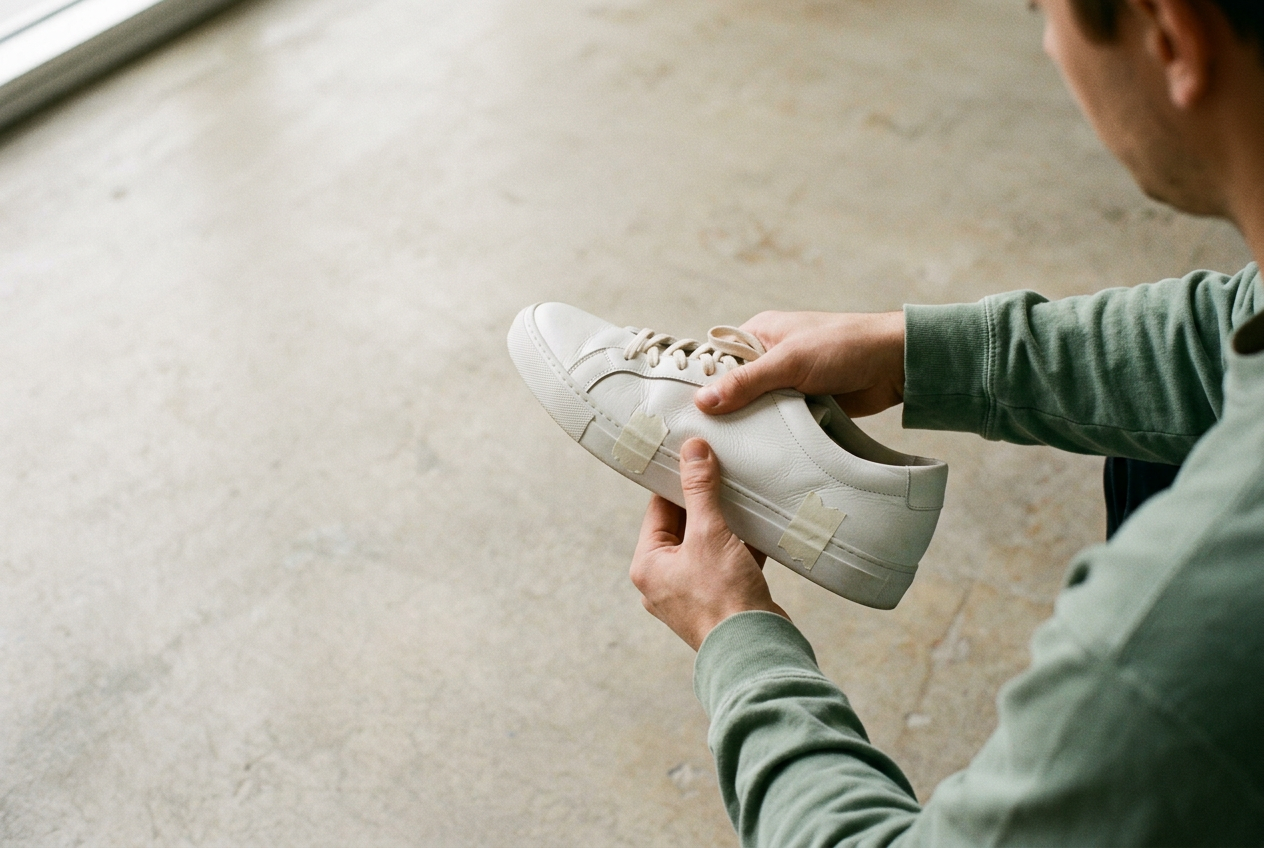
Heel lift and cramped toes can come from the same overlooked fit problem: the shoe creases somewhere your foot does not. Here is how to check before committing.
Dez Ferraro · 7 min read
Trend Watch
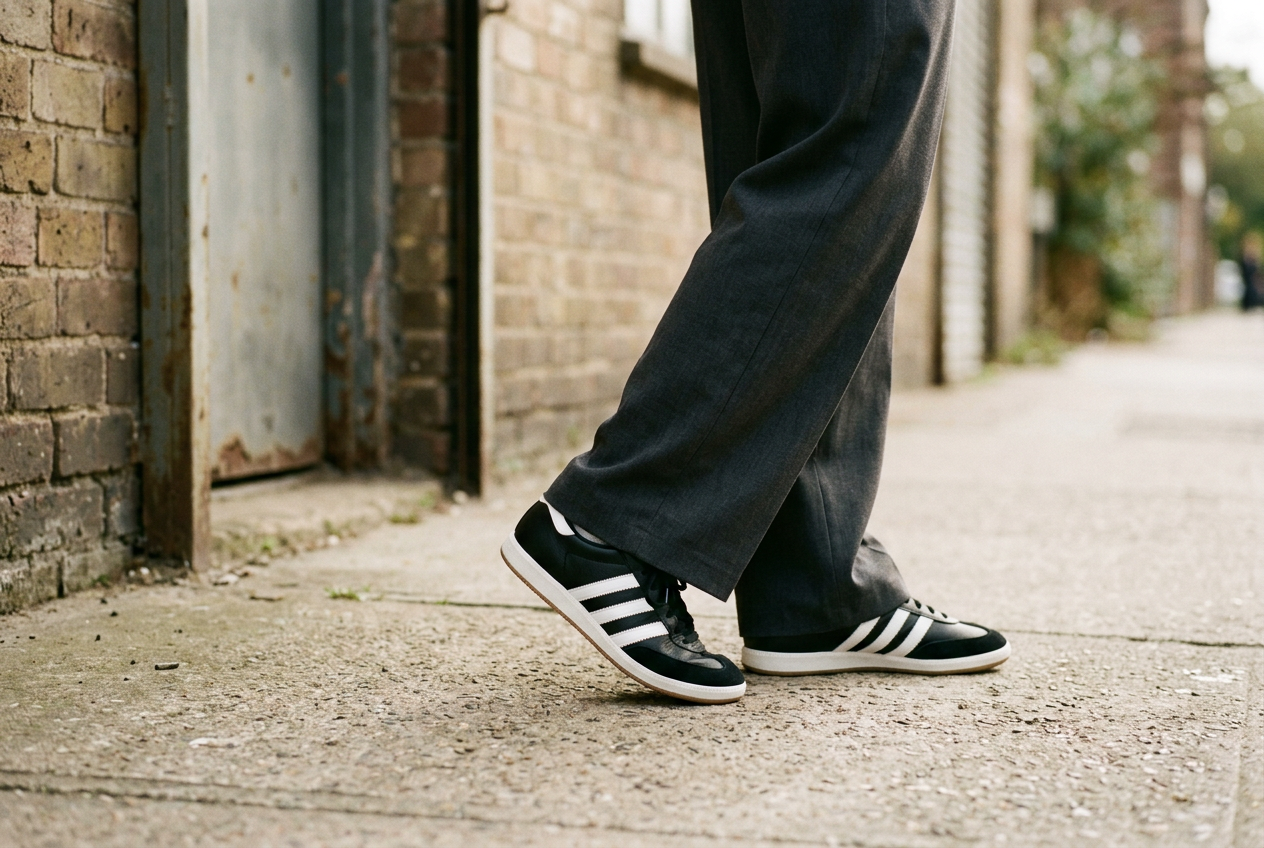
The low-profile sneaker shift is easy to see and harder to read. Outsole thickness, sidewall height, sockliners and toe shape reveal whether a shoe is genuinely minimal.
Iris Mbeki · 8 min read
Footwear
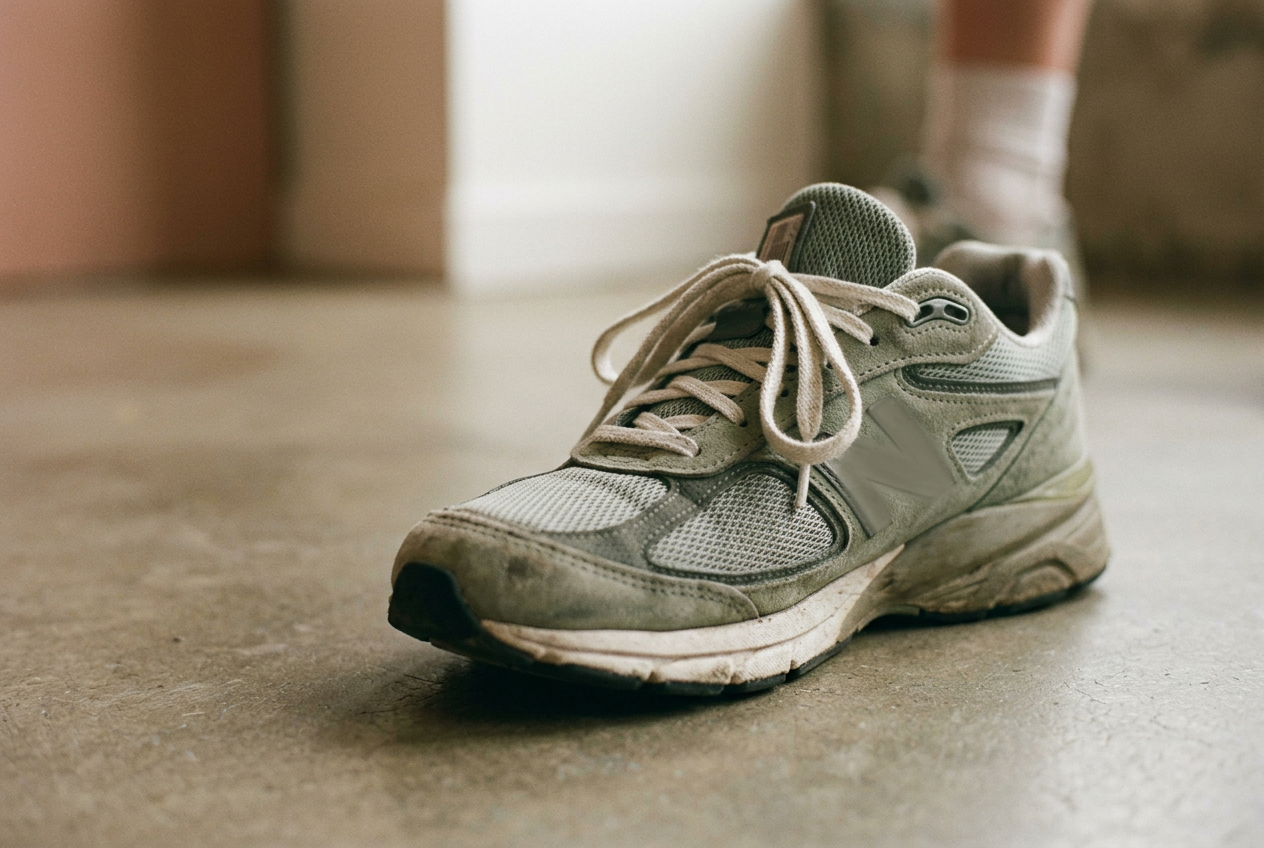
A runner’s loop helps some loose heels, while skipped eyelets and tongue anchoring solve different pressure problems. Here is how to test each before the return window closes.
Dez Ferraro · 8 min read
Footwear
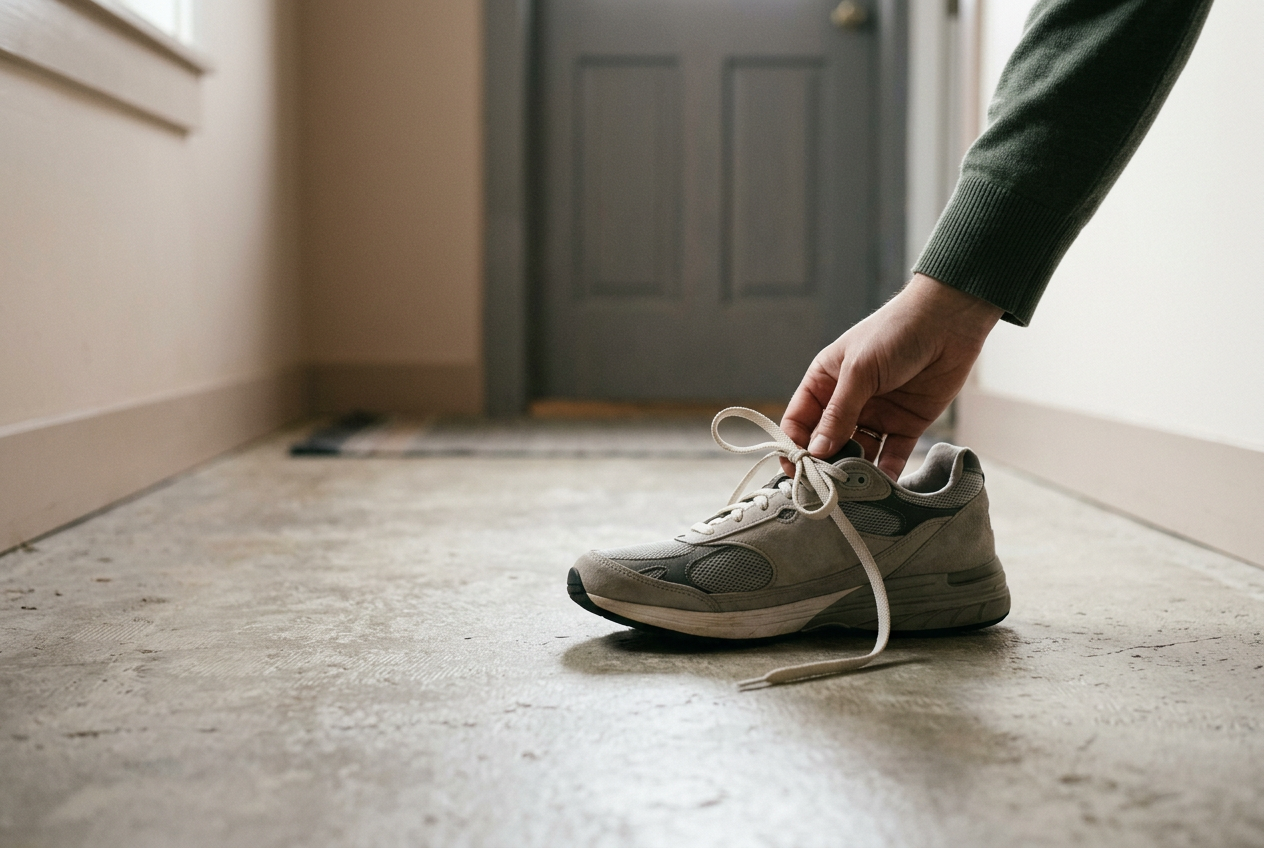
Heel lift can mean excess length, but it can also mean the upper has too much room. A short indoor fit test separates a lacing fix from the wrong size or shape.
Dez Ferraro · 7 min read
Footwear
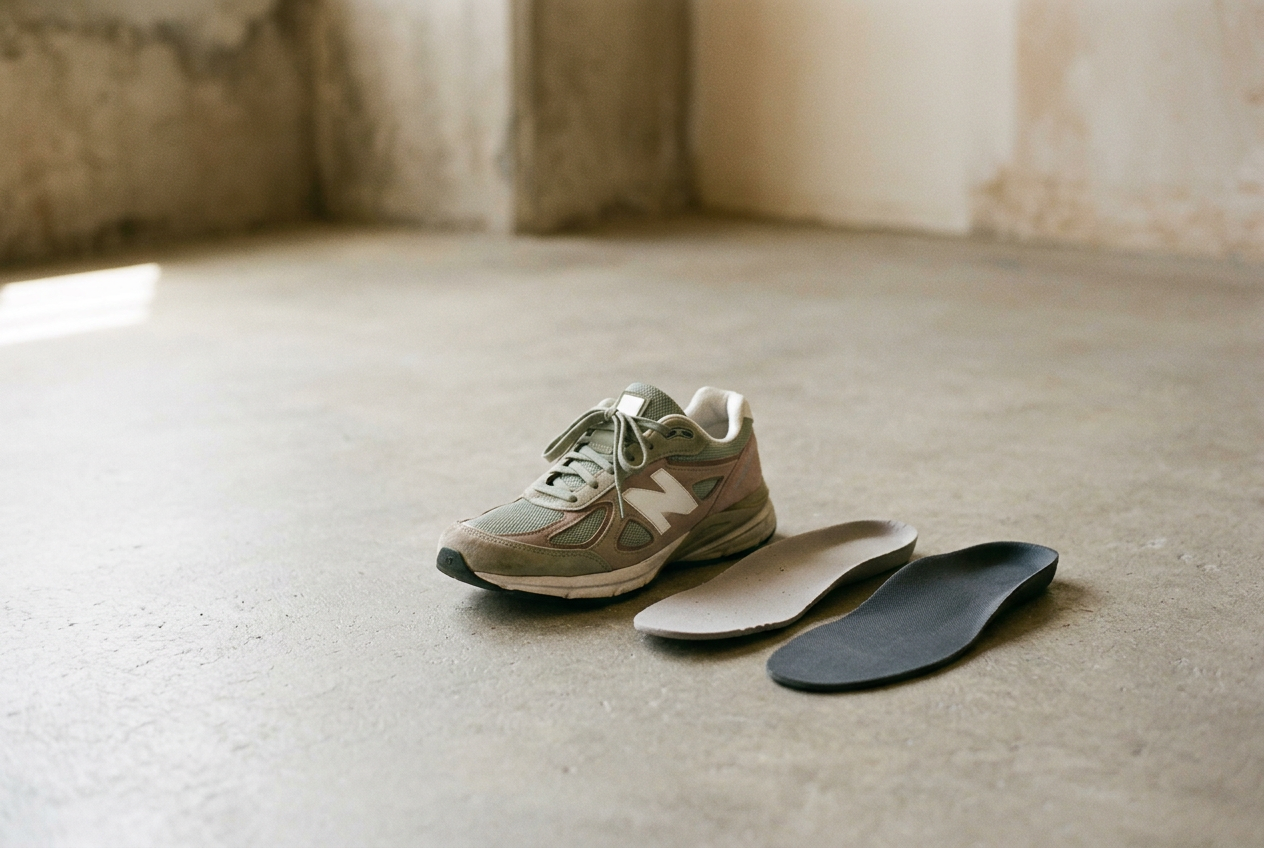
A removable insole does not guarantee room for an orthotic. Compare the two inserts, then test heel height, toe space and tongue pressure before the shoes leave the house.
Dez Ferraro · 8 min read
Trend Watch
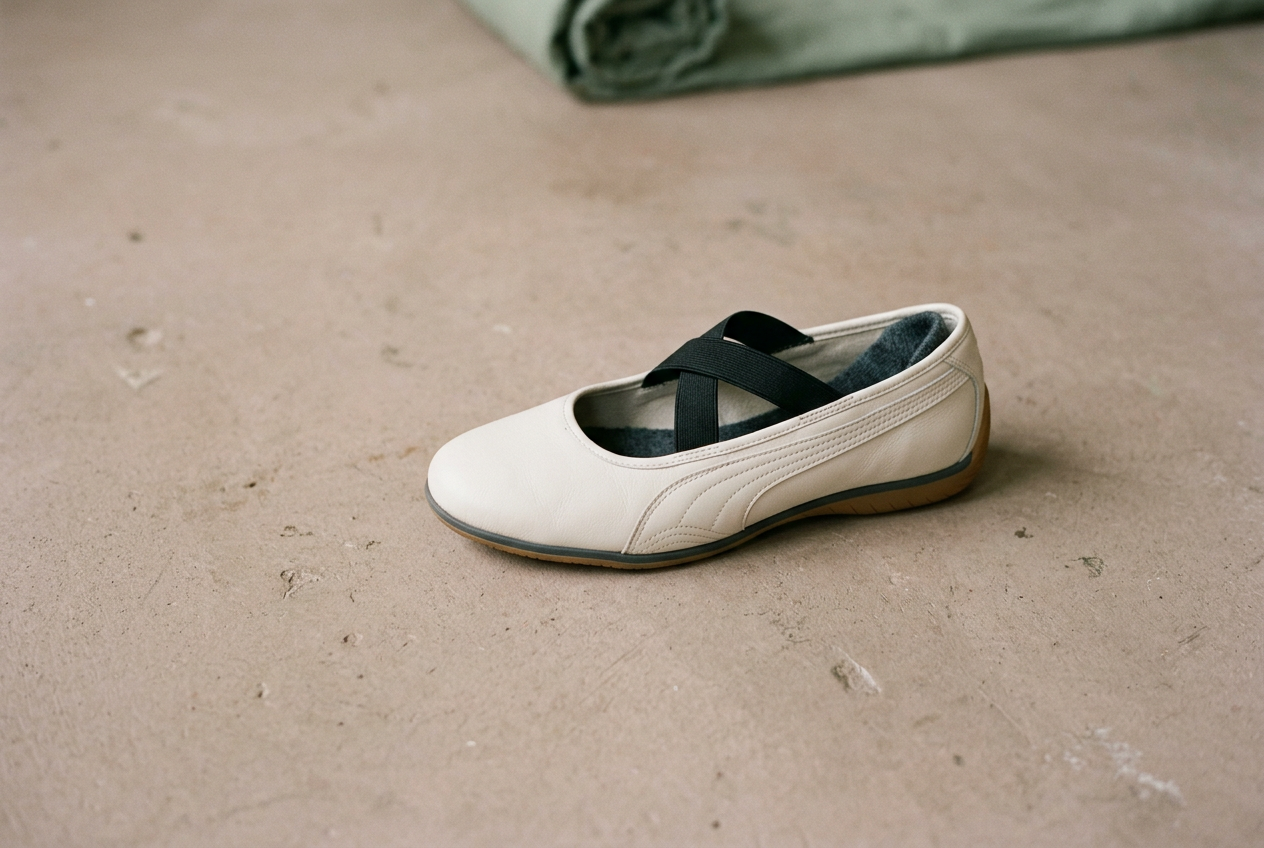
The Puma Speedcat Ballet shows why a sneakerina should be judged as a fit system, not a novelty. Its straps, flexible sole and shallow heel need to work together.
Iris Mbeki · 8 min read
Trend Watch
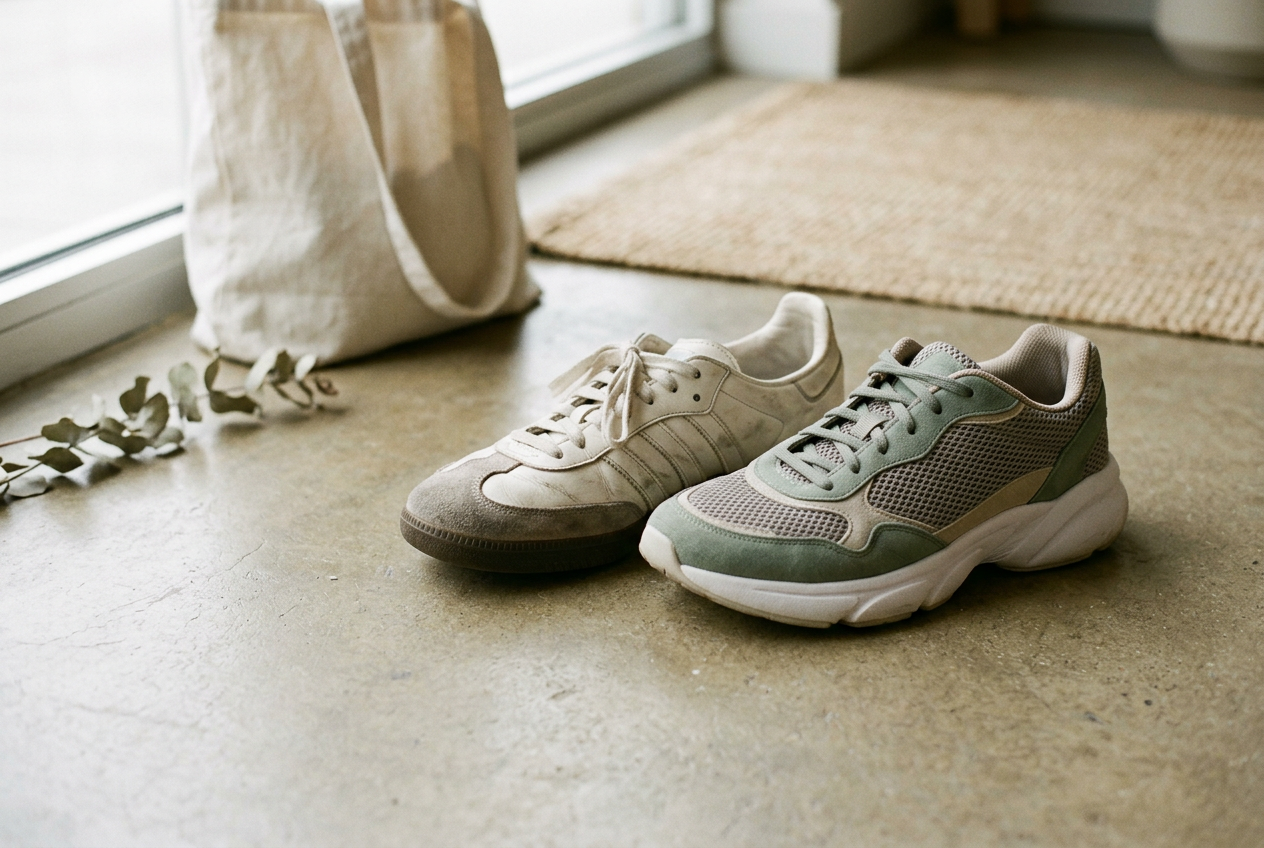
Low-profile sneakers sharpen an outfit but leave less room for cushioning, wide forefeet and orthotics. The Adidas Samba OG shows where the tradeoff starts.
Iris Mbeki · 7 min read
Footwear
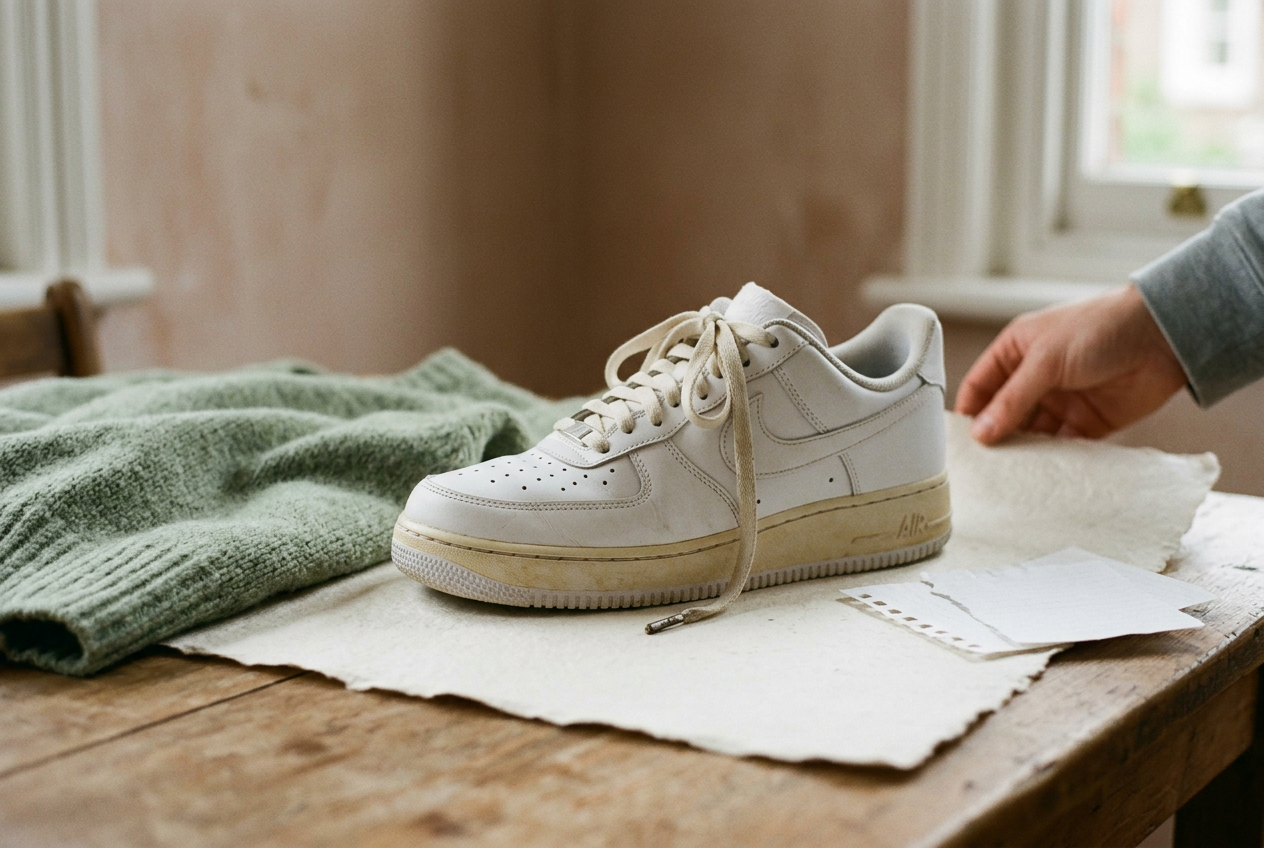
Surface dirt usually comes off. Oxidized foam and discolored adhesive often do not, and forcing the issue can leave a cleaner-looking sole attached to a worse shoe.
Dez Ferraro · 8 min read