Jewelry & Accessories
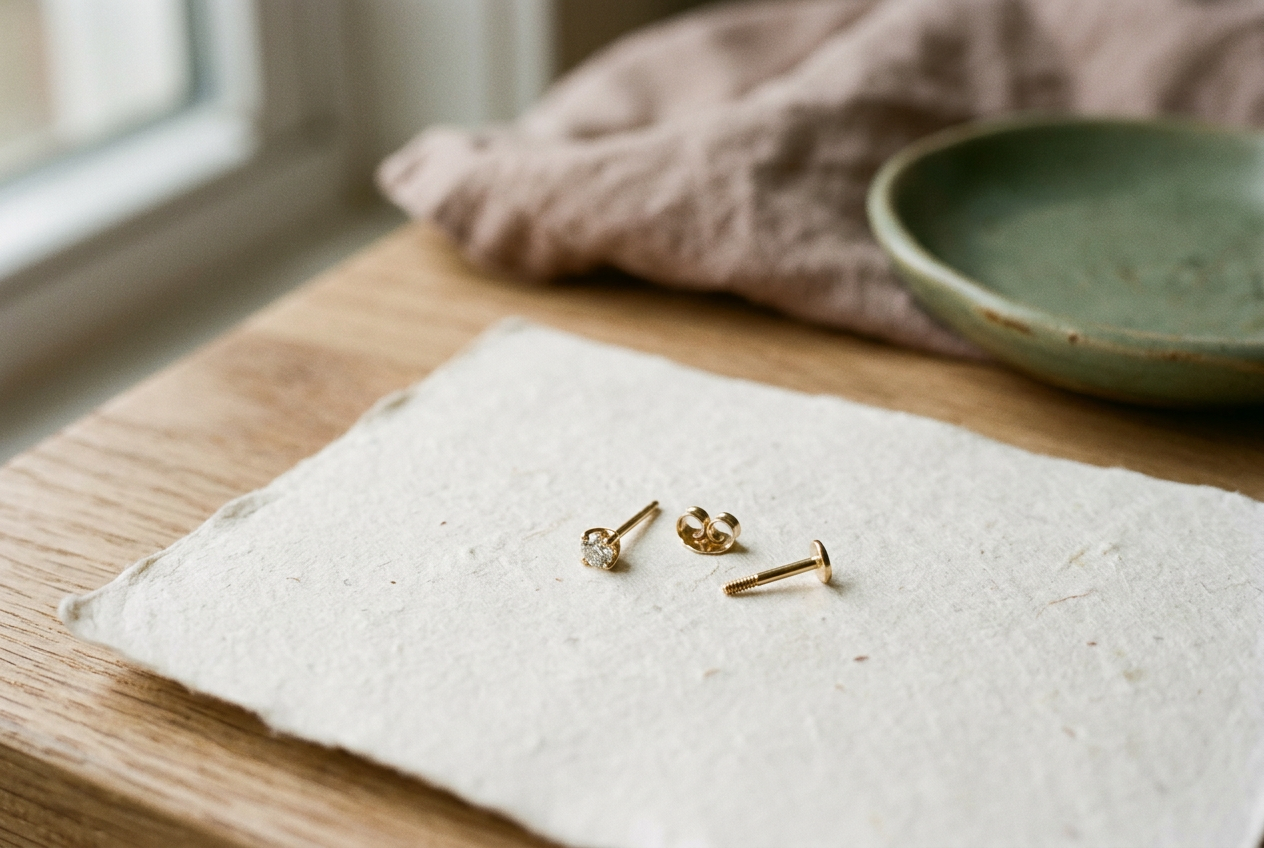
A flush backing prevents snags, but it cannot fix a tall front or a headphone cup that touches the ear. The most comfortable pairing leaves clearance on both sides of the piercing.
Margot Lane · 7 min read
Jewelry & Accessories
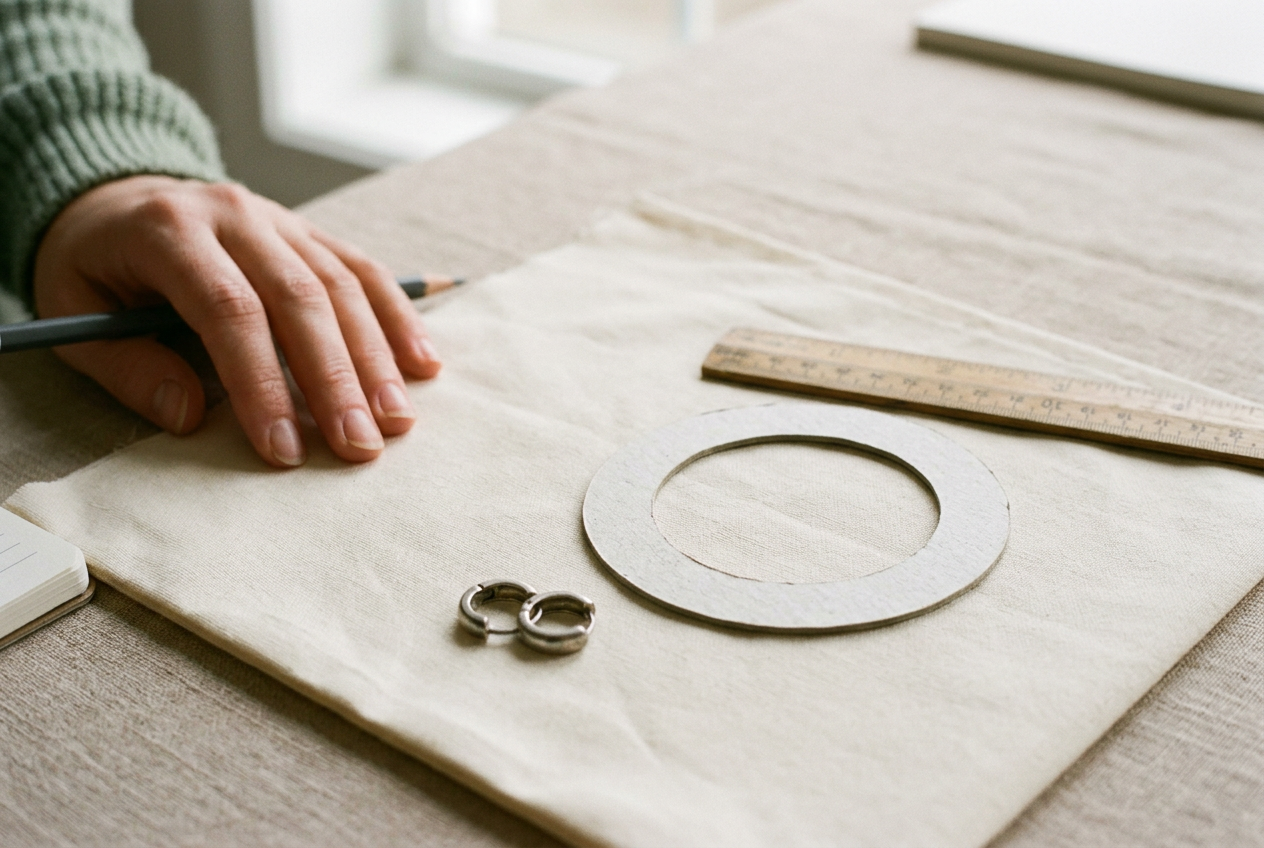
Inner diameter tells only part of the fit story. Map the hoop’s thickness and your piercing placement on paper to see whether the clasp will close without pinching.
Margot Lane · 7 min read
Jewelry & Accessories
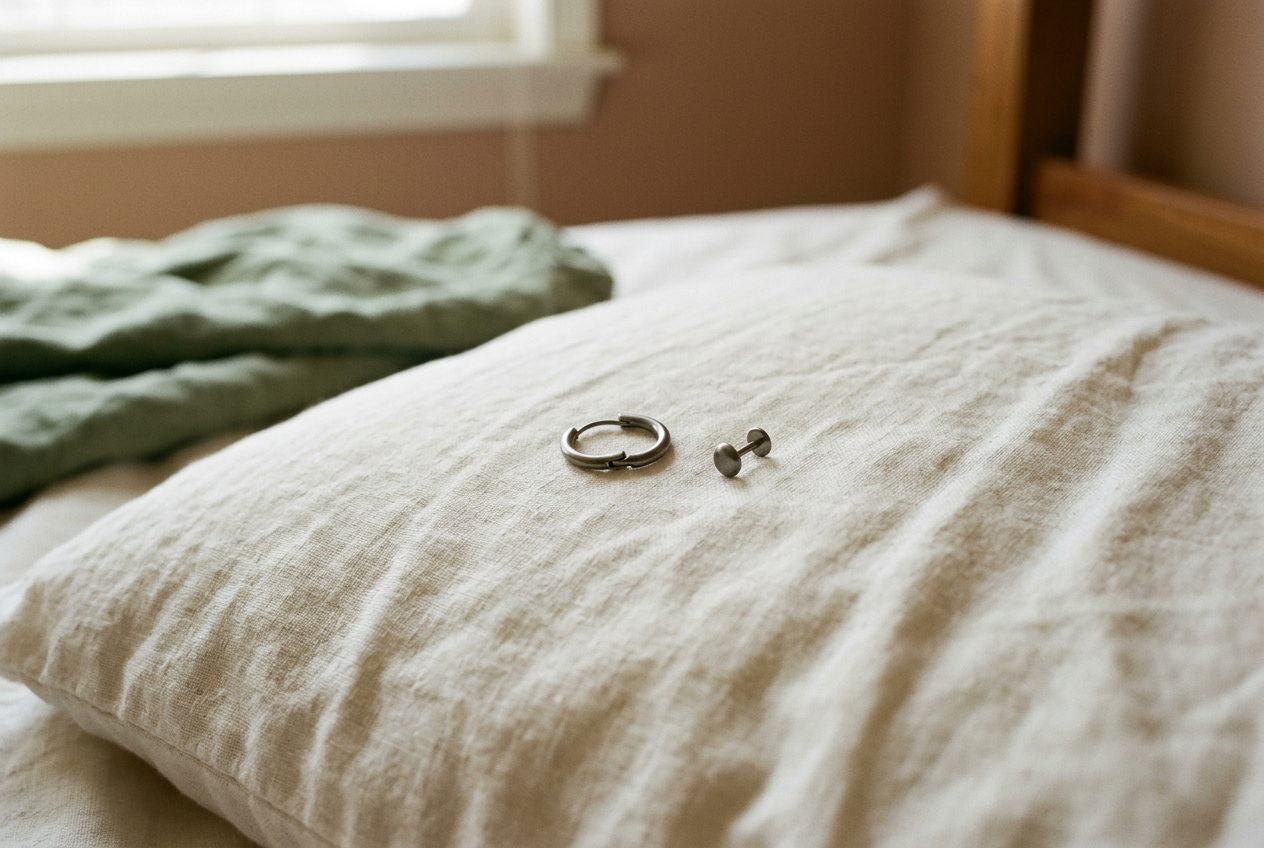
A close hoop looks compact, but its hinge still meets the pillow. This hands-on comparison finds the better overnight closure for lobes and cartilage.
Margot Lane · 7 min read
Jewelry & Accessories
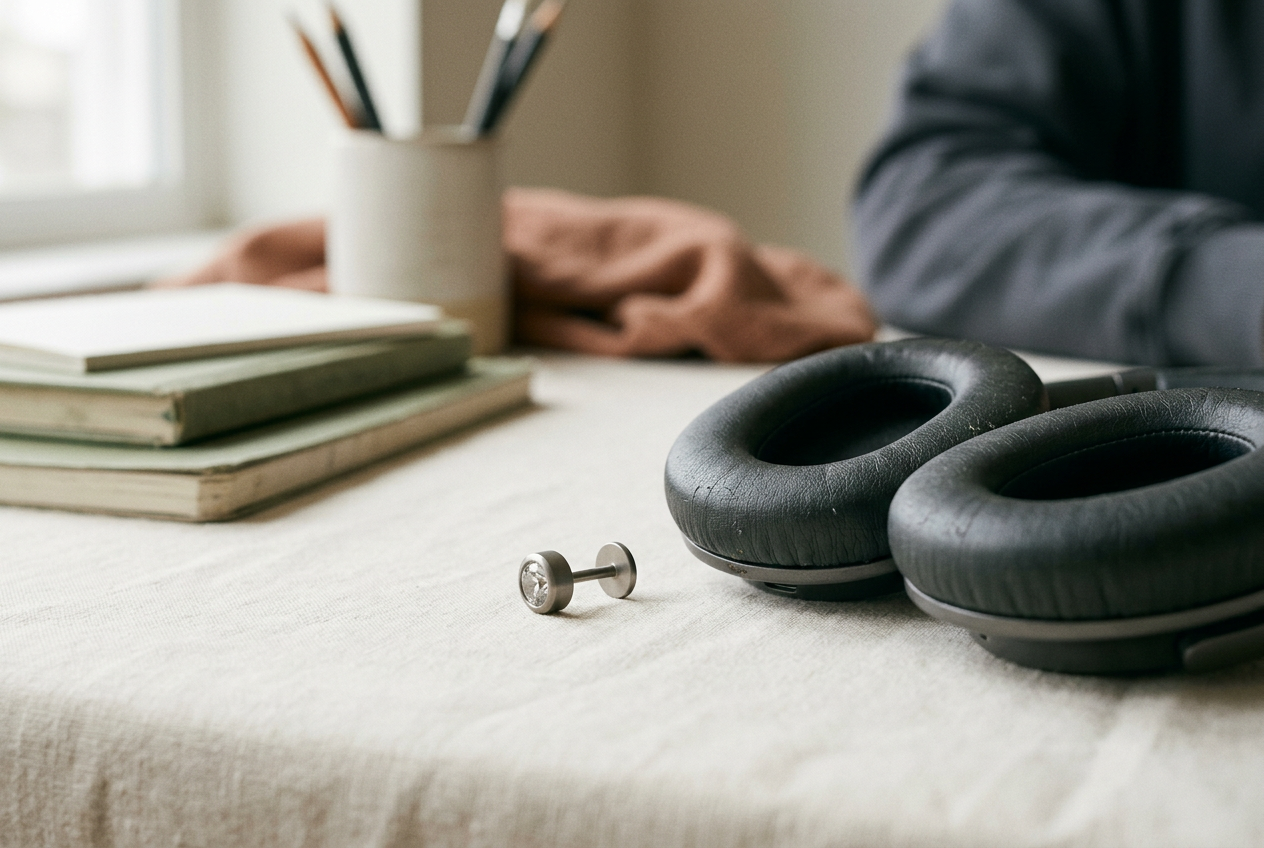
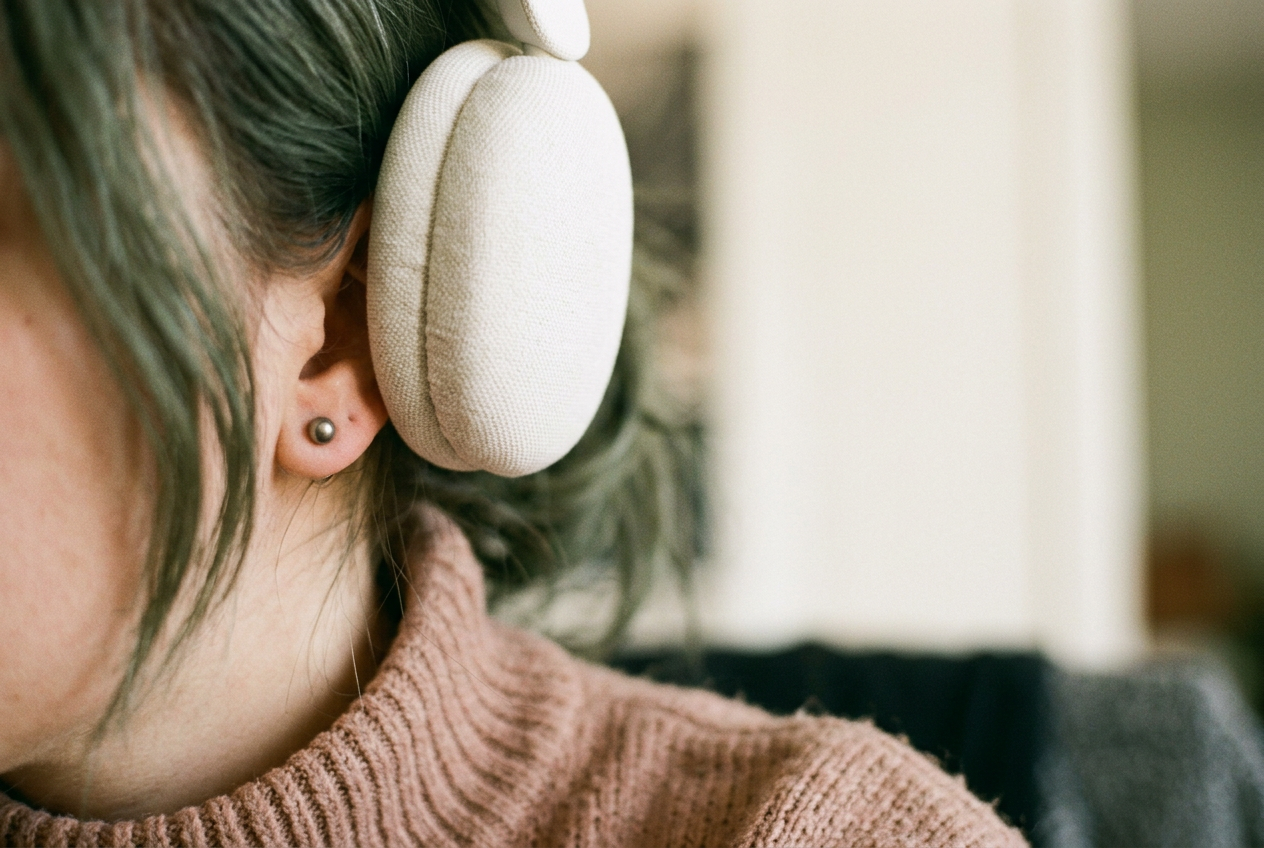
A flush backing can still become a pressure point under a headphone pad. Post length matters, but piercing placement often decides whether jewelry or headphones should change.
Margot Lane · 8 min read
Jewelry & Accessories
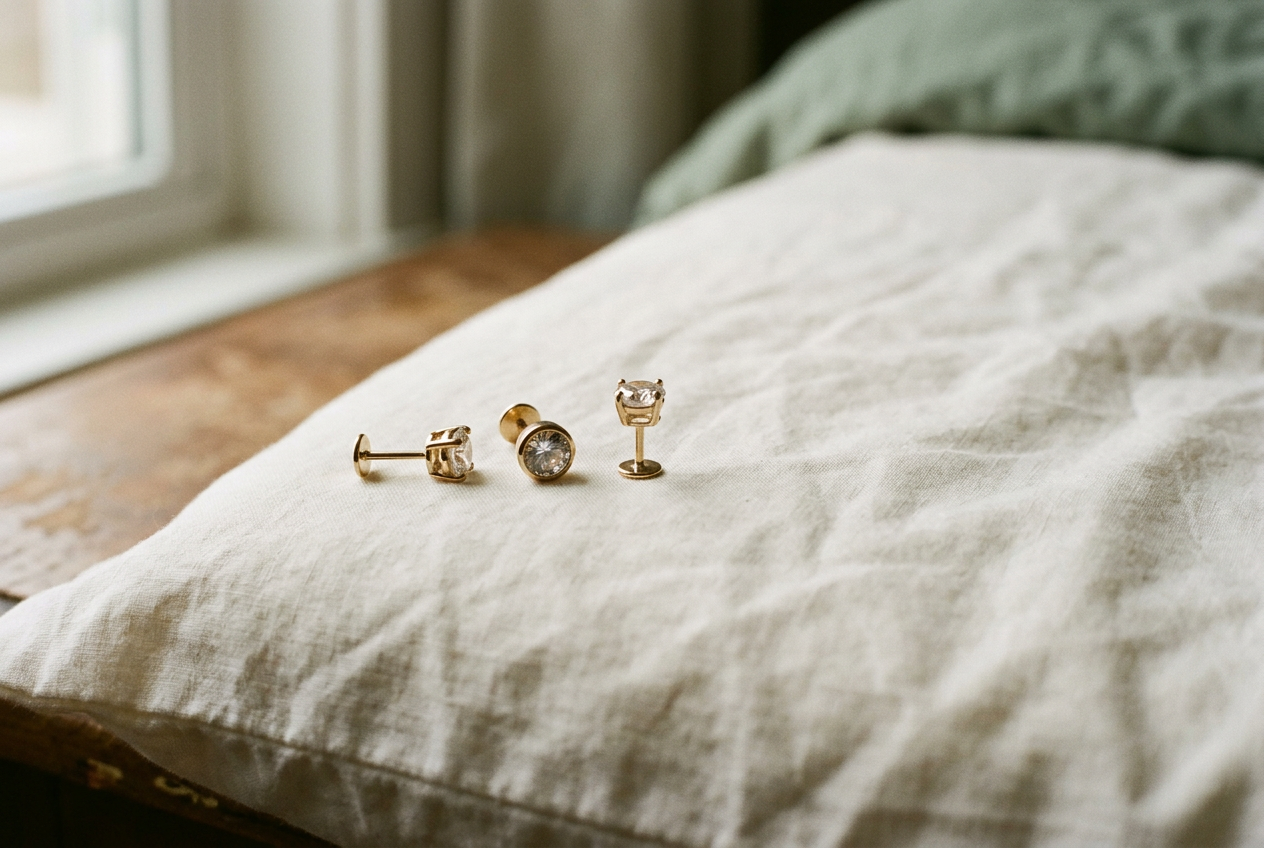
A flush backing fixes pressure behind the ear, but the front setting controls snagging. Here is how low baskets, bezels and raised prongs behave overnight.
Margot Lane · 7 min read
Jewelry & Accessories
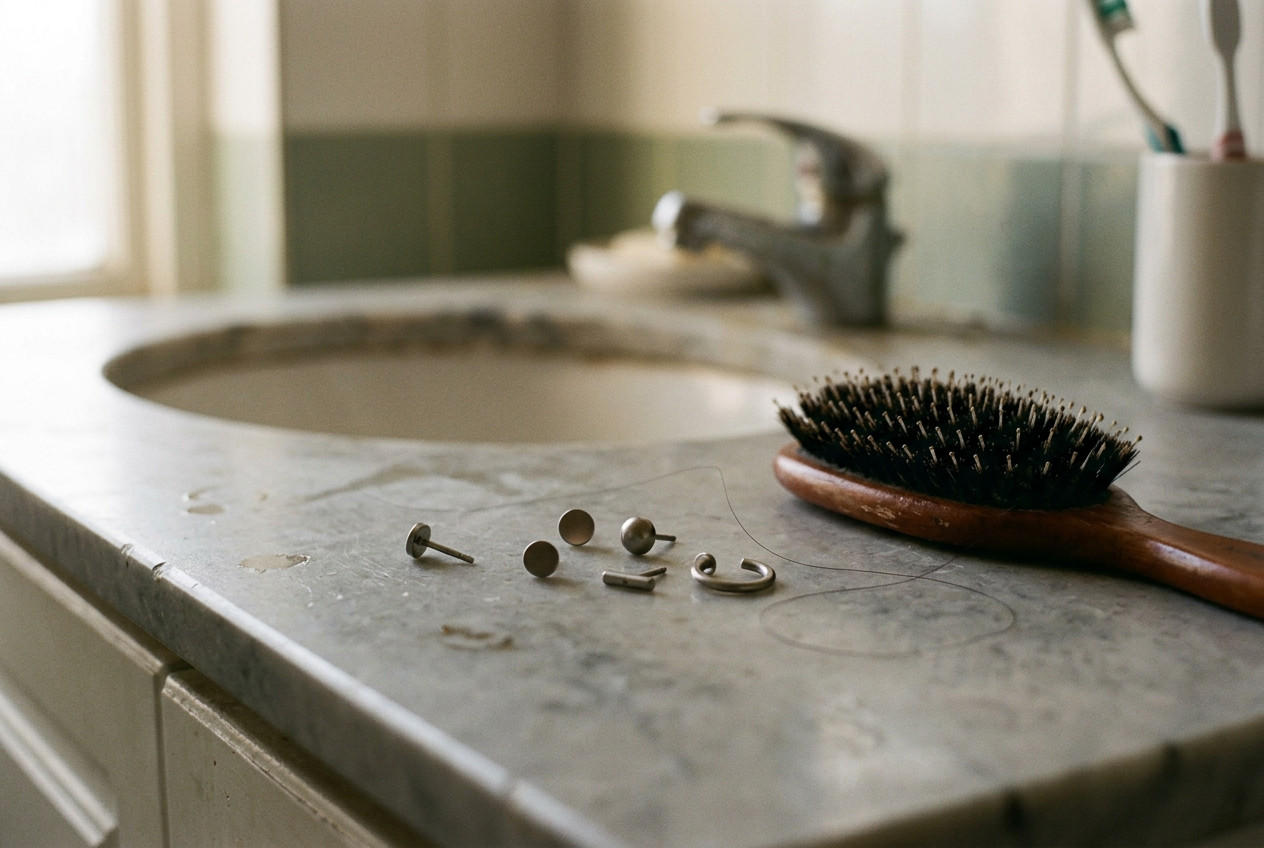
Four fronts on the same titanium post behaved very differently around long hair. Prongs pulled hardest; a smooth disc needed the least attention.
Margot Lane · 7 min read
Jewelry & Accessories
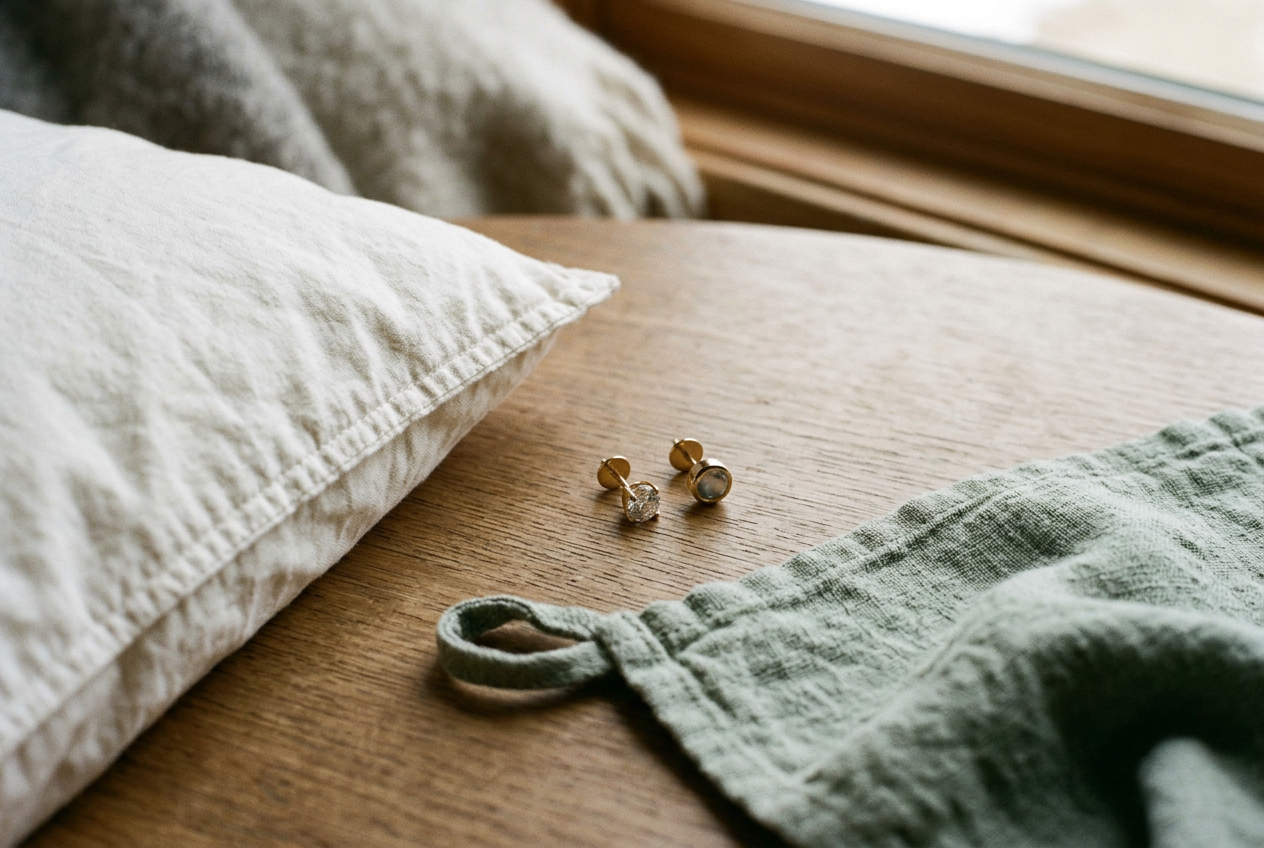
The backing may sit flush, but the stone setting still meets your pillowcase, towel, sweater, and hair. A low bezel is the cleaner choice for overnight wear.
Margot Lane · 8 min read
Jewelry & Accessories
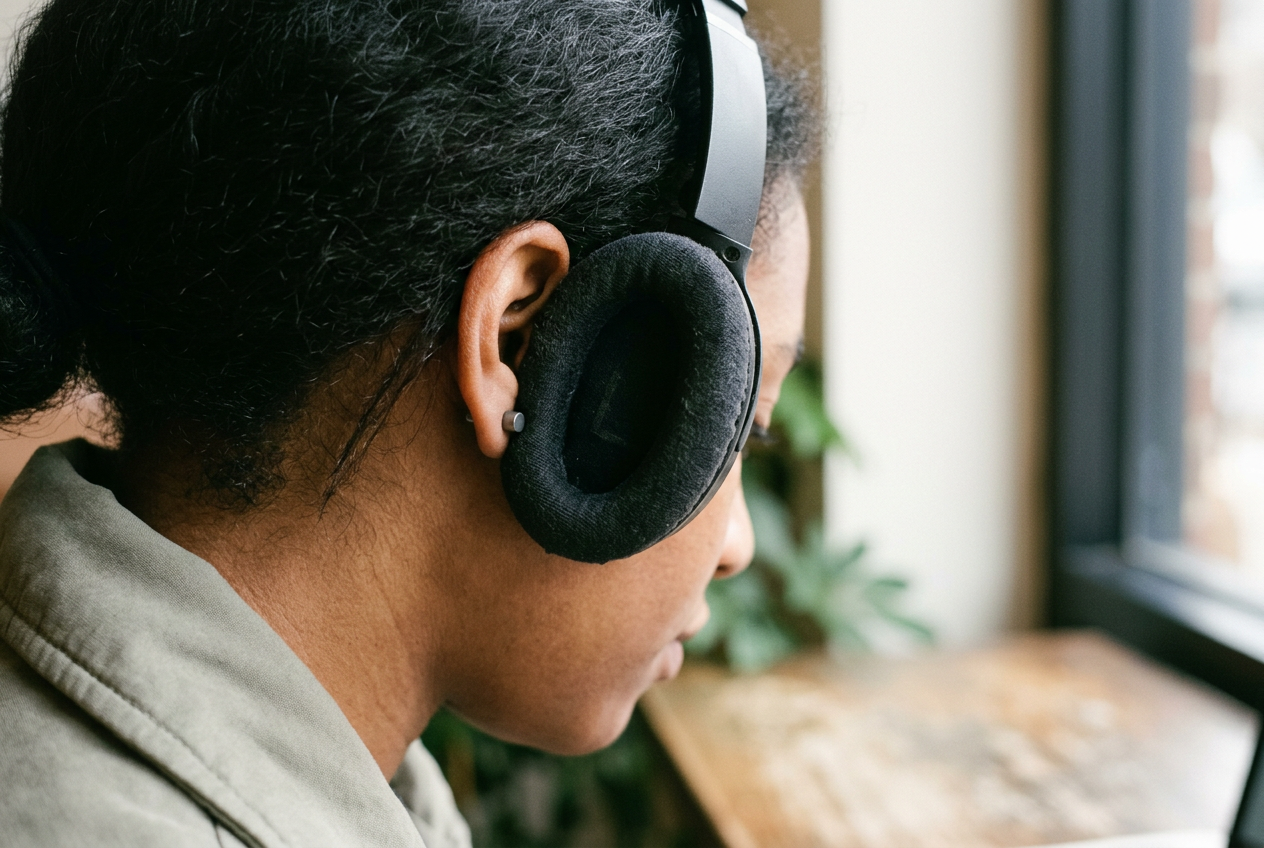
A flush backing removes one snag point, but it cannot fix excess post length or a shallow ear cup. Here is how to find the pressure point before your commute.
Margot Lane · 7 min read
Jewelry & Accessories
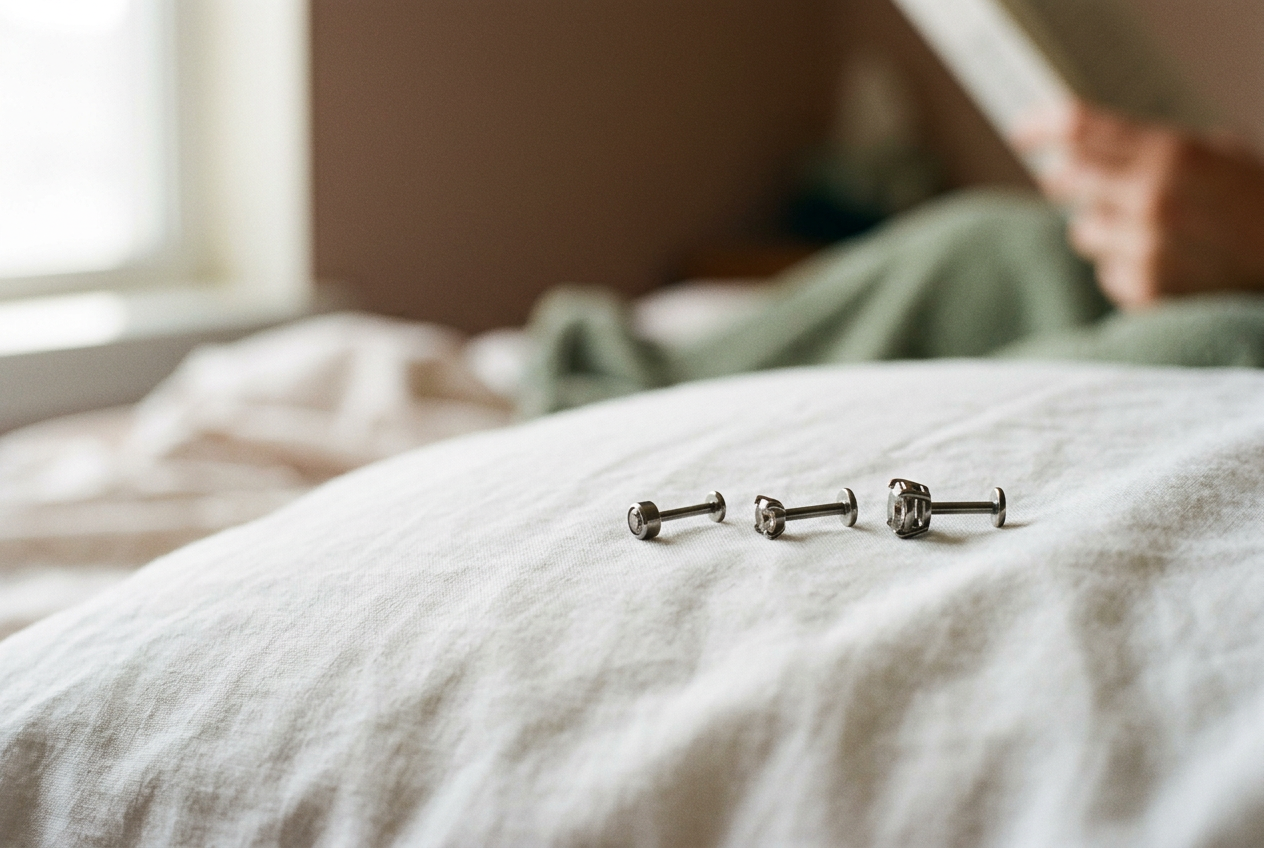
A flush disc can keep an earring from poking behind the lobe, but a tall stone setting still presses from the front. Here is how to spot the difference before buying.
Margot Lane · 7 min read
Jewelry & Accessories
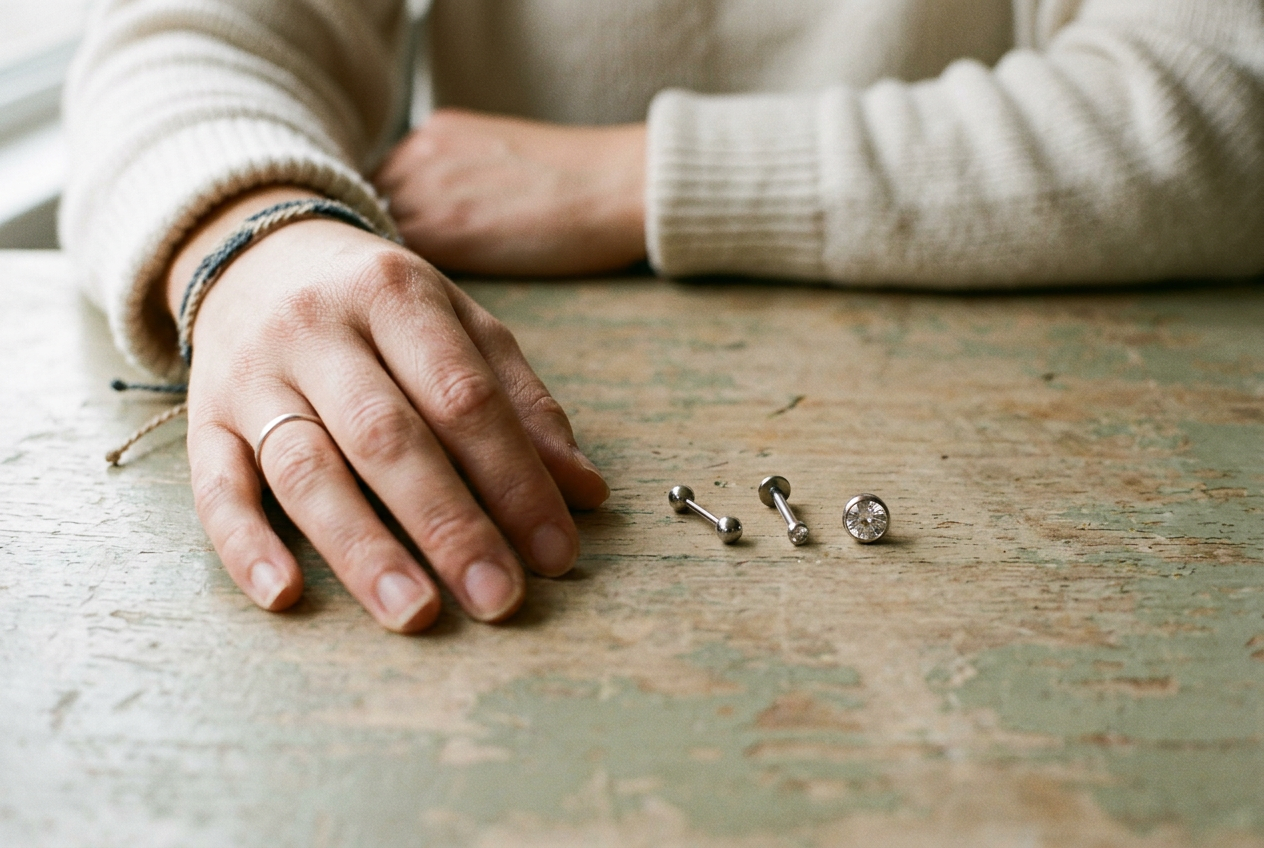
A 16-gauge post is thicker than an 18-gauge post. Confirm the number, length and attachment style before replacing jewelry in a healed piercing.
Margot Lane · 8 min read
Jewelry & Accessories
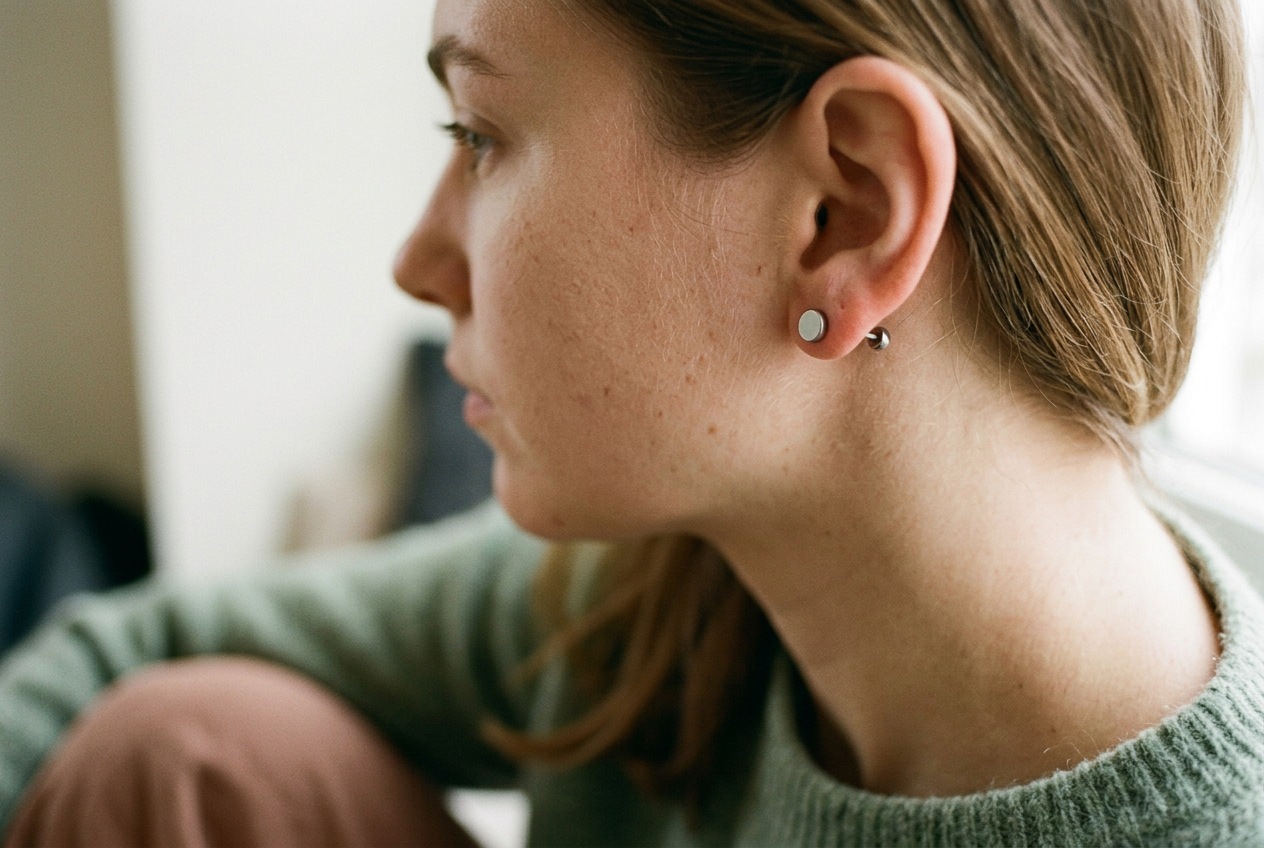
For mild, short-term lobe swelling, one post-size increase is often enough. The fit should release pressure without leaving a length of metal that catches on hair or bedding.
Margot Lane · 7 min read
Jewelry & Accessories
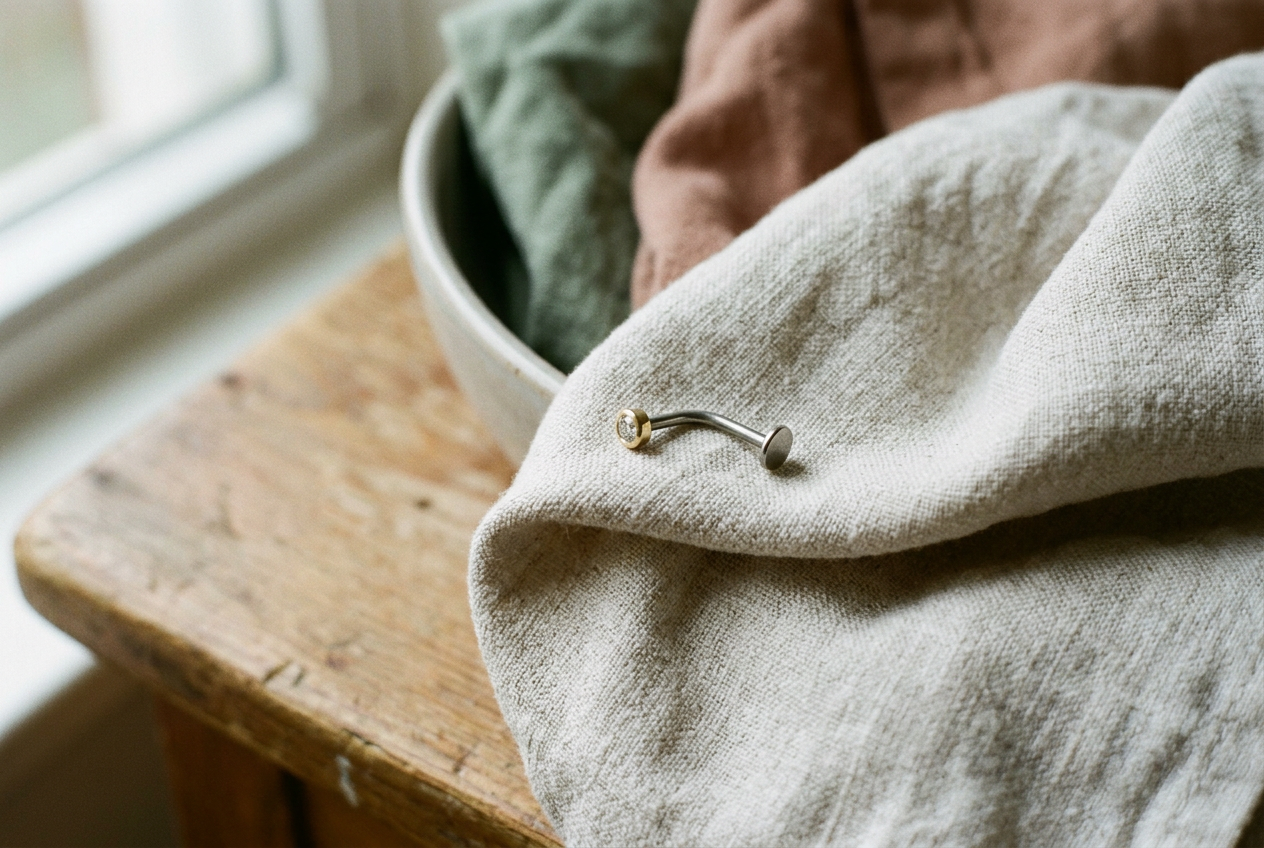
A nearly straight threadless pin can make a secure-looking earring end drop out. Check the tension first, then replace only the part that has failed.
Margot Lane · 8 min read
Jewelry & Accessories
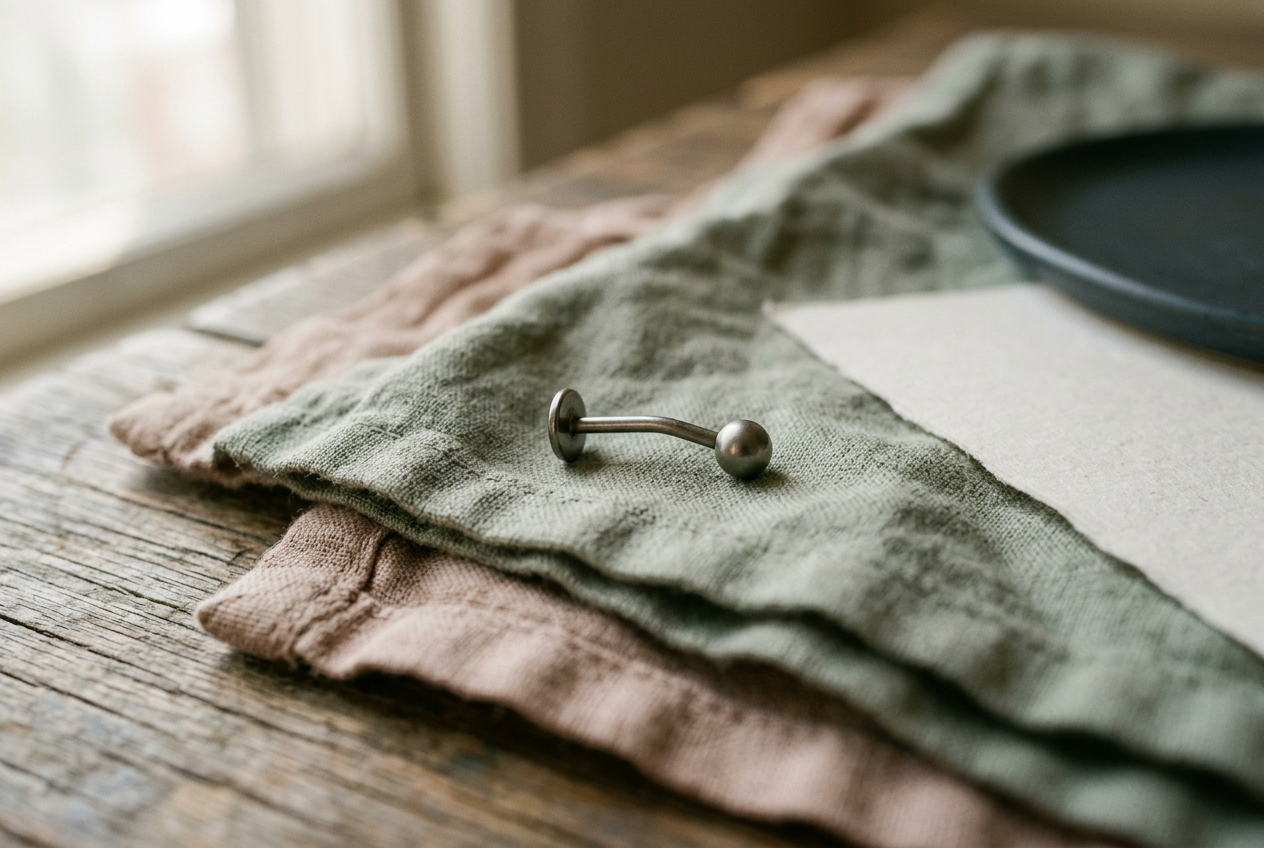
A threadless end stays in through pressure, not threading. Here is how to set a shallow bend, recognize poor tension, and remove a stubborn flat back without reaching for pliers.
Margot Lane · 7 min read
Jewelry & Accessories
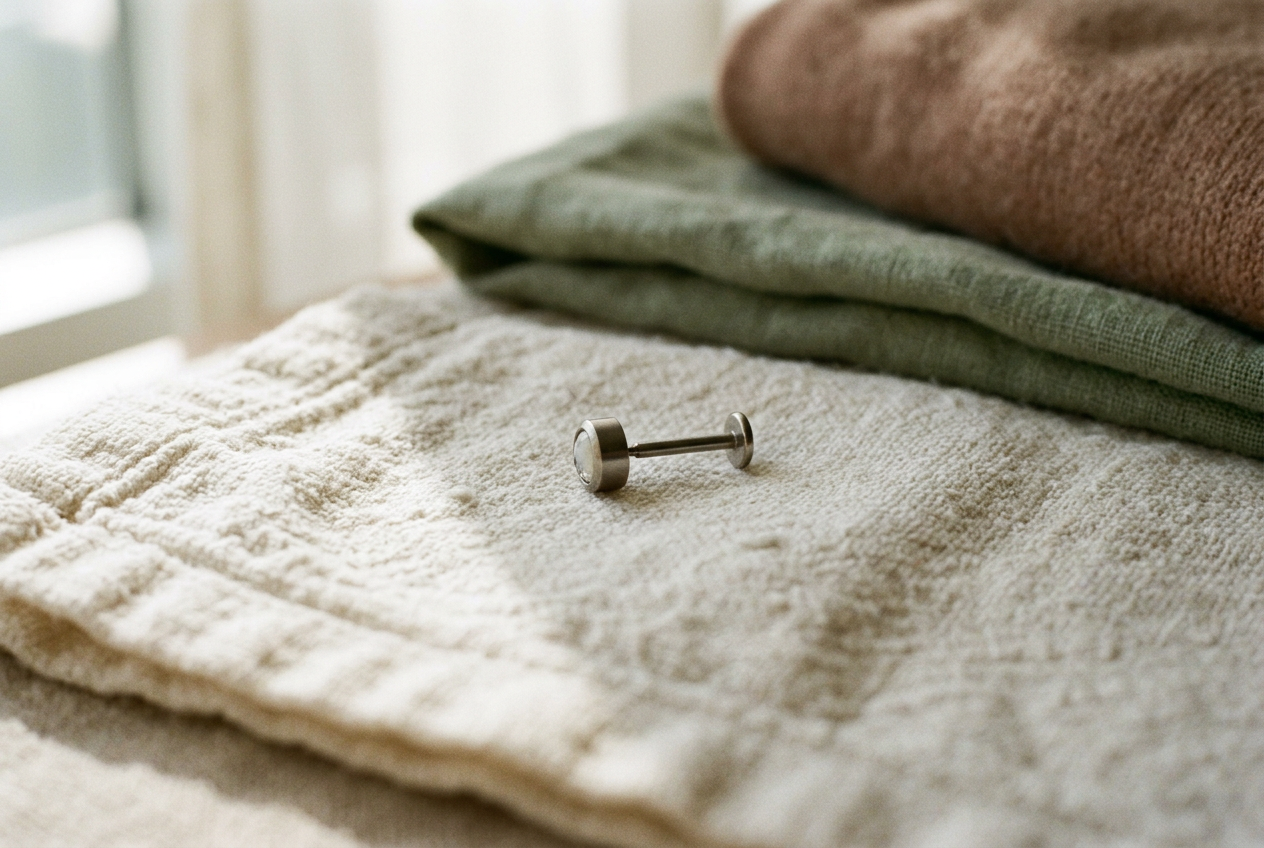
A threadless end needs a slight curve in its insertion pin to stay put. Make the adjustment off the ear, test it in small increments, and replace any end with a kink or damaged base.
Margot Lane · 7 min read
Jewelry & Accessories
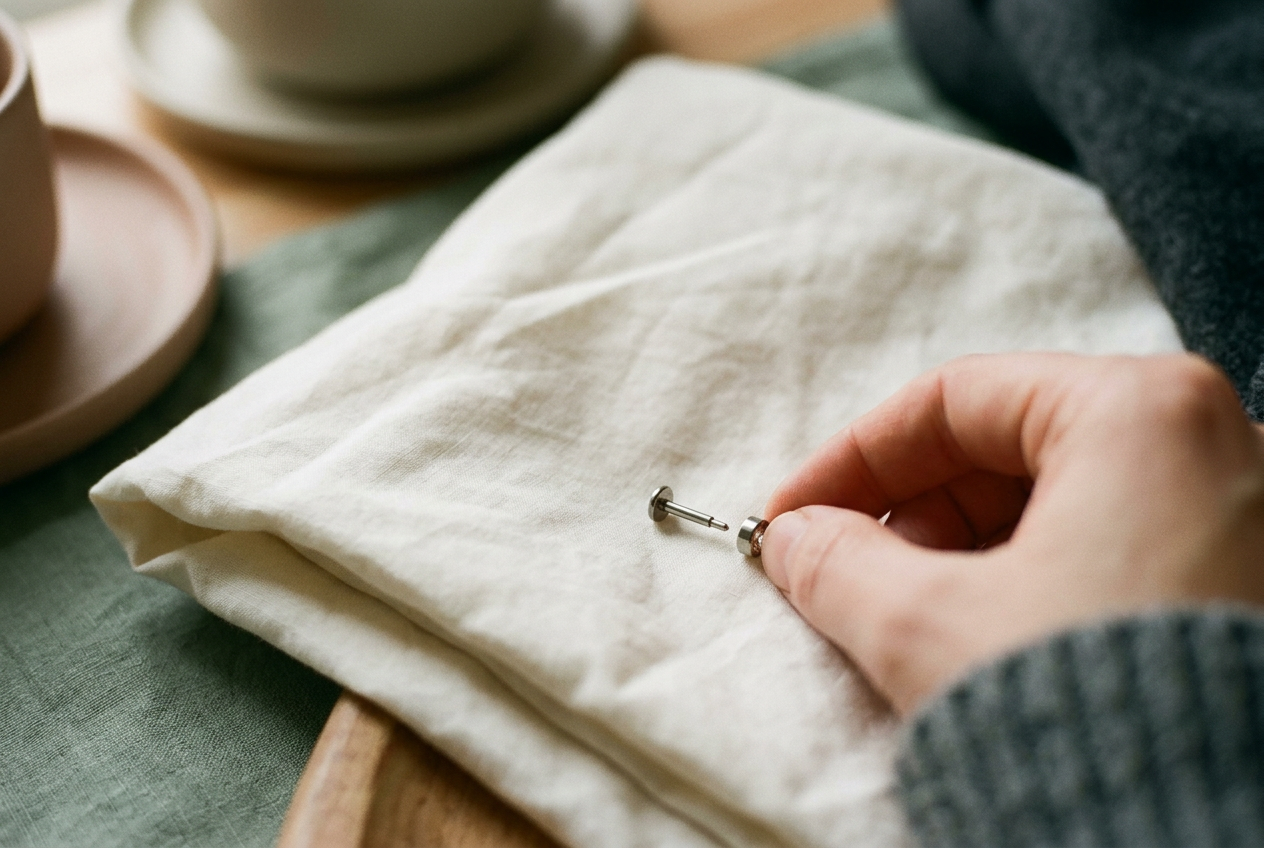
A flush backing cannot stop an under-tensioned threadless end from slipping out. Test the pin without twisting it, then know when another bend is one too many.
Margot Lane · 8 min read
Jewelry & Accessories
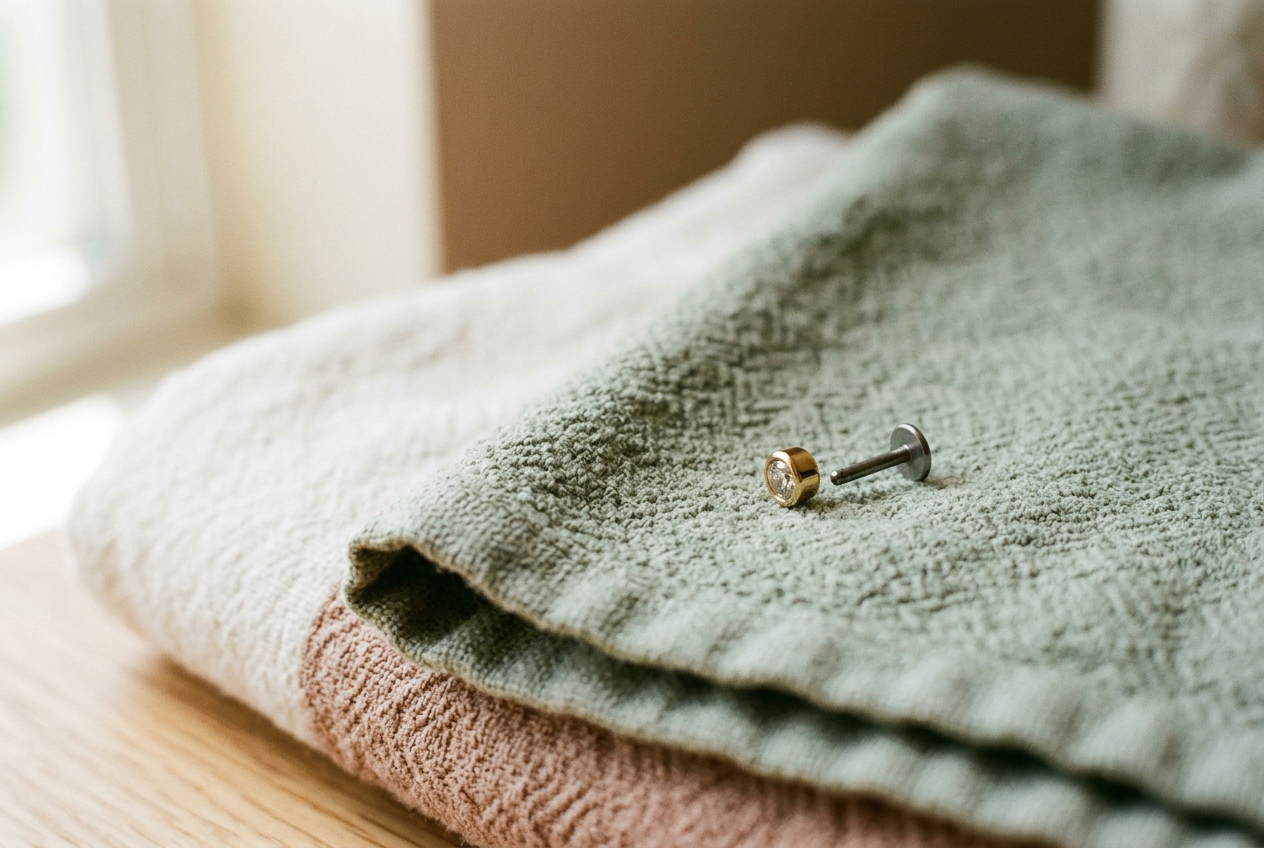
A slight pin bend keeps a threadless top inside its flat back post. Here is how to check that tension without damaging the jewelry, and when to stop troubleshooting.
Margot Lane · 8 min read
Jewelry & Accessories
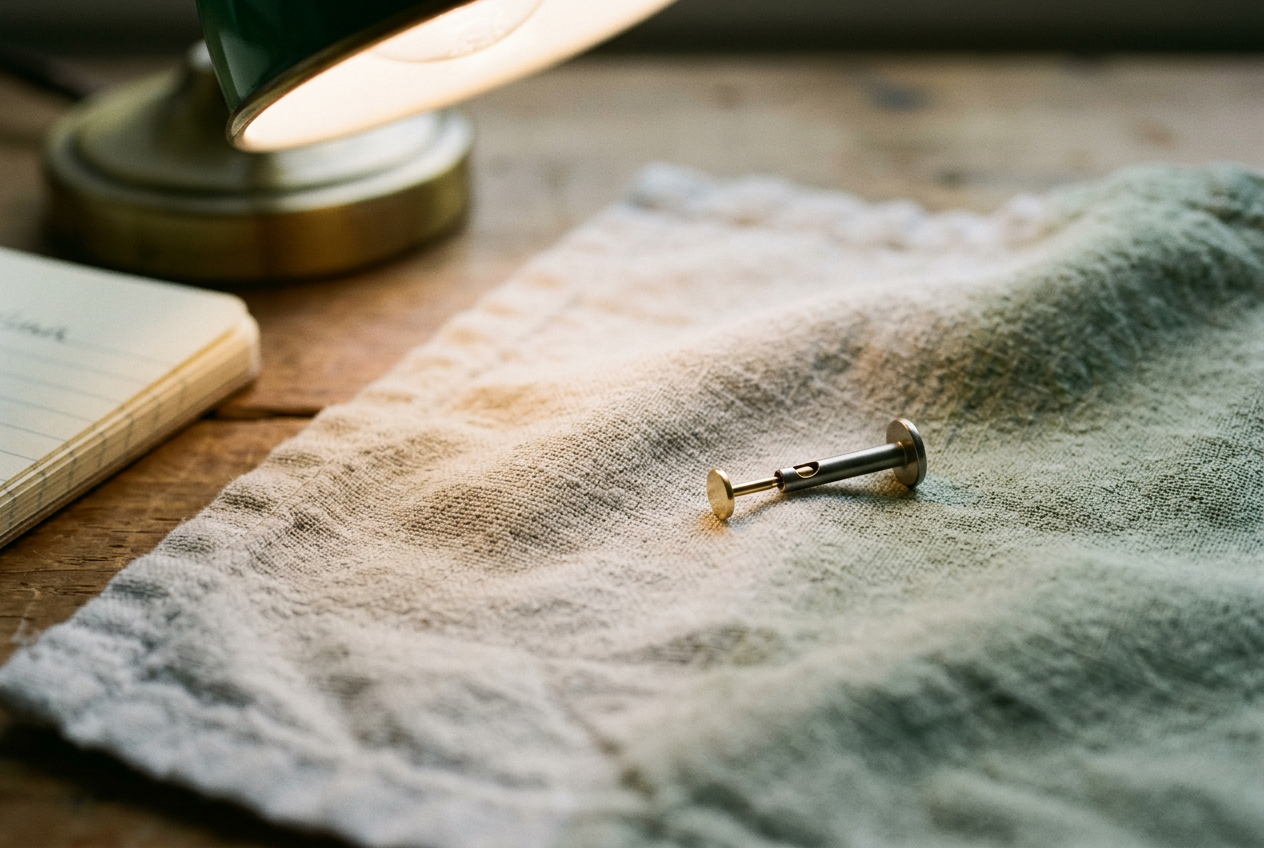
Threadless ends can turn freely and still be secure. A controlled resistance test tells you whether the pin needs a slightly deeper bend or professional attention.
Margot Lane · 8 min read

Jewelry & Accessories
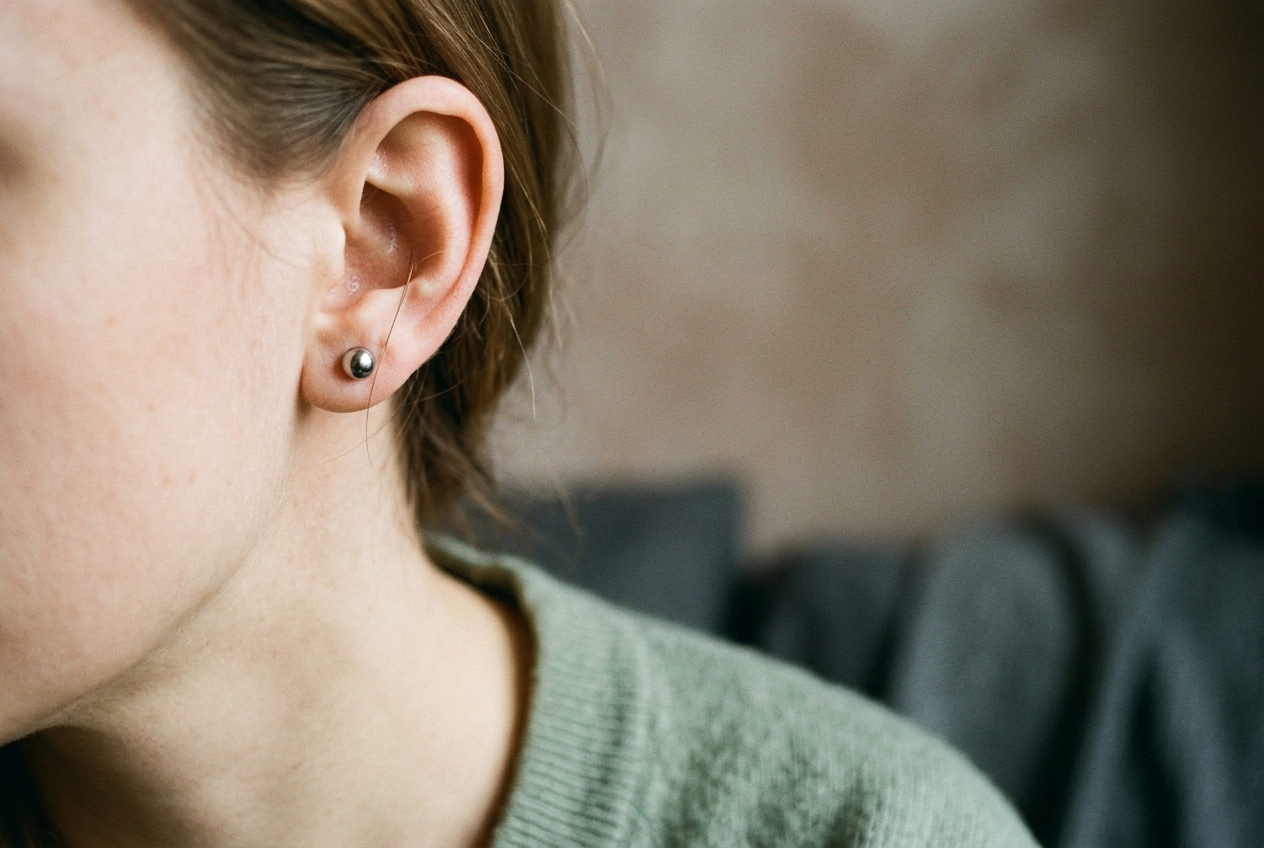
A threadless end can look seated while its pin is still shallow. This tool-free check separates a secure fit from one likely to disappear into the bedding.
Margot Lane · 8 min read
Jewelry & Accessories
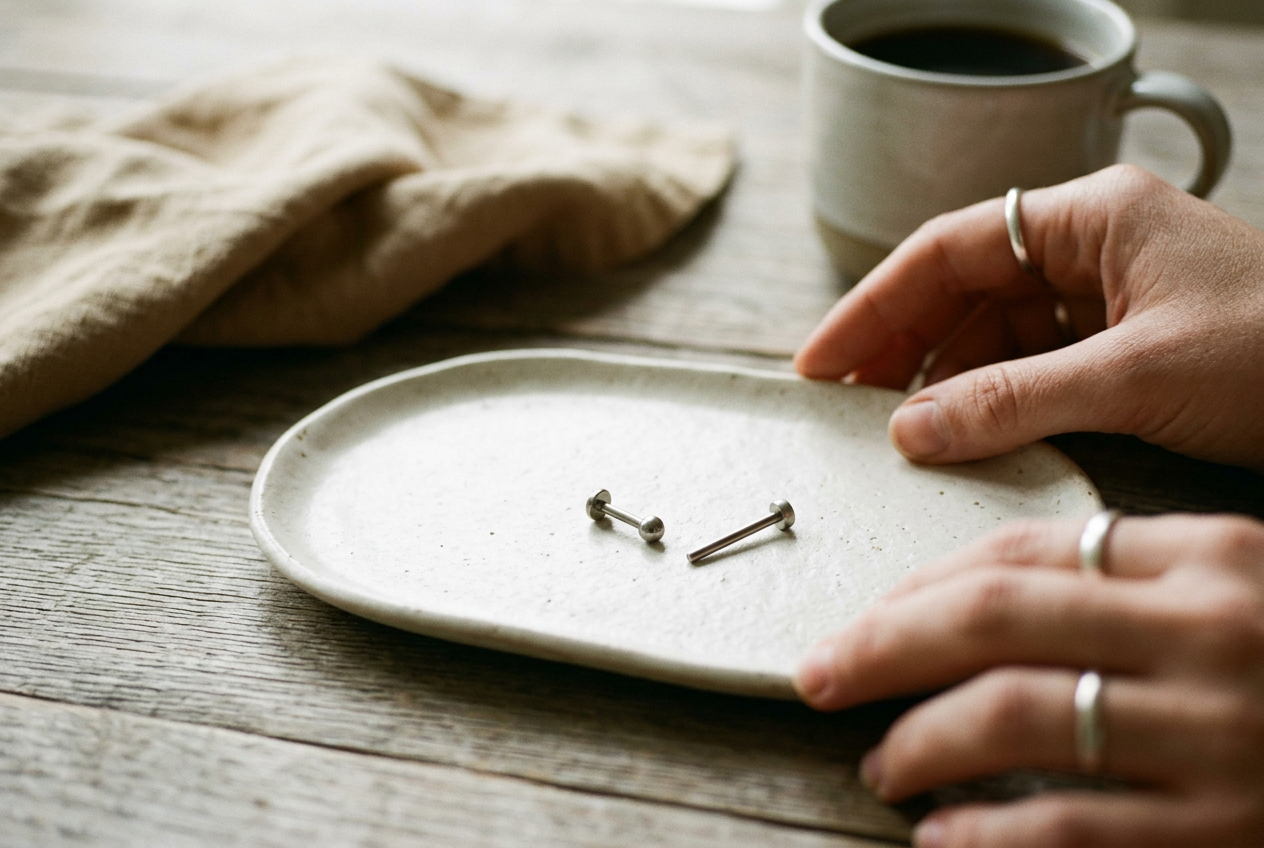
The starter post needs room for swelling, but that extra length can become a snag point later. A piercer can tell when shorter jewelry will sit securely without pressing.
Margot Lane · 7 min read
Jewelry & Accessories
Once swelling has settled, spare post length can make an earring lean, travel and catch. Here is how to judge a downsize without trading movement for pressure.
Margot Lane · 7 min read
Jewelry & Accessories
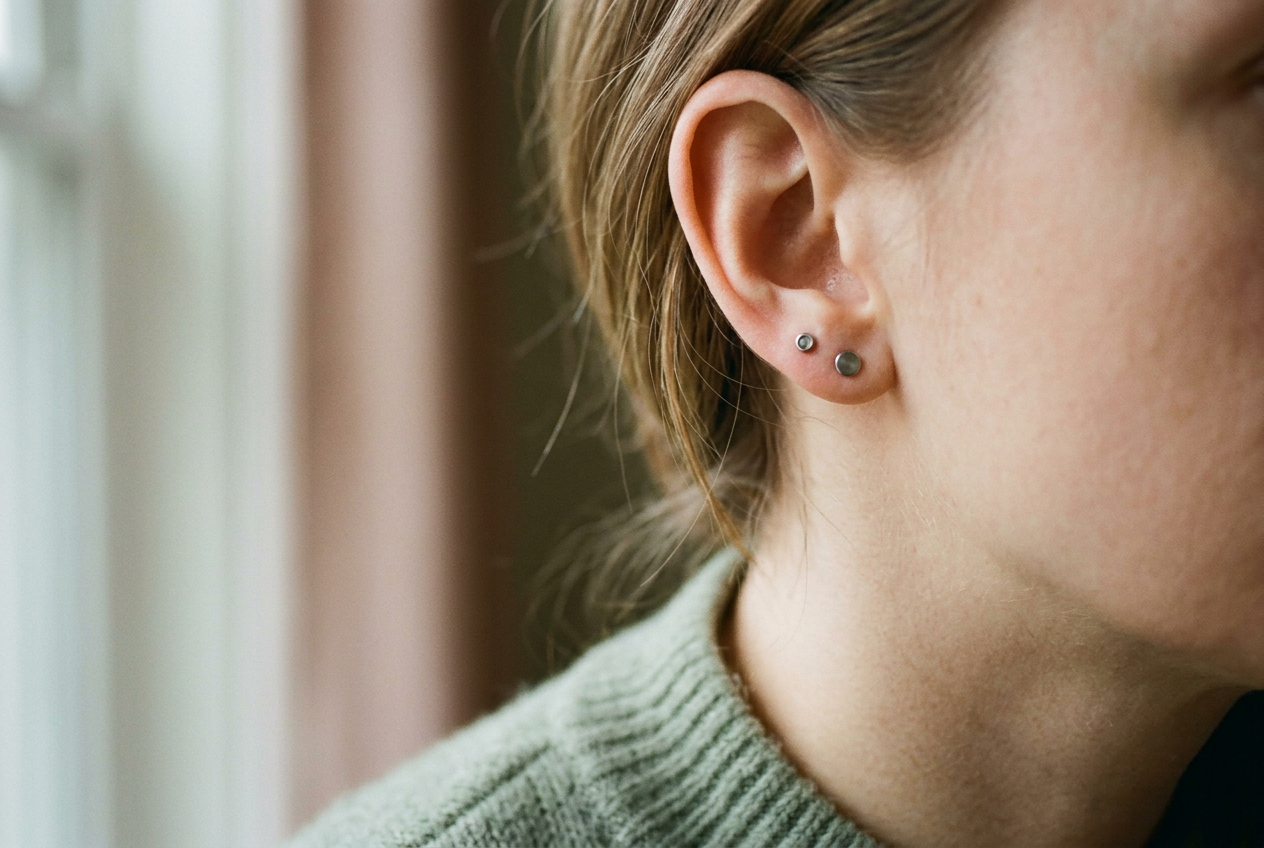
Once early swelling has settled, a shorter post can stop a flat back from shifting and catching. The first change is usually a job for a qualified piercer.
Margot Lane · 8 min read

Jewelry & Accessories
Extra post length protects a fresh piercing during swelling. Once the tissue settles, that same space can tip the stud forward, catch on hair and keep irritation going.
Margot Lane · 7 min read
Jewelry & Accessories
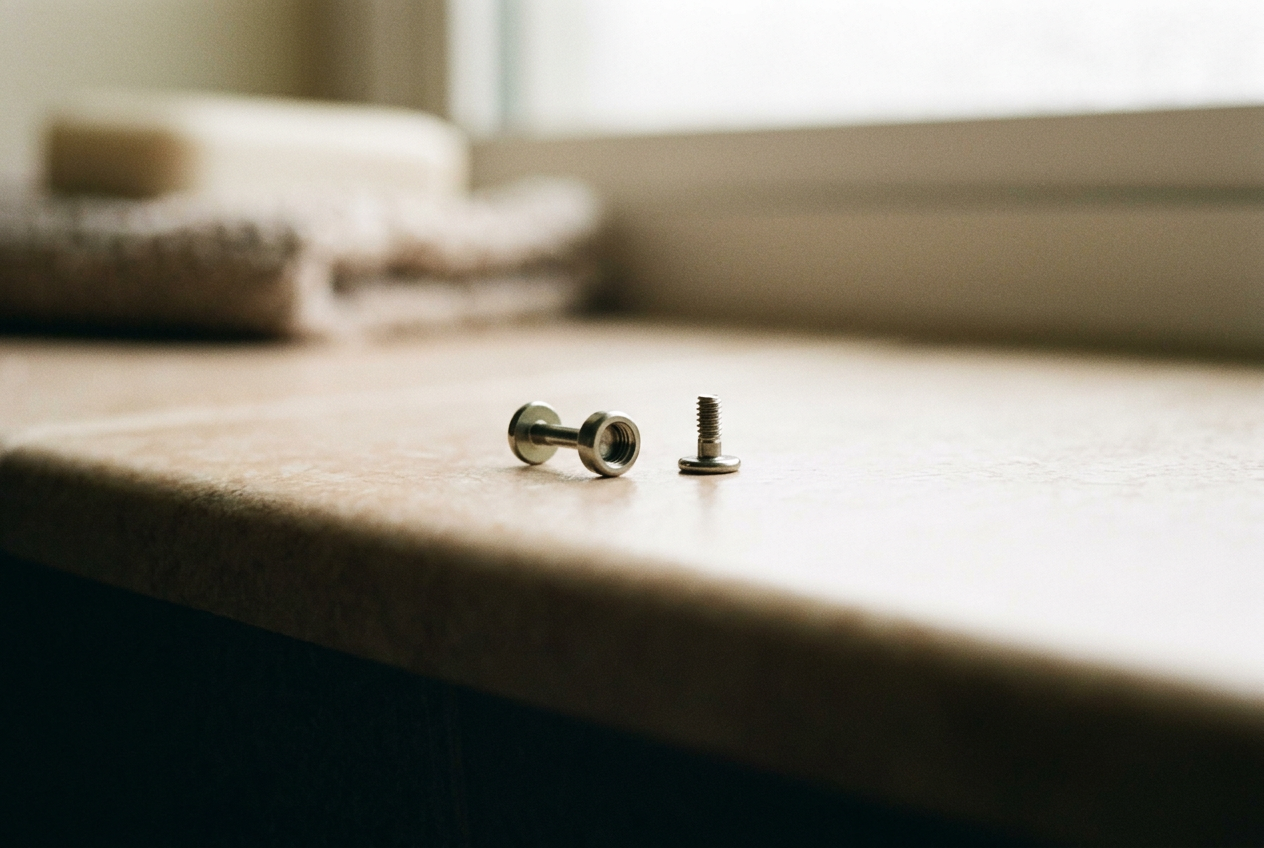
The post length that protects a new piercing from pressure can become the part that catches on hair and pillows later. Downsizing is a fit check, not a DIY deadline.
Margot Lane · 7 min read
Jewelry & Accessories
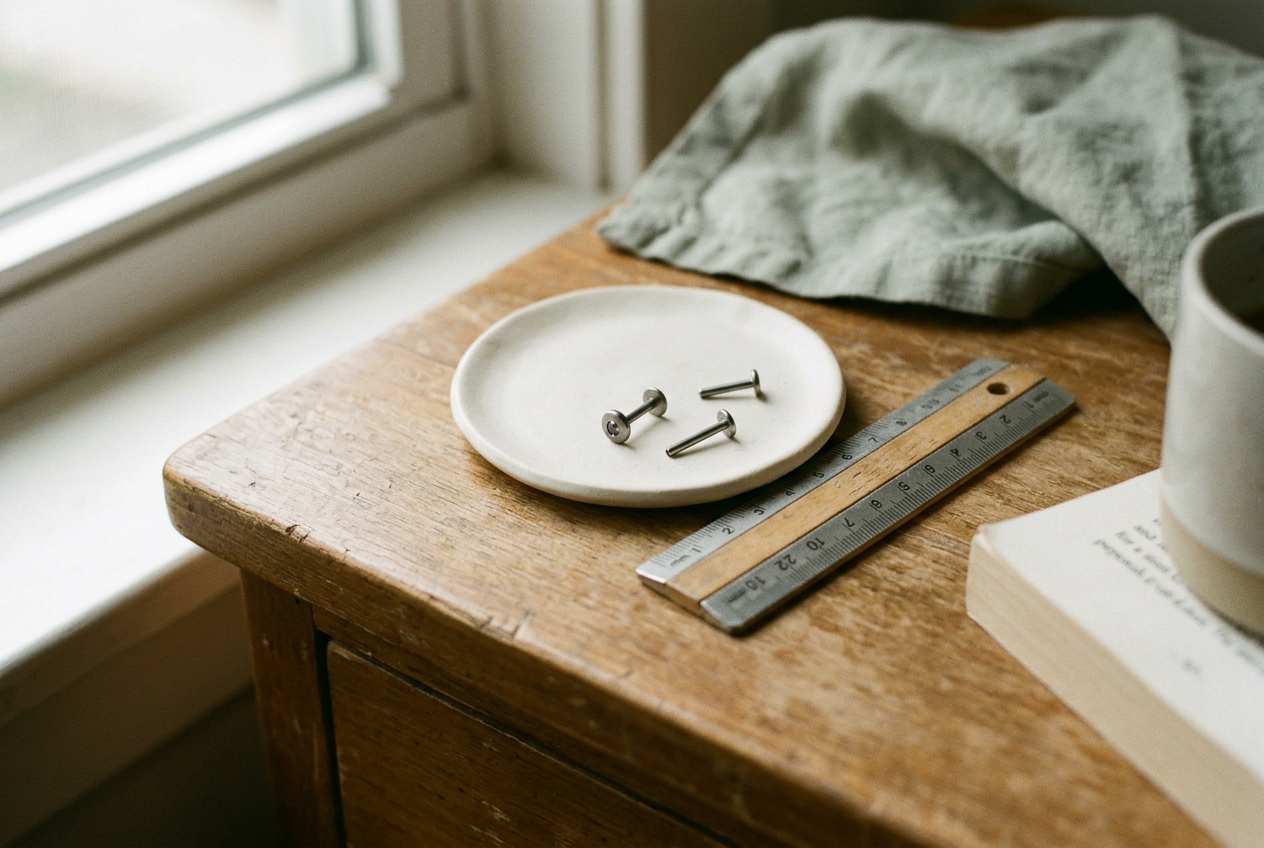
A tiny backing can press into a soft lobe and let the stud tip forward. One extra millimeter of disc width may steady it, though the edge becomes easier to see.
Margot Lane · 7 min read
Jewelry & Accessories
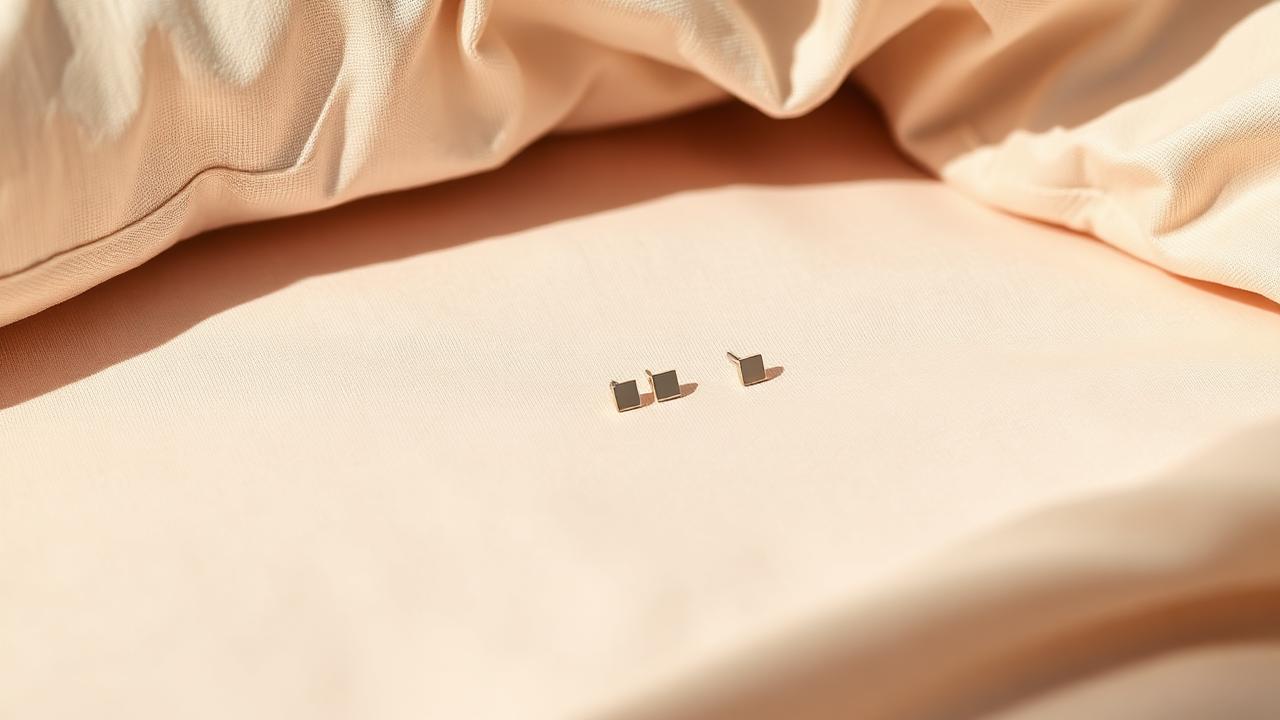
The flush backing is the selling point, but post length and disc size decide whether you wake up with a sore lobe.
Margot Lane · 5 min read