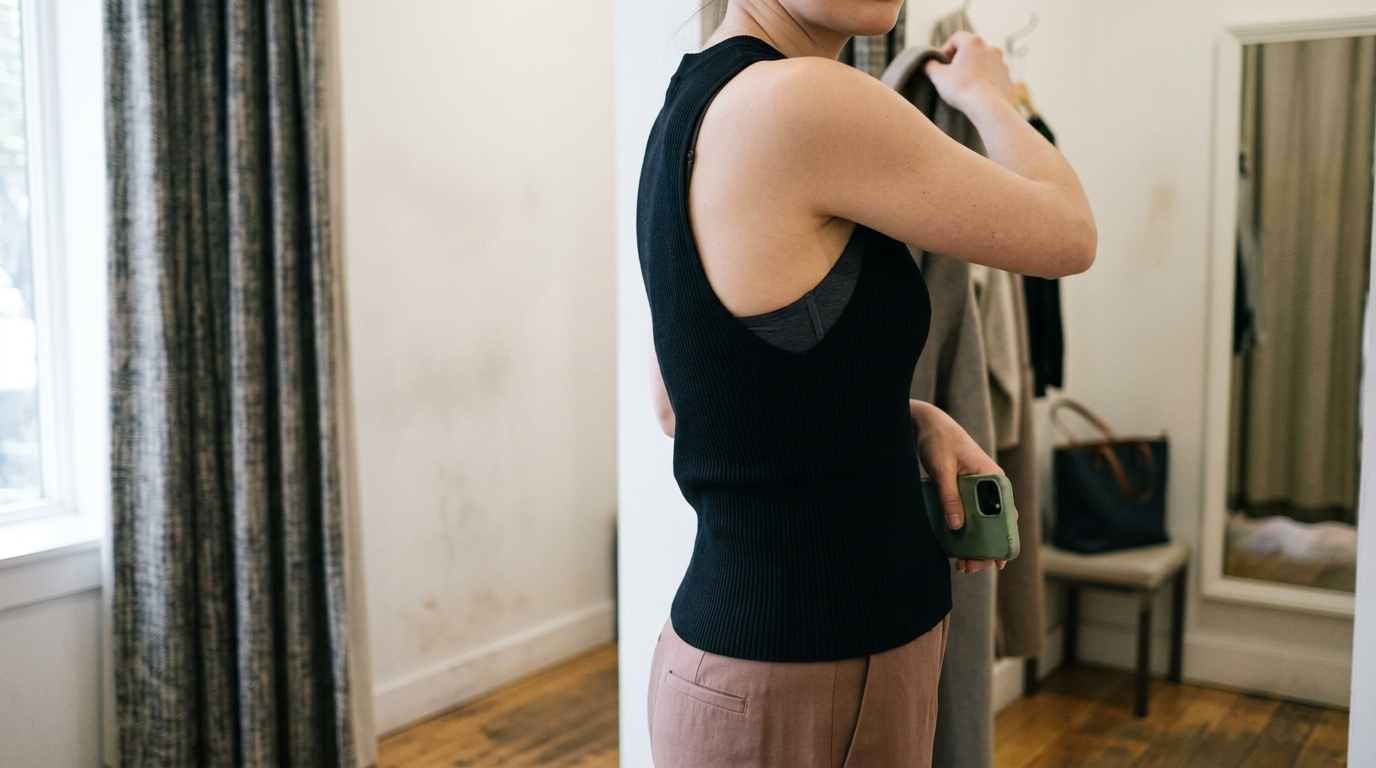
Style Notes
A sleeveless top can pass in front of the mirror and fail as soon as you reach. This fitting-room sequence finds bra exposure, side gaping, and stretched edges before you buy.
June Park · 8 min read
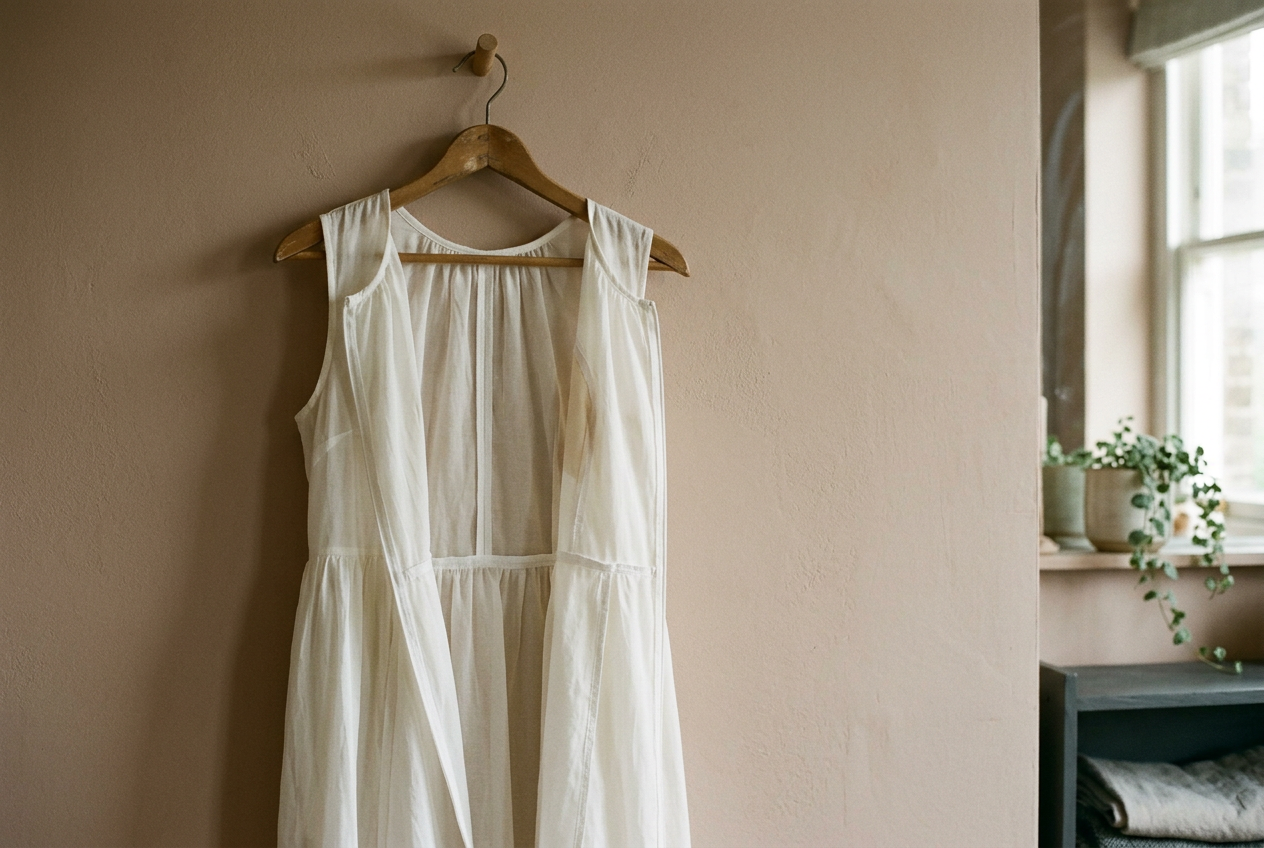
Style Notes
A lining can stop sheerness and cling, but it also adds warmth, labor, and alteration costs. The right answer depends on the outer fabric and where the dress fits closely.
June Park · 7 min read
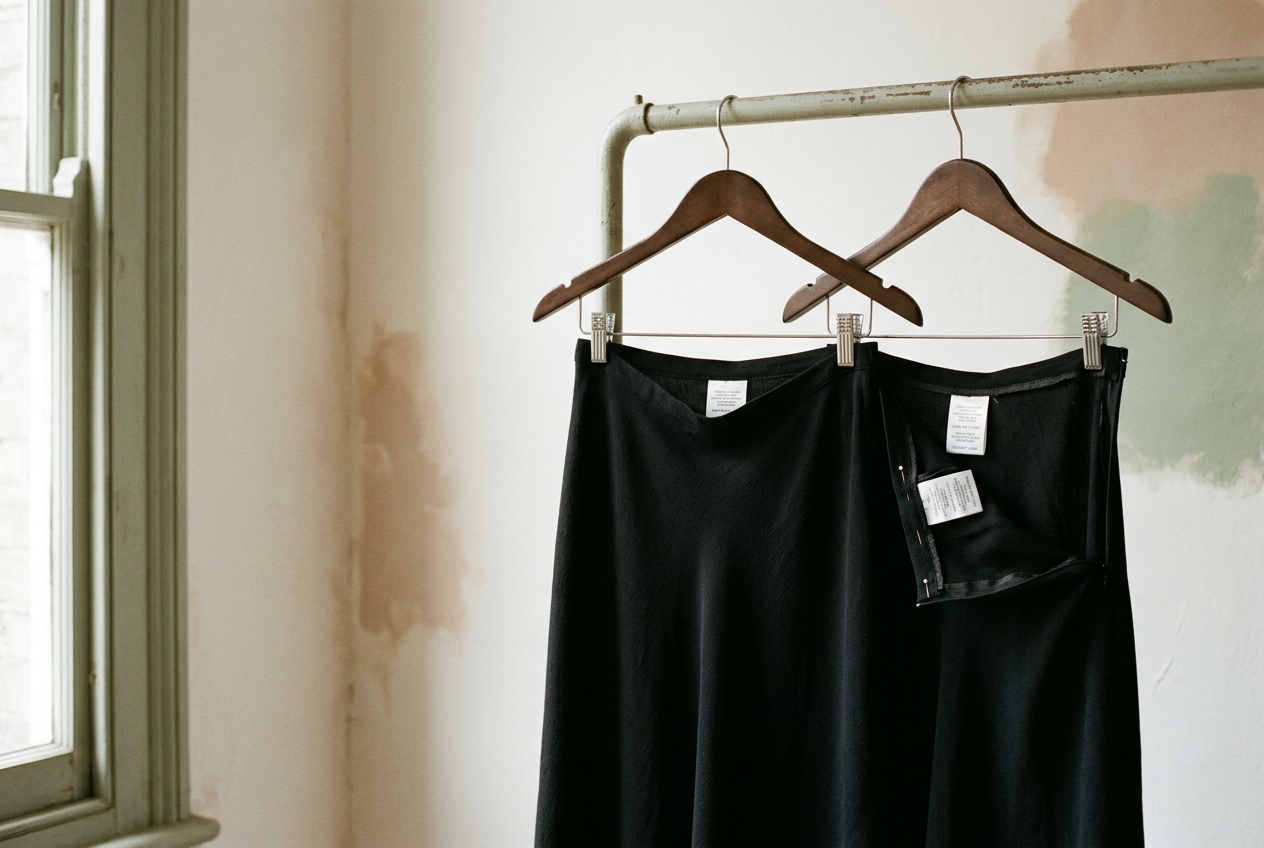
Style Notes
The shine tells you almost nothing useful. For summer dresses and skirts, the real choice is cooler wear and finer care versus easy washing, static, and trapped heat.
June Park · 7 min read
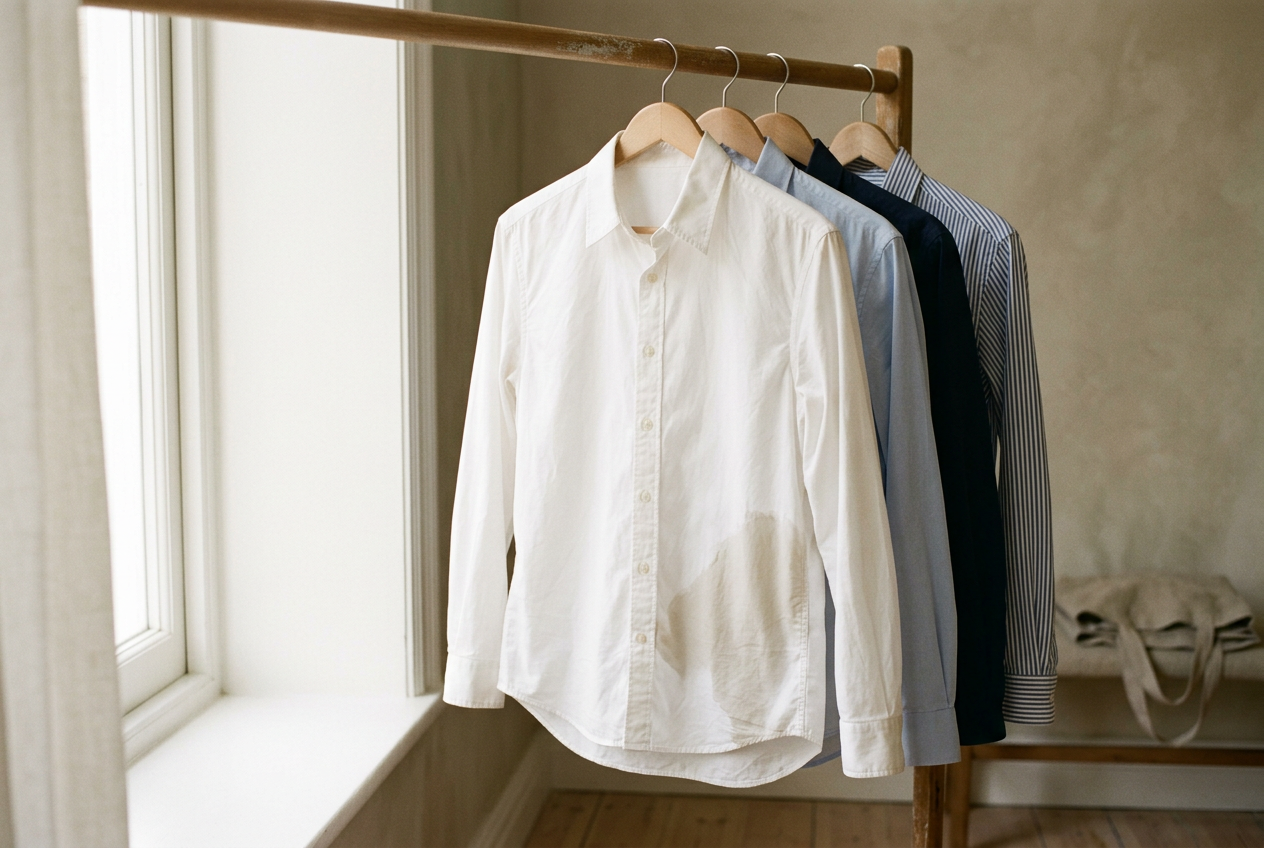
Style Notes
Lightweight poplin keeps its shape in summer, but color and fit decide whether it shows damp patches, turns translucent or clings. Here is when to switch to seersucker or linen.
June Park · 8 min read

Style Notes
A first wash may clear loose indigo. If rubbing still leaves a navy streak, the jeans remain risky around white shirts, pale leather and canvas bags.
June Park · 7 min read
Style Notes
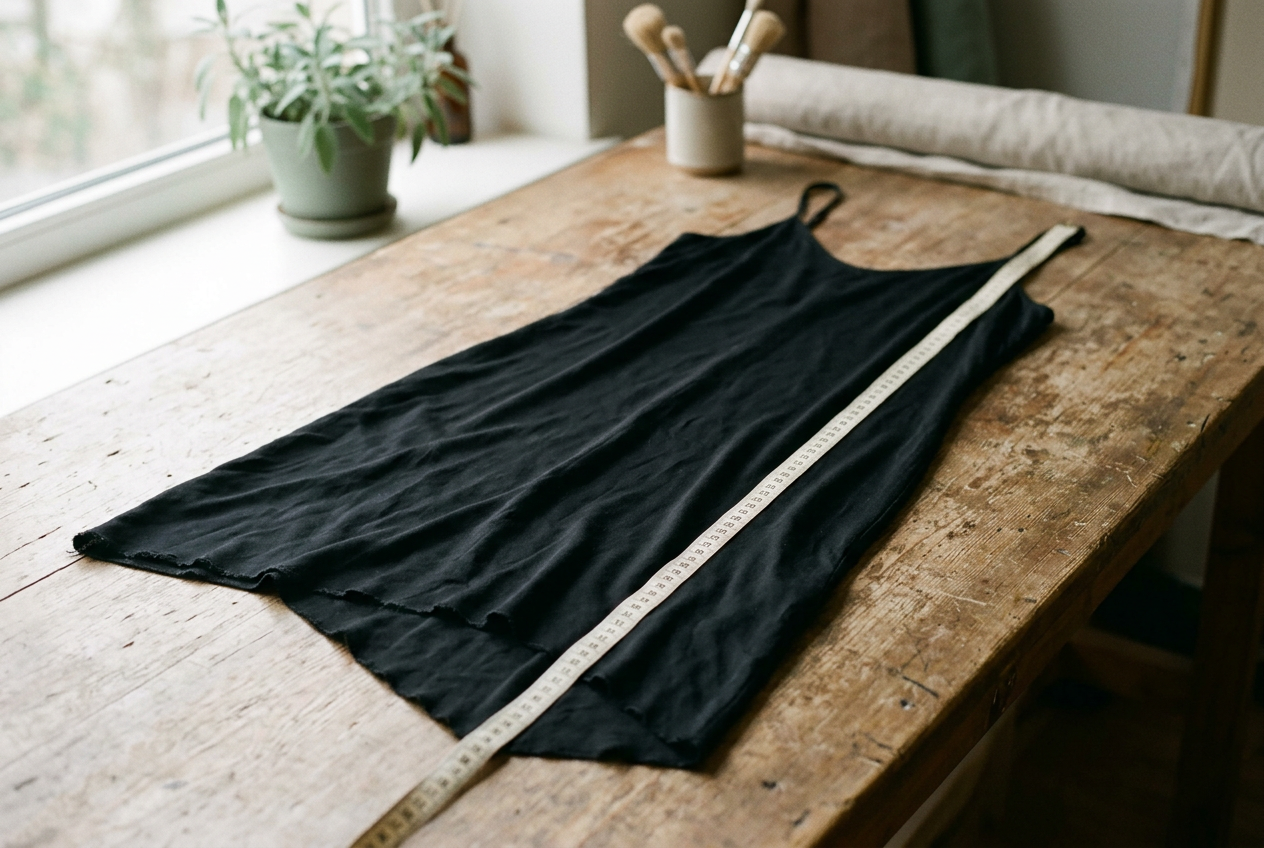
Humidity can make a viscose dress relax under its own weight, particularly when it is cut on the bias. Stabilize the fabric before deciding where the hem belongs.
June Park · 8 min read
Style Notes
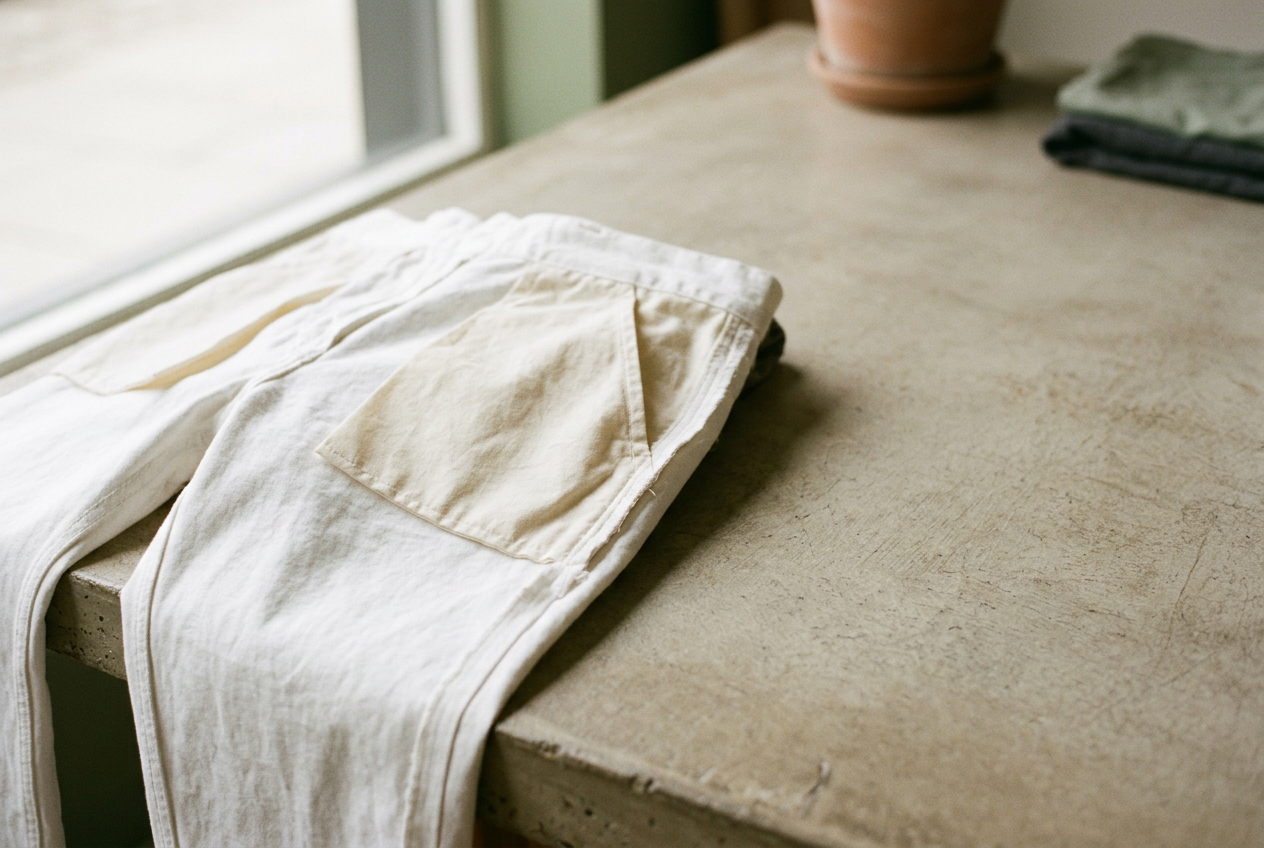
Underwear color matters, but fit, stretch and pocket construction decide whether unlined white pants look clean. Here is what to check before keeping the pair.
June Park · 8 min read
Style Notes
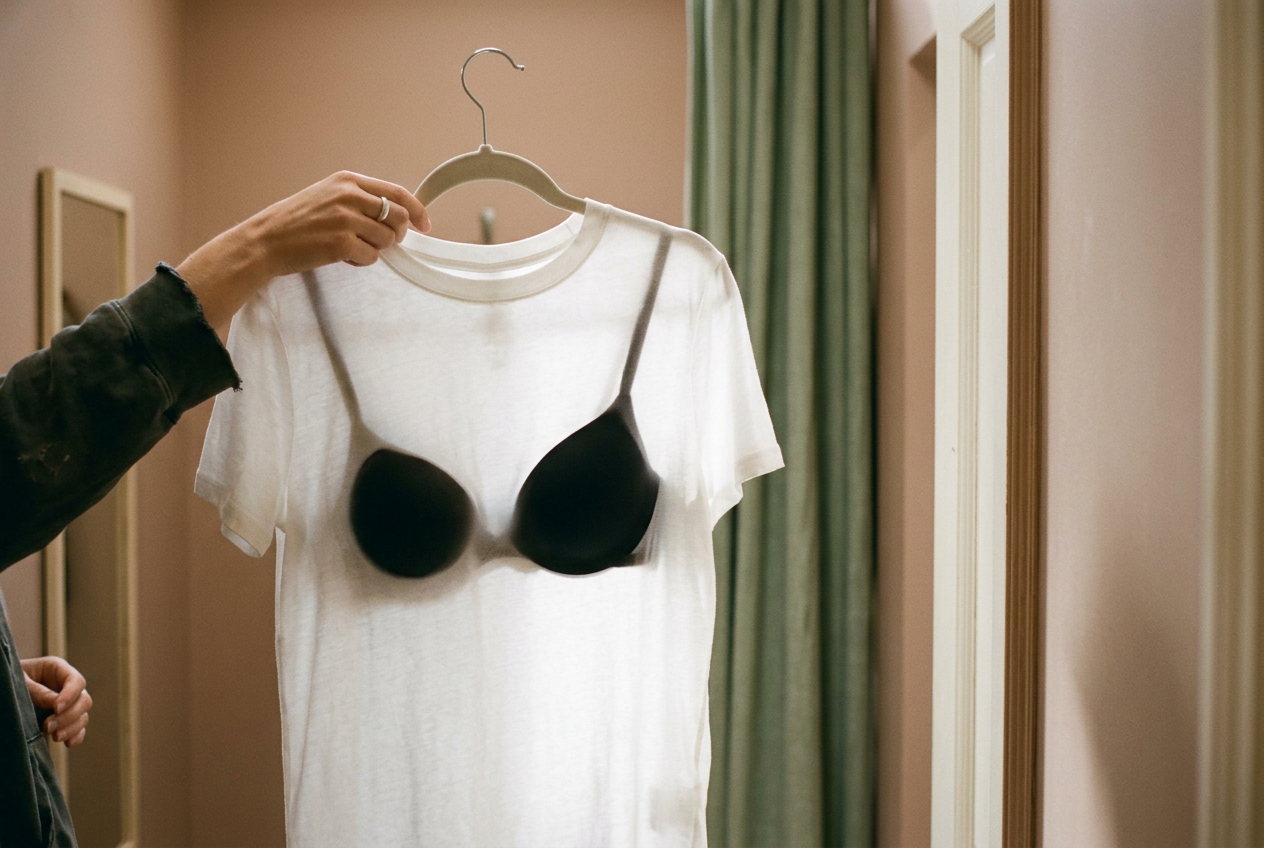
Fabric weight is a weak shortcut for opacity. This fitting-room test shows how knit density, stretch and two kinds of light reveal the white T-shirts worth keeping.
June Park · 7 min read
Style Notes
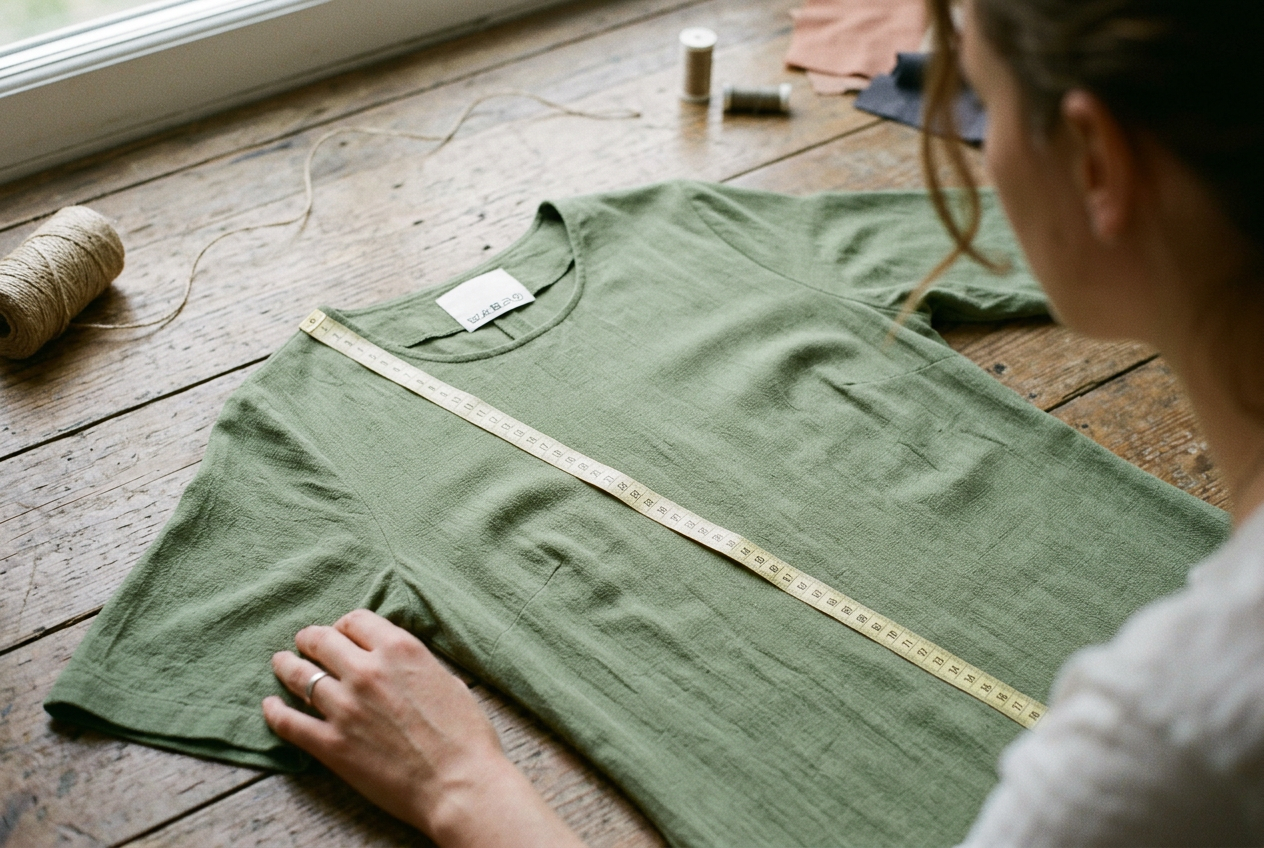
A dry-clean-only label on a viscose dress often points to wet shrinkage and distortion, not fussiness. Here is how to judge the risk before washing or buying.
June Park · 8 min read
Style Notes
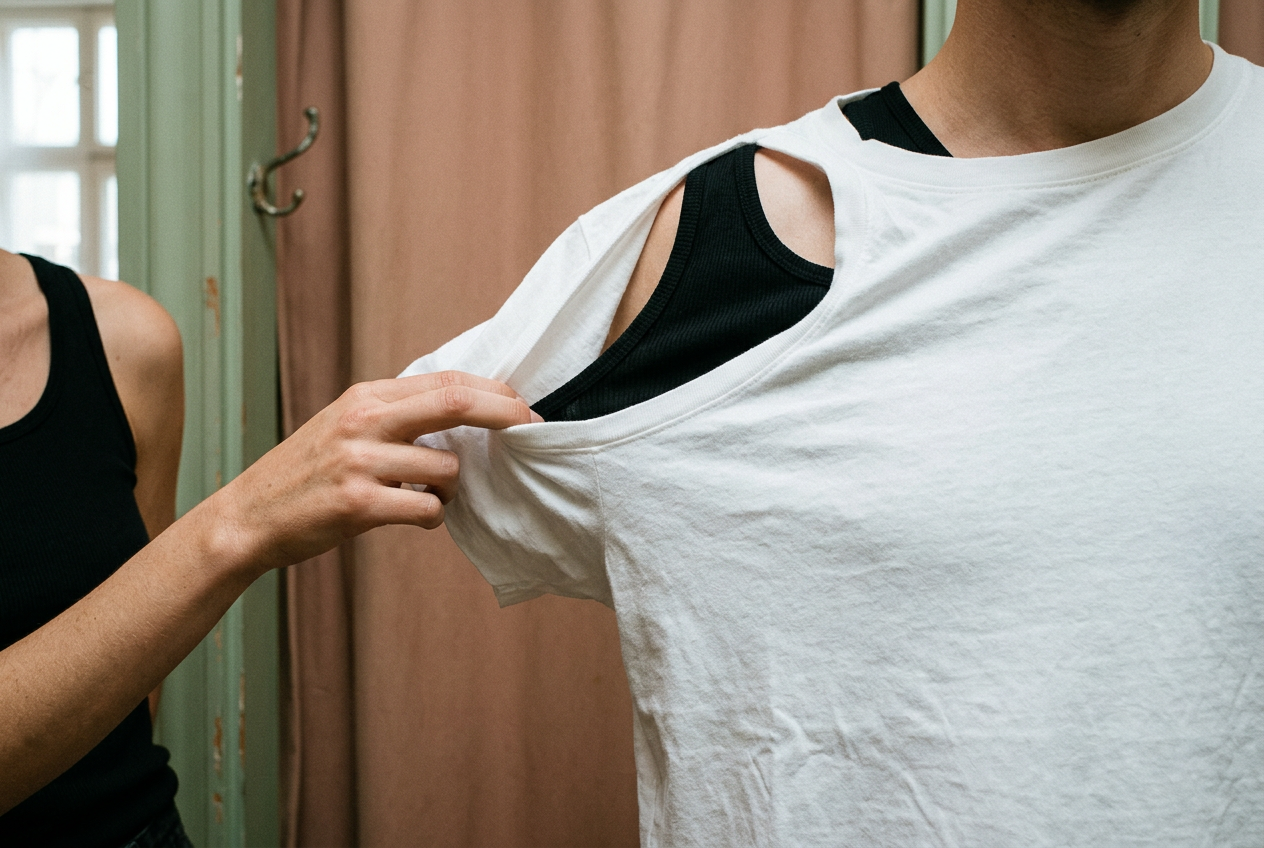
Color labels tell you almost nothing about opacity. Use the fabric, phone-flash, and movement checks to find the white T-shirt that stays covered outside the fitting room.
June Park · 7 min read
Style Notes
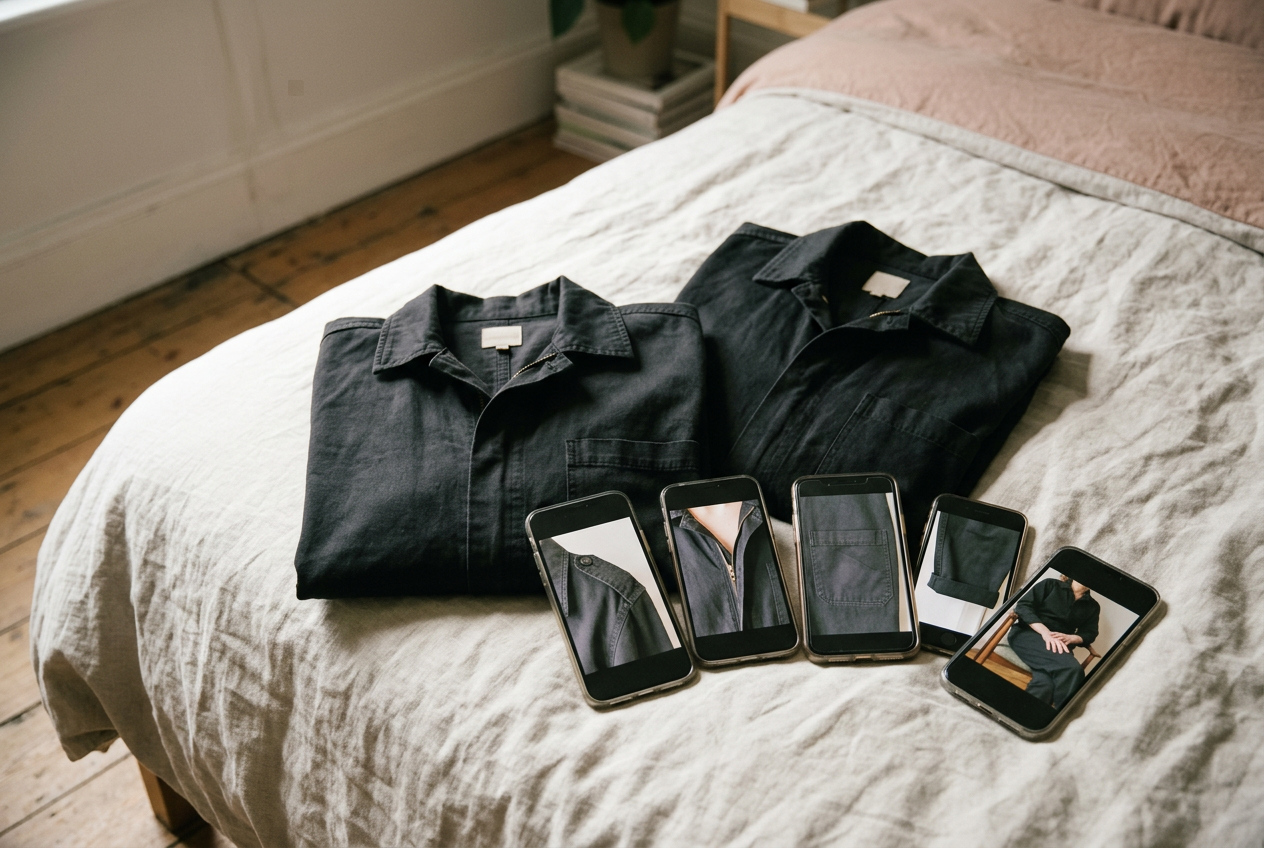
A mirror can make two adjacent sizes look equally plausible. Five repeatable photos reveal which one moves better and whether the problem is sizing or construction.
June Park · 8 min read
Style Notes
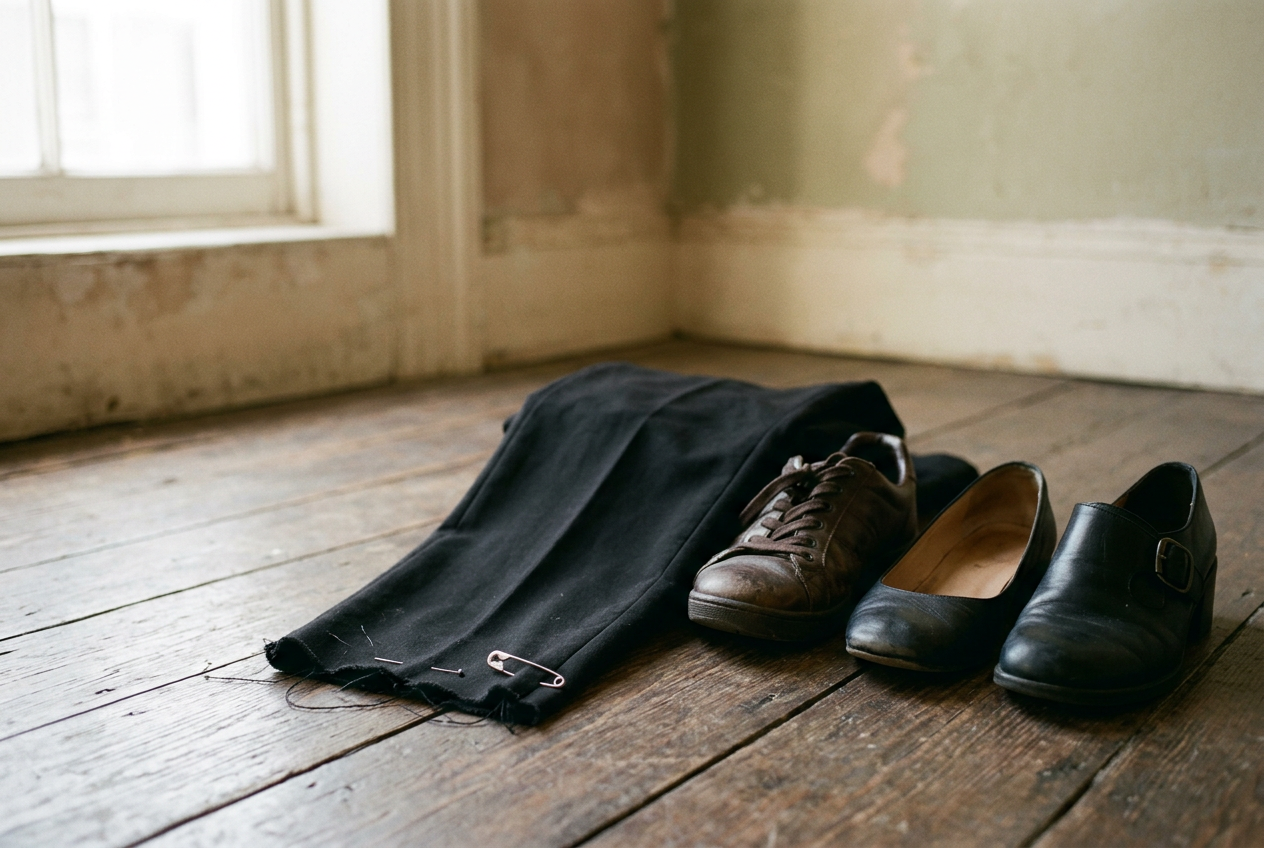
Sneakers, flats, and low heels lift and catch fabric differently. Use the leg opening, front break, and floor clearance to find a workable hem or justify a second pair.
June Park · 8 min read
Style Notes
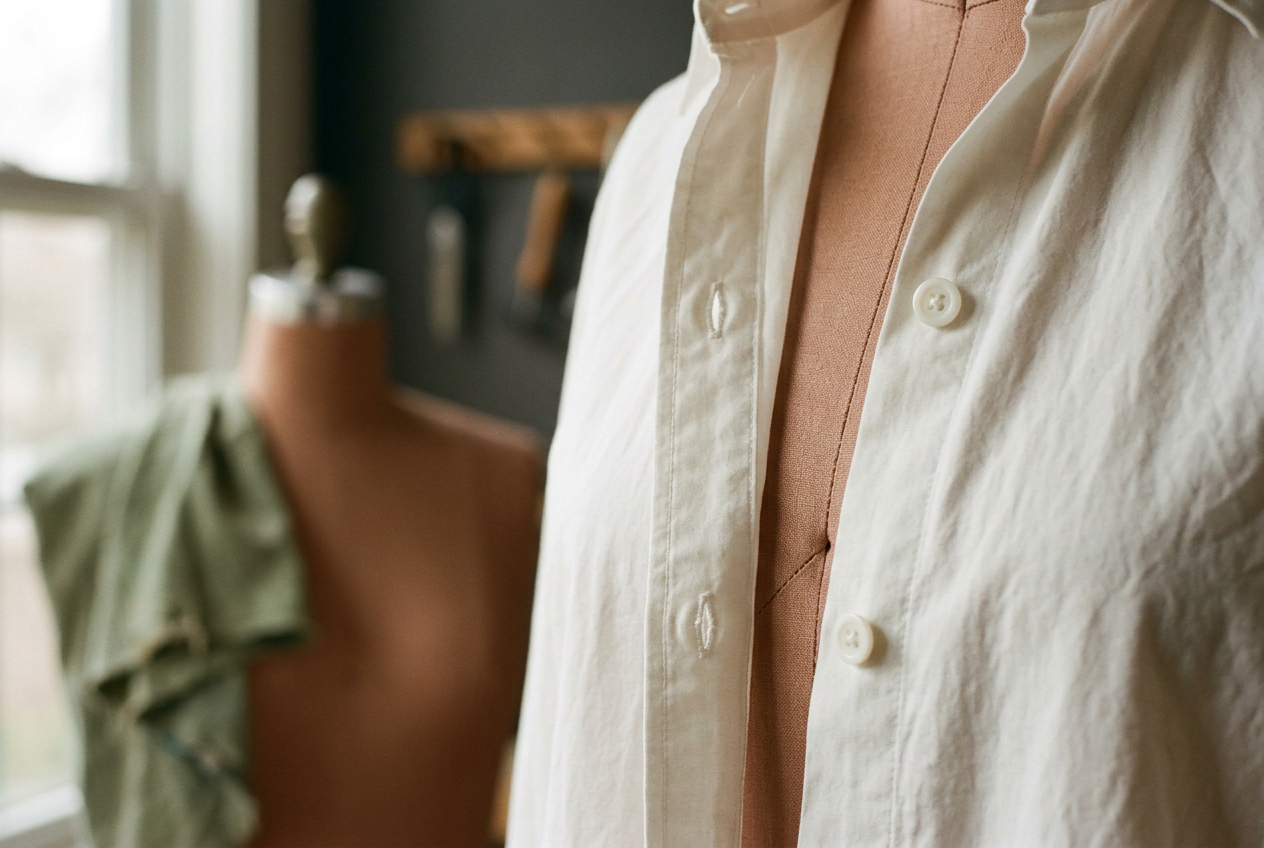
A chest measurement cannot show where a shirt needs room or how its fabric handles tension. The location and timing of the gap reveal whether to add a snap, alter the shirt, or change cuts.
June Park · 8 min read
Style Notes
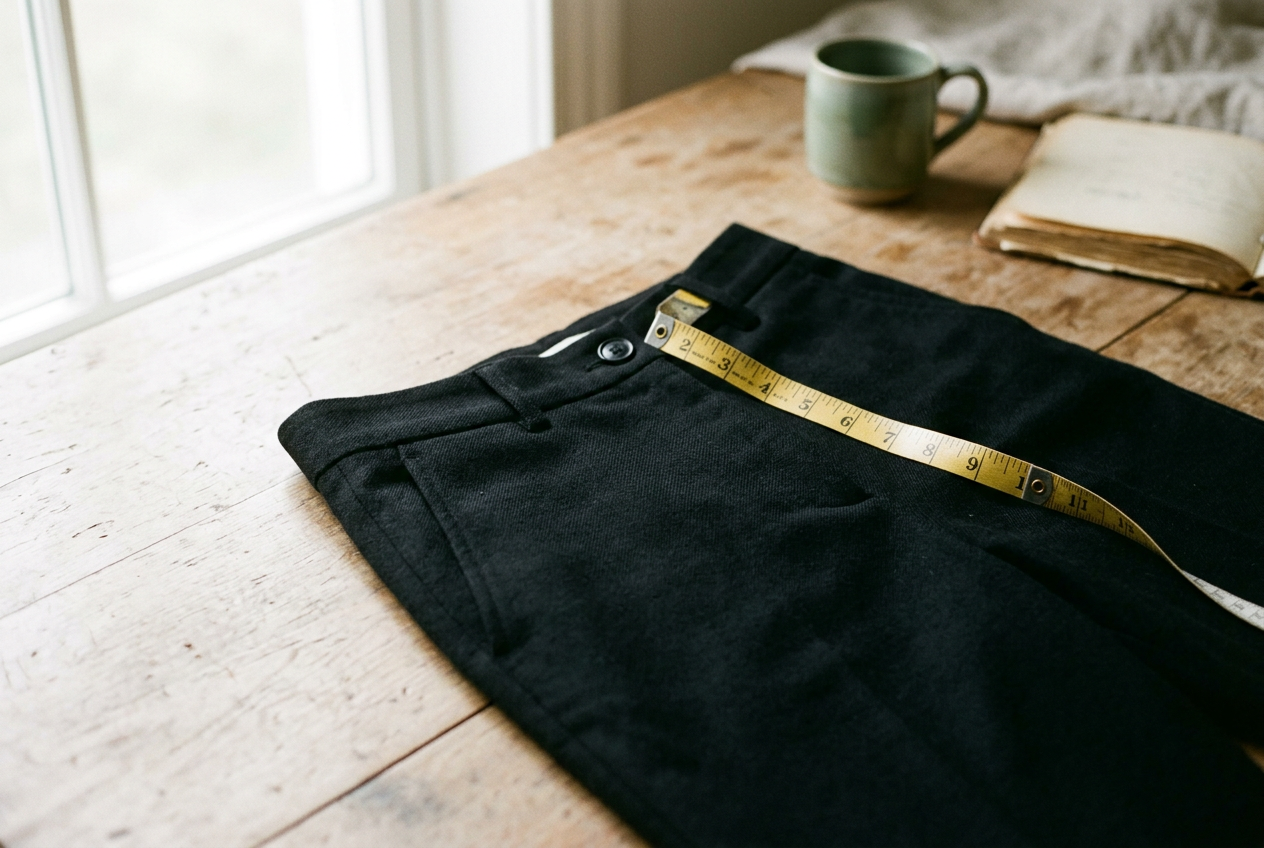
Ignore the letter on the label. A few measurements from clothes that already fit can reveal whether an online size will work before it reaches your door.
June Park · 7 min read
Style Notes
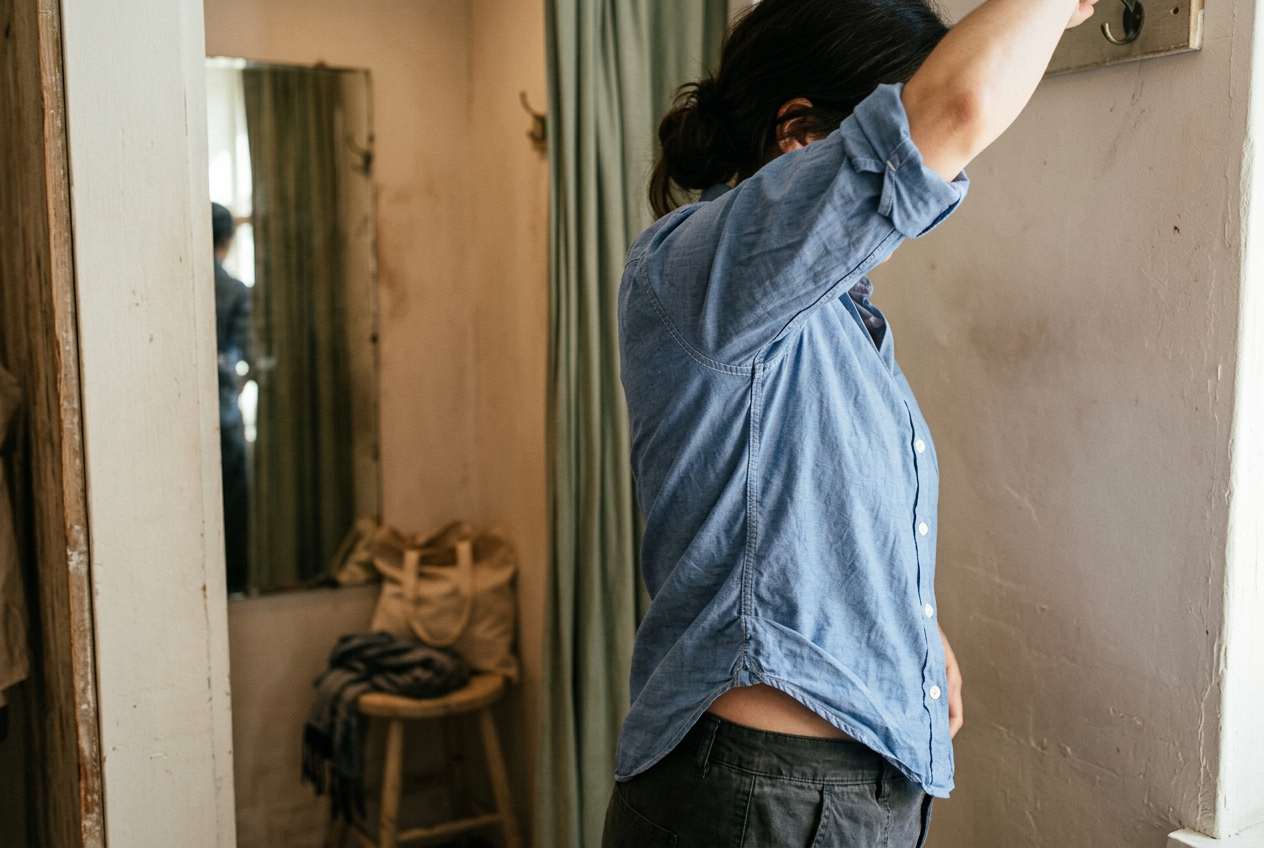
A two-minute fitting-room test separates a narrow sleeve from an armhole cut too low. One may be worth altering; the other usually means trying a different cut.
June Park · 7 min read

Style Notes
A wrap dress stays put when its front panels overlap through movement. Here is how to test that coverage and fix drifting fabric without cinching the waist all day.
June Park · 8 min read
Style Notes
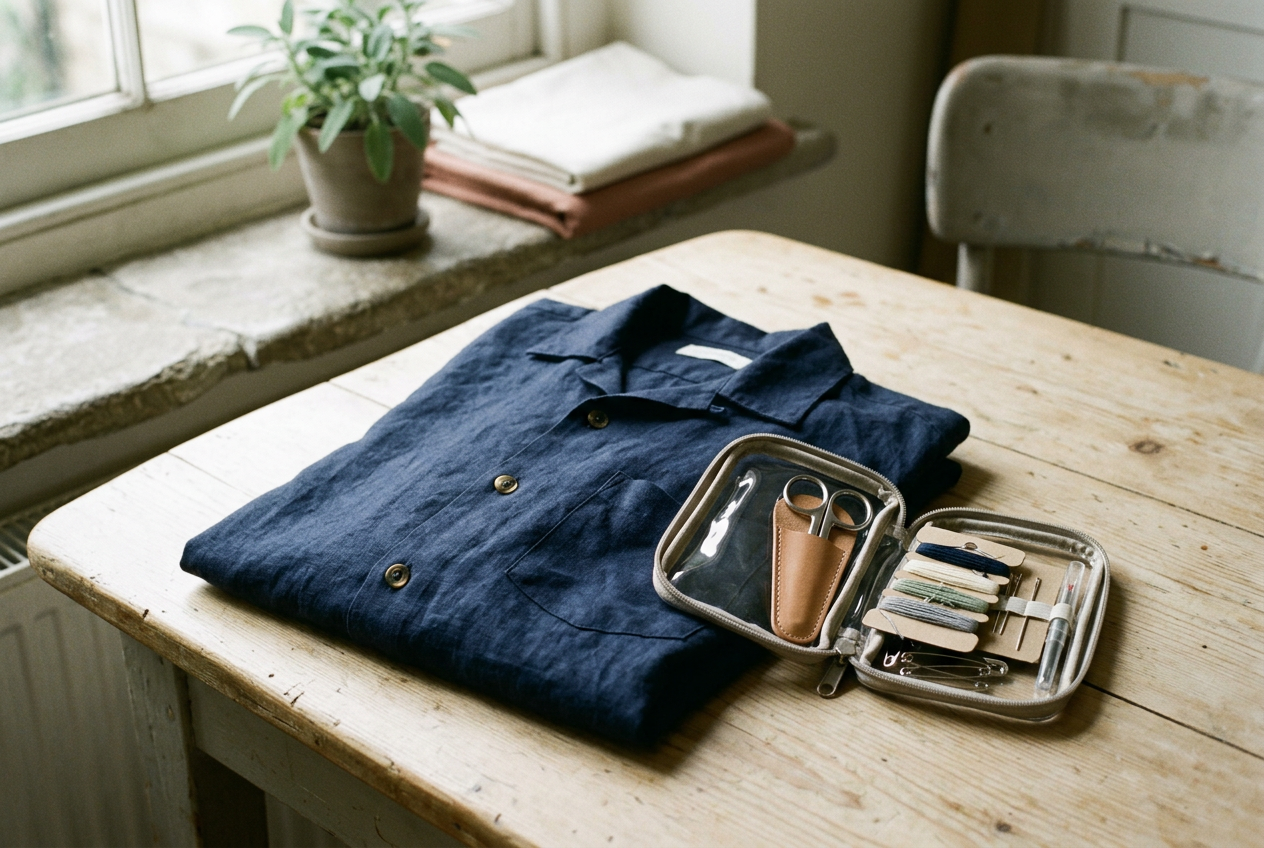
The best travel sewing kit leaves out the seam ripper and fabric glue. Pack measured scissors, sewing needles, thread, tape and a clip-on zipper pull instead.
June Park · 8 min read
Style Notes
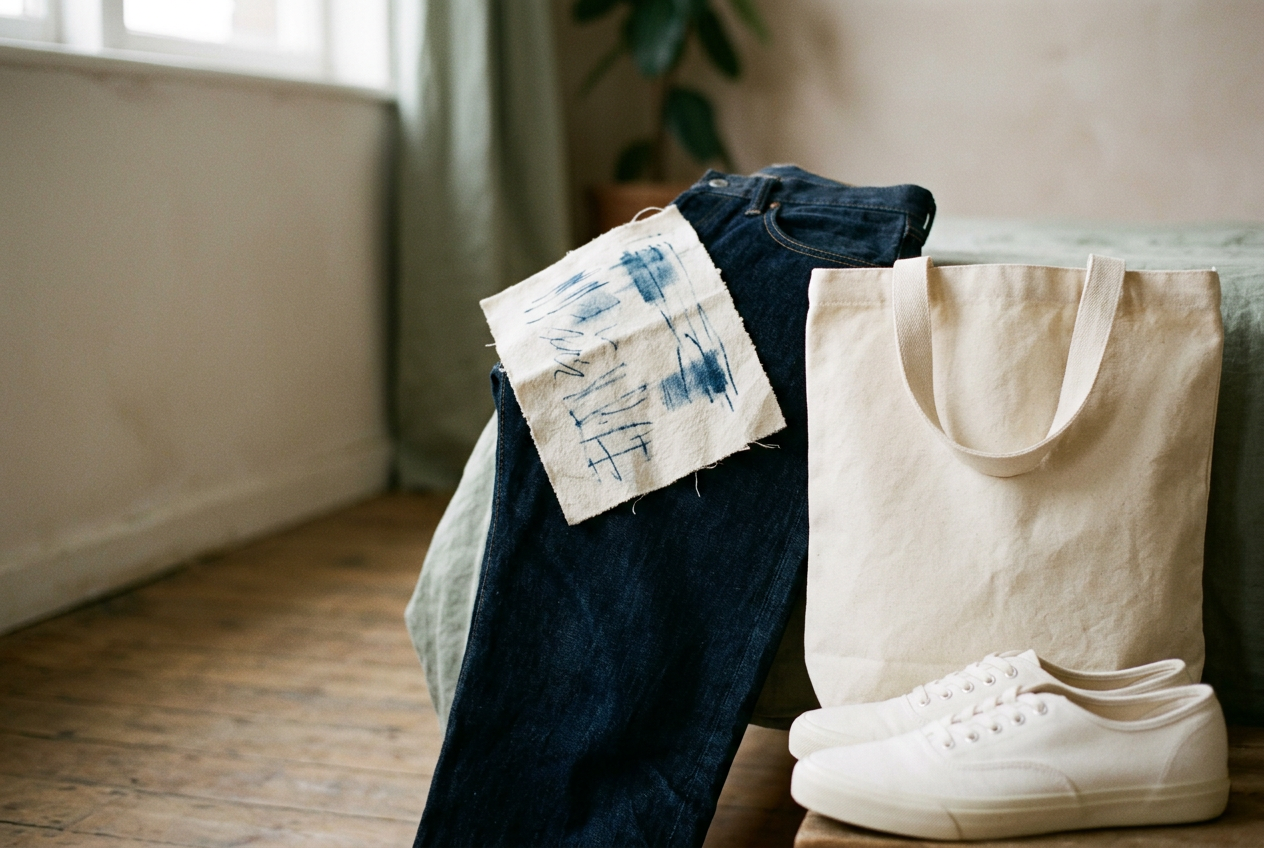
Dark indigo can rub onto an ivory tote, white sneakers, or a pale sofa before you notice. A white-cloth test shows when separation is wiser than styling optimism.
June Park · 8 min read
Style Notes
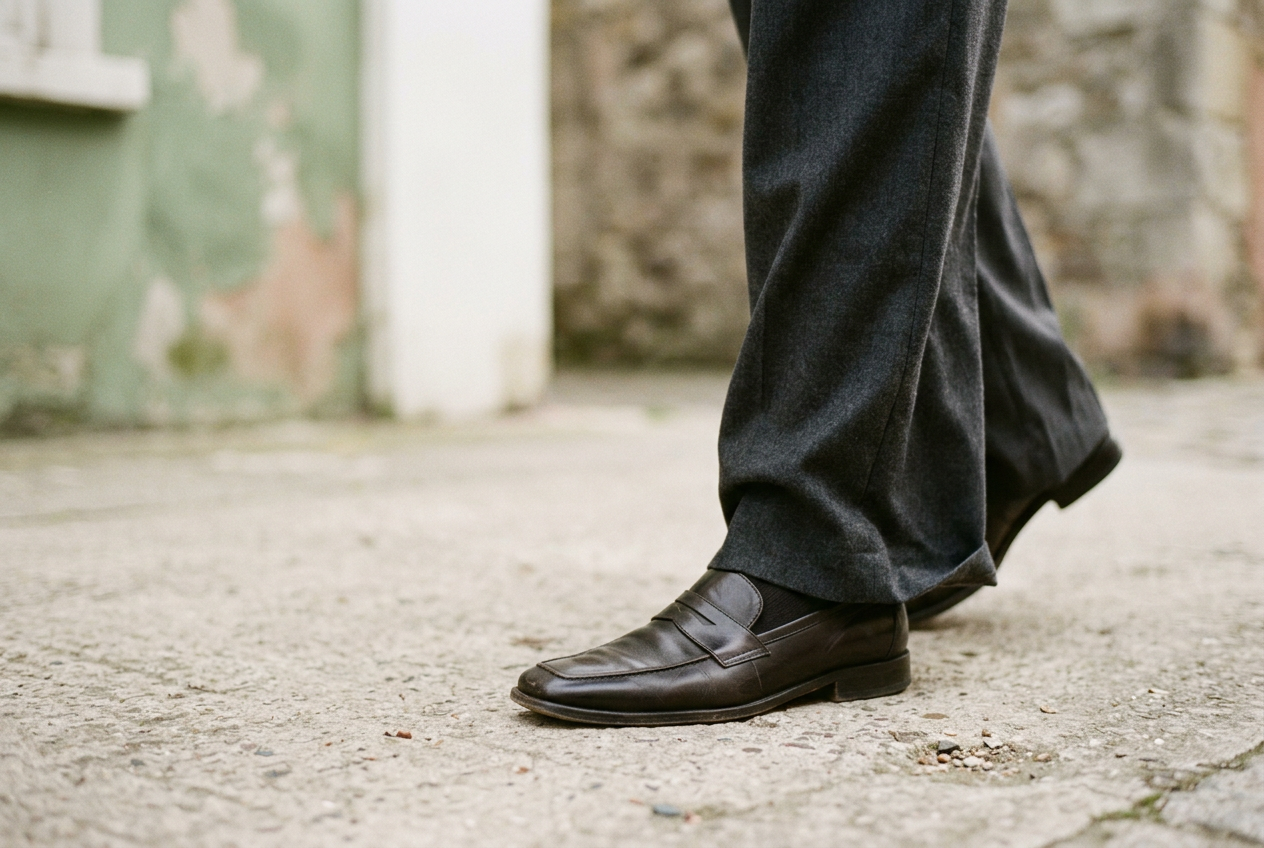
A stationary fitting can hide the way wide hems swing off shoes and a restrictive rise pulls trousers lower. This walking test shows what to alter before cloth meets scissors.
June Park · 8 min read
Style Notes
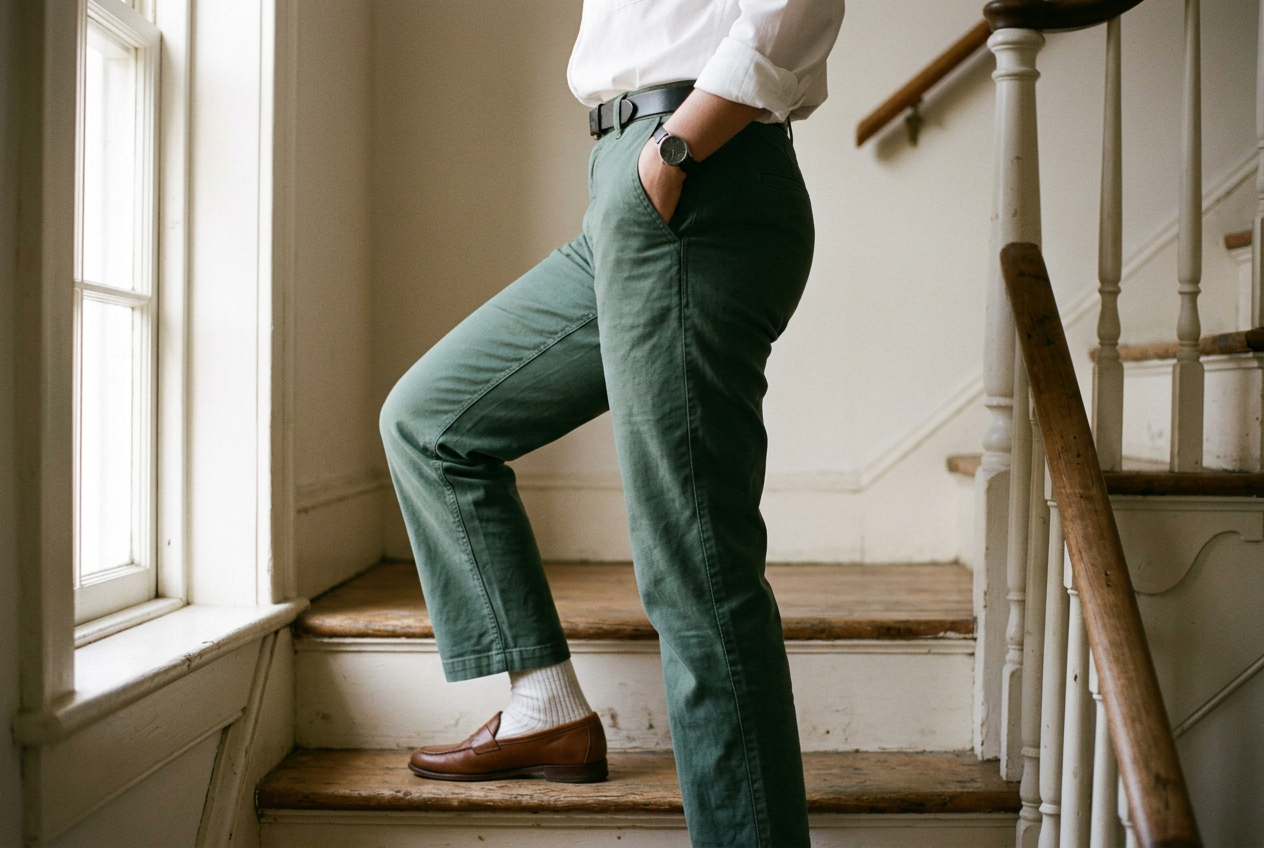
A smooth waistband does not guarantee a mobile fit. A short walking and stair test can expose tight thighs, a mismatched rise, and pockets that flare only once you move.
June Park · 7 min read
Style Notes
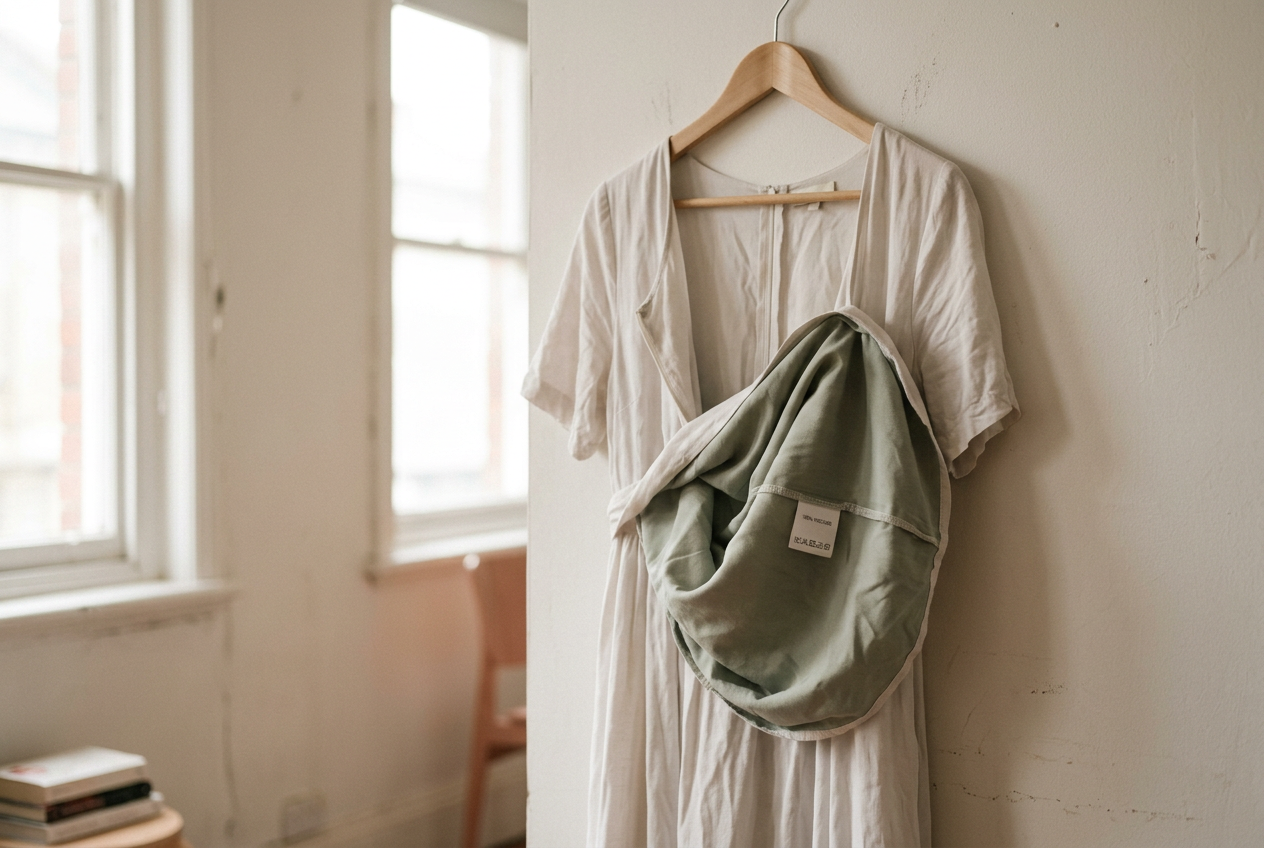
Cupro, acetate and polyester linings may look alike on a hanger, but they handle sweat, static and cleaning differently. Sometimes the better summer choice is less lining.
June Park · 8 min read
Style Notes
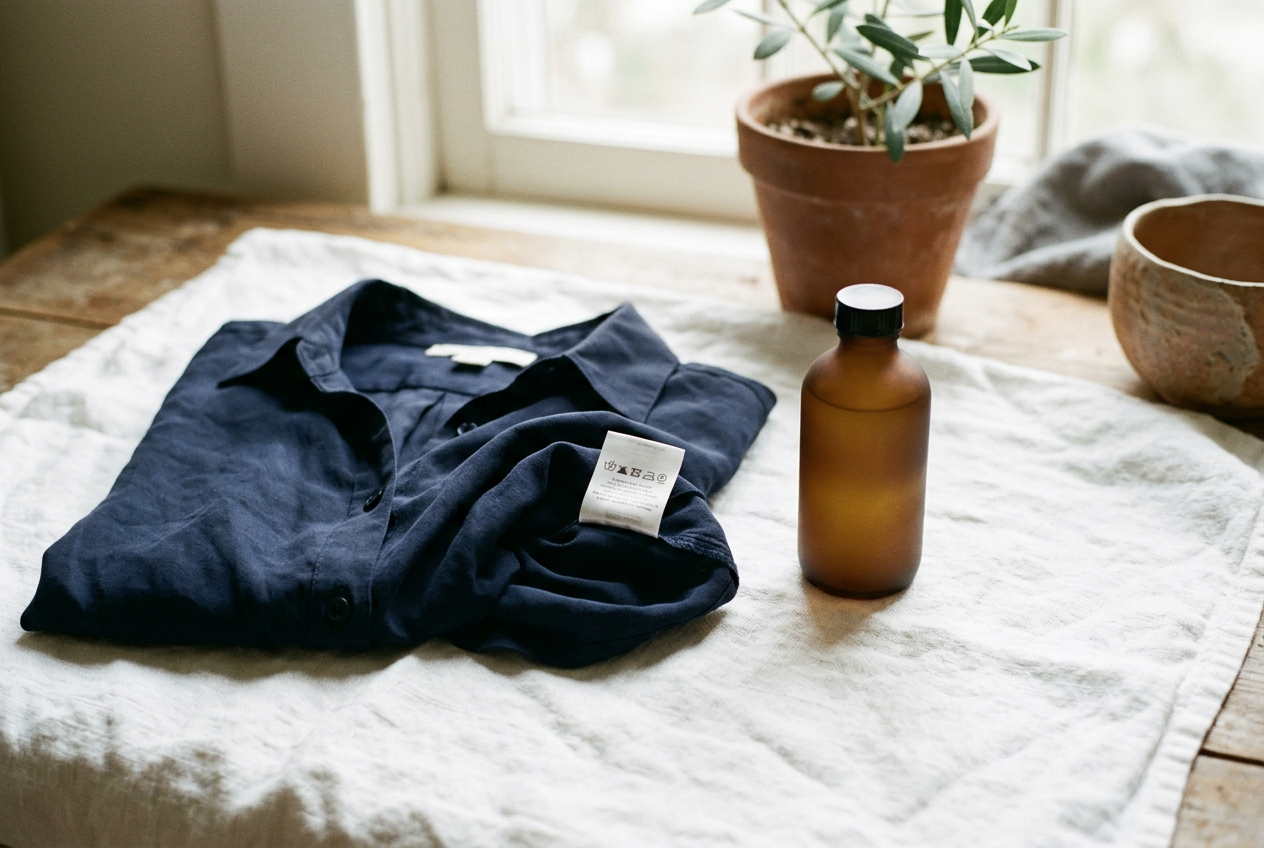
A washable silk shirt can still demand a sink, special detergent, and a day of drying space. The sewn-in label tells you whether the upkeep suits your budget and routine.
June Park · 8 min read
Style Notes
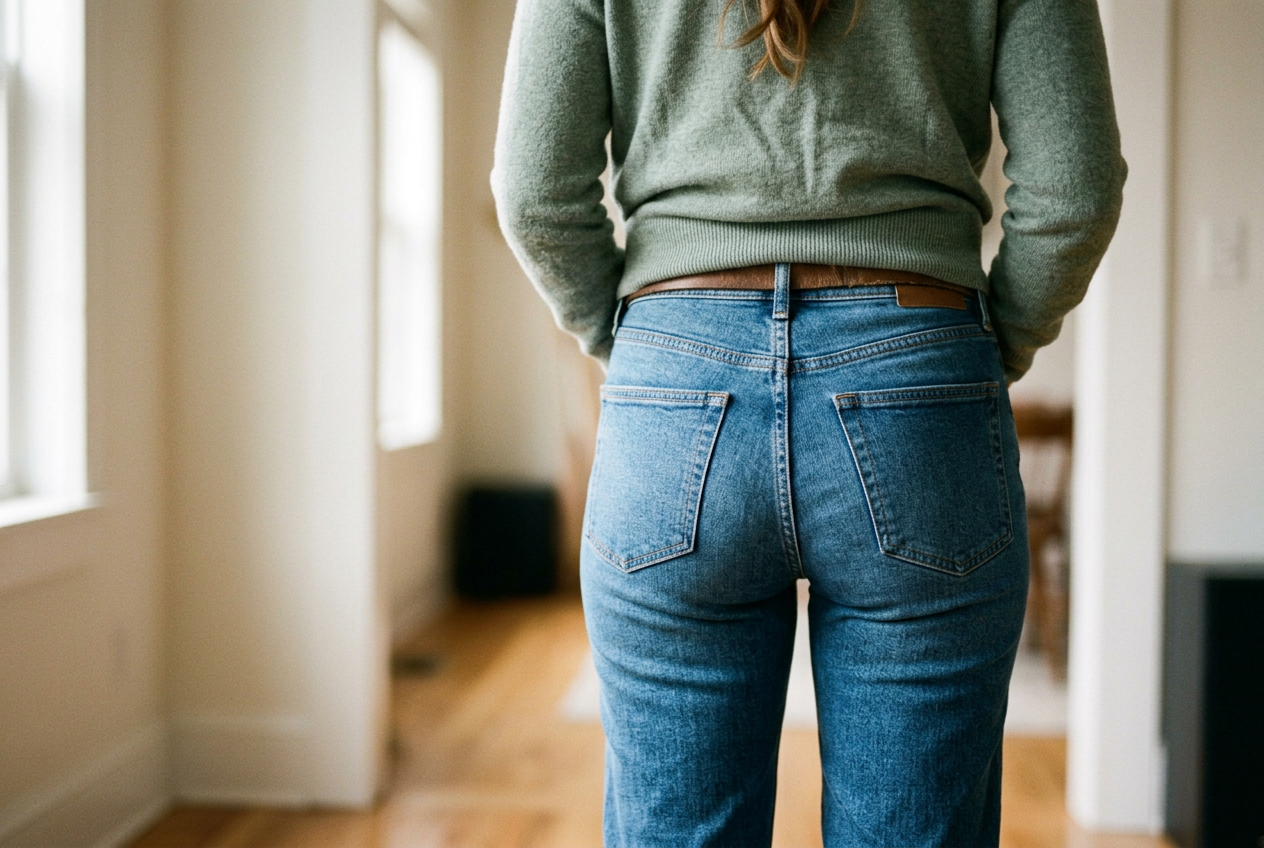
A back-waist gap often comes from the jean’s pattern, not the wrong size. Compare curvy cuts and rise shapes before paying a tailor to take in the waistband.
June Park · 7 min read
Style Notes
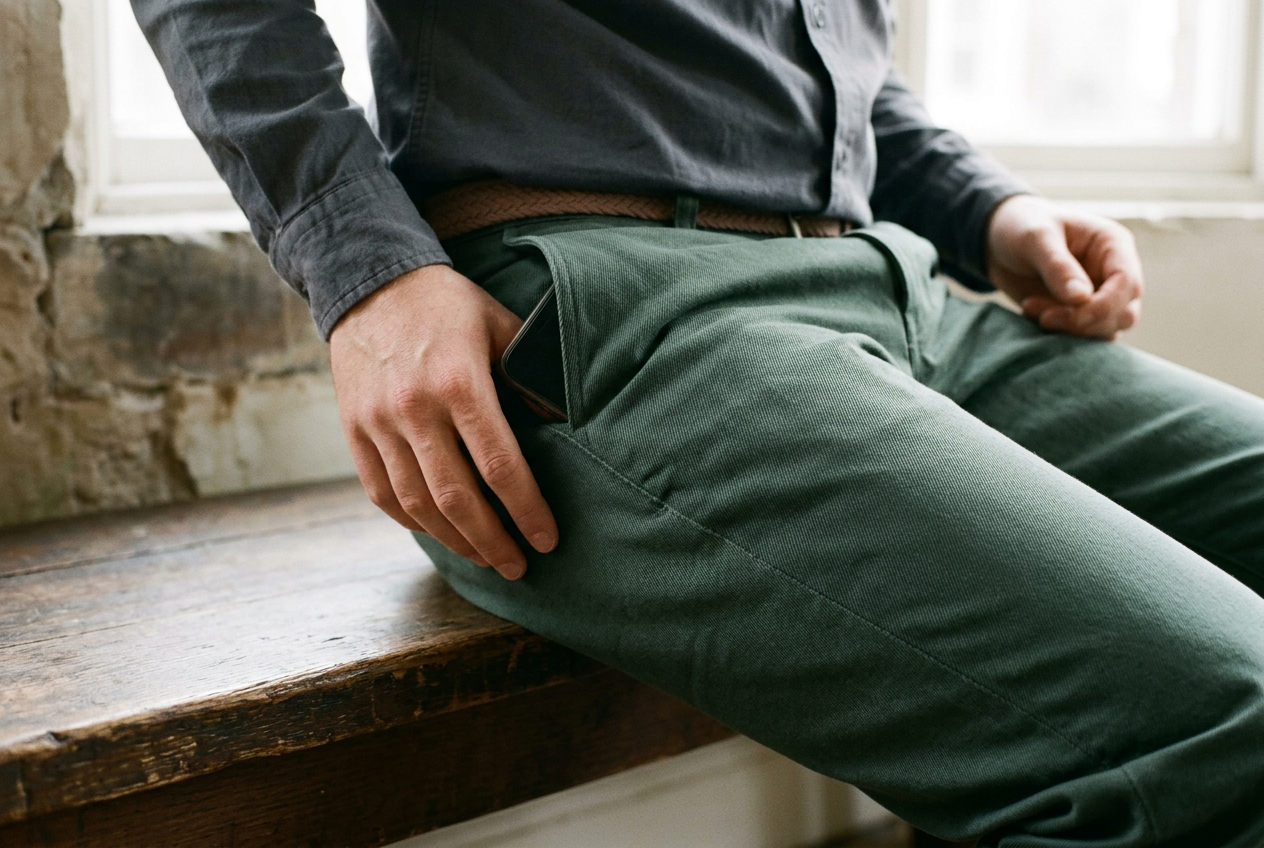
Lap strain can come from the rise, thigh, or pockets, and each calls for a different fix. A quick seated test can tell you whether to change size, change cut, or consider alterations.
June Park · 7 min read
Style Notes
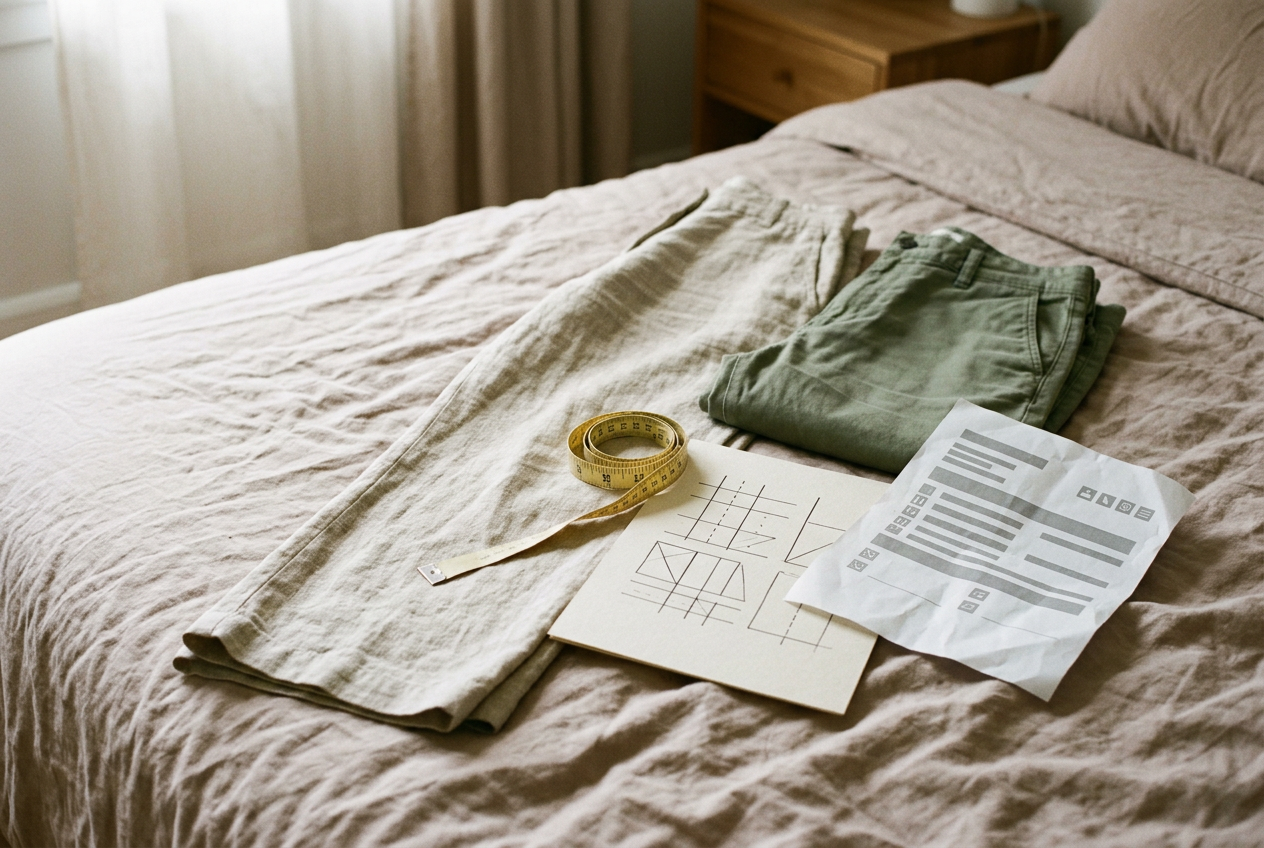
A practical decision tree for comparing uncertain-fit clothes with a known alternative, without pretending you can predict the exact chance of a return.
June Park · 8 min read
Style Notes
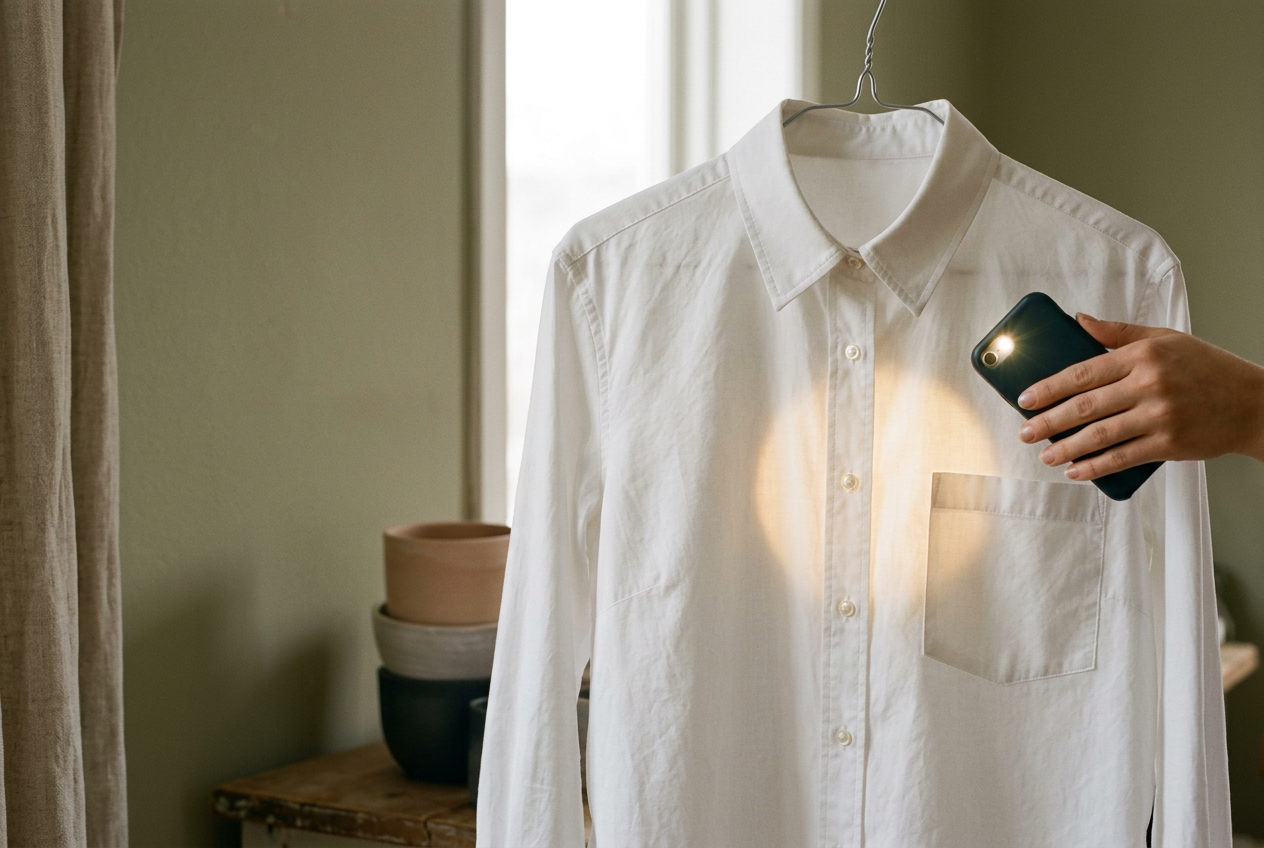
A crisp white poplin button-up looked opaque in the fitting room, then exposed every underlayer in direct sun. Yarn density, finish, color, pockets and fit explain the change.
June Park · 8 min read
Style Notes
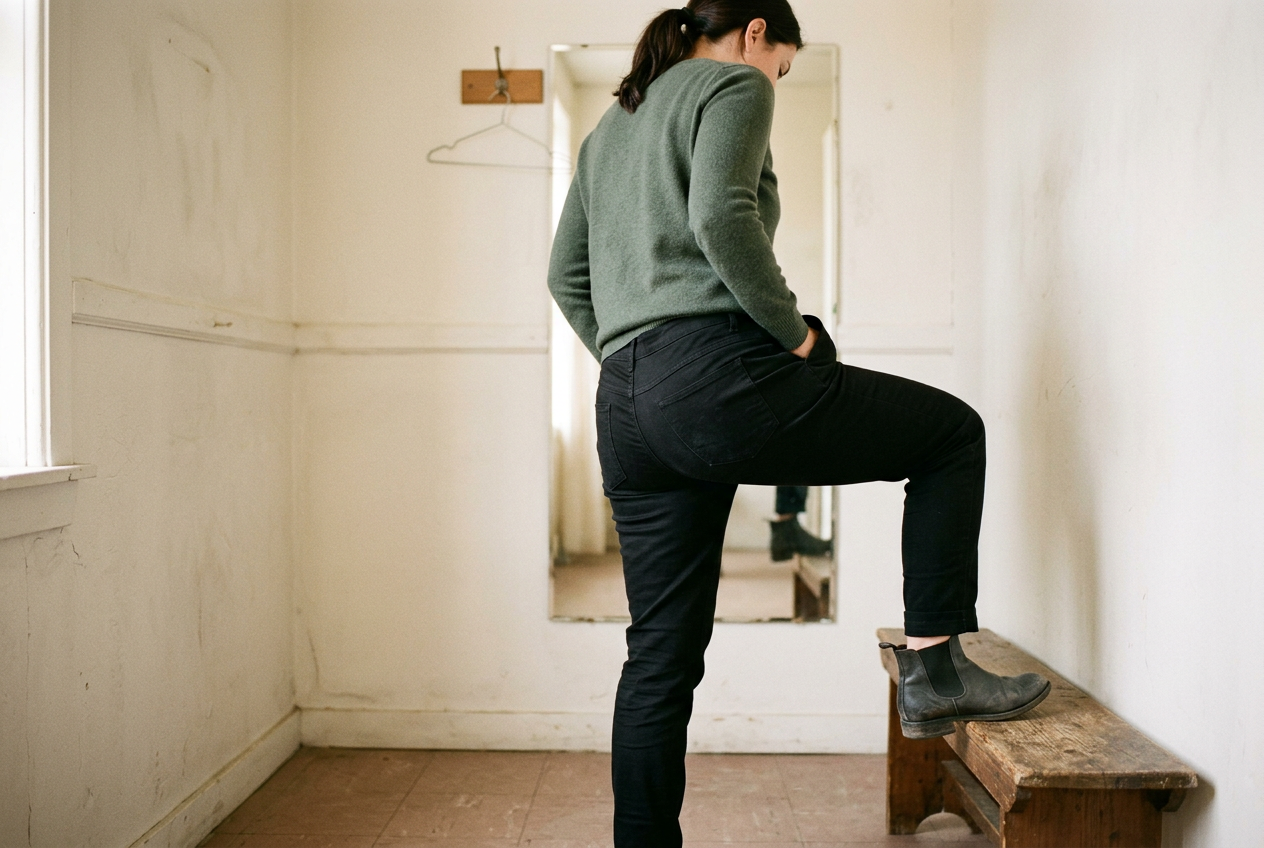
Elastane can make a waistband feel forgiving while the pockets flare and the fabric bags after sitting. Four dressing-room movements give a more useful fit verdict.
June Park · 7 min read
Style Notes
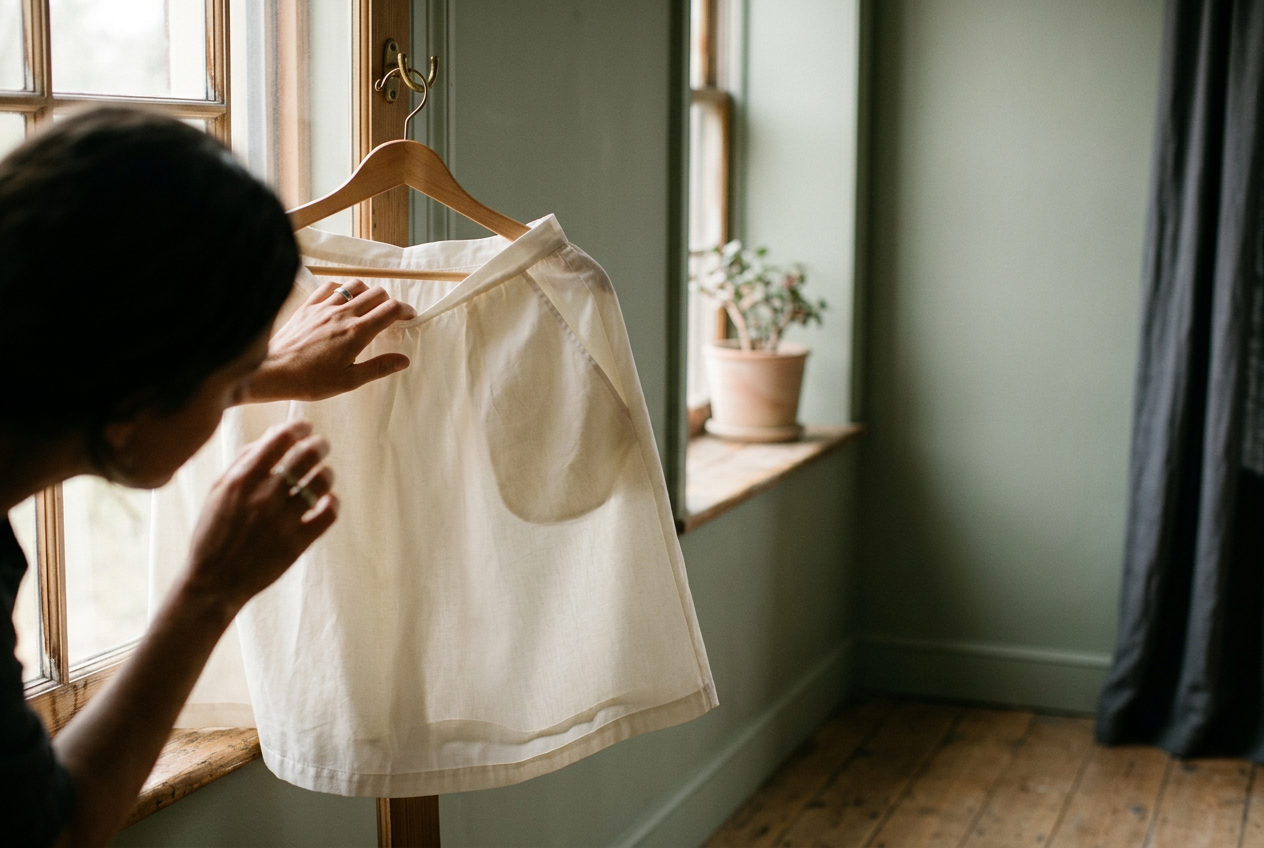
White fabric is only half the opacity question. This fitting-room method catches contrast from linings, pockets and seams before a skirt leaves the store.
June Park · 8 min read
Style Notes
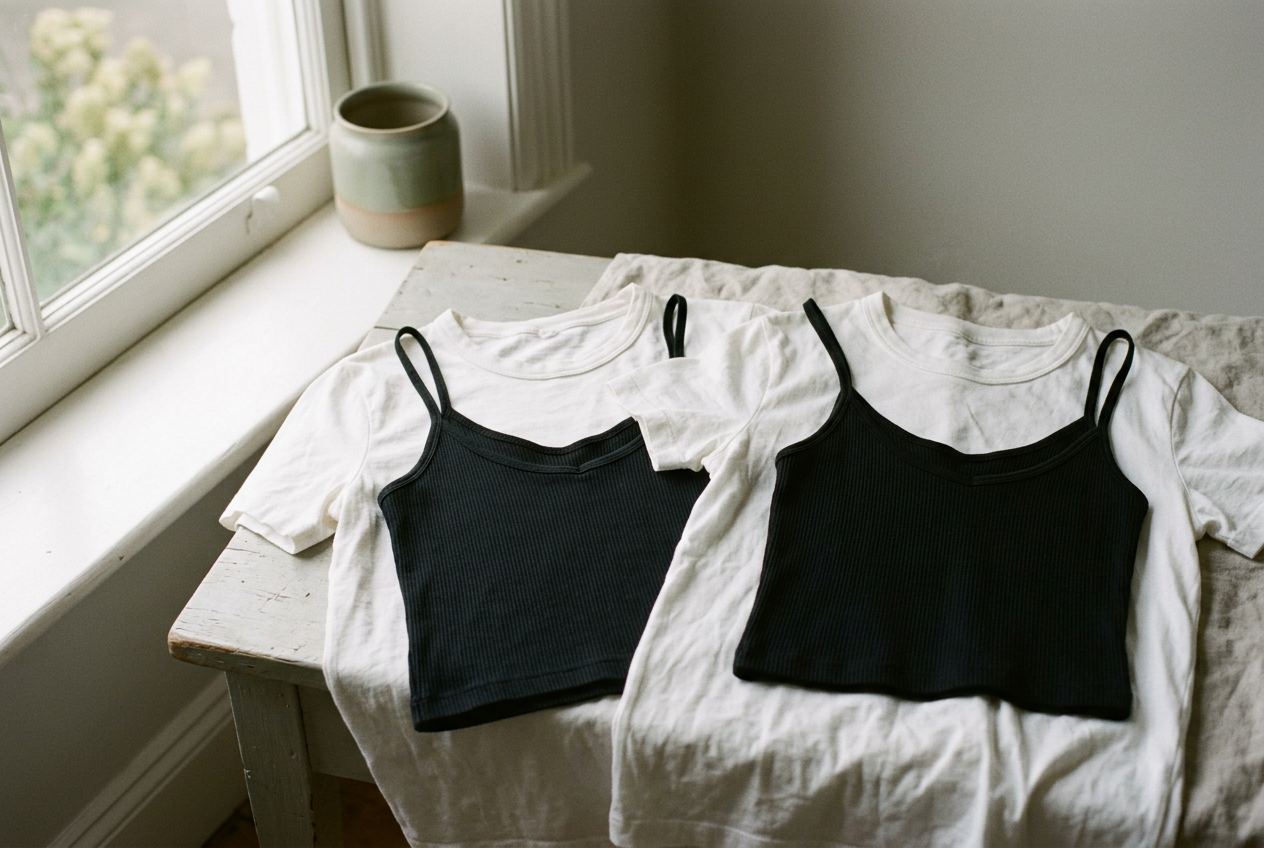
Two white tees can feel equally substantial and provide very different coverage. A black-camisole test reveals what an unverified fabric-weight claim cannot.
June Park · 7 min read

Style Notes
A shirt can match your bust measurement and still pull open. Test the button positions, placket and available ease before sizing up or paying for alterations.
June Park · 7 min read