That Final-Sale Dress Is Cheap Until the Fit Needs Rebuilding
A hem is one thing. Moving a waist, zipper, or shoulder line can turn a final-sale discount into an unwearable purchase. Here is how to tell before checkout.
Women's · October 28, 2026 · 8 min read
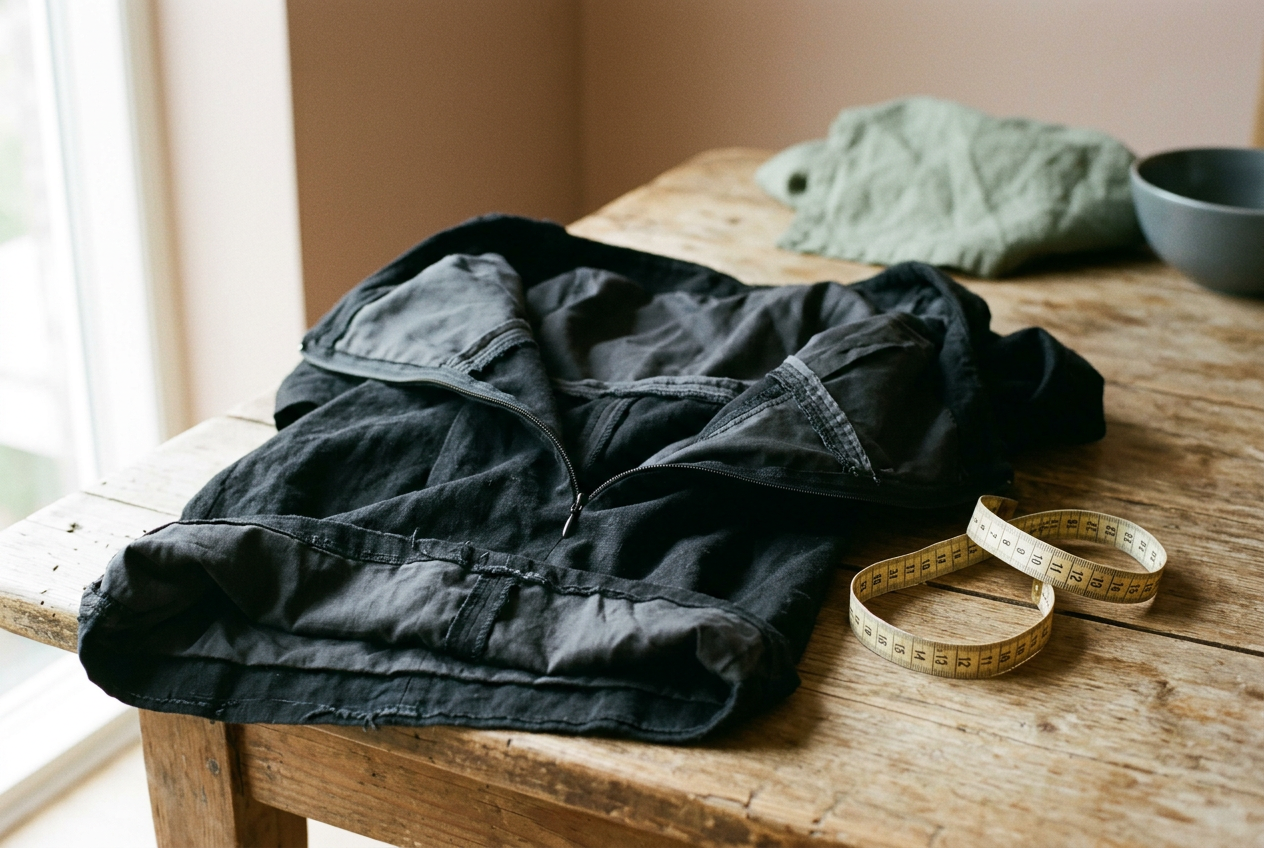
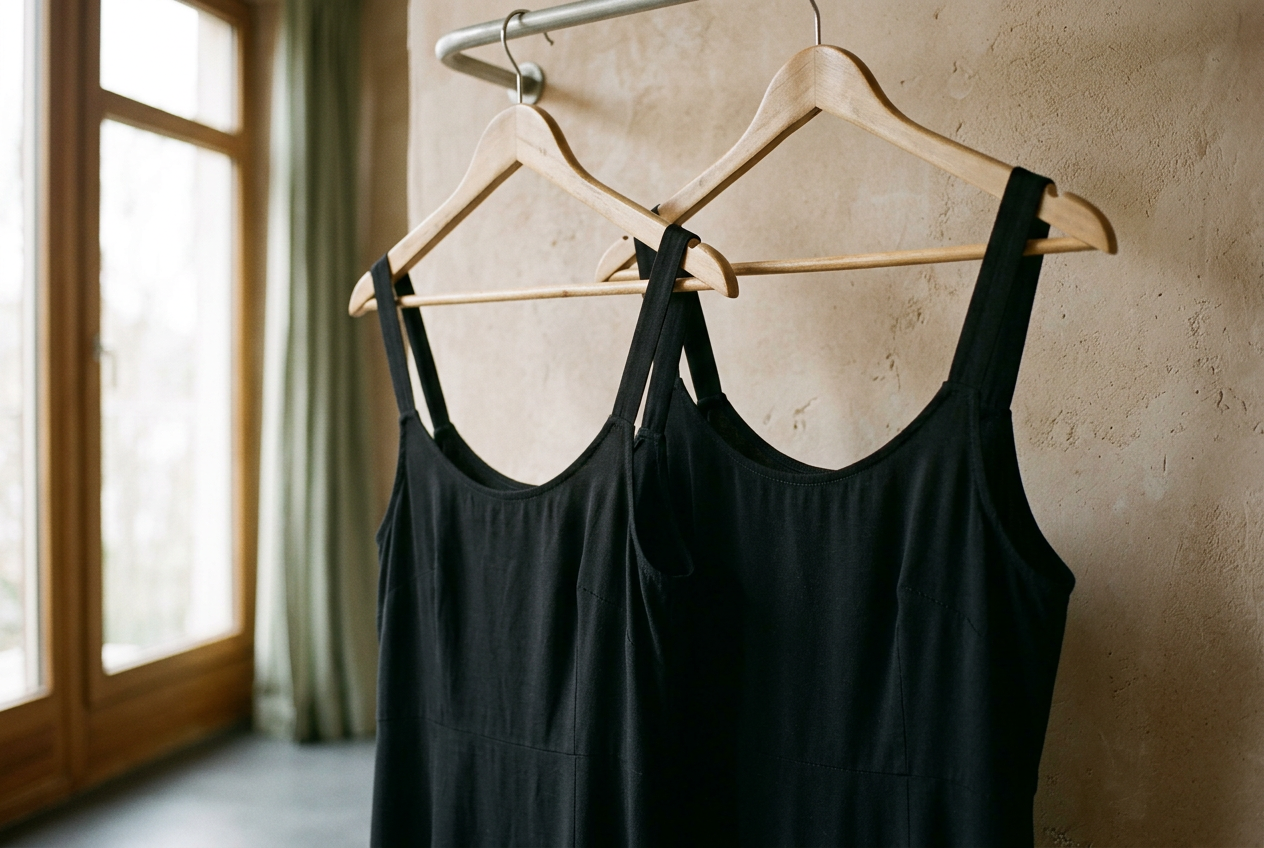
Use a black wool-blend midi dress as the test case: fitted bodice, waist seam, flared skirt, polyester lining, and an invisible zipper, meaning its teeth are concealed within the closed center-back seam. The size chart suggests the waist may be snug, while the model photo shows a skirt long enough to need hemming. It is final sale.
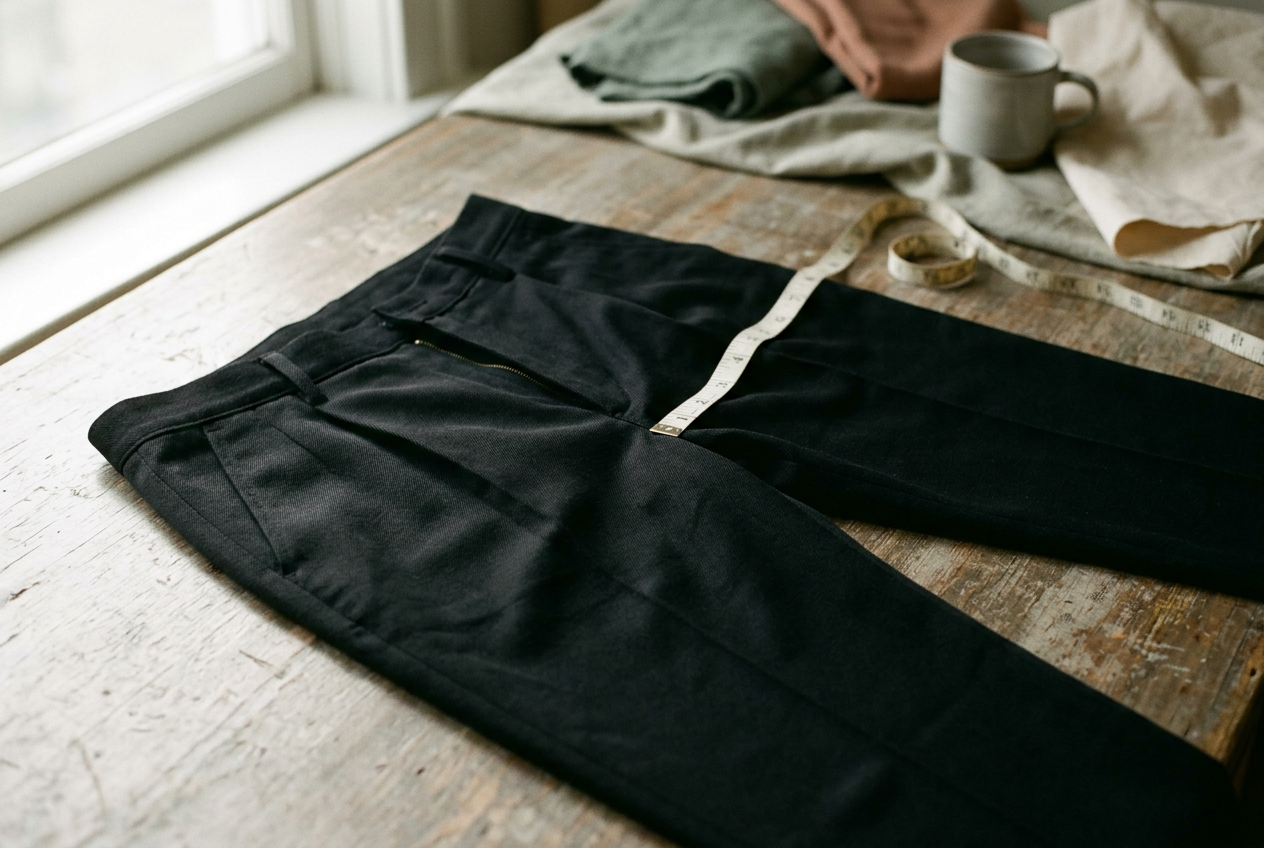
This is women’s coverage, centered on a dress because dresses expose the difference between a local fit correction and a full rebuild with unusual clarity. The same inspection works for tailored pants, skirts, jackets, and fitted jumpsuits.
The useful question is not whether a tailor could alter the dress. Given enough labor, many garments can be changed. The pre-purchase question is narrower: can the specific fit problem be corrected without disturbing the zipper, lining, waist position, or overall hang, and does the listing provide enough evidence to accept the risk?
Give the alteration one clear job
Start with the garment you want to wear, not the size you hope will work. Take a similar dress from your closet and record the measurements that control its fit: shoulder width, bust, waist, hip, back-waist length, and finished length. Measure the garment flat rather than relying only on your body measurements, since ease, which is the difference between the body measurement and the garment measurement, determines whether a woven dress feels close or restrictive.
Then name the expected alteration in one sentence. “The skirt needs shortening” is a contained job. “The waist needs room, the bodice looks short, and the shoulders may be wide” describes several related problems whose corrections can pull against one another.
Return to the black midi dress. A long skirt with a plain lower edge presents a plausible hemming job. A tight waist is less predictable because letting it out requires spare cloth inside the seams, and product pages rarely show the interior. If the waist also sits above your natural waist, adding circumference will not lower it.
That is already a balance problem rather than a sizing problem.
Final sale is a poor setting for diagnostic shopping. If you cannot tell whether the mismatch is length, circumference, or proportion, the discount is asking you to own the uncertainty.
Read the seam allowance from the outside
Seam allowance is the strip of fabric between the stitching line and the raw cut edge inside a garment. A tailor needs enough of it to release a seam, and the available amount varies by construction, fabric, and manufacturer. Serged edges, where thread wraps the raw edge to prevent fraying, can leave very little usable cloth even when a side seam looks conventional from the outside.
An online listing may not show the inside. Enlarge every back, side, and detail image anyway. A center-back seam, two side seams, and a waist seam at least identify possible access points. Princess seams, the long shaped seams that run vertically over the bust, can offer more places to refine fit, though each one may contain little spare fabric.
A dress cut with no waist seam and few vertical seams gives a tailor fewer routes into the shape.
Fabric behavior matters too. A dense wool blend may tolerate released stitching if the old needle marks can be steamed down. Satin, coated fabric, velvet, and some tightly woven synthetics may preserve holes, shine, or a visible former seam line. Prints introduce another constraint: letting out a seam can expose an unprinted margin or break the motif.
Look for interior photographs, customer-uploaded images, resale listings of the same style, or a video that briefly reveals the lining and seam edges. These can provide evidence, but do not treat a seam allowance on one size as a promise for every size. Cutting layouts and tolerances can differ.
For the black midi dress, no interior view means the waist cannot safely be assumed alterable. The plain hem remains assessable from the exterior. Those are different levels of risk, even though both changes might be described casually as tailoring.
Zipper placement sets the boundary
A center-back zipper running through the bodice, waist seam, and upper skirt ties those sections together. Releasing the center-back seam may require removing and reinstalling the zipper, then opening and closing the lining around it. If the zipper ends just above the waist, changing the waist below it may be less disruptive, provided side-seam allowance exists.
Side zippers complicate bodice alterations because the zipper occupies one of the main seams a tailor would otherwise use. They can also make asymmetry harder to correct. Exposed zippers, decorative zipper tapes, and zippers inserted beside piping leave less room for an invisible change.
On the test dress, the invisible center-back zipper crosses the waist. That does not make alteration impossible. It means the apparent request, “let out the waist,” may include zipper work, lining work, and re-matching the waist seam across the back. The job is no longer equivalent to sewing a deeper or shallower side seam.
Hardware is a useful stop sign. If the area that needs changing contains a zipper, boning, a pocket opening, dense topstitching, or a row of buttons that must stay evenly spaced, assume structural work until a tailor confirms otherwise.
Garment balance reveals the expensive problems
Garment balance means the relationship between the front and back lengths and the way they hang from the shoulders or waist. Good balance lets vertical seams fall vertically, keeps the waist level, and allows the hem to sit as intended. Poor balance often looks like a local tight spot, but adding width may not cure it.
Study the model images from the side. A hem that rises sharply in front may reflect styling, pose, or the wearer’s proportions. A waist seam that climbs toward the front, fabric that pools above the back waist, or diagonal drag lines from bust to side seam can indicate that the bodice length and shaping do not suit the body wearing it. The listing cannot predict your fit, but it can show how dependent the design is on exact placement.
Compare that evidence with your closet dress. Measure from the shoulder beside the neck to the waist seam on both front and back. If the final-sale dress provides only total length, ask customer service for the bodice length or skip the purchase when that measurement is critical. Total length cannot reveal where the waist will land.
This is where the black midi dress becomes a bad bet for someone who often finds fitted bodices short. The flared skirt cannot compensate for a waist seam sitting on the lower ribs, and releasing the waist would create more room at the wrong height. Lowering a waist seam means separating bodice, skirt, zipper, and lining, then finding enough hidden length to reconnect them. Most ready-to-wear garments do not carry spare vertical fabric for that change.
Shoulder and armhole problems belong in the same high-risk category. An armhole, the finished opening where the sleeve or sleeveless edge meets the body, controls mobility and the upper garment’s position. Narrowing a shoulder can affect that opening, the neckline, and any sleeve cap. If a product review says the shoulders slide while the bust pulls, sizing down may trade one imbalance for another.
A simple hem has visible limits
Hemming is the safest alteration only when the lower edge is plain, the silhouette remains the same higher up, and shortening does not remove a functional or decorative feature. On a flared skirt, taking off substantial length moves the new hem to a wider part of the skirt, so the folded edge may need reshaping rather than turning straight upward.
Check for border prints, pleats stitched down near the bottom, scallops, embroidery, vents, cuffs, raw edges, or graduated panels. Each one makes length part of the design. A lined dress also has two hems, and the lining must finish shorter than the shell without pulling it inward.
The black midi dress has a plain shell and separate lining, so shortening remains the clearest manageable change in this case. Even then, decide where it should finish with the shoes you expect to wear. A boot shaft, flat sandal, and low pump can make the same midi length look deliberate or awkward, and a second trip to revise the hem consumes more time even if the sewing is straightforward.
Make the discount pass a risk test
Before checkout, write down three things: the confirmed fit mismatch, the construction evidence that supports the alteration, and the outcome if the alteration cannot be done. The exercise should produce a specific statement, such as: “The dress is likely too long, the lower edge is plain and fully visible, and I would still wear it at the current length.” That is a controlled risk.
A weaker statement sounds like this: “The waist might be tight, there may be fabric inside, and a tailor can probably fix it.” None of its premises is confirmed. A deeper discount does not improve them.
For structural work, send the product link and screenshots to a tailor before buying if that tailor offers preliminary assessments. They may still need the garment in hand, but they can flag a zipper crossing the alteration area, an unmovable waist seam, or a fabric likely to retain old stitch marks. The time cost matters as well: fittings, travel, pressing, and possible revisions belong to the purchase even when no alteration price is quoted.
The final decision is plain. Buy the black wool-blend dress if length is the only likely issue and its current length remains wearable. Skip it if you need the waist released, suspect the bodice is short, and cannot see the interior construction. That combination asks the discount to cover three unknowns, while final sale removes the easiest remedy.
Questions people ask
Can a tailor always let out a final-sale dress?
No. Letting out requires usable seam allowance, and some dresses have only narrow serged edges or fabric that shows old stitch marks. Zippers, lining, boning, pockets, and print placement can also limit the change. An exterior seam shows where a garment was joined, not how much cloth remains inside it.
Is hemming always a simple alteration?
Hemming is relatively contained when the edge is plain and shortening preserves the silhouette. Border prints, pleats, embroidery, vents, shaped hems, and separate linings add work or prevent the original finish from being retained. A strongly flared skirt may also need its new hem edge reshaped before it can lie flat.
How can
I check garment balance when shopping online?
Compare front, back, and side images for a level waist, vertical seams, and drag lines. Measure the front and back shoulder-to-waist lengths of a similar garment you own, then seek matching product measurements. Total dress length alone cannot show whether the bodice will place the waist correctly.
When is a final-sale alteration risk too high?
Skip the purchase when more than one structural area appears wrong, the needed seam allowance is unknown, or the proposed change crosses a zipper or waist seam. Risk is also too high when the garment would be unwearable without alteration. A plain hem with an acceptable backup length is a much safer bet.
One update a day
Today's fashion update, in your inbox
One fashion update each morning — no hype, no filler, just pieces worth wearing.