
Roundups · October 2026 · In review
October 2026 review: Fit checks beat trend promises
October’s strongest stories found the construction details that made familiar clothes, shoes and accessories worth keeping. The disappointments were soft foam, fragile finishes and trends that worked better standing still.
Assembled by Margot Lane · Jewelry & accessories writer
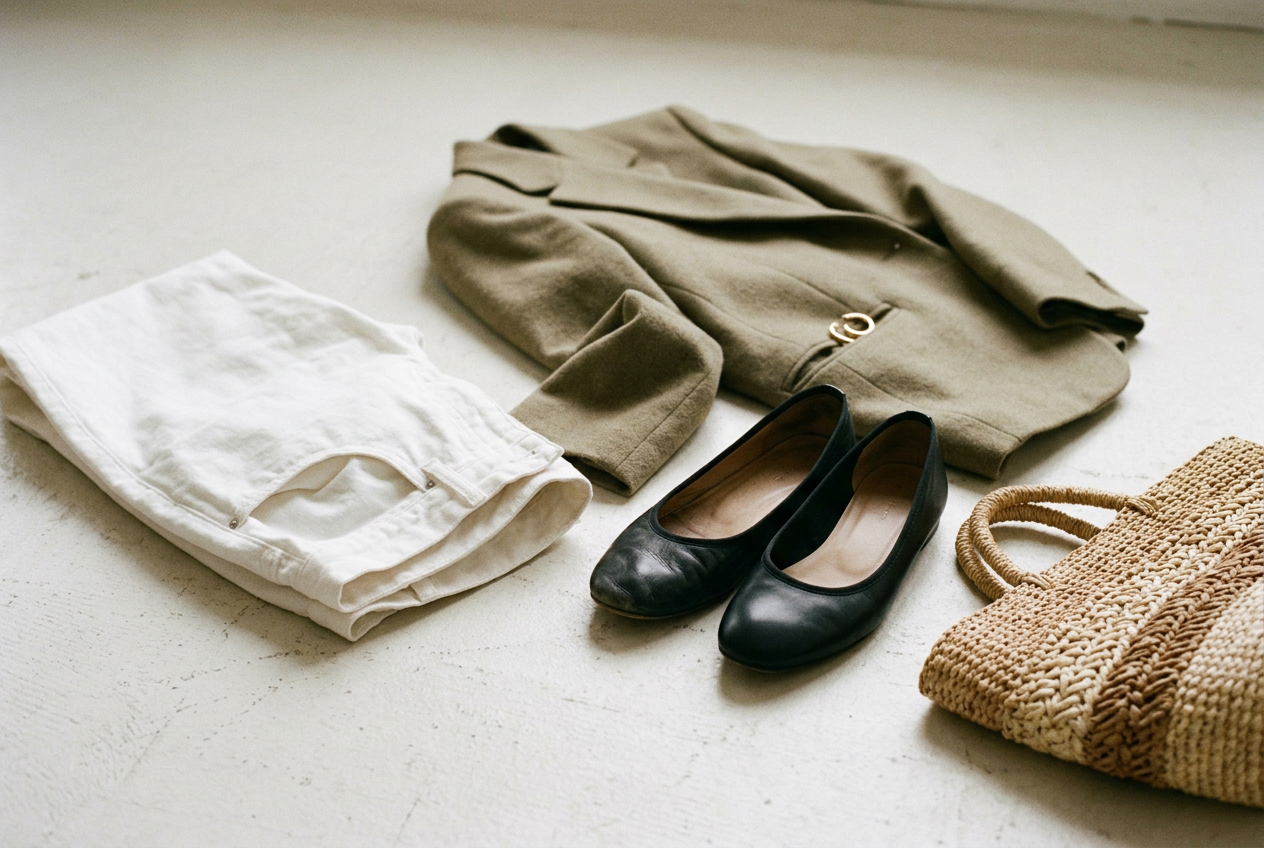
October rewarded inspection over impulse. The month’s most useful findings were rarely about whether a style looked current. They were about whether a sleeve hung cleanly, a shoe stayed secure in motion or a bag survived the ordinary strain its design created. Across clothing, footwear, jewelry and accessories, small construction choices had more influence than broad category labels.
The disappointments shared a pattern. Softness was too often presented as comfort, visual width as usable room and a substantial fabric as proof of coverage. Those shortcuts did not hold up once the item was walked in, washed or viewed in daylight. What earned its place instead was measurable: a sleeve aligned with the wearer’s resting arm, a toe box that narrowed in the right place and hardware that could be cleaned or repaired rather than discarded.
Women’s footwear supplied several of October’s clearest trend verdicts, while unisex fit and accessory coverage applied across women’s and men’s wardrobes. There was no need to force separate rules for men when the strongest jacket, trouser, sunglasses and bag checks depended on proportion and construction rather than gender.
What worked
1. Jacket fit started with the direction of the sleeve
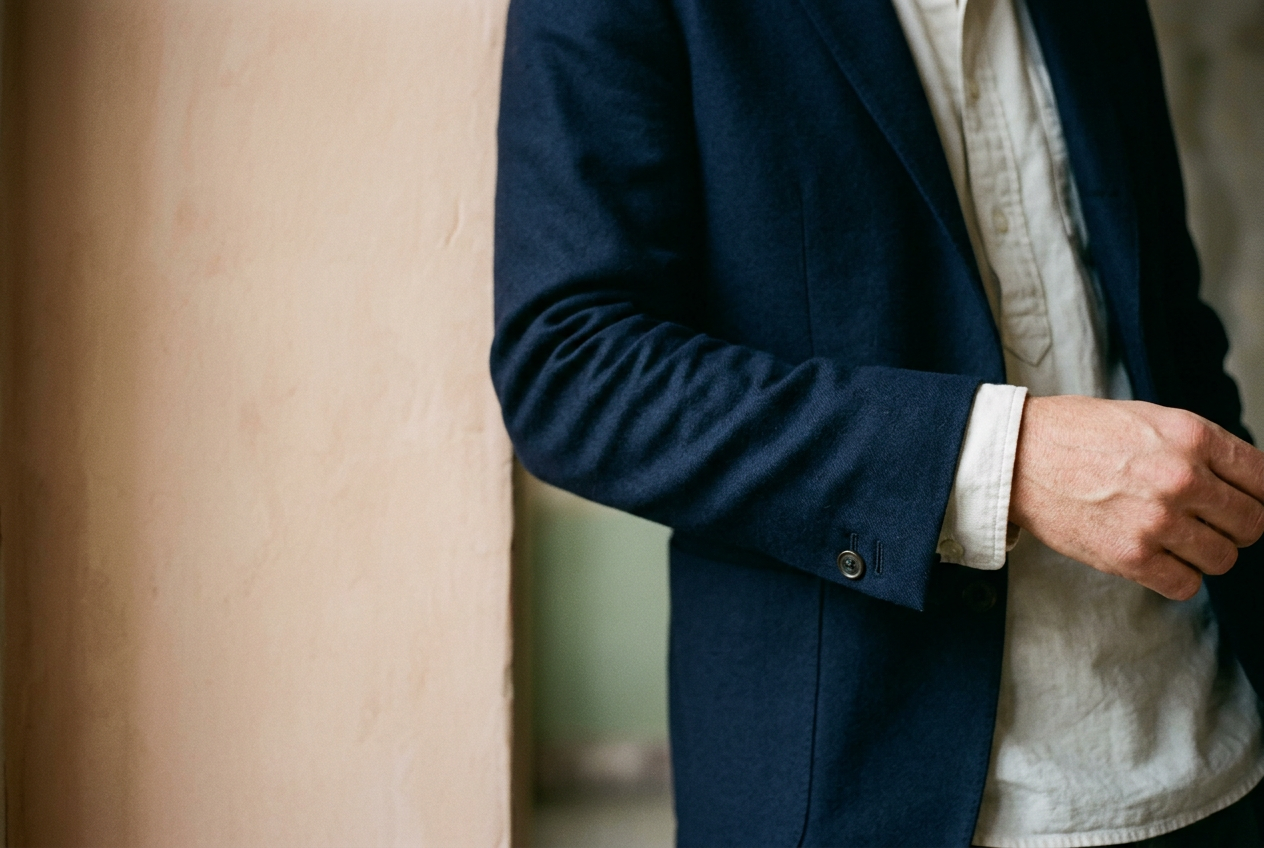
The month’s best correction to standard shopping advice came from Your Jacket May Fit but Still Have the Wrong Sleeve Pitch. A twisting sleeve can feel restrictive even when the chest, shoulder and overall size are right. That made checking how the sleeve hung against a natural arm position more useful than automatically moving up a size.
This was especially valuable for online shopping and secondhand jackets, where a buyer may otherwise blame their body or the labeled size. It also set a sensible limit on alterations: not every uncomfortable sleeve needed more room, and not every pitch problem was worth rebuilding. For both women’s and men’s jackets, we would repeat this check before buying again.
2. Old flats told the truth about new ones
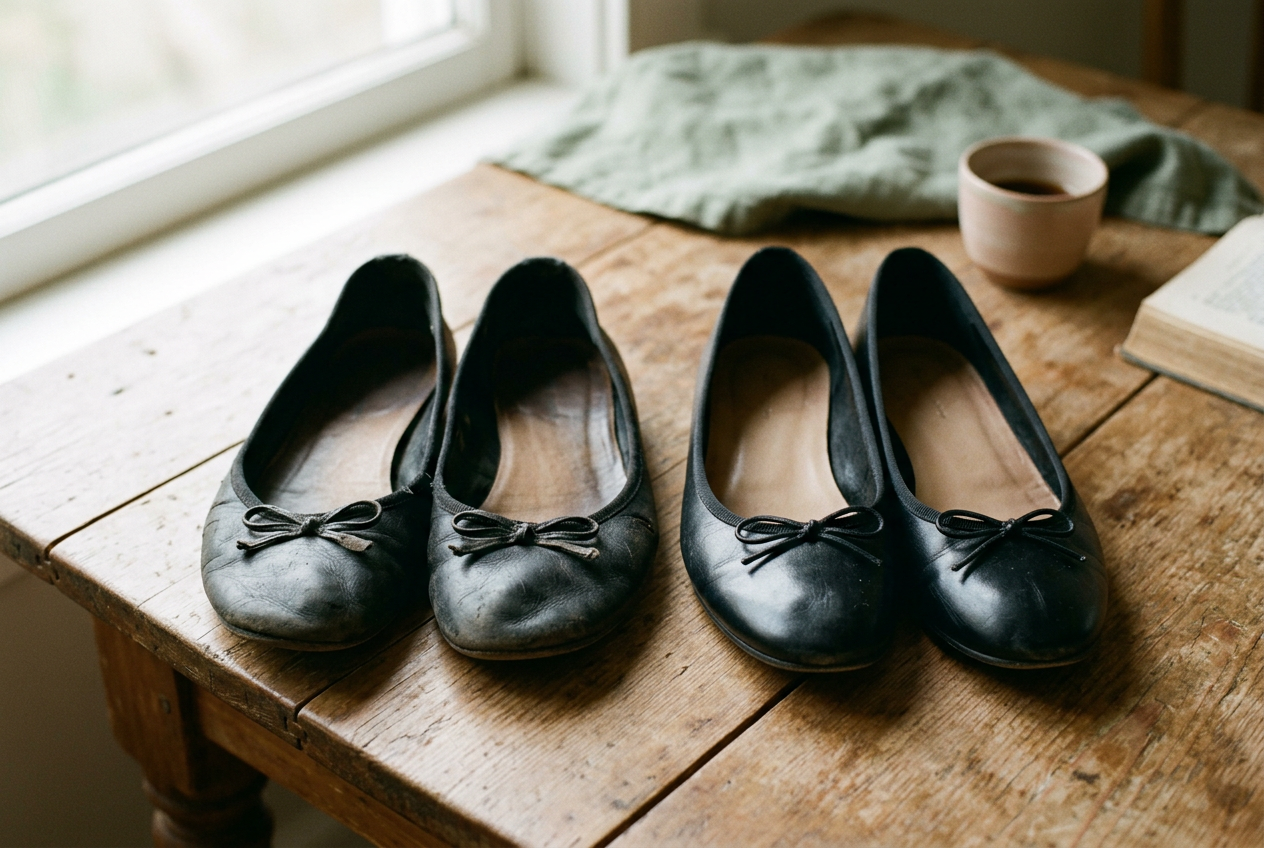
Trend coverage worked best when it looked beyond the pristine product page. Old Ballet Flats Show Which New Pairs Will Age Badly used worn women’s flats as evidence, focusing on toe structure, lining, sole depth and the shape of the opening.
That was a stronger way to assess the ballet-flat revival than debating whether the silhouette had returned. A soft, elegant upper still needed enough structure to avoid collapsing into an untidy shape. The pairs worth buying again would be the ones whose openings stayed stable, whose soles separated the upper from the pavement and whose toes could take repeated wear without losing their form.
3. Green residue did not justify throwing out an earring
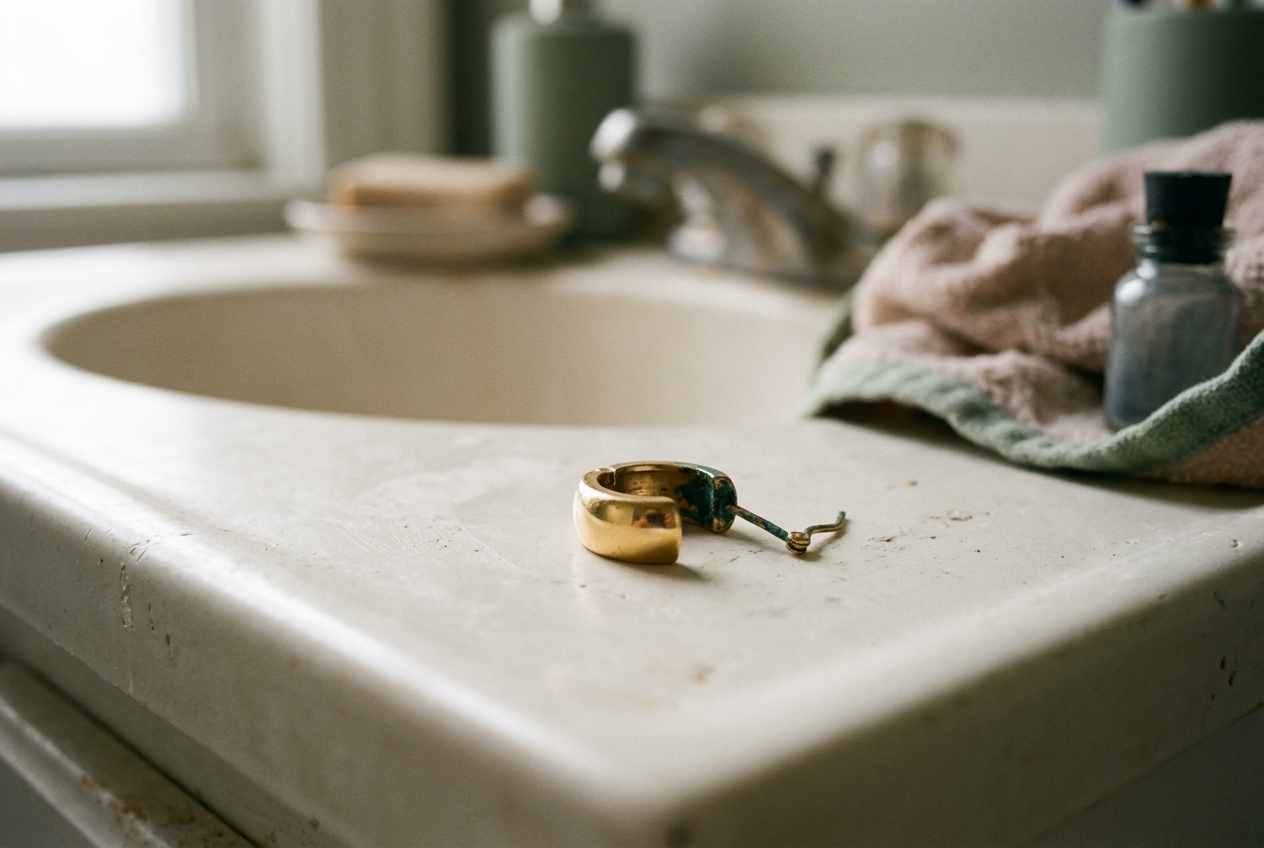
A Green Earring Post Does Not Mean the Whole Earring Failed made a useful distinction between removable residue and plating that had already worn away. Cleaning could address the first problem, but it could not restore missing metal or turn an exposed copper alloy back into the original finish.
That difference prevented both overreaction and false optimism. A favored unisex earring might still be wearable after cleaning, depending on its condition and the wearer’s preferences, but the change at the post remained evidence about durability. We would buy the style again only with closer attention to post material and finish, particularly where friction and moisture repeatedly met the metal.
4. White pants had to pass an inside-out inspection
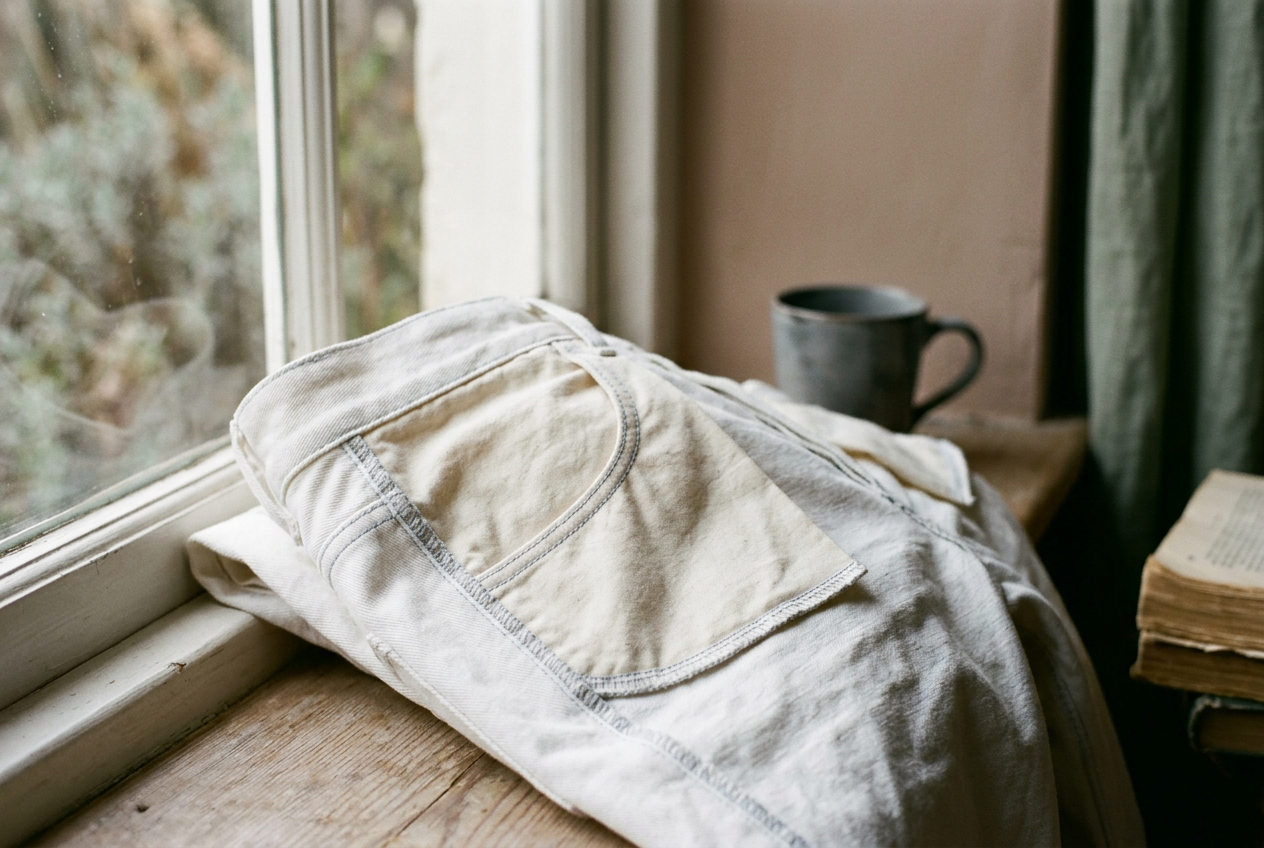
Opacity alone proved to be an incomplete standard in White Pants Can Be Opaque and Still Show Every Inner Seam. Pocket bags, seam allowances and overlocking could remain visible even through fabric that was not technically see-through.
This was one of October’s most transferable fitting-room lessons. Different underwear could not correct every line created by the garment’s own construction. Turning white pants inside out, checking the contrast between internal components and the shell, and viewing them under more than one light offered a better answer. A well-built pair remained worth buying; a heavy pair with conspicuous internal architecture did not.
5. Soft foam made the weakest long-walk promise
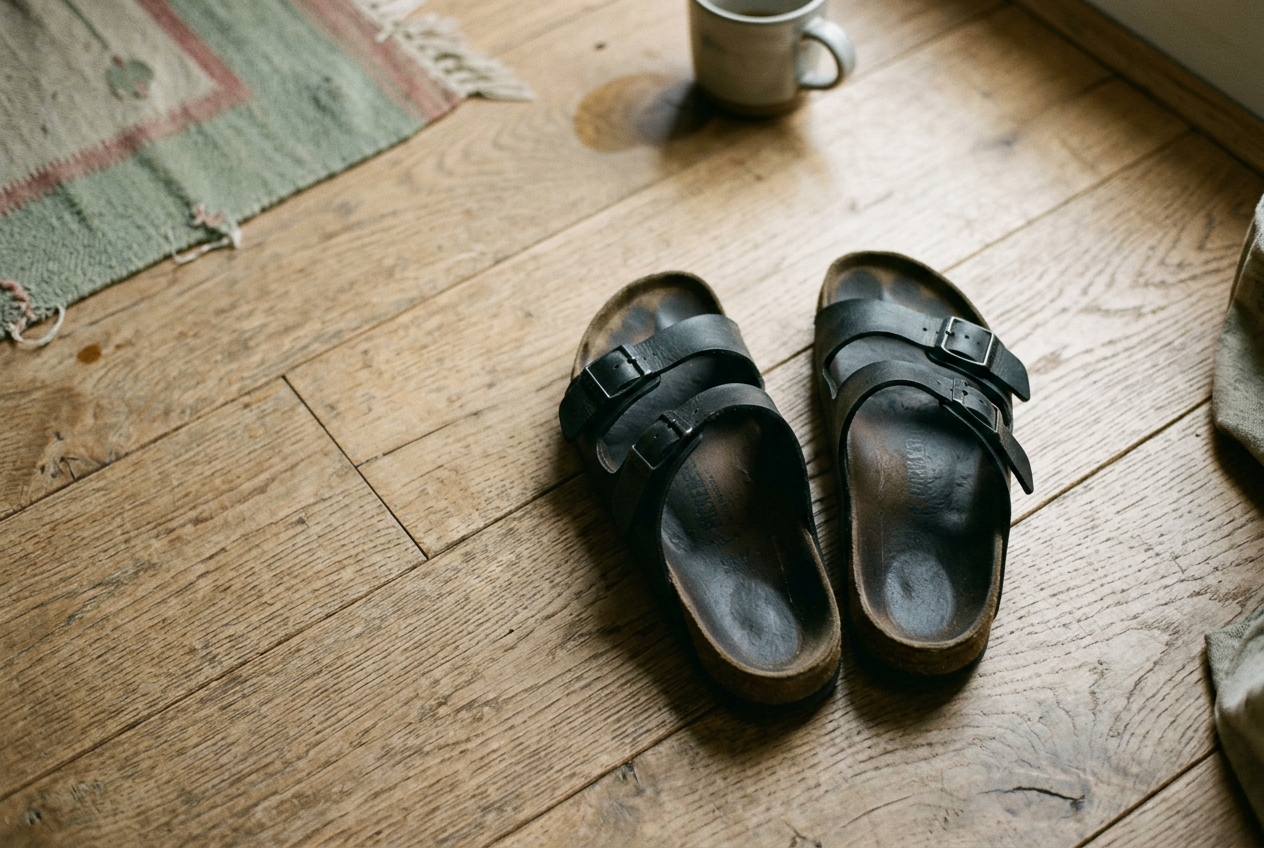
The clearest footwear disappointment came from Memory-Foam Sandals Felt Worse After a Week of Walking. The women’s sandals made a persuasive first impression, but compression under the heel, retained heat and reduced steadiness changed the experience after repeated wear.
The larger lesson was not that every soft footbed failed. It was that softness during a brief try-on did not predict how a sandal would perform across a week. For regular walking, we would buy firmer contouring again before paying for a plush surface that quickly lost shape. Memory foam still had a place in lower-demand wear, but it did not earn automatic preference.
6. A rise measurement beat the model photo
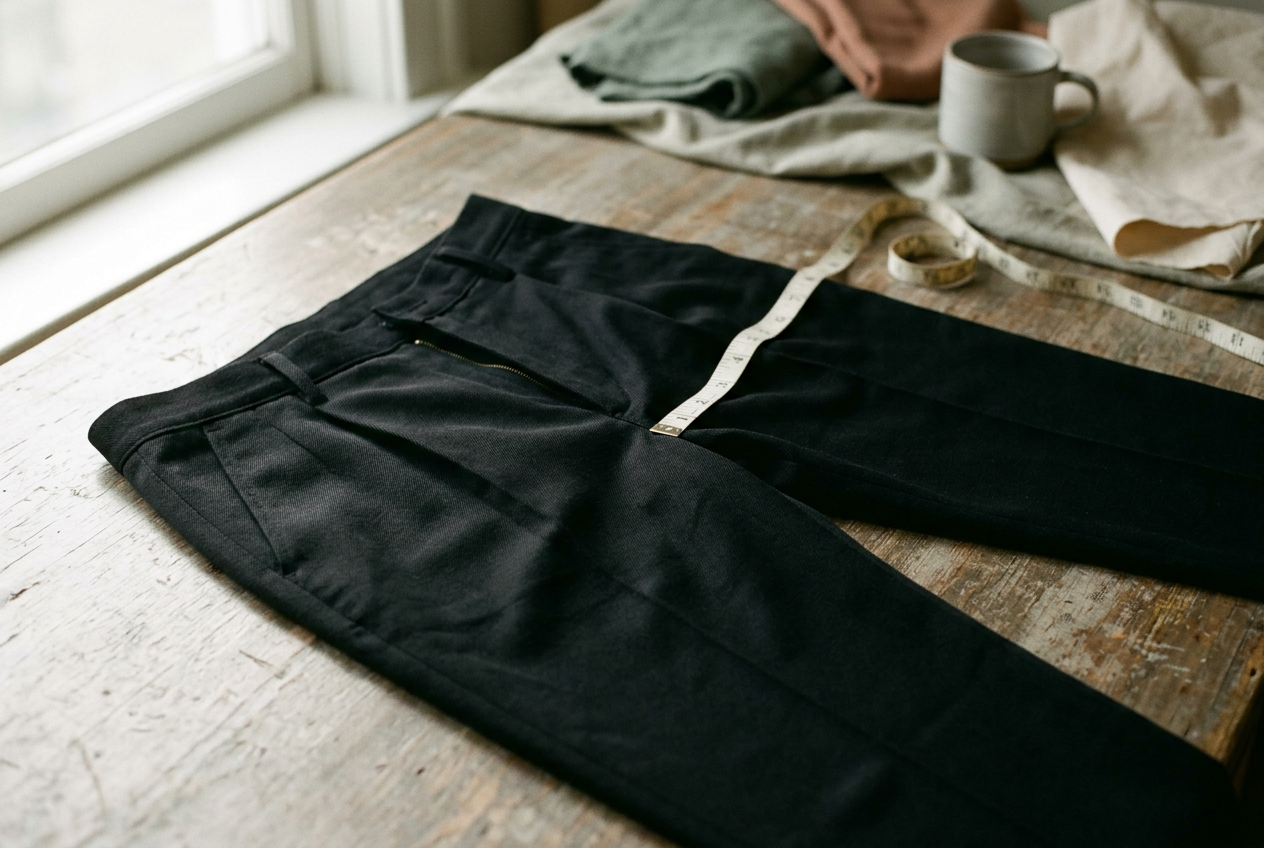
A 12-Inch Rise Can Look Mid-Rise on the Model and High on You addressed one of online shopping’s most persistent visual traps. Styling, body proportions and waistband placement could make the same listed rise appear very different from one wearer to another.
This unisex guidance served women’s and men’s trouser shopping equally well. The product image remained a clue, not a prediction. We would buy again only after comparing the front rise with a pair already owned and checking where the waistband was intended to sit. That was less exciting than relying on the photograph, but far more likely to produce the advertised silhouette.
7. A phone screen belonged in the sunglasses fitting test
The quarter-turn check in Rotate Your Phone Before You Buy Polarized Sunglasses was quick, concrete and easy to repeat in a store. Polarized lenses could fit well and control glare while making a phone display difficult to read at certain orientations.
That did not make polarization a failure. It simply added screen visibility to bridge fit, balance and coverage as a practical buying question. Sunglasses that passed both the face-fit and phone tests earned another purchase more readily than a pair chosen on shape alone.
8. Woven bags exposed too many edges to ignore material quality
The woven look remained appealing, but Woven Leather-Look Bags Expose Their Weakest Edges showed why the construction demanded scrutiny. Every strip introduced exposed edges and additional points where wear could appear.
This was a trend we would not buy again solely for its silhouette. Material, edge finishing and the stability of the weave mattered more than whether the tote looked current. The style still worked when those details were sound; otherwise, its defining texture accelerated the signs of use.
What’s next
October left us with a stricter shopping order: check motion, construction and care before deciding whether a trend deserved wardrobe space. Next, we will keep looking for pieces that remain convincing after repeated wear—not just during the first fitting-room minute.
The articles behind it
Style Notes
Your Jacket May Fit but Still Have the Wrong Sleeve Pitch
A twisting sleeve can make a correctly sized jacket feel tight. Check how the sleeve hangs against your natural arm position before sizing up or paying for alterations.
June Park · 6 min read
Trend Watch
Old Ballet Flats Show Which New Pairs Will Age Badly
A worn leather flat can tell you more than a pristine product page. Toe structure, lining, sole depth and the shape of the opening reveal which revived styles may have a short life.
Iris Mbeki · 8 min read
Jewelry & Accessories
A Green Earring Post Does Not Mean the Whole Earring Failed
Green at the post usually points to exposed copper alloy where friction and moisture have worn the plating. Cleaning removes residue, but it cannot replace missing metal.
Margot Lane · 7 min read
Style Notes
White Pants Can Be Opaque and Still Show Every Inner Seam
A substantial white fabric can still reveal pocket bags, seam allowances and overlocking. Inspect the inside before assuming different underwear will fix the problem.
June Park · 8 min read
Footwear
Memory-Foam Sandals Felt Worse After a Week of Walking
A soft footbed made a persuasive first impression, then compressed under the heel, trapped heat and became less steady. Here is where memory foam works, and where firm contouring wins.
Dez Ferraro · 7 min read
Style Notes
A 12-Inch Rise Can Look Mid-Rise on the Model and High on You
The model’s styled fit is only one clue. Use the listed front rise, intended waistband position, and model measurements to predict where trousers will sit on you.
June Park · 8 min read