
Roundups · Summer 2026 · In review
Summer 2026 Review: What Actually Held Up
The season’s best lessons came from adjustable sandals, honest fitting-room tests and accessories judged by construction rather than appearance.
Assembled by Margot Lane · Jewelry & accessories writer
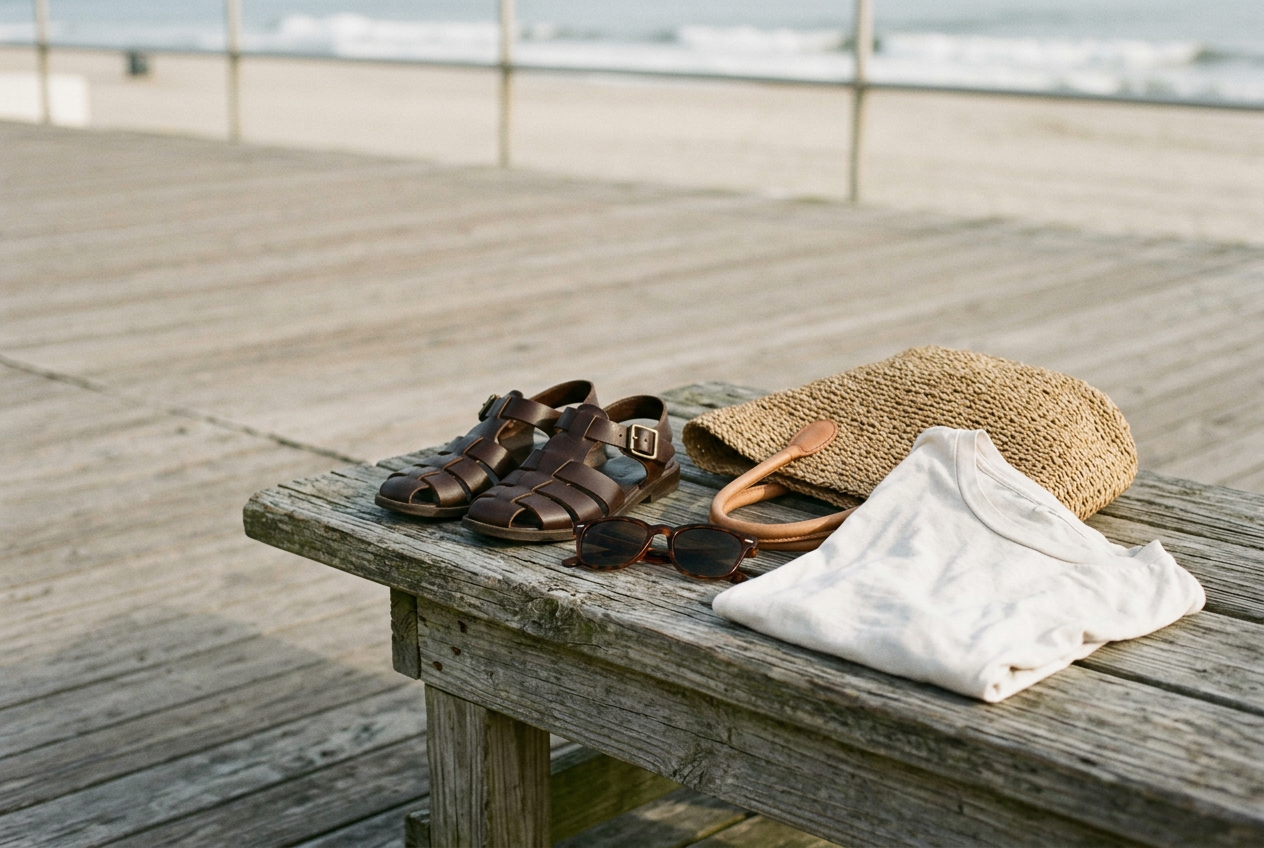
Summer 2026 rewarded clothes and accessories that could be adjusted, tested and understood before purchase. Working buckles beat decorative hardware. Garment measurements beat optimistic sizing. A shoe’s shape and hold mattered more than its softness, while material labels told us more about a summer bag than its beach-ready appearance.
The season’s disappointments were often products that looked practical but lost their case in use. Cork could soften without correcting a misplaced arch. Deep tread could still slip on wet tile. A roomy-looking shoe could squeeze the forefoot or release the heel. Several trends survived that scrutiny, but usually in their quieter forms: flatter fisherman sandals, moderate denim curves and bags chosen for construction rather than a perfect metal match.
Women’s coverage included trousers, shirts and several footwear silhouettes. For men’s wardrobes, the strongest material appeared in the unisex coverage: sandals, sneakers, sunglasses, earrings and bags that were assessed without treating fit or construction as gendered questions. Across both, the pieces we would buy again were the ones that made their function visible.
What worked
1. Flat leather fisherman sandals made the strongest case
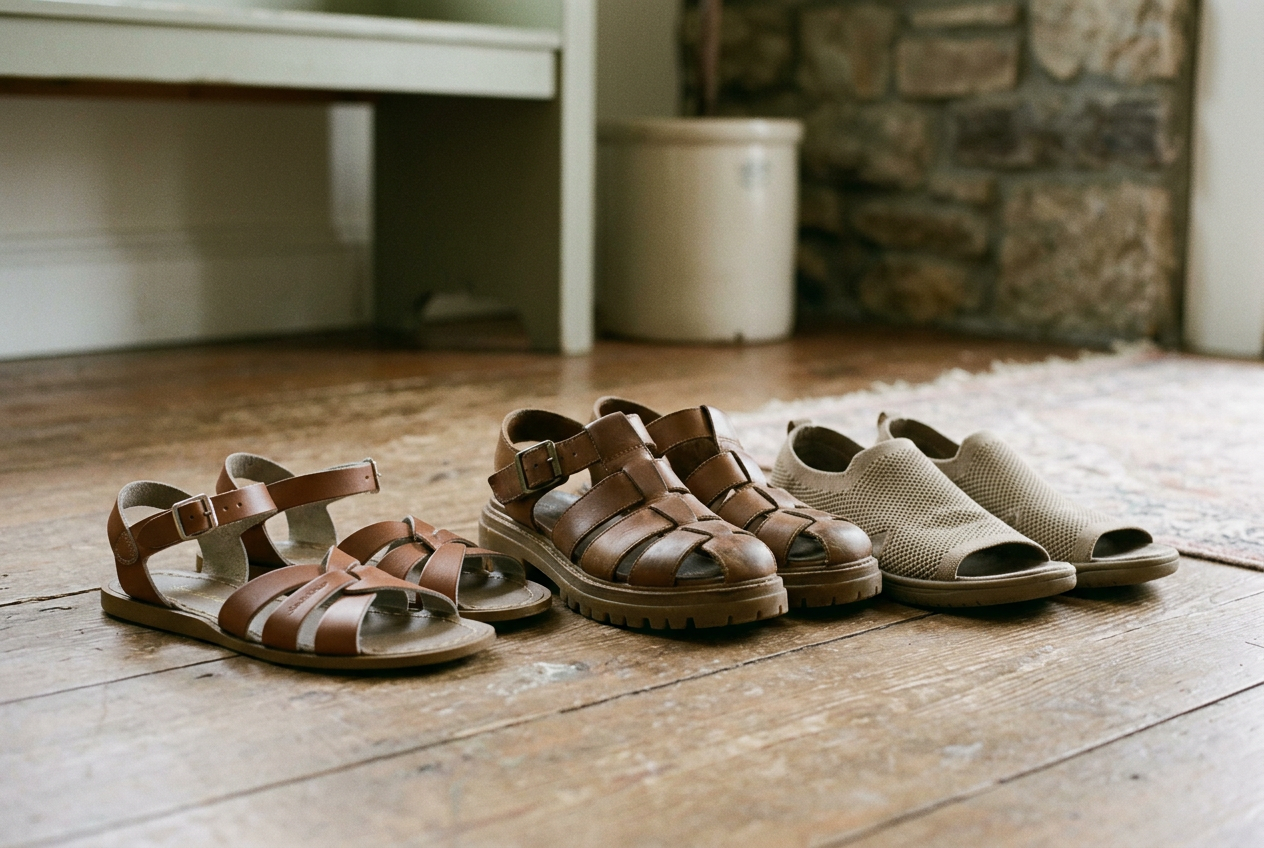
The season’s most convincing trend verdict was Flat Leather Fisherman Sandals Have the Best Odds. Fisherman sandals were everywhere in leather, jelly, platform and hybrid forms, but the flatter leather version had the clearest reason to stay: it was relatively repairable, available secondhand and less dependent on exaggerated volume. We would buy that version again, provided the cage protected the toes without swallowing the foot and the buckle remained easy to use. The silhouette earned its place when its construction did real work.
2. Cork footbeds exposed the limit of “break-in”
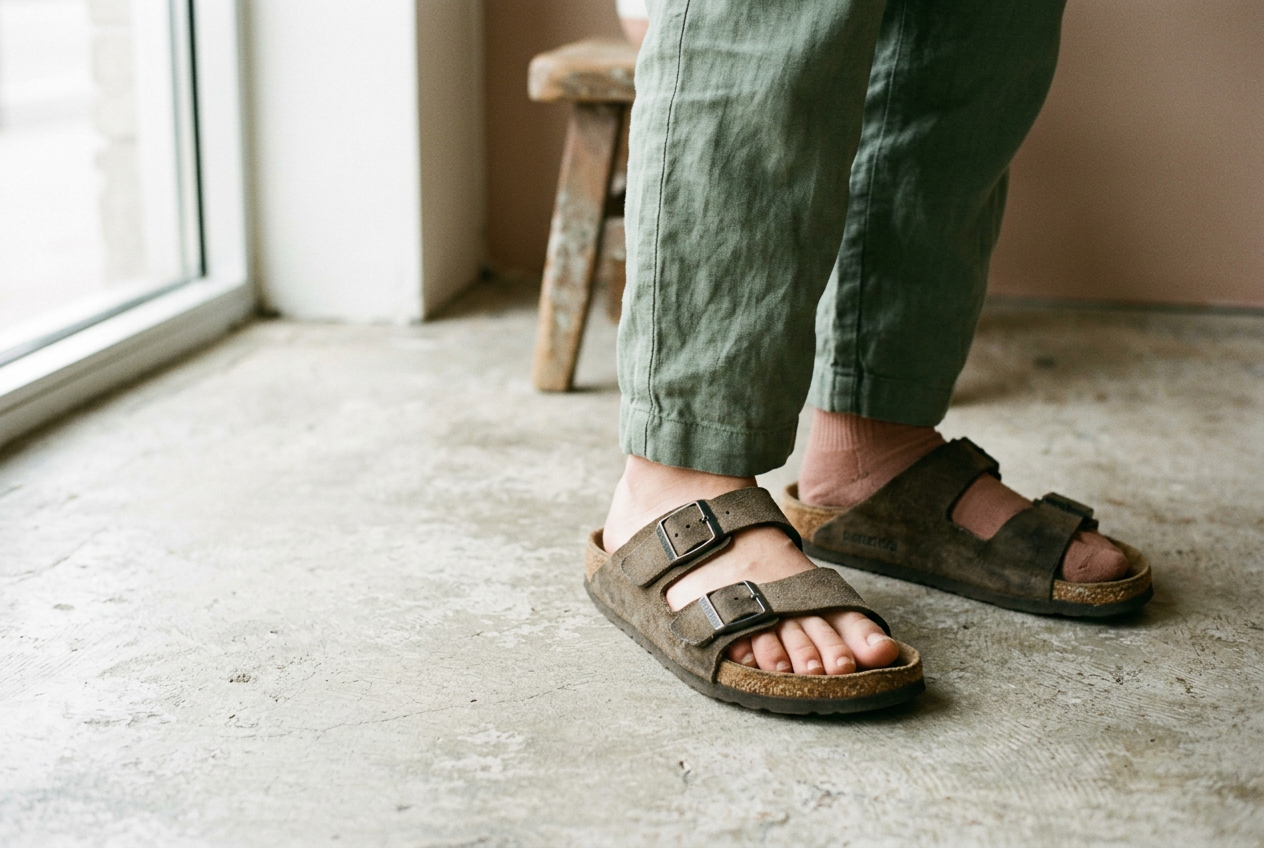
A Cork Footbed Softens. A Bad Arch Match Does Not. delivered the season’s most useful disappointment. After seven days, the surface of a two-strap sandal became friendlier, but the misplaced arch did not. That distinction matters because shoppers are often asked to wait for a firm sandal to conform. Some firmness can ease; the basic geometry may not. We would buy cork sandals again only when the arch placement felt right from the start. Softening was a reasonable expectation. A complete change in shape was not.
3. The raffia look needed a material check
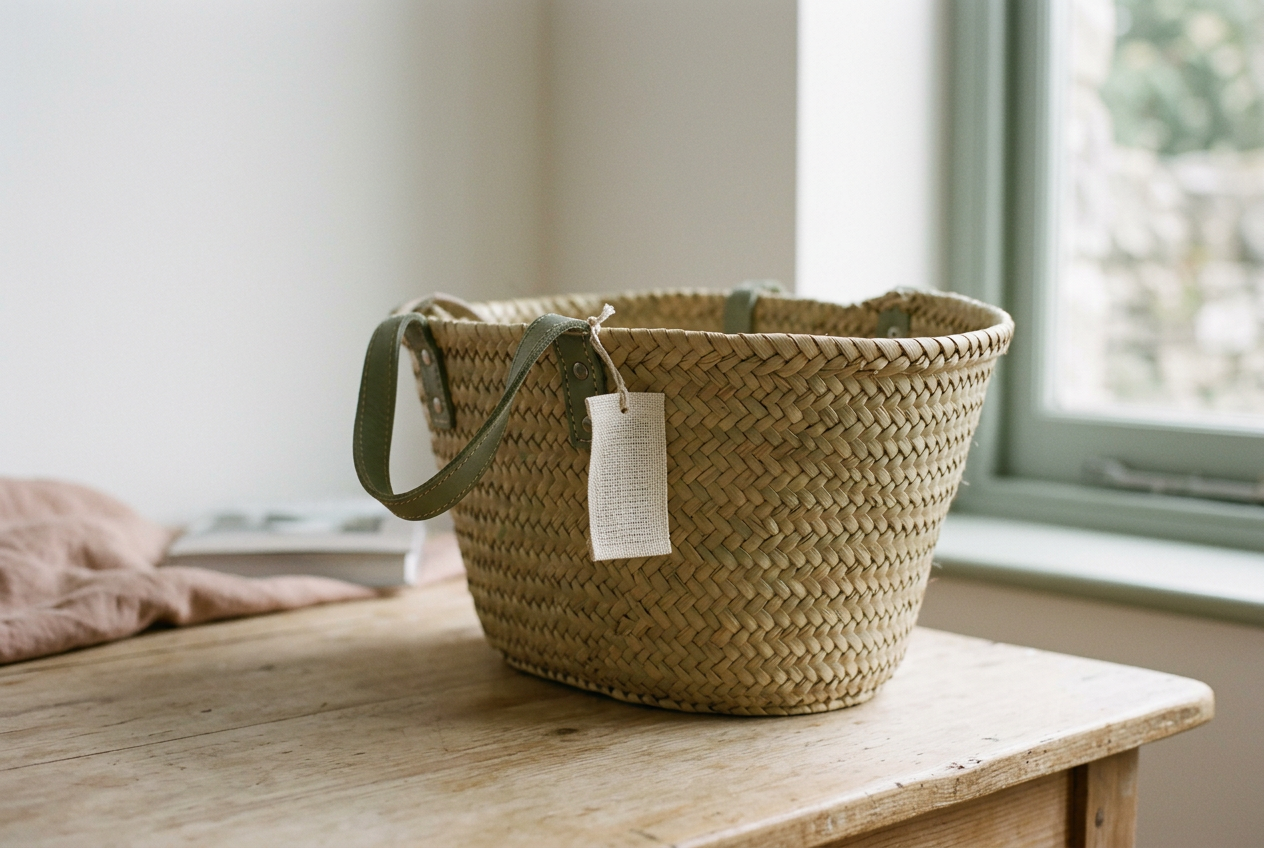
Summer bags frequently traded on texture, but That Raffia-Look Bag May Be Paper. Read the Label First. made appearance secondary to composition. Natural raffia, paper yarn and polypropylene could look similar online while behaving differently around rain, fraying and storage. The lesson was not that one material automatically won. It was that the label, joins and edges had to support the intended use. We would rebuy a woven summer bag after checking those details, not because a product photo made it look ready for the shore.
4. Stretch trousers required movement, not a waistband trick
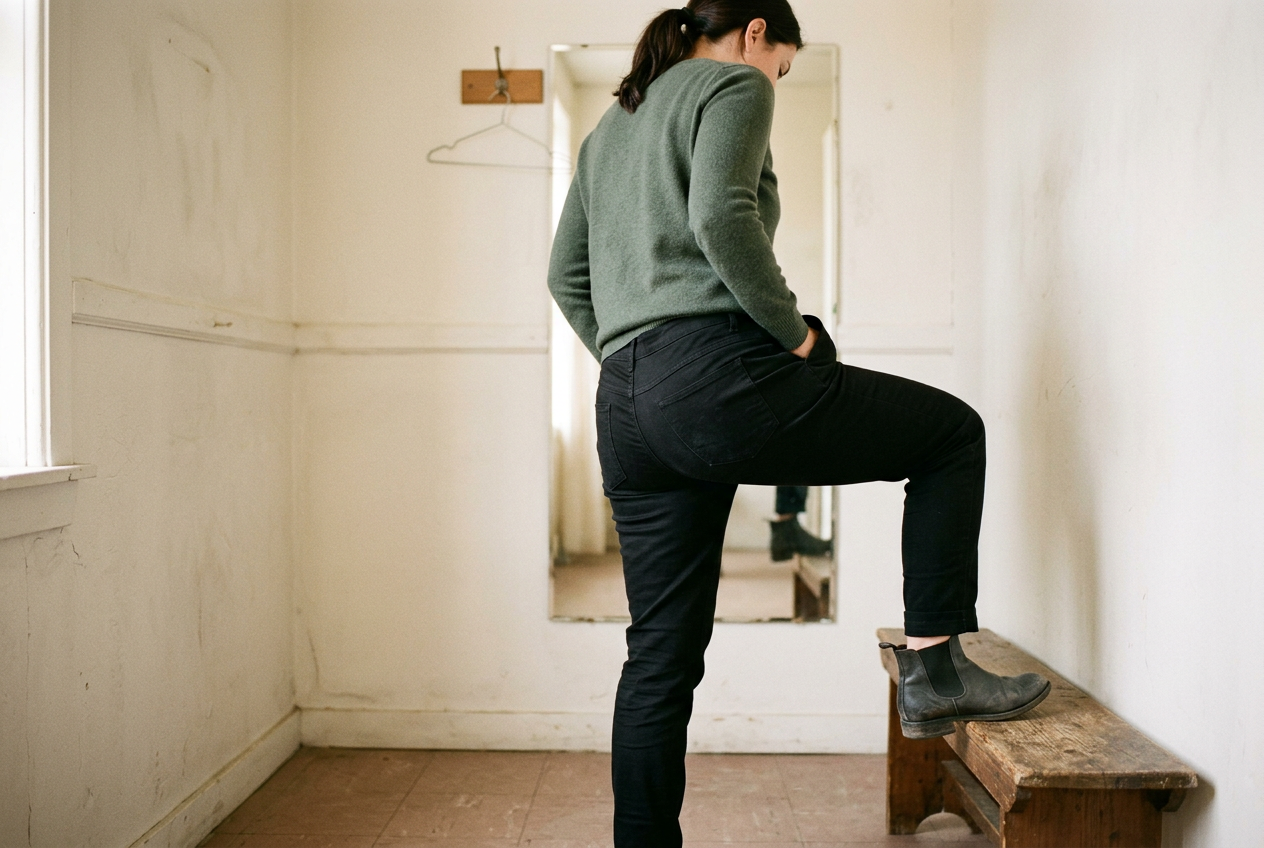
For women’s fit coverage, Stretch Pants Need More Than the Two-Finger Waist Test was the test worth keeping. Elastane could make a waistband feel accommodating while pockets flared or fabric bagged after sitting. A static check at the waist missed too much. The stronger approach used four dressing-room movements to see how the whole garment behaved. Stretch trousers still earned a place, but only when the cut held together beyond the first mirror check. We would buy again after moving, sitting and checking the pockets—not simply because two fingers fit at the waistband.
5. Sunglass darkness did not settle the driving question
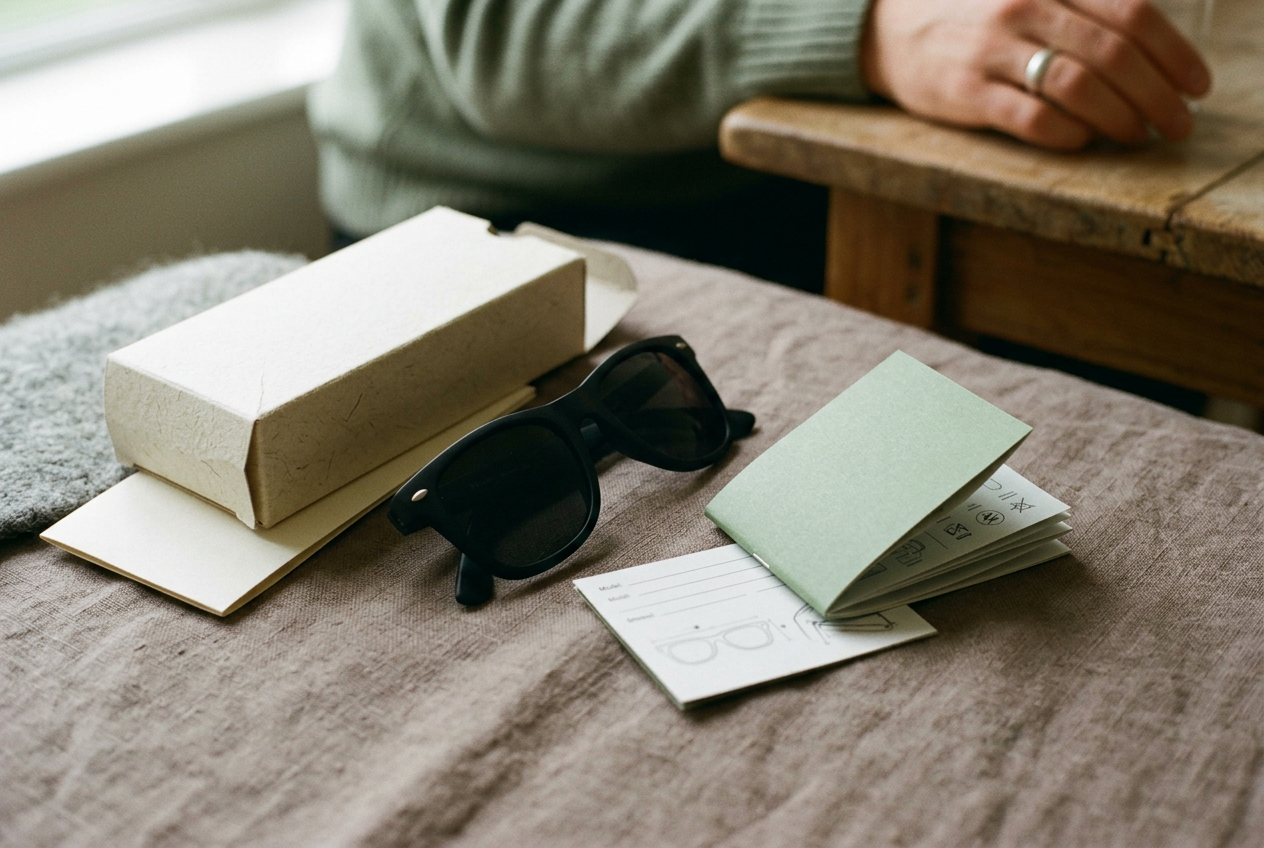
A Dark Sunglass Lens Can Still Be Wrong for Driving separated three features that were too easy to collapse into one: lens darkness, UV protection and polarization. That made it one of the summer’s better accessory checks, especially for New Jersey roads, shore glare and everyday errands. The useful move was to read the documentation rather than judge protection by tint alone. Sunglasses remained an obvious repeat purchase, but only with clear information about what the lens was designed to do.
6. Lacing solved some heel slip, but not bad shoe geometry
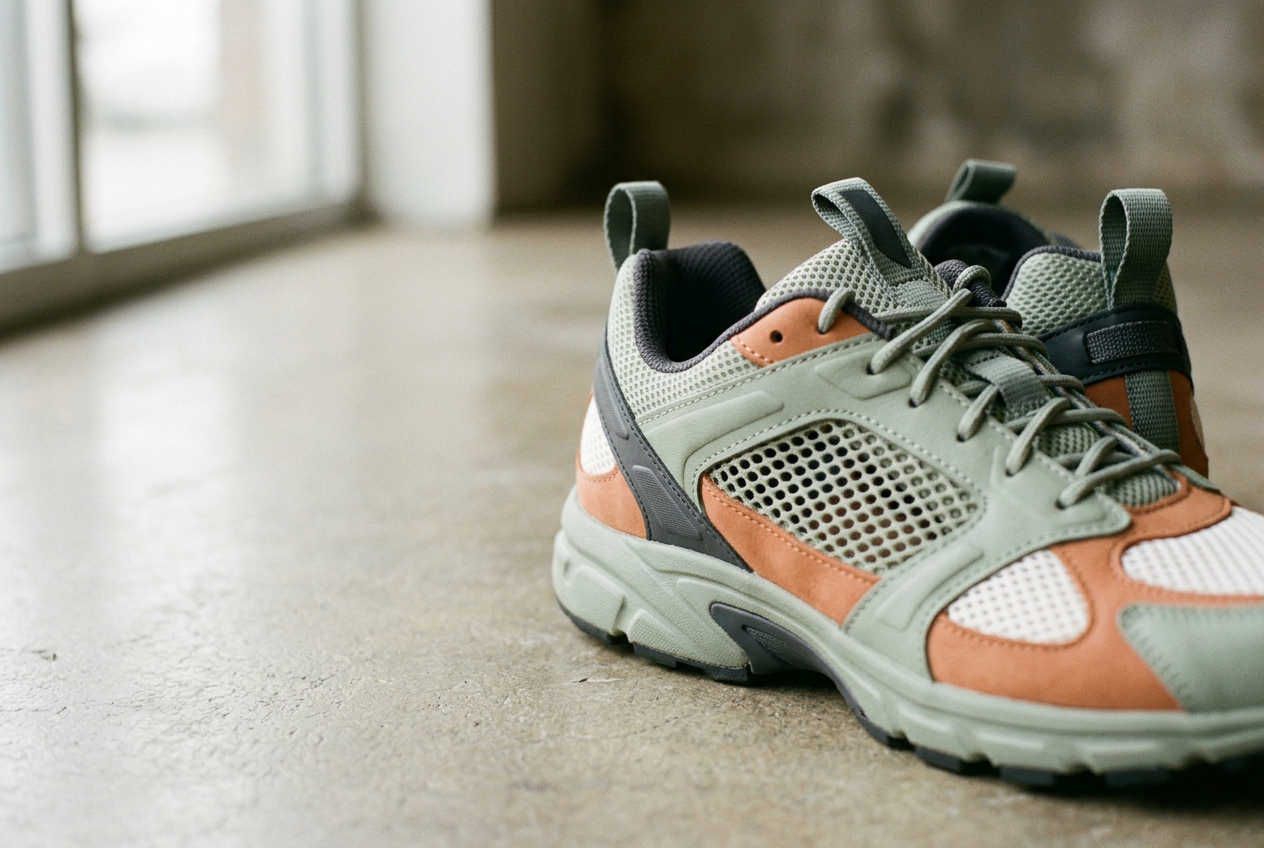
The practical value of High Instep, Loose Heel? Use Two Lacing Tricks Together was its combination of window lacing and a heel lock. One relieved pressure over a high instep; the other improved hold at the rear. That was a real adjustment rather than a blanket instruction to size down. It also had a sensible stopping point: if the shoe was simply too shallow, lacing could not rebuild it. We would retry a sneaker with these adjustments before returning it, but we would not keep a fundamentally incompatible shape.
7. White T-shirts still had to face daylight
Weight alone did not guarantee coverage, as A Heavier White T-Shirt Can Still Turn Sheer in Daylight showed. Two shirts could feel similarly substantial and still perform differently because knit construction mattered. The black-camisole check was more useful than an unverified fabric-weight claim and easy to repeat before committing. The white tee remained a summer staple for women, men and everyone, but this was a category in which we would buy again only after testing contrast and light rather than trusting touch.
8. Threadless earrings rewarded small, controlled adjustments
Your Threadless Earring Pin Needs Less Bend Than You Think captured the season’s broader lesson in miniature. A shallow midpoint bend could create the needed tension, but more force was not better, and a weakened pin was a reason to stop. Testing the fit off the ear kept the process controlled. Flat-back earrings remained worth buying for unisex everyday wear, yet the hardware demanded more understanding than its clean appearance suggested. We would rebuy the format, while treating replacement as preferable to repeatedly bending a damaged part.
What’s next
The desk should carry these standards into fall: test garments in motion, treat adjustability as a construction feature and stop expecting break-in or styling tricks to rescue the wrong shape. Summer 2026’s lasting pieces were not necessarily the loudest trends. They were the ones that remained useful after the first fitting, the first long walk and the first change in weather.
The articles behind it
Trend Watch
Flat Leather Fisherman Sandals Have the Best Odds
The fisherman sandal is splitting into platforms, leather cages and woven hybrids. The version most likely to last is flatter, repairable and already easy to find secondhand.
Iris Mbeki · 8 min read
Footwear
A Cork Footbed Softens. A Bad Arch Match Does Not.
After seven days in one pair of two-strap cork sandals, the surface felt friendlier. The misplaced arch stayed stubborn, which is the point at which break-in becomes wishful thinking.
Dez Ferraro · 7 min read
Trend Watch
That Raffia-Look Bag May Be Paper. Read the Label First.
Natural raffia, paper yarn and polypropylene can look nearly identical online. Their labels, joins and edges reveal how each will handle rain, fraying and winter storage.
Iris Mbeki · 8 min read
Style Notes
Stretch Pants Need More Than the Two-Finger Waist Test
Elastane can make a waistband feel forgiving while the pockets flare and the fabric bags after sitting. Four dressing-room movements give a more useful fit verdict.
June Park · 7 min read
Jewelry & Accessories
A Dark Sunglass Lens Can Still Be Wrong for Driving
Lens darkness, UV protection, and polarization do different jobs. Here is how to read the documentation before buying sunglasses for New Jersey roads, shore glare, or daily errands.
Margot Lane · 8 min read
Footwear
High Instep, Loose Heel? Use Two Lacing Tricks Together
Window lacing relieves pressure over a high instep, while a heel lock holds the rearfoot. Here is how to combine them, and when the shoe is simply too shallow.
Dez Ferraro · 8 min read