
Roundups · August 2026 · In review
August 2026 in Review: The Fit Checks That Actually Worked
The month’s strongest lessons came from wearing past the first impression. Adaptable footwear, better fitting-room tests and honest material checks earned their place; wishful thinking about break-in did not.
Assembled by Margot Lane · Jewelry & accessories writer
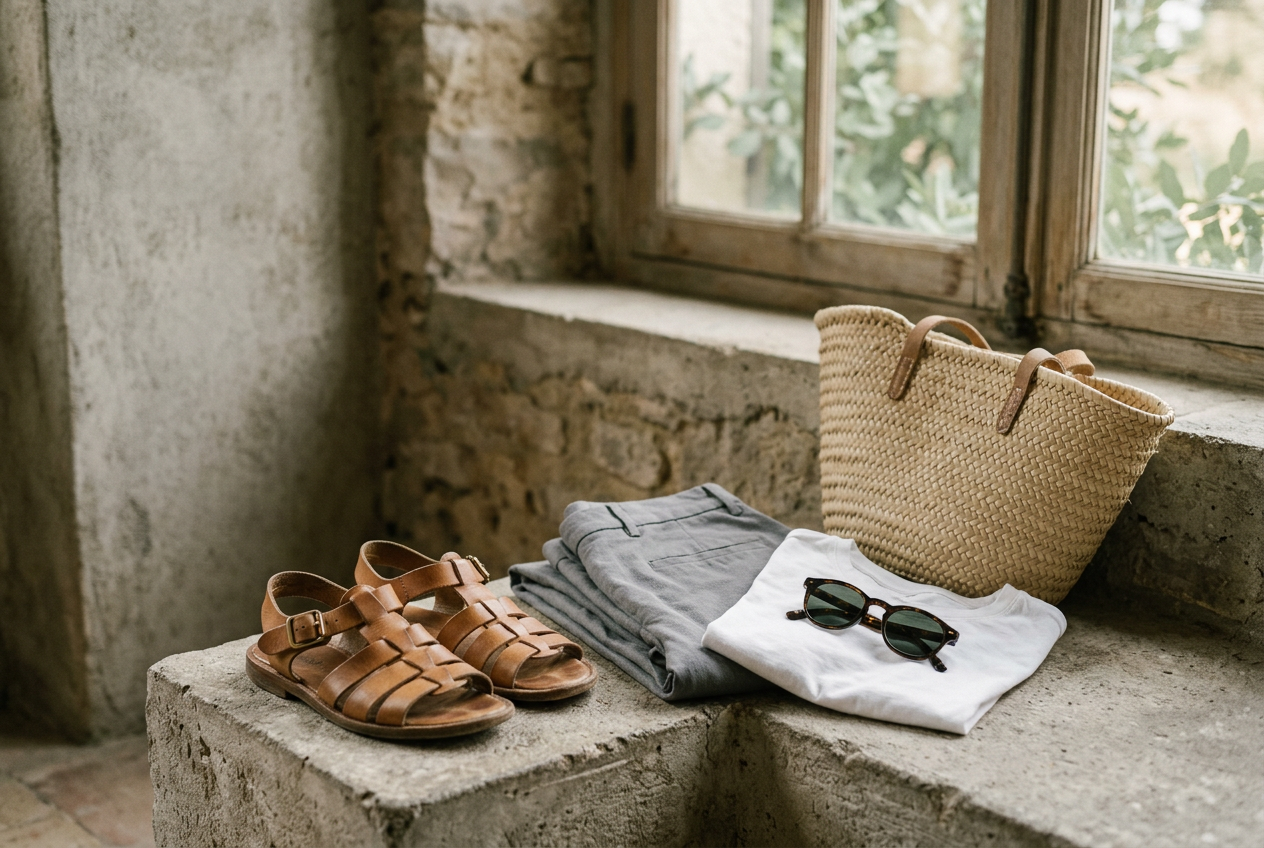
August rewarded skepticism. The month’s best work did not treat softness as support, fabric weight as opacity or a familiar size as proof of fit. Instead, it asked what happened after sitting, walking, reaching, standing or wearing something for a full week. Those checks produced clearer buying decisions than any promising first impression.
Footwear generated the sharpest verdicts. Adjustable, flatter sandals generally had better odds than exaggerated versions, while plush sneakers, cork footbeds and fashion-led toe shapes still had to match the wearer. The disappointments were not always badly made products. More often, they were reasonable designs asked to solve the wrong fit problem.
Coverage also extended beyond women’s trend shoes and trouser fit. Unisex reporting applied to women’s and men’s wardrobes through sneakers, sandals, sunglasses, bags, white T-shirts and jewelry. Across those beats, we would buy again when construction remained useful after the novelty faded: a working buckle, a stable heel, a repairable leather upper or clearly identified bag material.
What worked
1. The seven-day sandal test beat break-in optimism
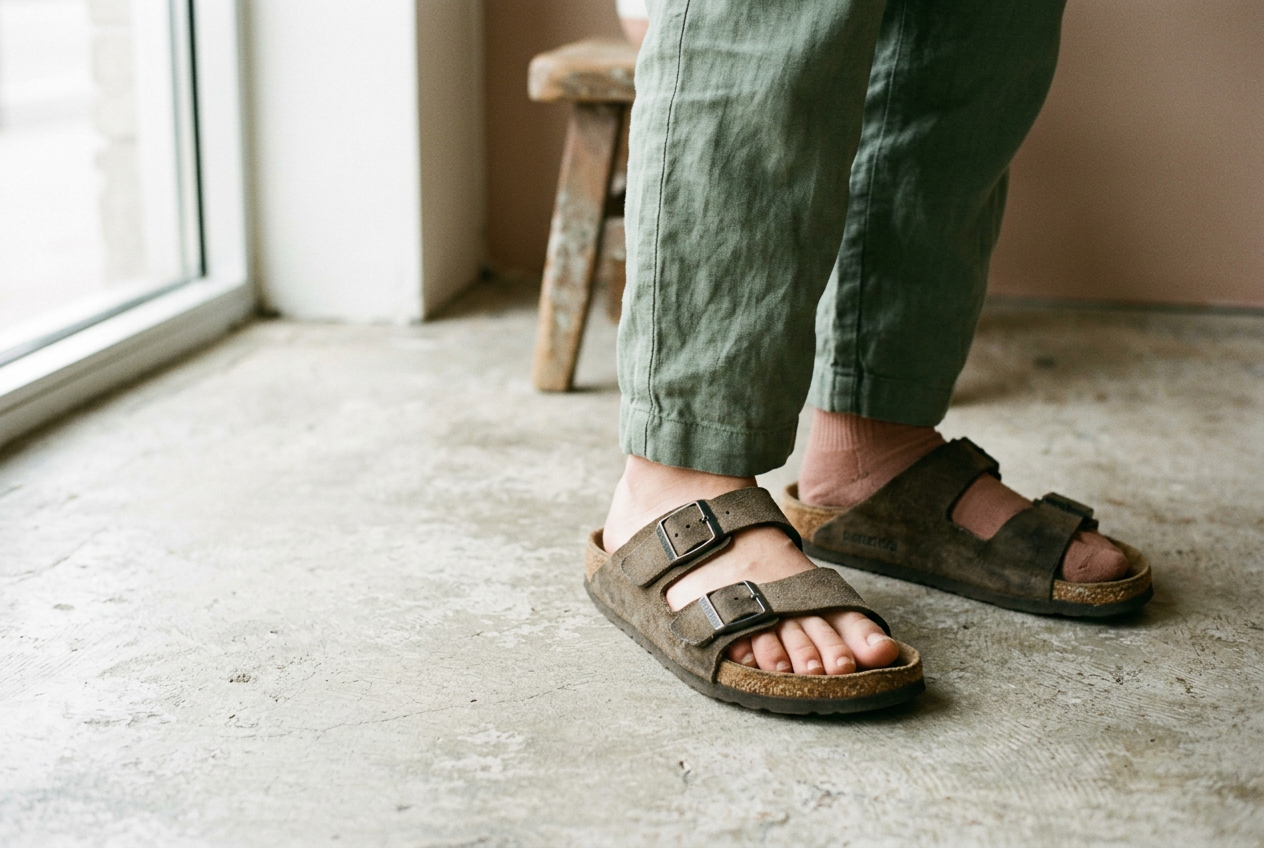
The month’s most useful result was also one of its least glamorous. A Cork Footbed Softens. A Bad Arch Match Does Not. separated two changes that shoppers often confuse. The surface of a two-strap cork sandal became friendlier after seven days, but the misplaced arch did not move into the right position.
That distinction earned the story first place. A material can soften without making the underlying shape compatible with the wearer. The disappointing pair was not a reason to reject cork footbeds altogether; it was evidence that break-in could not rescue a bad match. We would buy this type of sandal again only when the arch felt correctly placed from the start.
2. Stretch trousers needed a movement test
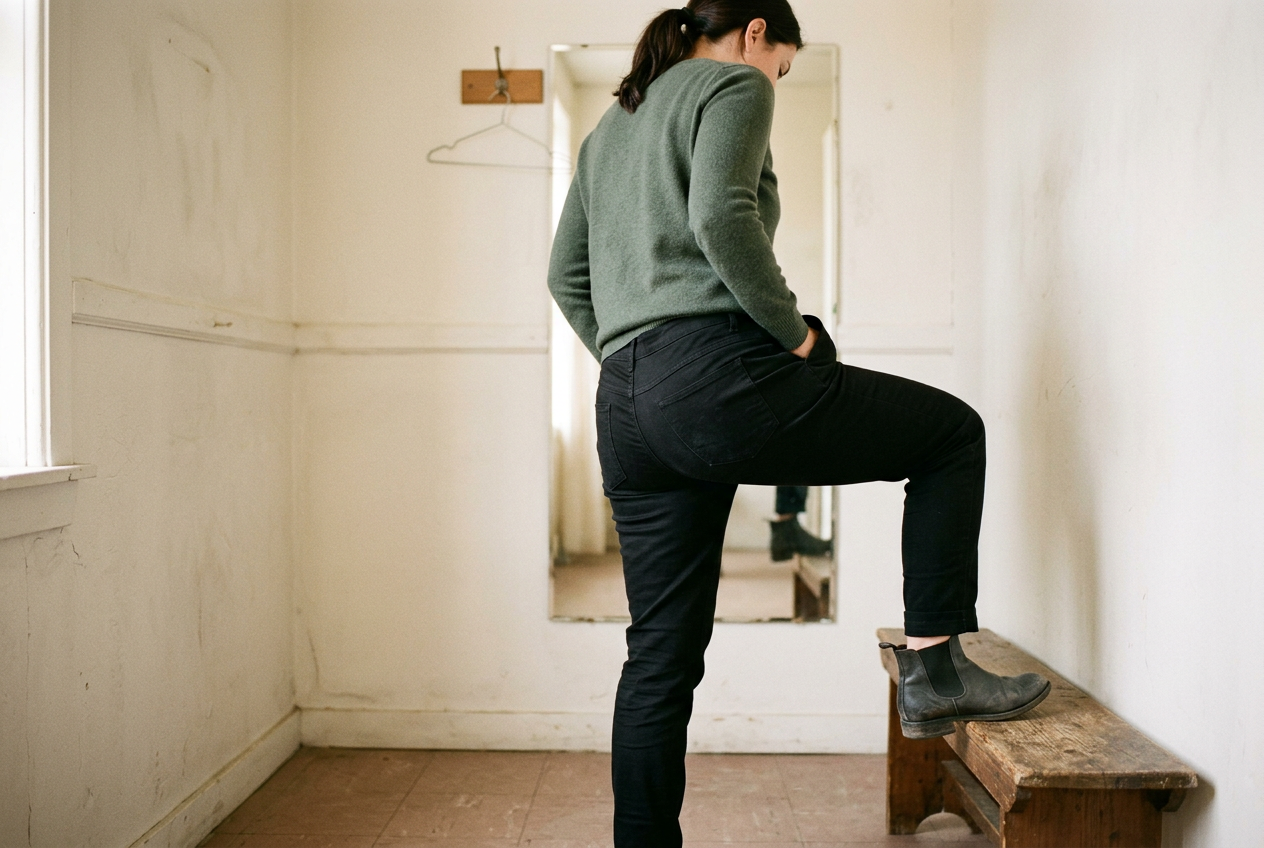
Women’s trousers received one of August’s strongest fitting-room checks. Stretch Pants Need More Than the Two-Finger Waist Test showed why a forgiving waistband offered only partial information. Pockets could still flare, and fabric could still bag after sitting.
The better standard was movement rather than a static waist check. That made the advice useful across different trouser cuts without pretending elastane could correct poor geometry. Stretch earned its place when the pants recovered and the pockets stayed controlled. It disappointed when initial comfort concealed strain or instability elsewhere.
3. Dark sunglasses did not automatically suit the road
A Dark Sunglass Lens Can Still Be Wrong for Driving was the month’s best accessories reality check. It kept lens darkness, UV protection and polarization separate instead of treating them as interchangeable features. That mattered for New Jersey driving, shore glare and ordinary errands.
The practical win was documentation. A dark-looking lens did not provide enough evidence by itself, so this was not a purchase to make on appearance alone. For women and men, the pair worth buying again would be the one whose stated lens properties matched its intended use—not simply the pair with the deepest tint.
4. Flat leather fisherman sandals had the strongest case
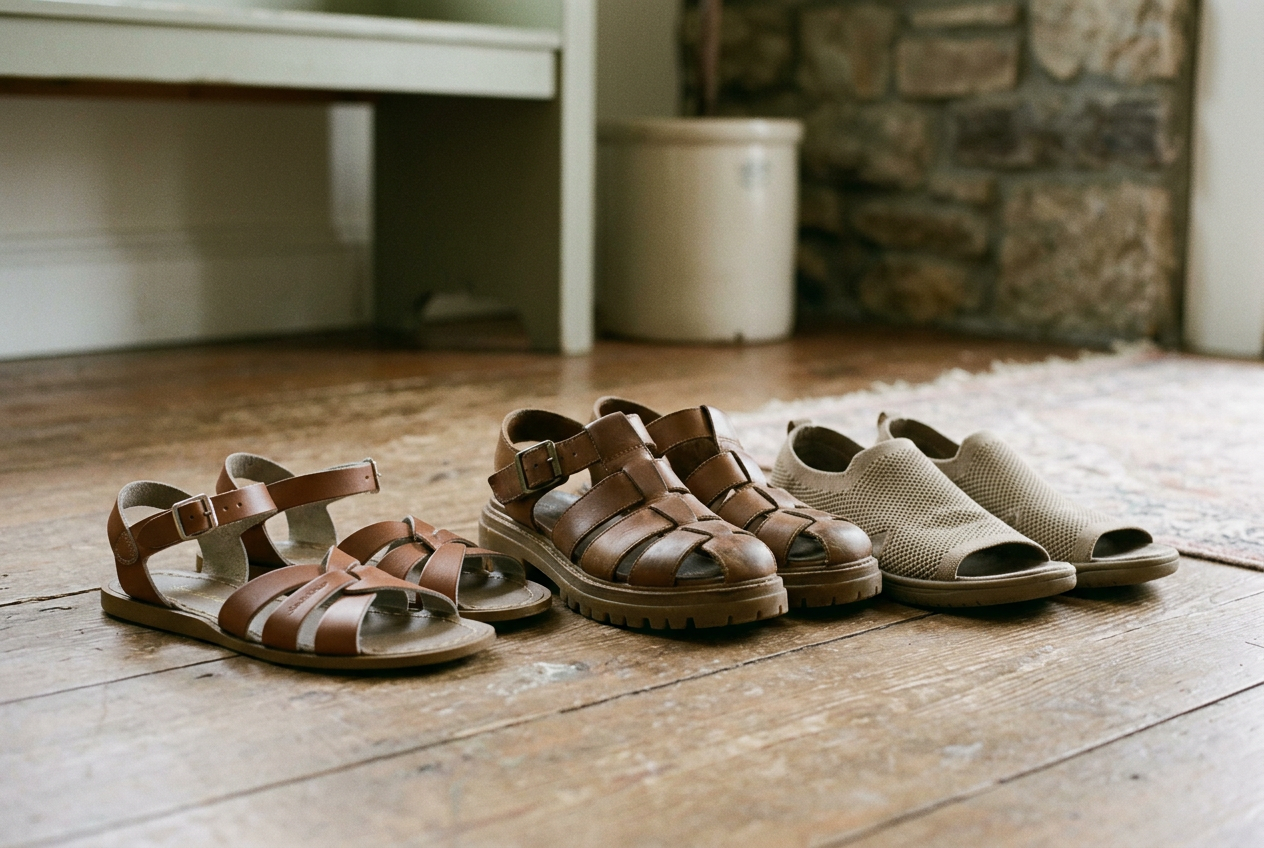
August examined fisherman sandals as both a trend and a working summer shoe. Flat Leather Fisherman Sandals Have the Best Odds made the most convincing argument for the flatter, repairable leather version, particularly because it was already available secondhand.
This was where the silhouette earned its weight. A useful cage offered coverage, but the shoe did not need an oversized platform or excessive bulk to look current. Of the month’s trend footwear, this was the type we would be most willing to buy again: unisex, adaptable and less dependent on an extreme proportion.
5. A longer sneaker was not the same as a wider one
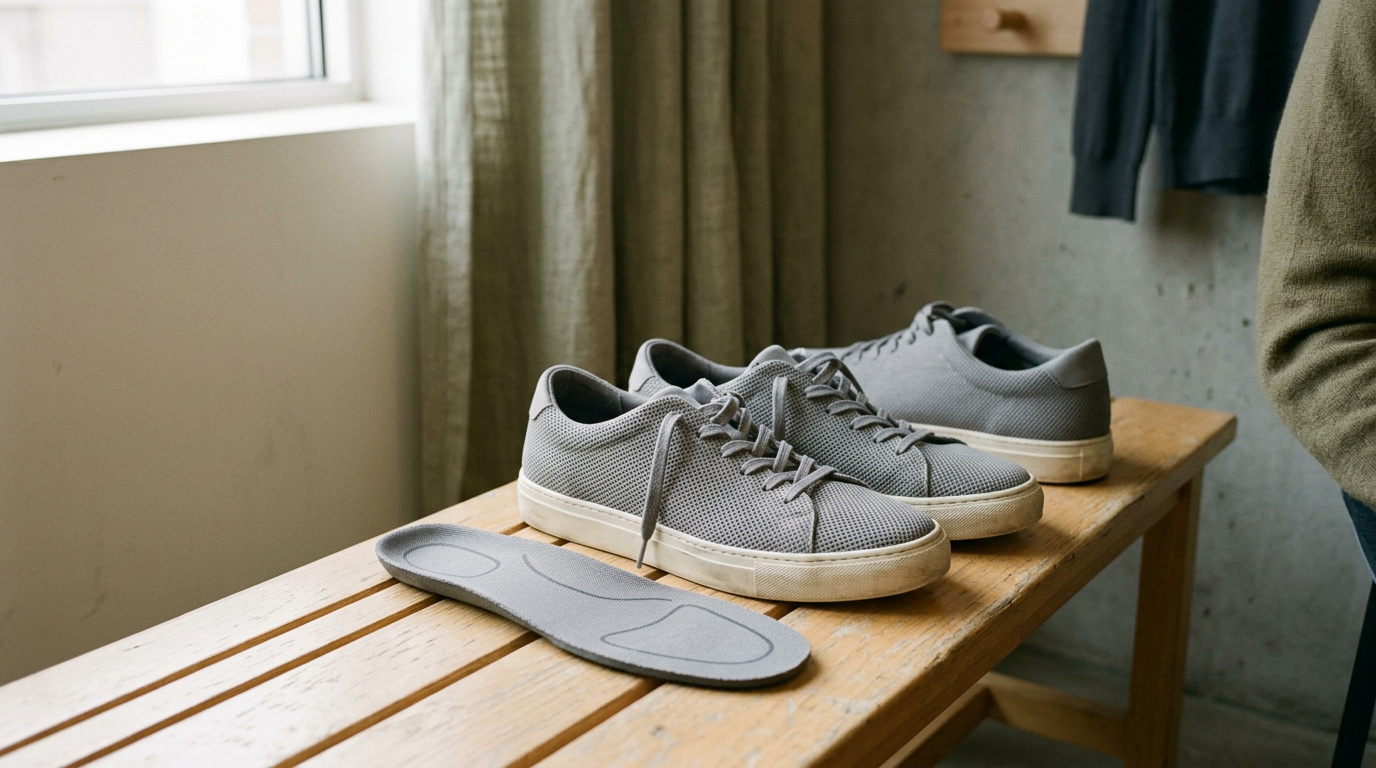
A Half-Size Up Can Fix Toe Pressure and Ruin Heel Hold addressed a common failed compromise. Going longer could relieve a squeezed forefoot, but it could also introduce heel slip because added length and added width created different kinds of room.
The story worked because it treated size as only one part of shape. A wide sneaker or a different last could be the better answer. We would buy the larger size again only if the heel remained controlled; otherwise, the extra space merely moved the problem from the front of the shoe to the back.
6. A summer bag label mattered more than its surface
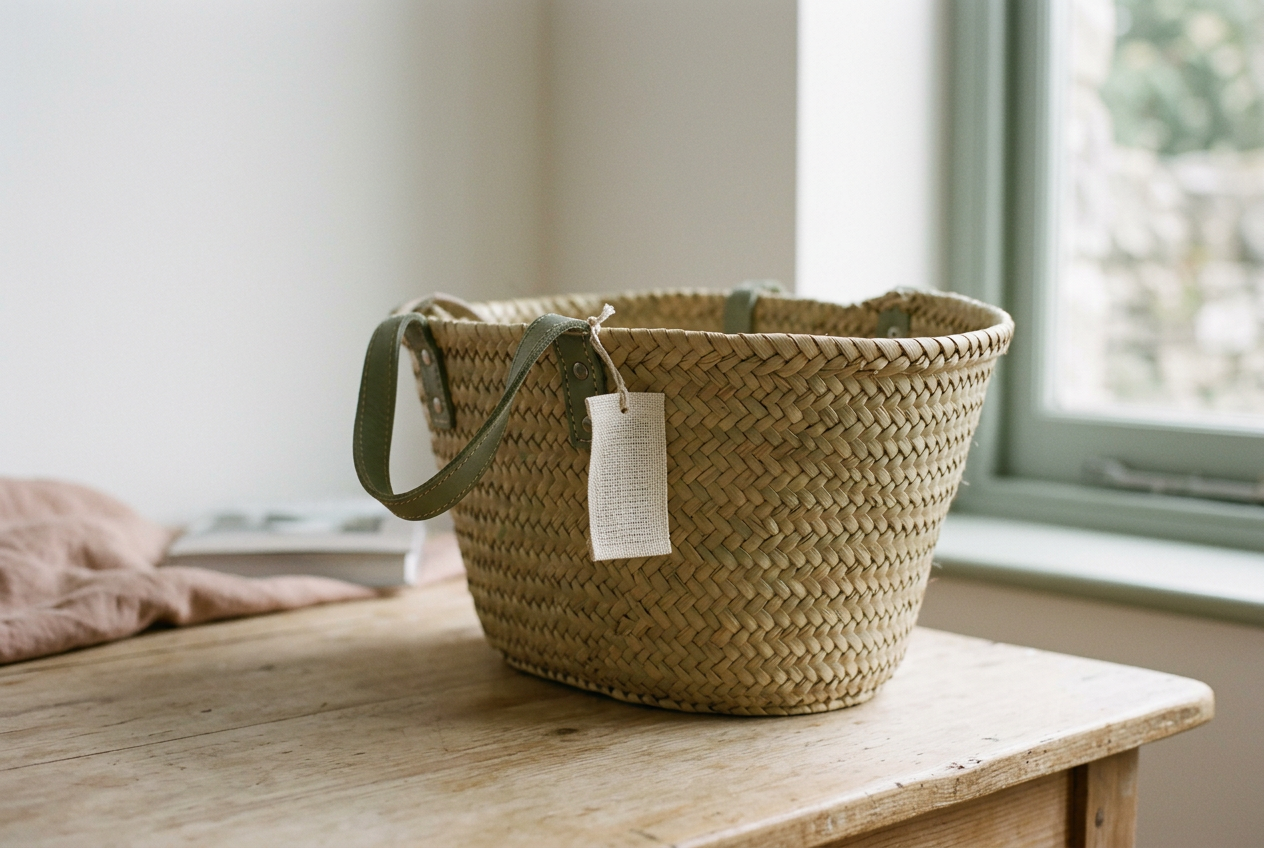
The month’s most useful material check came from That Raffia-Look Bag May Be Paper. Read the Label First.. Natural raffia, paper yarn and polypropylene could look similar online while responding differently to rain, fraying and winter storage.
None of those materials was automatically disqualified. The disappointment was a listing or appearance that encouraged the wrong assumption. The bag worth buying again was the one with a clearly identified material and construction suited to how it would actually be carried and stored.
7. Moderate barrel jeans outlasted costume volume
Women’s denim trends looked more convincing when the curve was controlled. Barrel Jeans Are All Over Resale. The Moderate Curve May Last. noted that new options covered more rises and lengths while resale filled with first-wave pairs.
That resale presence made the excess easier to see. Extreme volume risked reading as a short-lived experiment, while a moderate curve offered a more wearable change from straight or wide legs. If we bought the silhouette again, we would choose the restrained version rather than the pair whose shape dominated every outfit.
8. Threadless jewelry needed a smaller adjustment
Your Threadless Earring Pin Needs Less Bend Than You Think brought useful precision to unisex flat-back jewelry. A shallow midpoint bend created holding tension, while an aggressive bend risked weakening the pin.
The lesson was restraint: test the connection away from the ear, adjust gradually and stop when the hardware showed damage. The jewelry earned another wear when a small correction restored secure tension. Repeated troubleshooting of a weakened component did not.
What’s next
August’s strongest tests will carry into early fall: move before buying, verify materials and reject the idea that wear will transform a fundamentally wrong shape. Next month, the desk should keep asking whether summer’s trend pieces can handle cooler-weather layers, longer commutes and more frequent use.
The articles behind it
Footwear
A Cork Footbed Softens. A Bad Arch Match Does Not.
After seven days in one pair of two-strap cork sandals, the surface felt friendlier. The misplaced arch stayed stubborn, which is the point at which break-in becomes wishful thinking.
Dez Ferraro · 7 min read
Style Notes
Stretch Pants Need More Than the Two-Finger Waist Test
Elastane can make a waistband feel forgiving while the pockets flare and the fabric bags after sitting. Four dressing-room movements give a more useful fit verdict.
June Park · 7 min read

Jewelry & Accessories
A Dark Sunglass Lens Can Still Be Wrong for Driving
Lens darkness, UV protection, and polarization do different jobs. Here is how to read the documentation before buying sunglasses for New Jersey roads, shore glare, or daily errands.
Margot Lane · 8 min read
Trend Watch
Flat Leather Fisherman Sandals Have the Best Odds
The fisherman sandal is splitting into platforms, leather cages and woven hybrids. The version most likely to last is flatter, repairable and already easy to find secondhand.
Iris Mbeki · 8 min read
Footwear
A Half-Size Up Can Fix Toe Pressure and Ruin Heel Hold
Extra length and extra width do not create the same space. This fitting-room check shows whether your squeezed forefoot needs a wide sneaker, a longer one or a different shape.
Dez Ferraro · 8 min read
Trend Watch
That Raffia-Look Bag May Be Paper. Read the Label First.
Natural raffia, paper yarn and polypropylene can look nearly identical online. Their labels, joins and edges reveal how each will handle rain, fraying and winter storage.
Iris Mbeki · 8 min read