
Roundups · Q3 2026 · In review
Q3 2026 Review: Eight Wear Tests Worth Keeping
The quarter’s strongest advice moved beyond the fitting-room mirror. Sneaker flex, seated shirt fit and bag construction mattered more than a promising first look.
Assembled by Margot Lane · Jewelry & accessories writer
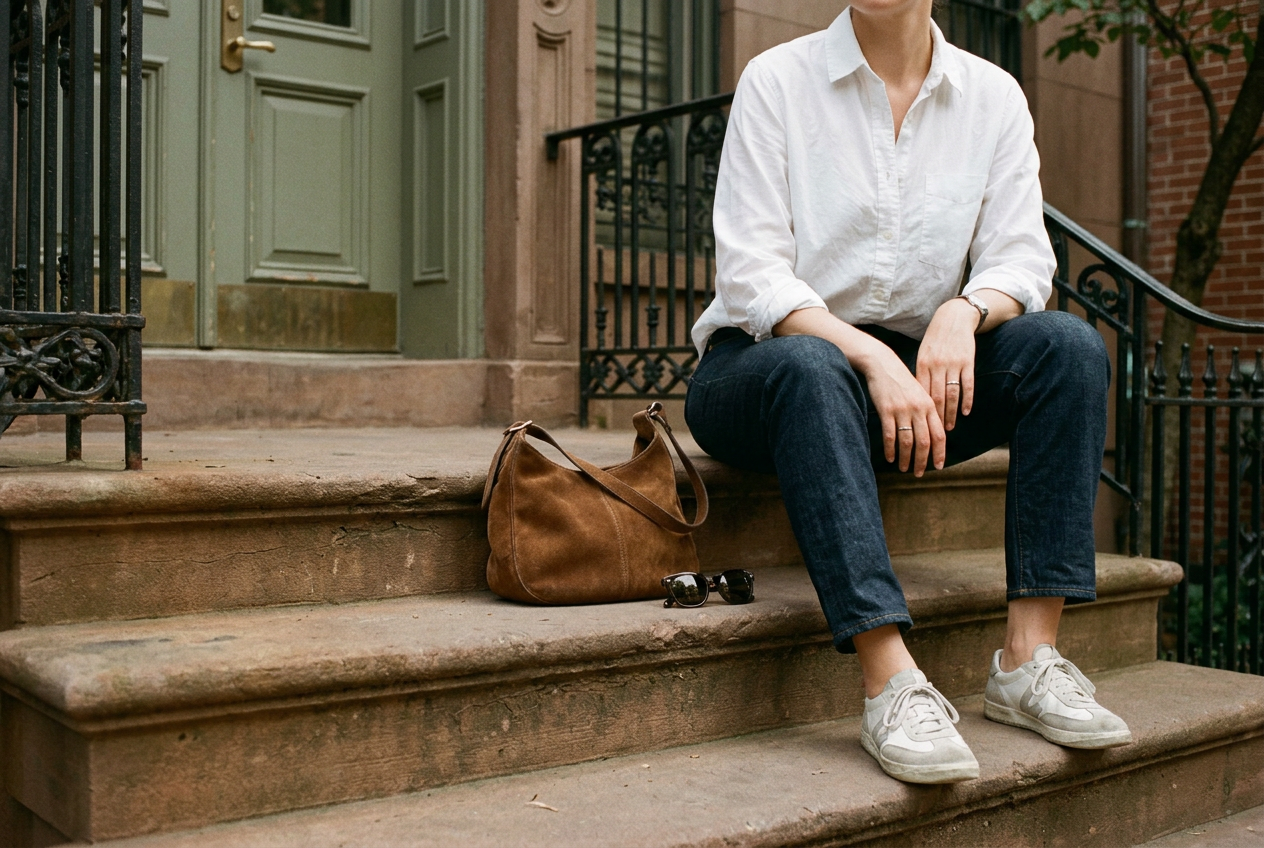
Q3 rewarded the tests that introduced movement, weight and ordinary inconvenience. A shoe could have enough toe room and still flex in the wrong place. A shirt could look neat while standing and pull apart in a chair. A fashionable bag could seem generously slouchy until its base sagged under a normal load. The quarter’s most useful work caught those failures before they became permanent wardrobe problems.
The disappointments were concentrated in summer footwear and revived silhouettes. Cork footbeds did not belong everywhere simply because they felt supportive on dry pavement, and bubble hems did not always recover after sitting. The better trend coverage separated an appealing outline from durable construction. We would buy the ideas again—but only after checking the parts hidden by that first impression.
Women’s coverage supplied many of the quarter’s sharper garment and accessory tests, including button-ups, bubble skirts and suede bags. Men’s-relevant coverage came through the unisex reporting on sneakers, sunglasses, earrings, sandals and clothing care; there were no men’s-only stories in this set. That balance made Q3 broadly practical, even when several of its most visible trends were presented through women’s fashion.
What worked
1. The sneaker flex check
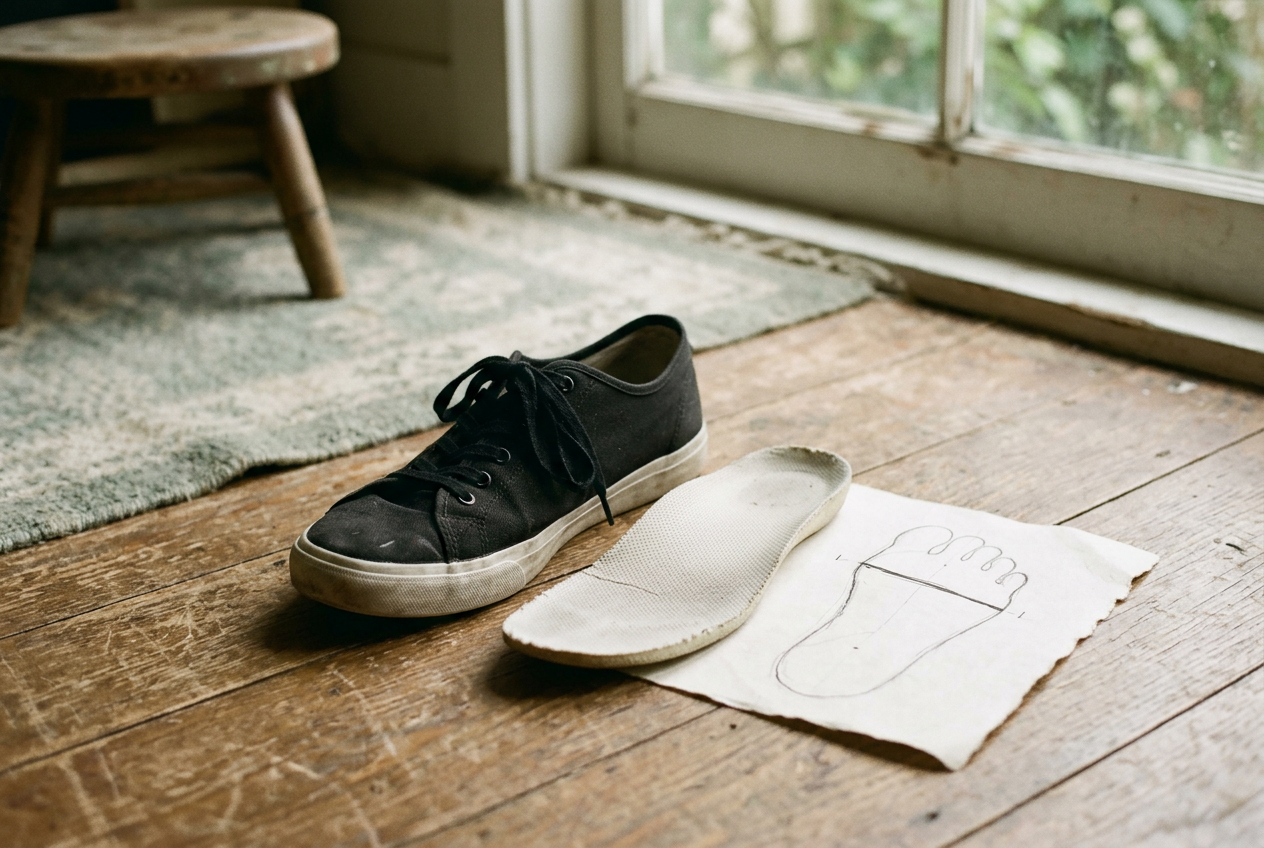
Your Sneakers Can Be the Right Length and Still Bend Wrong earned the top position because it challenged the default response to a pinching sneaker: changing the size. Length was only part of the fit. The useful test was whether the ball of the foot met the shoe’s intended flex point. That distinction could rule out a mismatched shape without creating excess room elsewhere. For women, men and anyone shopping unisex footwear, this was the quarter’s most reusable fitting-room check. We would buy a sneaker again only if it bent with the foot, not merely if the toes cleared the end.
2. The seated button-up test
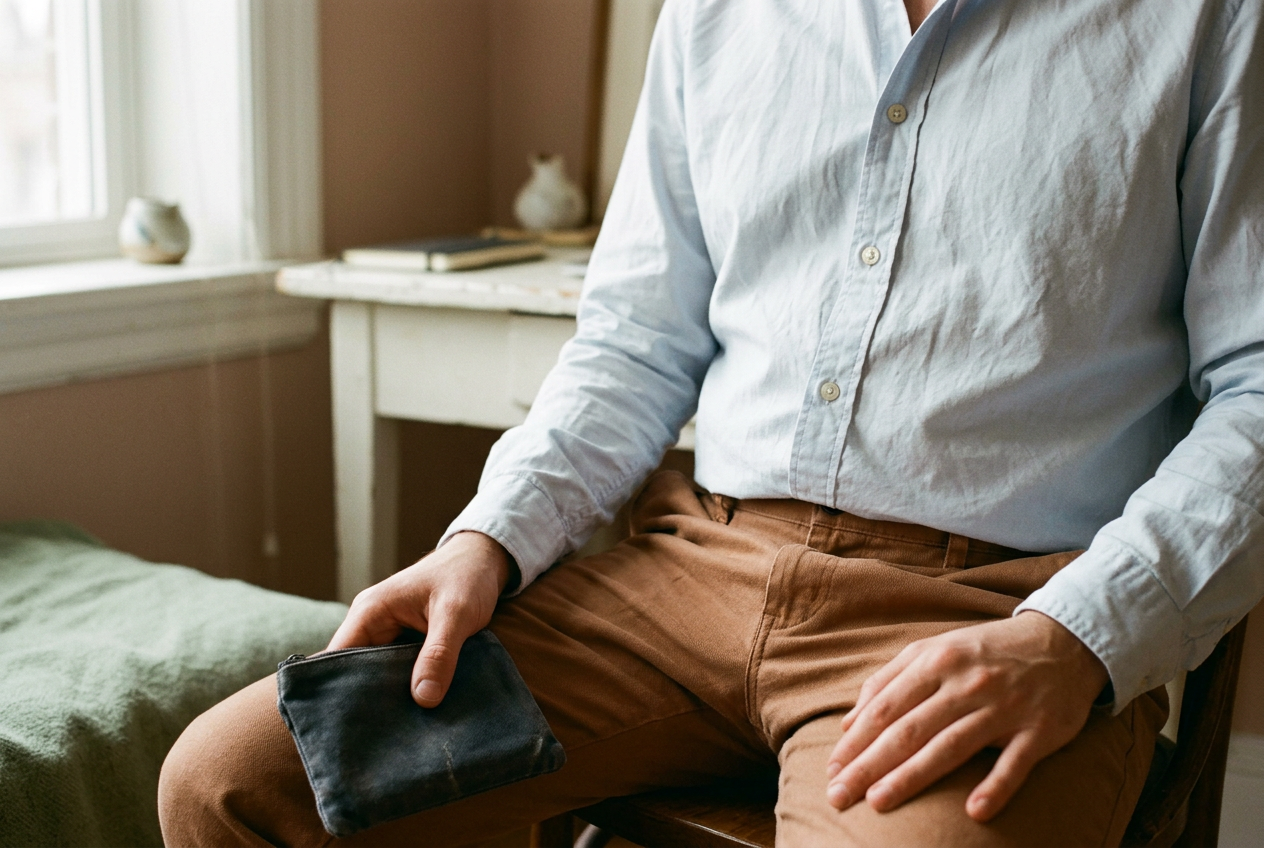
Your Button-Up Fits Standing. Sit Down Before You Buy It. made a convincing case against judging a women’s shirt from a static mirror view. Sitting exposed pulling at the bust, weak button placement and problems created by tucking the hem. This earned its rank because the test required no special knowledge: button the shirt, sit down and watch the placket. A crisp appearance while standing was not enough. We would buy the button-up that stayed closed through movement rather than sizing up and accepting a poorer fit at the collar, shoulders and cuffs.
3. The soft bag with a real foundation
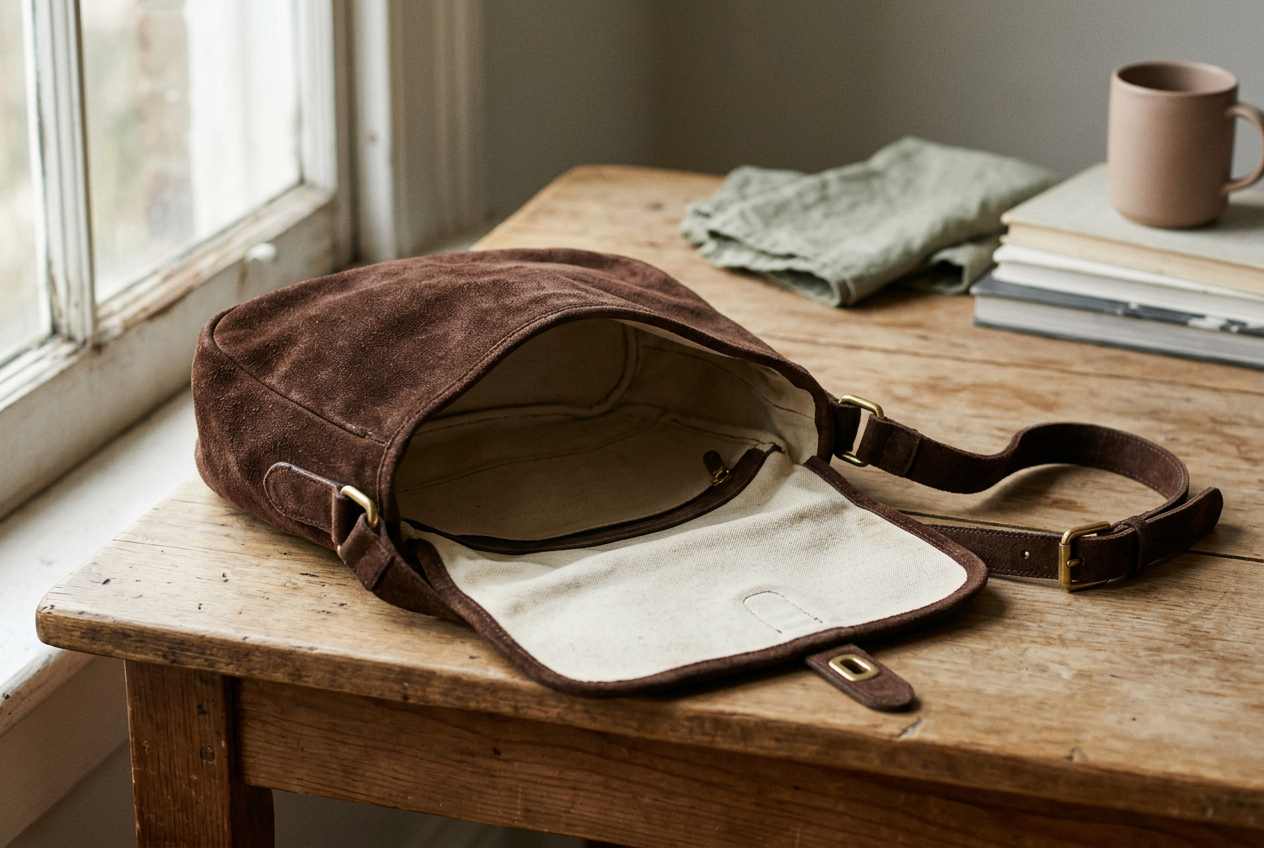
Soft Suede Bags Are Back. Check the Base Before You Buy. treated slouch as a construction question rather than a styling promise. The base, lining and handle attachment determined whether a women’s shoulder bag remained useful after it was filled. That was the right correction to the return of relaxed suede: softness was attractive, but uncontrolled collapse was not. We would buy this shape again when the bottom supported the contents and the handles were securely attached. A bag that looked effortless while empty but became awkward under weight did not earn a place.
4. Sunglasses specifications over tint
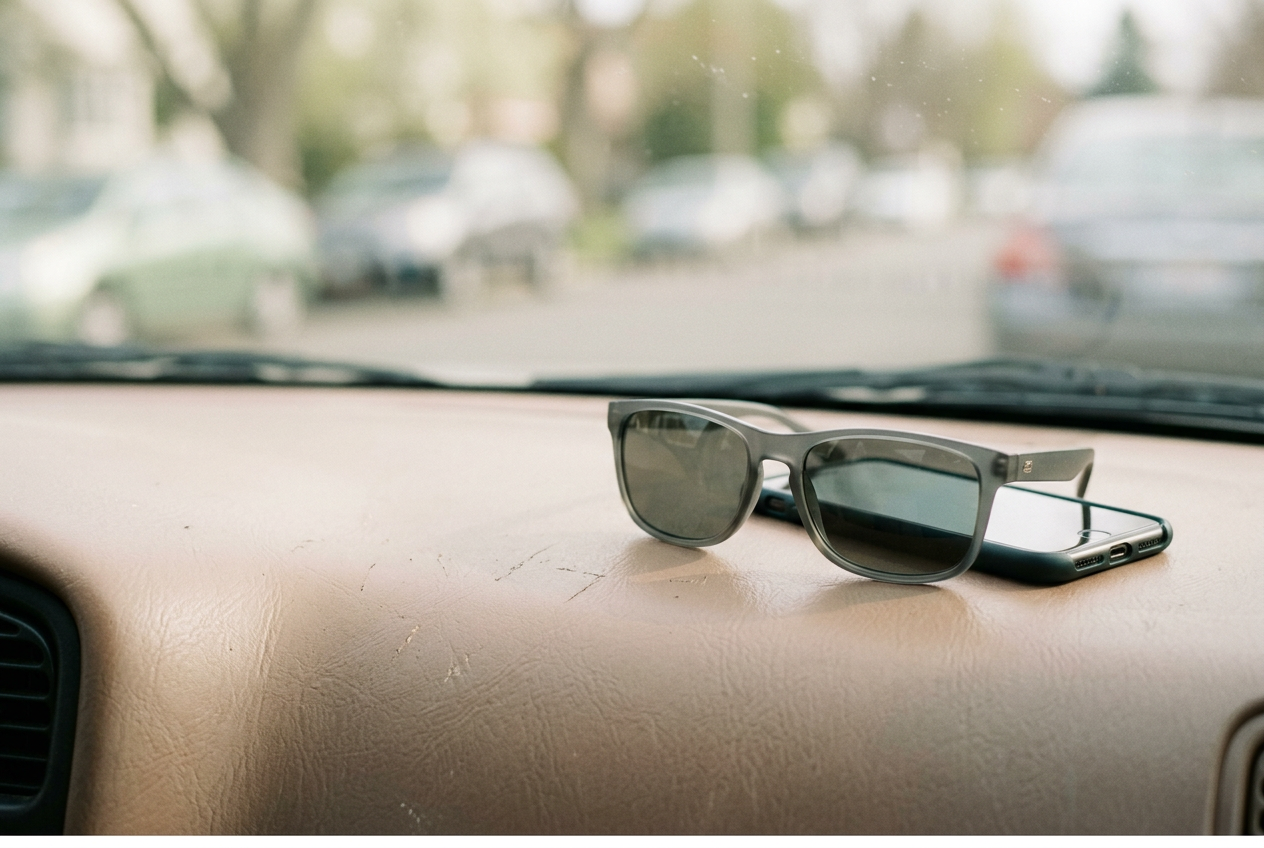
Dark Sunglasses Do Not Tell You How Much UV They Block was the quarter’s strongest accessory reality check. Darkness, UV information, polarization and lens category were separate specifications, and treating them as interchangeable made shopping less precise. The story also recognized that driving, looking at a phone and spending time near open water could place different demands on a lens. This was useful unisex coverage because it replaced a visual shortcut with a label-reading habit. We would buy sunglasses again based on the stated lens details and intended use, not on how nearly black they appeared.
5. The bubble hem that survived a chair
Bubble Hems Are Back, but Elastic Ones Collapse When You Sit delivered one of Q3’s clearest trend disappointments. The fullest women’s skirt was not automatically the most wearable, and elastic construction could lose its effect after sitting. Lining, hem tension and hip ease mattered more than the initial mirror check. The silhouette still had a place, but only when its volume returned after normal use. We would consider fixed tucks or better-supported construction again; we would not buy an elastic bubble hem solely because it looked dramatic on the rack.
6. Cork sandals that stayed away from the beach
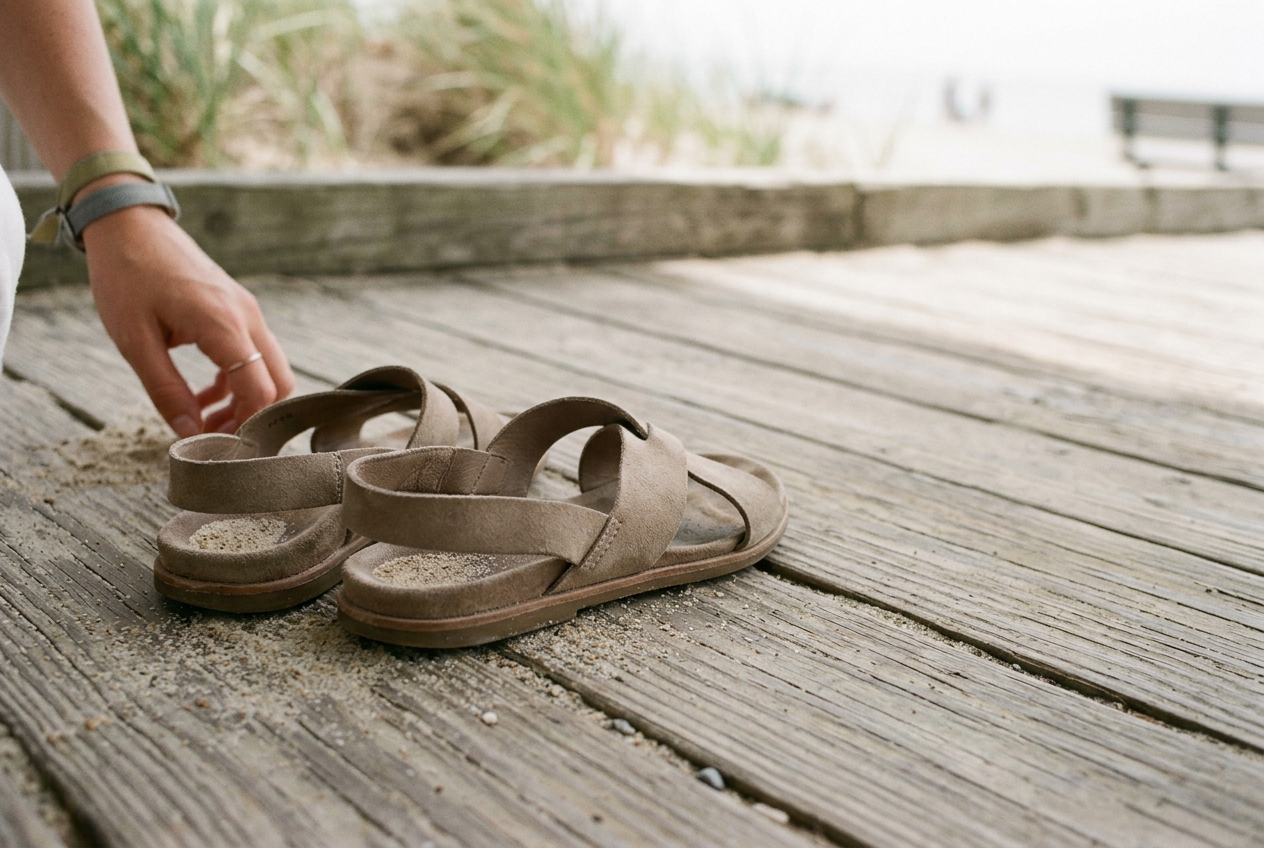
Cork Sandals Feel Supportive Until Sand Gets Underfoot identified a boundary that mattered. A molded footbed could work well on dry pavement, yet sweat and sand changed the experience. Suede softened the surface, but washable synthetic materials made more sense near water. The sandal itself was not the failure; using it in the wrong setting was. We would buy cork footbeds again for dry everyday wear, provided the shape fit properly. For the beach or pool, easy rinsing would take priority over the familiar molded feel.
7. A small bend with a large effect
Your Threadless Earring End Needs a Bend, but Only a Slight One made a tiny piece of jewelry hardware understandable. A slight curve in the pin created grip inside a threadless post, while large adjustments and incompatible parts called for caution rather than force. This was useful unisex guidance for anyone wearing flat-back earrings because it explained the mechanism without turning adjustment into guesswork. We would buy threadless jewelry again, but only after confirming that the end and post belonged to compatible systems and that secure fit required a small, controlled bend.
8. Dark denim that had not finished transferring dye
Dark Denim That Still Stains After Washing Is a Bag Risk connected clothing care to the rest of the outfit. A first wash could remove loose indigo, but a remaining navy streak meant pale shirts, leather and canvas bags were still exposed to transfer. The rubbing check was simple and more informative than assuming one wash settled the issue. We would buy dark denim again, but we would test it before pairing it with light accessories. The disappointment was not the color itself; it was learning that laundering once did not guarantee the dye had stopped moving.
What’s next
The Q3 lesson was consistent: test clothes and accessories under the conditions in which they will actually be worn. Next quarter, we will keep prioritizing seated fit, loaded bags, flex points, material labels and surfaces that can be cleaned. What earned another purchase was not novelty alone, but construction that kept working after the mirror test ended.
The articles behind it
Footwear
Your Sneakers Can Be the Right Length and Still Bend Wrong
A sneaker can leave enough room at the toes yet pinch at every step. Check whether the ball of your foot meets the shoe’s intended flex point before changing sizes.
Dez Ferraro · 7 min read
Style Notes
Your Button-Up Fits Standing. Sit Down Before You Buy It.
A crisp shirt can look correct in the mirror and pull open at the bust once you sit. The useful clues are button placement, available ease and what happens when the hem is tucked.
June Park · 7 min read
Trend Watch
Soft Suede Bags Are Back. Check the Base Before You Buy.
The new suede shoulder bag looks easy after years of rigid minis. Its base, lining and handle attachment decide whether that slouch stays useful once the bag is full.
Iris Mbeki · 8 min read
Jewelry & Accessories
Dark Sunglasses Do Not Tell You How Much UV They Block
A dark tint can still be the wrong lens for the road, your phone or open water. Read the category, UV and polarization labels as separate specifications.
Margot Lane · 8 min read

Trend Watch
Bubble Hems Are Back, but Elastic Ones Collapse When You Sit
A week with three bubble-skirt constructions showed that the fullest option is not always the most wearable. Lining, hem tension and hip ease matter more than the first mirror check.
Iris Mbeki · 7 min read
Footwear
Cork Sandals Feel Supportive Until Sand Gets Underfoot
A molded cork footbed handled dry pavement well, then turned hostile once sweat and sand met underfoot. Suede softens the ride, but washable synthetic wins near water.
Dez Ferraro · 7 min read