
Roundups · September 2026 · In review
September 2026 Review: The Styles That Earned Their Place
September’s best lessons came from movement, construction and repeat wear. Sneakers needed to flex in the right place, bags needed a sound base, and end-of-summer sandals faced a harder reckoning.
Assembled by Margot Lane · Jewelry & accessories writer
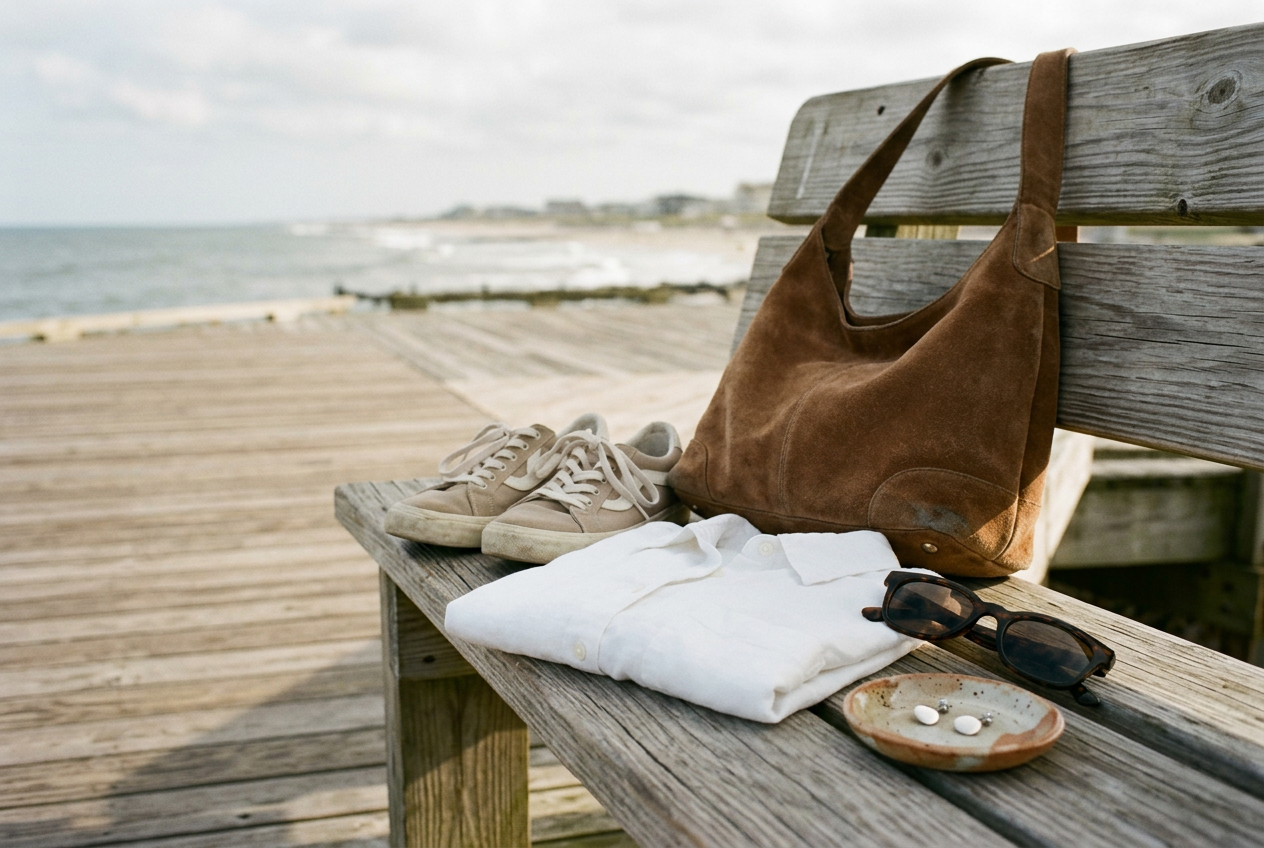
September rewarded the pieces that held up after the fitting-room mirror stopped being useful. Sitting exposed weak shirt and skirt construction. Walking showed where shoes bent, rubbed or caught the pavement. Loading a bag made its base and handle attachments more important than its silhouette. The strongest stories translated those ordinary movements into checks we could repeat before buying.
The month also closed the case on several warm-weather ideas. Cork, PVC and broad platforms all had limits that their substantial appearance did not reveal. By contrast, the most convincing purchases were not necessarily the most structured: a deliberately oversized shirt and a soft bag could work well when their proportions and hidden construction were controlled.
Women’s coverage included shirts, jumpsuits, bubble hems and returning shoe shapes. Men’s takeaways appeared within the unisex coverage, particularly in sneakers, oversized shirts, sandals, sunglasses and everyday earrings. Across both, September’s answer was consistent: buy for how an item moves and functions, not simply how it looks at rest.
What worked
1. The sneaker flex-point check
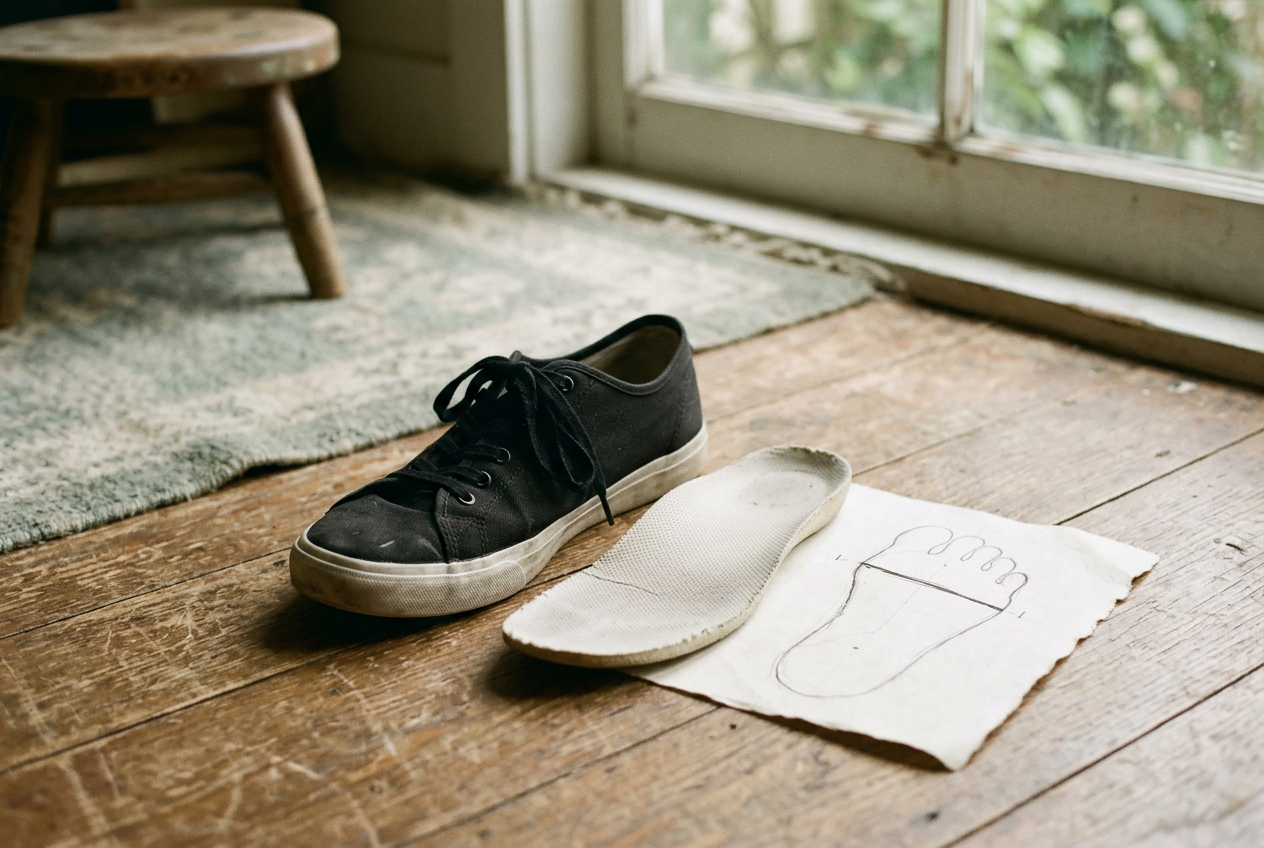
Your Sneakers Can Be the Right Length and Still Bend Wrong was the month’s most useful footwear test because it explained why extra toe room did not guarantee a good fit. The important match was between the ball of the foot and the shoe’s intended flex point. A sneaker that folded too far forward or resisted where the foot wanted to bend remained wrong even when its overall length looked correct. This was the kind of unisex advice we would take into every future sneaker try-on. We would buy again when length, width and flex all aligned; we would not expect a different size to repair a misplaced bend.
2. Oversized shirts designed to be oversized
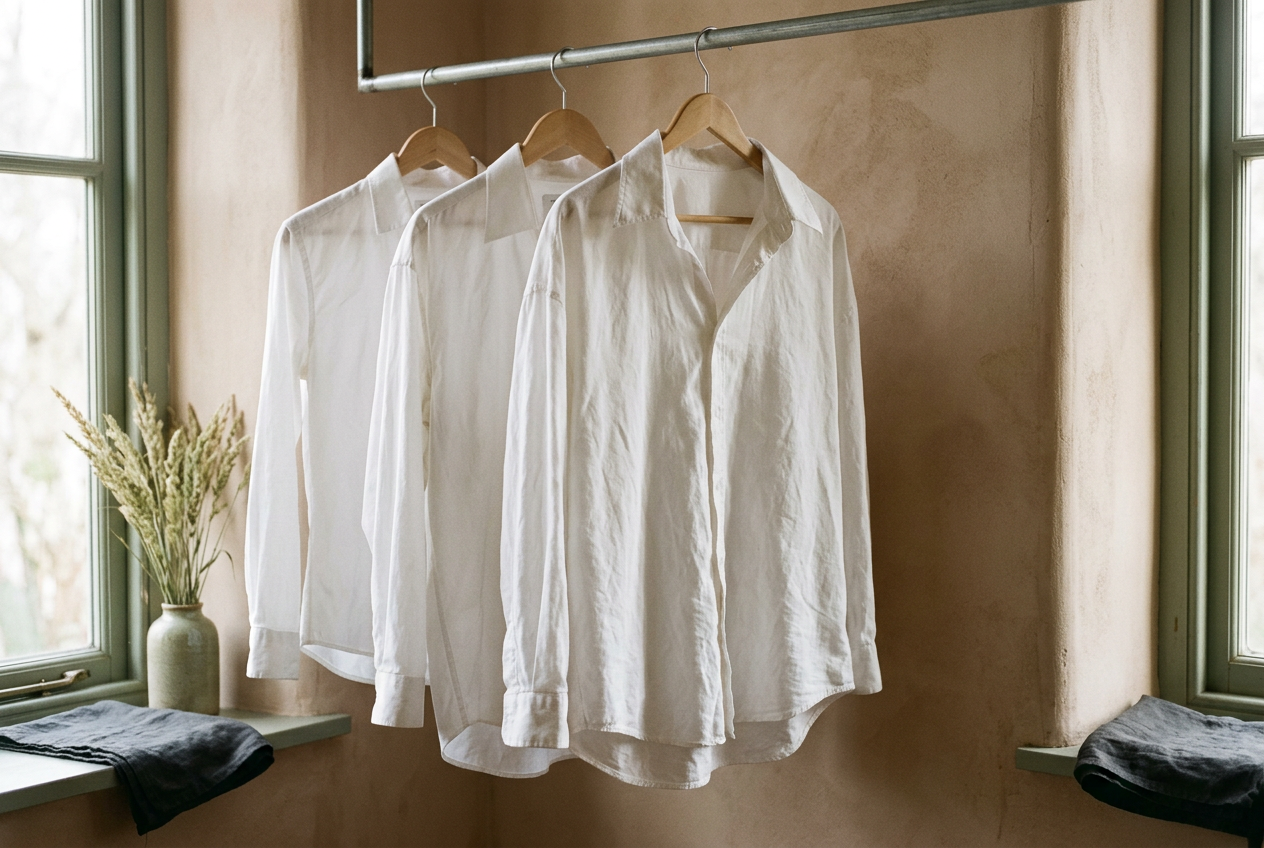
September made a strong case against using a larger standard size as a substitute for an intentional silhouette. Sizing Up Makes a Shirt Bigger in All the Wrong Places showed how a size increase could shift the collar, shoulders, cuffs and hem while adding room. A true oversized cut controlled those areas instead of enlarging everything indiscriminately. This worked for women’s and men’s wardrobes because the principle was not about one body shape: volume needed to be drafted into the garment. We would buy another oversized shirt, but only after checking that the shoulder and sleeve proportions still looked deliberate.
3. Soft suede bags with real structure underneath
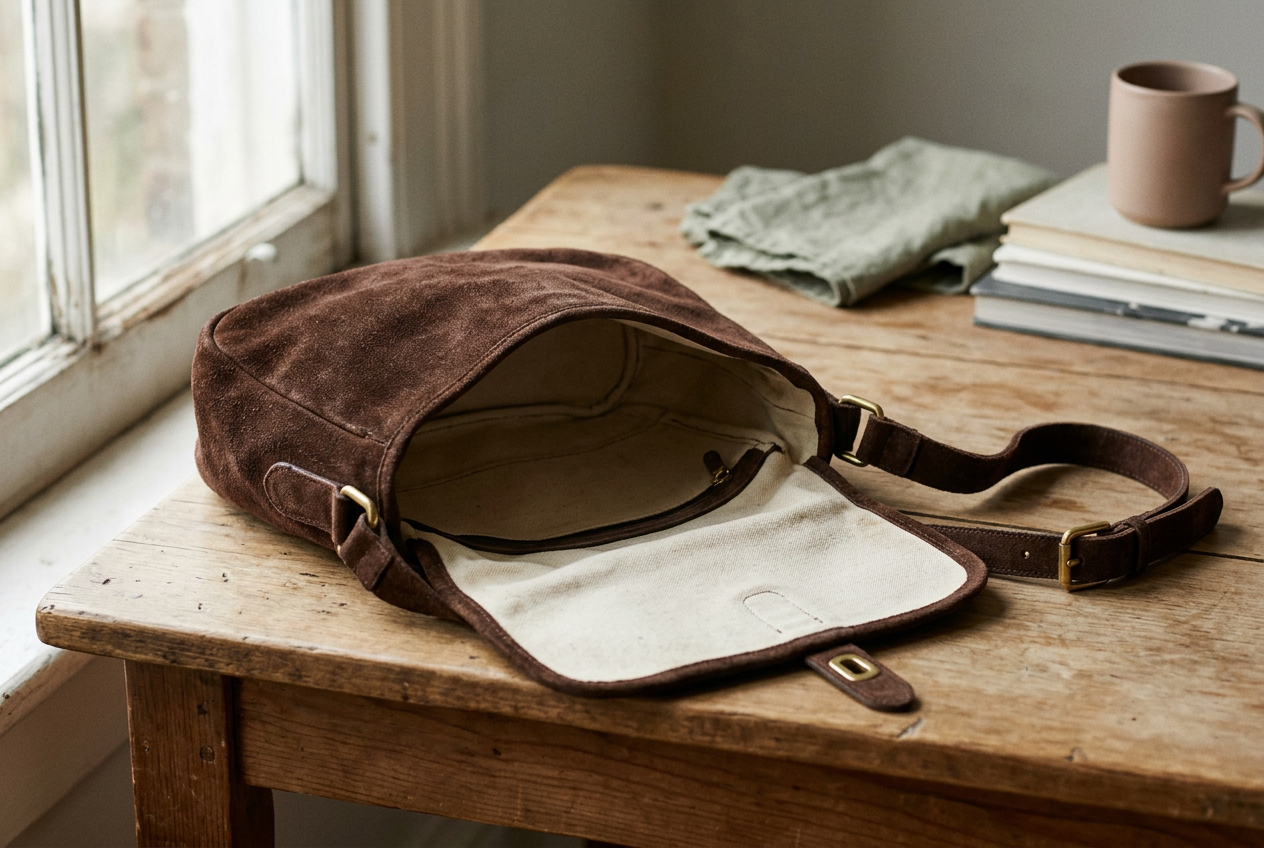
The return of slouchy bags was one of September’s more wearable trends, but softness alone did not earn a recommendation. Soft Suede Bags Are Back. Check the Base Before You Buy. focused on the parts that kept a relaxed women’s shoulder bag useful: its floor, lining and handle attachment. That distinction mattered once the bag was full. We would buy the look again when the base resisted sagging and the handles were secured for a realistic load. A shapeless interior and weak attachment points were reasons to leave an otherwise appealing bag behind.
4. Bubble hems that recovered after sitting
Bubble skirts looked lively on the rack, but September’s sitting tests separated a durable silhouette from a short-lived pose. Bubble Hems Are Back, but Elastic Ones Collapse When You Sit found that lining, hem tension and hip ease mattered more than maximum initial volume. Elastic constructions were the disappointment when they compressed and failed to recover. For women buying into the trend, we would choose a version with enough room through the hips and a construction that rebuilt its shape after time in a chair. We would not buy purely on the strength of the first mirror check.
5. Threadless ends adjusted in tiny increments
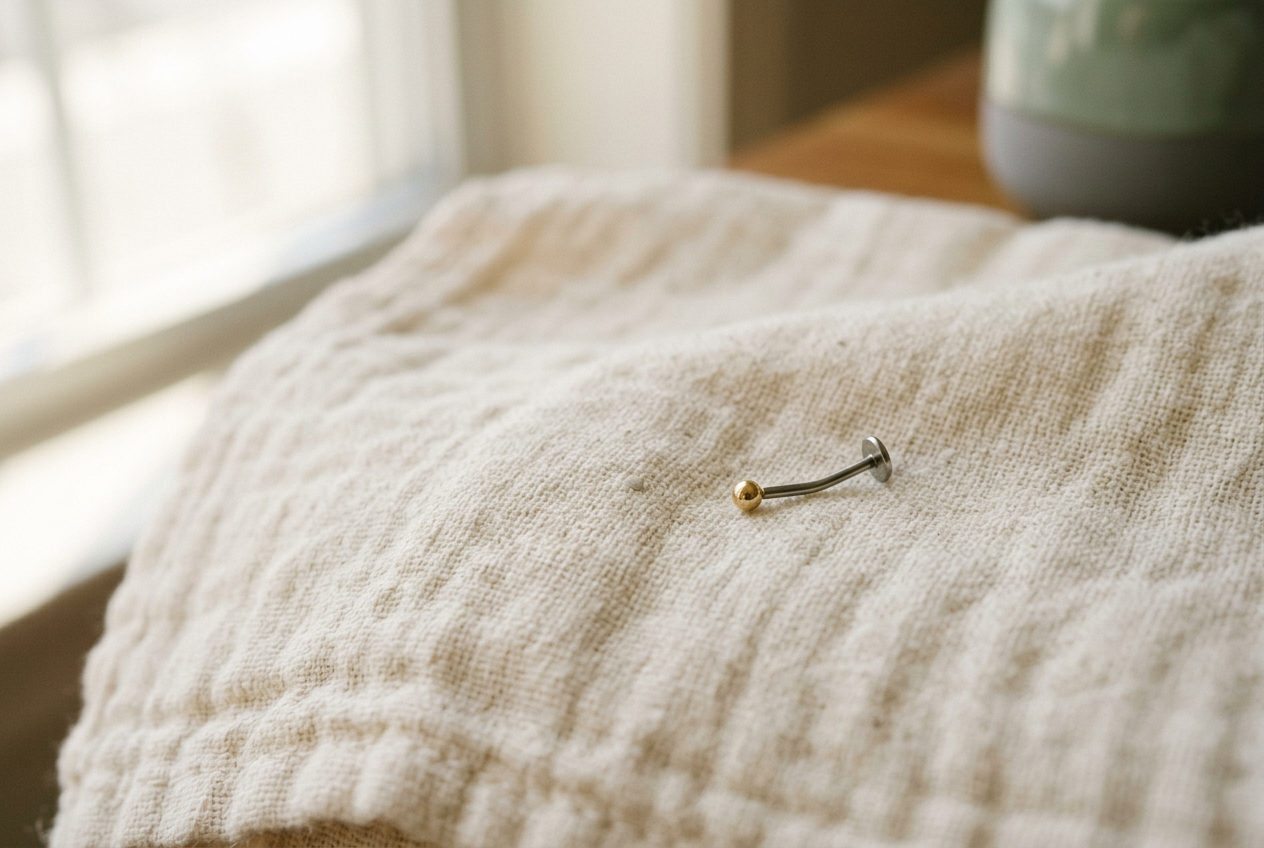
The best jewelry guidance was also among the smallest in scale. Your Threadless Earring End Needs a Bend, but Only a Slight One explained that the pin’s slight curve created grip inside a compatible threadless post. The useful part was the emphasis on testing and making small adjustments rather than sharply bending the pin. This was practical unisex guidance for flat-back earrings and curated setups, where parts could appear interchangeable without actually matching. We would buy threadless jewelry again, but only after confirming compatibility and accepting that more force was not the solution to a poor connection.
6. Sunglasses chosen by specifications, not darkness
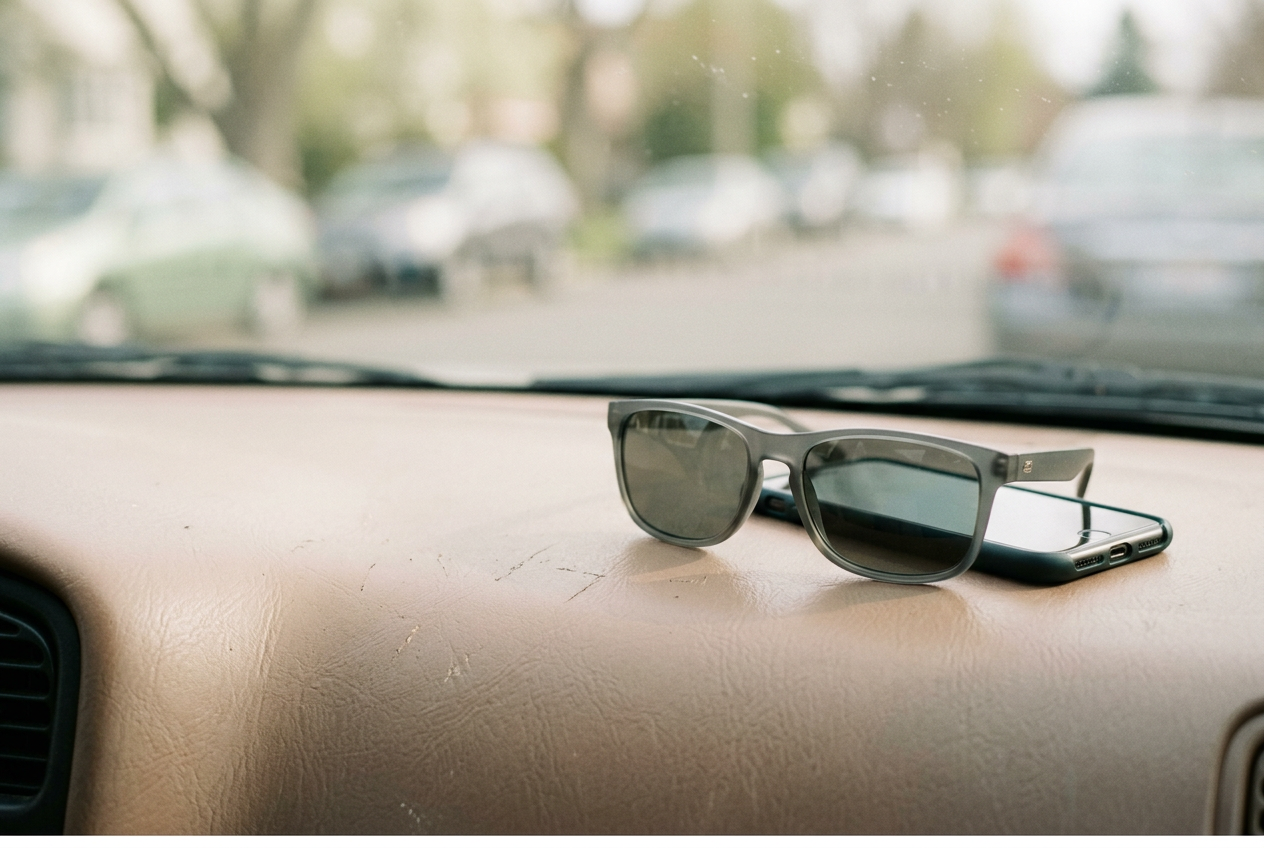
Dark Sunglasses Do Not Tell You How Much UV They Block earned its place by separating three details that were too easy to treat as one: tint category, UV labeling and polarization. A darker lens could change the viewing experience without answering every question about how the sunglasses were made to perform. This applied across women’s and men’s accessories. We would buy sunglasses again by reading the available specifications and considering where they would be worn, rather than treating an almost-black tint as proof of overall capability.
7. Jumpsuits tested for torso length before commitment
Women’s one-piece dressing delivered one of the clearest fit disappointments of the month. Check a Jumpsuit’s Torso Length Before You Pull the Zipper showed that matching bust and hip measurements did not solve a body-length mismatch. Pulling through the crotch or excess strain at the zipper pointed to insufficient torso length, not necessarily the wrong nominal size. We would buy a jumpsuit again only after sitting, reaching and checking the rise before fully fastening it. A good standing fit was not enough.
8. Cork sandals kept on dry ground
Cork Sandals Feel Supportive Until Sand Gets Underfoot provided the month’s firmest reason not to stretch a shoe beyond its best setting. Molded cork worked better on dry pavement than around water, sweat and loose sand. Suede could soften the footbed experience, but it did not turn cork into the easiest beach material. This was the sandal we would buy again for dry everyday wear, not for the shoreline. Near water, a washable synthetic construction made more practical sense.
What’s next
October’s standard will stay the same: test movement, inspect hidden construction and be specific about where an item will be worn. The best September purchases did not promise universal usefulness; they worked because their fit, materials and setting matched.
The articles behind it
Footwear
Your Sneakers Can Be the Right Length and Still Bend Wrong
A sneaker can leave enough room at the toes yet pinch at every step. Check whether the ball of your foot meets the shoe’s intended flex point before changing sizes.
Dez Ferraro · 7 min read
Style Notes
Sizing Up Makes a Shirt Bigger in All the Wrong Places
A larger standard size adds room, but it also shifts the collar, shoulder, cuff and hem. An oversized cut controls those details while building in volume.
June Park · 8 min read
Trend Watch
Soft Suede Bags Are Back. Check the Base Before You Buy.
The new suede shoulder bag looks easy after years of rigid minis. Its base, lining and handle attachment decide whether that slouch stays useful once the bag is full.
Iris Mbeki · 8 min read

Trend Watch
Bubble Hems Are Back, but Elastic Ones Collapse When You Sit
A week with three bubble-skirt constructions showed that the fullest option is not always the most wearable. Lining, hem tension and hip ease matter more than the first mirror check.
Iris Mbeki · 7 min read
Jewelry & Accessories
Your Threadless Earring End Needs a Bend, but Only a Slight One
A tiny curve in the end’s pin creates the grip inside a threadless post. Here is how to test it, adjust it in small increments, and spot incompatible parts.
Margot Lane · 8 min read
Jewelry & Accessories
Dark Sunglasses Do Not Tell You How Much UV They Block
A dark tint can still be the wrong lens for the road, your phone or open water. Read the category, UV and polarization labels as separate specifications.
Margot Lane · 8 min read