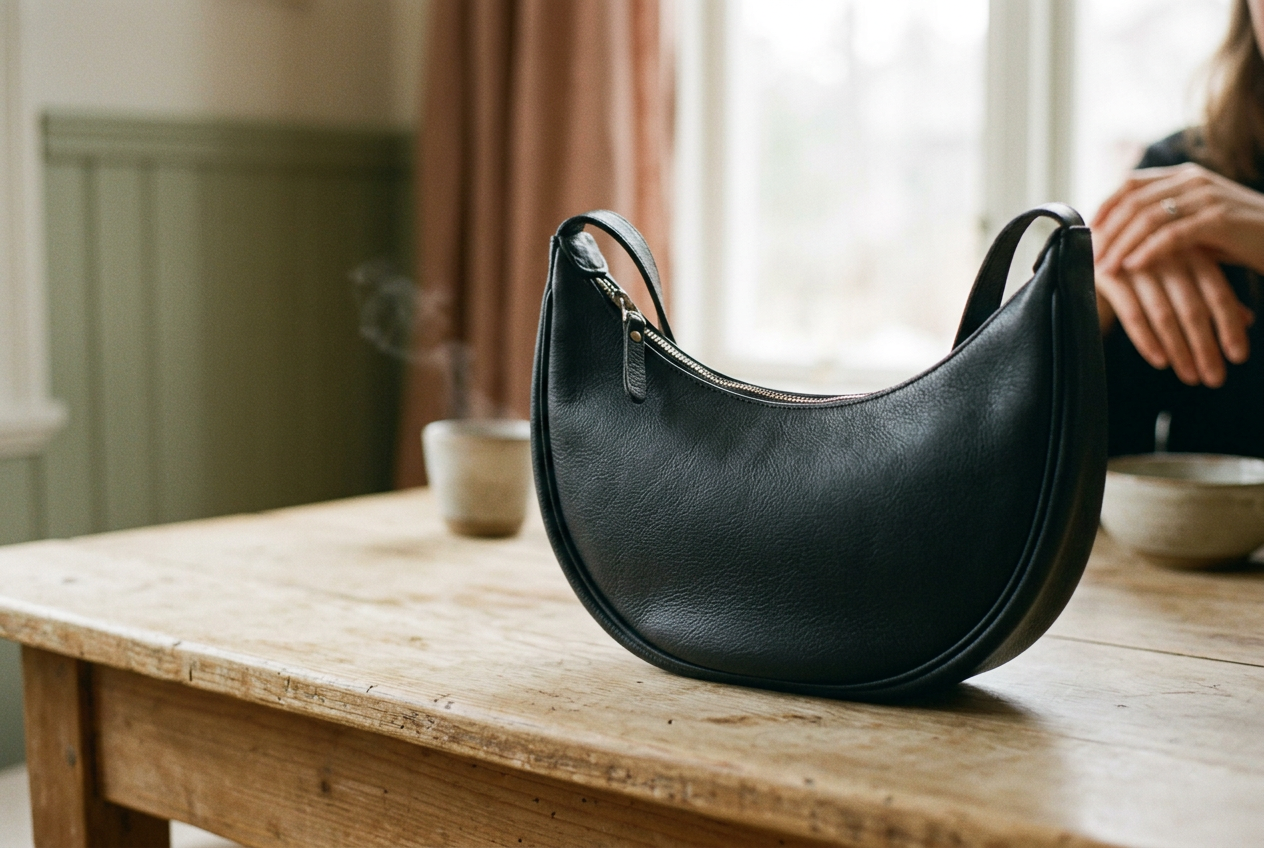
Powder Pink Is Rising, but Red Has the Better Resale Trail
Powder pink is gaining space in accessory listings, but saturated red shows more evidence of real wear. Condition and recurrence matter more than asking price.
Women's · November 18, 2026 · 8 min read
The useful object here is a Longchamp Le Pliage shoulder tote: nylon body, leather handles and flap, top zipper, enough structure to hold its shape only when filled. It has been made in many colors, stays in wardrobes for years and shows wear in readable places, which makes it more informative than a new-season evening bag that may reach resale almost untouched.
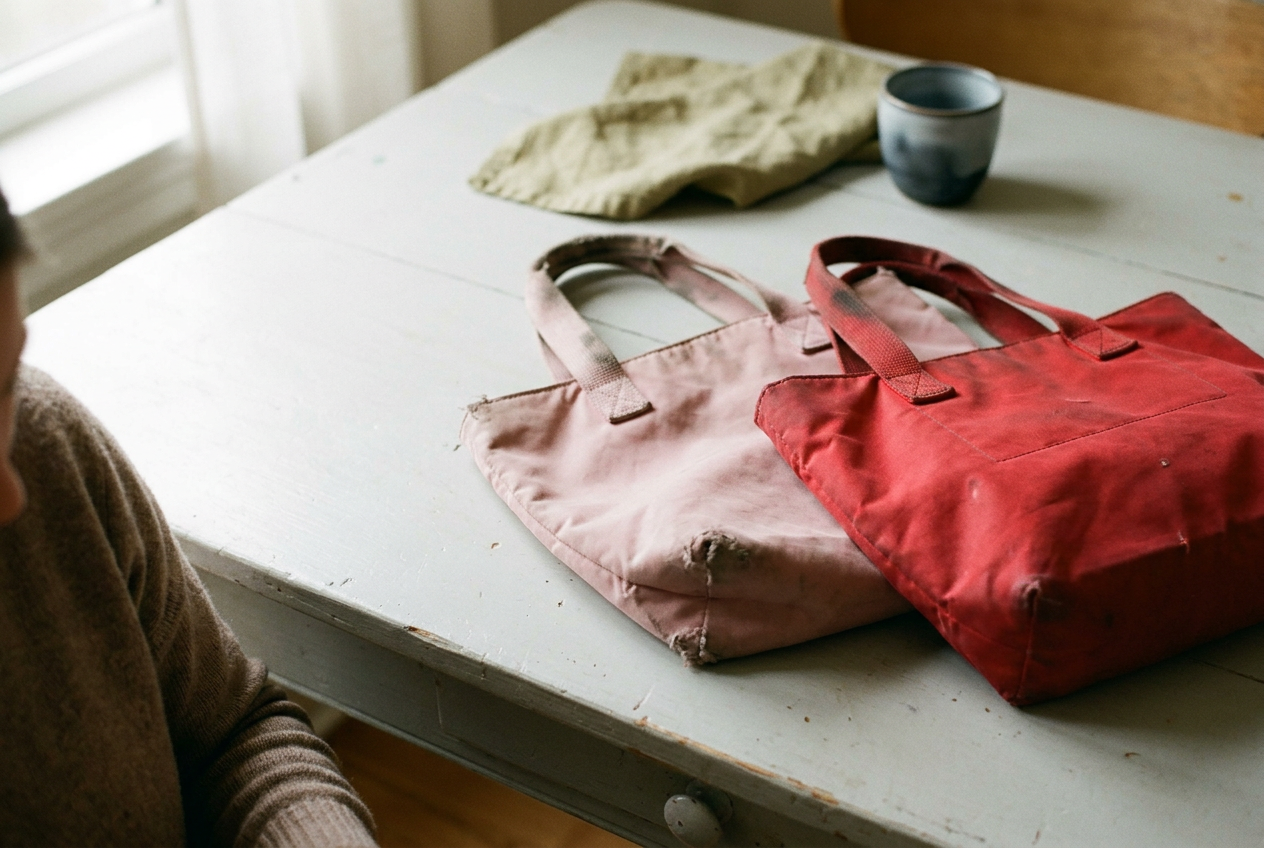
Look at public resale results for this tote in saturated red and powder pink. Red tends to recur across older and newer versions, from clean examples to bags with softened handles, darkened corners and light abrasion along the nylon folds. Powder pink appears as a rising color family, though listings are more likely to look recent, lightly carried or described with unstable labels such as blush, pale rose and ballet pink.
That difference matters. A large group of pristine pink bags may show that retailers and sellers acquired the color. A smaller but persistent group of red bags with ordinary wear shows that people carried them.
This is women’s coverage, reflecting how the bags, shoes and scarves examined here are categorized on major resale platforms. The method can apply beyond that department, but search labels and available sizes will change.
The tote makes the color shift legible
The Le Pliage is useful because its materials disclose use without requiring a seller’s story. Nylon develops corner abrasion and creases where the bag folds. The coated leather handles soften, darken and sometimes separate slightly at the edges after repeated carrying. Pale nylon also picks up denim transfer and grime more visibly than red, especially on the lower corners and the side that rests against clothing.
Return to the powder-pink tote. If most examples are clean enough to pass as gifts that missed their return window, the color may still be in its promotional phase. If pink begins to recur with handle darkening, rubbed corners and minor interior marks, it has moved closer to wardrobe adoption, meaning owners used it often enough for normal wear to become part of the resale supply.
Red already produces that mixed-condition trail. The point is not that every red listing is old or heavily used. It is that saturated red appears across enough types of wear to suggest several routes into resale: an older favorite being cleared out, a practical bag replaced after years, or a color that stayed wearable after its first fashion peak.
A pale bag has one disadvantage in this comparison. Visible dirt can prompt an owner to resell it earlier, so moderate wear does not prove long use. Check where the marks sit. General graying on the base may come quickly, while softened handles and abrasion at repeated contact points build through handling.
Material evidence is stronger when several kinds of wear agree.
Listing volume needs a second reading
Listing volume is the easiest signal to see and the easiest to misread. Search counts can include duplicates, sold items that remain indexed, irrelevant shades and professional sellers who list the same stock in several places. Platforms also sort by engagement and location, so two readers may not see the same order.
A practical audit takes less than an hour. Choose one recognizable model, open the first several pages of relevant results for each color and ignore promoted duplicates. Record the material, condition description and whether the same model returns in multiple shades or sizes. Repeat the search about two weeks later.
Repeat availability, meaning the continued appearance of comparable items rather than one large batch, is more persuasive than a single crowded page.
Do not treat the asking prices as market value. They show what sellers hope to receive, not what buyers paid, and the gap can widen when a color is being promoted heavily. Completed-sale information, where a platform makes it public, is a separate signal; without it, price belongs in the margin of this exercise.
The better comparison is internal. If powder pink appears mostly on current silhouettes, in near-new condition and through sellers with multiple identical units, promotion may be supplying the listings. If it also appears on older nylon totes, broken-in leather shoulder bags and ordinary work bags from several brands, adoption is spreading beyond a coordinated retail moment.
Saturated red currently has the stronger version of that breadth. It turns up as smooth leather, pebbled leather, nylon and coated canvas, while its condition ranges from barely used to visibly softened. Powder pink has momentum, yet much of its appeal still depends on material: clean leather can look deliberate, whereas thin synthetic material can show dirt and edge wear before the color has earned a permanent place.
Shoes reveal whether people accepted the inconvenience
Shoes are a harsher test because color cannot compensate for discomfort. A red pointed pump, slingback or loafer may reach resale with toe creasing, sole wear and a softened topline, all signs that somebody walked in it. Saturated red also tolerates scuffs better than pale pink when the upper is leather, though scratches can expose a lighter base coat.
Powder-pink shoes need sorting by material and shape. A satin ballet flat may photograph beautifully but stain at the toe, absorb moisture and offer little recovery once the surface snags. A blush leather sneaker can be more practical, though pale rubber edges and lining discoloration quickly reveal use. Patent leather resists some surface dirt, yet it can crease sharply and may develop color transfer when stored against darker shoes.
Size fragmentation complicates volume. Ten listings for one pink pump spread across narrow or uncommon sizes do not equal broad demand, and a cluster of unworn pairs may come from shoppers discovering the same fit problem. Check whether the model repeatedly returns with descriptions such as tight at the toe or slipping at the heel. Those details explain supply better than color does.
Red’s advantage is that it has survived several silhouettes. The color remains visible across pumps, loafers and sneakers, including pairs with replaced heel tips or protective sole work. Repair is a modest but useful commitment signal because owners rarely pay for it on shoes they never intended to wear.
Powder pink has not built the same repair trail. That does not condemn it. It leaves the evidence incomplete.
Scarves show recurrence without much wear
Scarves are less physically revealing. A silk twill scarf, meaning silk woven with a fine diagonal rib, can stay crisp for years even when worn occasionally, and sellers often preserve boxes that make an older piece look nearly new. Condition notes about pulled threads, makeup at the edge or softened folds are more useful than broad claims of excellent condition.
Color placement matters too. Saturated red often functions as a border or graphic accent, so a scarf can read red without requiring the wearer to commit to a full block of it. Powder pink is more likely to act as a ground color, where yellowing, makeup and storage marks become visible. That makes pale scarves easy to list and harder to assess from bright photographs.
Repeat availability is the stronger scarf signal. If comparable powder-pink silk squares keep surfacing from unrelated sellers and across different print eras, the color has moved beyond a single coordinated drop. If the results are dominated by identical new pieces, the listings say more about leftover inventory than wardrobes.
Red again has the longer trail, particularly in printed silk, wool blends and narrow neck scarves. Powder pink looks more convincing when it returns in different fibers rather than only in delicate silk. A pale cashmere scarf with light pilling and a clean edge suggests practical cold-weather use; a row of boxed silk squares may still be gifting supply.
The buying decision is narrower than the trend
For a secondhand purchase now, saturated red is the easier bet when the accessory has a simple shape and useful material. A red leather loafer, nylon tote or silk scarf can carry the color without relying on this season’s silhouette. Ordinary wear is easier to accept, and the resale trail offers more chances to compare condition.
Powder pink deserves a stricter filter. Favor washable nylon, grained leather that disguises small marks, or a scarf with pink inside a print rather than covering the whole field. Examine edge coating, corners and lining before paying extra for the color. On shoes, avoid pale satin unless occasional wear is the plan; cleaning options are limited, and one wet sidewalk can change the surface.
The Longchamp tote remains my test. A powder-pink version with honest corner wear, intact handles and a clean zipper can be a useful buy if it costs no more than comparable neutral examples. A pristine pink listing carrying a large color premium offers less evidence and more risk. The red tote, even slightly faded, has already shown that the shade can outlast the promotional cycle.
My read remains split. Powder pink is the directional color, especially for spring accessories and softened leather shapes. Saturated red still looks more adopted, because it returns across materials, years and conditions with signs that owners accepted the practical inconvenience of carrying a conspicuous color.
Questions people ask
Does a high number of powder-pink listings mean the color is popular?
It means supply is visible, but it does not establish demand. Check whether listings come from unrelated sellers, cover older and newer models, and remain available over repeated searches. Identical pristine pieces appearing together can reflect excess inventory or a promotional push.
Is visible wear a good sign when buying a resale accessory?
Wear is useful evidence of adoption, but it still reduces value and may shorten the item’s life. On a nylon tote, softened handles and light corner abrasion suggest use; splitting leather, a damaged zipper or deep staining create repair costs that color cannot justify.
Which color is easier to buy secondhand right now?
Saturated red is easier to assess because comparable bags, shoes and scarves recur in more materials and conditions. Powder pink can still be worthwhile in grained leather or washable nylon, provided the pale surface is photographed clearly and the seller’s asking price does not rely on trend status.
How often should
I repeat a resale search before deciding?
Run the same model-and-color search again after roughly two weeks, using identical filters. New listings from different sellers strengthen the adoption signal; the same batch of untouched pieces suggests stagnant supply. For shoes, keep the size filter fixed so availability remains comparable.
One update a day
Today's fashion update, in your inbox
One fashion update each morning — no hype, no filler, just pieces worth wearing.