Bright Retro Sneakers Last Longer When Color Stays Up Top
Saturated suede and nylon sneakers have moved beyond one viral shape. Their staying power depends less on brightness than on where the color sits, and whether laces can quiet it down.
November 17, 2026 · 7 min read
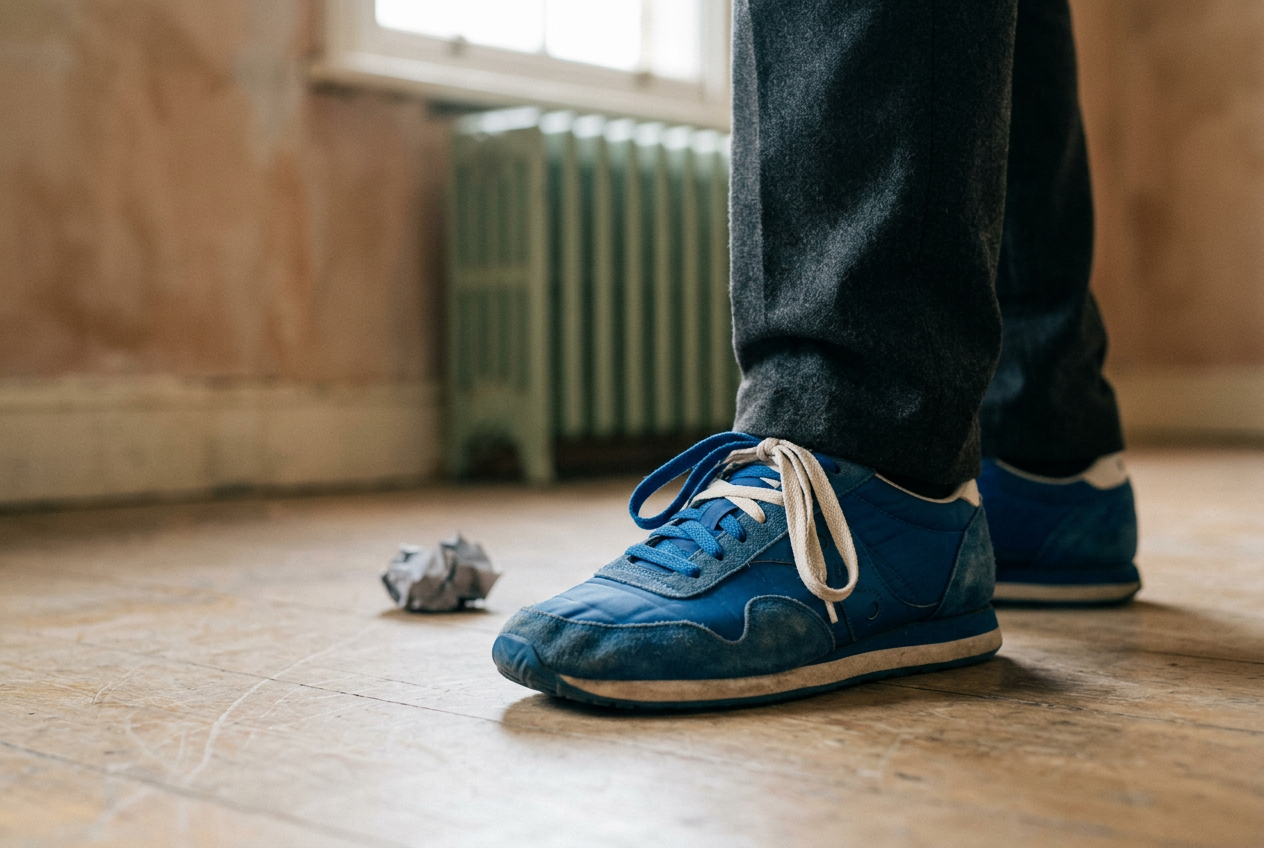
The useful test is a saturated-blue adidas SL 72 OG: nylon through the main body, suede overlays around the areas that take more abrasion, pale leather stripes and a rubber outsole. It is visibly retro without relying on an exaggerated sole or unusual toe shape, and that distinction matters. Color can be softened. A structural novelty cannot.
Versions of this formula now recur across public brand and retailer listings, from adidas SL models to Puma Easy Riders and New Balance 327s. The details move around, but the proposition stays recognizable: a low-profile running shape, a bright textile base and suede, meaning leather finished with a soft raised nap, placed over the toe and heel. Resale marketplaces carry the same visual language in recent pairs and older shoes.
That makes this unisex coverage in a practical sense. These sneakers appear in men’s and women’s retail sections, yet the relevant decisions are shared across wardrobes: check the brand’s size conversion, allow for the tapered forefoot common to narrow retro runners and judge the palette separately from the gender label.
Retail has moved from one bright accent to a full upper
The earlier safe version of color was a white or cream sneaker with one green stripe, a red heel tab or a gum outsole. Current retro runners give much more of the shoe to blue, orange, yellow or green, often using the difference between nylon and suede to create depth even when both materials sit in the same color family.
Return to the blue SL 72. Its brightness covers the largest visual area, but the stripes interrupt it and the sole remains familiar. From trouser height, the eye reads a blue shoe with a light side detail rather than a collection of competing color blocks, meaning large adjacent areas of contrasting color. That is why the pair can work with charcoal trousers one day and faded jeans the next without requiring either outfit to repeat the blue.
Nylon changes the calculation. It keeps the shoe light and gives saturated dye a flatter, sportier surface, while suede absorbs light and tends to make an equally bright shade look softer. After regular wear, the two materials also age differently: nylon can show creasing and surface dirt, while suede loses an even nap where it rubs against bike pedals, chair legs or the other shoe. A small suede brush can lift dry dust, but aggressive wet cleaning may leave the nap patchy.
This material contrast gives the trend more durability than an all-synthetic neon sneaker would have. The colors may be assertive, yet the construction belongs to a long-running casual category rather than a novelty object. The tradeoff is weather. Pale suede can mark in rain, dark saturated suede may show dried salt or dust, and nylon panels offer little insulation once temperatures drop.
Resale shows circulation, not guaranteed demand
Bright retro sneakers are easy to find on resale platforms, but a page of listings does not prove that buyers are paying the displayed prices. Asking prices measure seller optimism. Completed sales, where a platform makes them visible, are the more useful comparison.
A sensible resale check starts with the exact style code printed on the box label or tongue tag. Color descriptions are inconsistent, photographs shift blue toward teal and sellers sometimes group related SL 72 versions under one broad name. Compare unworn pairs with unworn pairs, then check used examples for darkened suede at the toe, compressed heel lining and outsole wear. Those details affect value more than a claim that a color is rare.
The blue SL 72 is helpful again because it separates two kinds of appeal. The model has a recognizable archive shape, so a buyer may want the shoe after the particular blue has slipped from current styling. A pair whose identity depends on a season-specific collision of neon laces, contrasting eyelets, patterned lining and a colored midsole has fewer ways to become quieter later.
Resale also exposes the weakness of very pale suede. Marketplace photographs often make wear easier to inspect than polished retail images do, and light toe overlays can look tired before the outsole is close to finished. Deep blue, rust and forest green conceal ordinary dust more effectively, although any saturated suede can show permanent light patches if it is scrubbed too hard.
None of this makes resale a reliable forecast. Supply may reflect returns, discounted stock or sellers clearing pairs that proved difficult to style. A bright sneaker repeatedly offered below its original retail level may be a buying opportunity for someone who already likes it, but it is not evidence that the broader color direction has failed.
A lace swap can extend the pair, within limits
Laces are the cheapest adjustable part of the shoe and the quickest way to remove a styling instruction. Bright laces tell the wearer to build around the sneaker. Off-white, light gray or a shade close to the upper lets the shoe sit under an outfit instead.
For the blue SL 72, an off-white flat lace connects visually to the side stripes and reduces the amount of uninterrupted blue. A tonal navy lace has a different effect: it lowers the contrast near the tongue, which makes the shape look longer and slightly less sporty. Neither change disguises the shoe, but both widen the range of neutral clothing that can surround it.
Measure the original lace from end to end rather than buying by model name, since eyelet counts and factory lengths can vary by size or release. Match the original width as well. A thick cotton lace can crowd small retro eyelets and create a bulky knot, while a very thin round lace may make an otherwise substantial suede overlay look unfinished. The swap takes minutes and costs little beside a new pair of sneakers.
There is a limit. Replacement laces cannot neutralize a bright midsole, a split-color outsole or several contrasting overlays. If every permanent component carries a different saturated shade, the sneaker remains tied to that exact palette, no matter what runs through the eyelets.
Neutral clothing helps in the same bounded way. Washed black jeans, gray wool trousers, indigo denim and cream cotton all give the blue pair space without copying its color. Repeating the sneaker shade in a jacket, cap or bag can make the outfit feel more fixed to a moment, especially when the match is close enough to look deliberate but not close enough to look clean.
The placement matters more than the shade
The color arrangements least likely to feel locked to one season put one saturated shade across most of the upper, keep branding light or tonal and leave the midsole or outsole in a conventional neutral. Gum, off-white, gray and black soles already belong to familiar sneaker language, so they can steady a bright upper without turning the shoe bland.
Small contrast at the heel tab or tongue is also relatively easy to live with because trousers partly obscure it. A colored toe overlay is more exposed, but it remains adaptable when the nylon beneath it is tonal. The blue SL 72 follows most of these rules: color is concentrated above the sole, the material shift creates interest and the lace area can be edited.
The less durable placements are harder to remove from a specific styling period. Contrast around every eyelet makes lace swaps less effective. A highly colored midsole keeps announcing itself after the upper has faded, while four separate shades across toe, side, heel and tongue leave little room for the wearer’s clothes to set the mood.
Price should follow that distinction. A broadly released bright retro runner in the standard lifestyle-sneaker band makes sense as a working shoe if it fits well and coordinates with clothes already owned. Paying a steep premium for a collaboration whose value rests on an intricate seasonal palette is harder to justify on versatility alone. Collectibility is a separate decision.
I am less certain that bright retro sneakers will replace neutral pairs. Retail breadth suggests a durable color shift, but resale cannot yet distinguish lasting demand from abundant supply. The safer conclusion is narrower: saturated blue, red or green can age well when the architecture underneath remains quiet.
Questions people ask
Are bright retro sneakers already going out of style?
The direction is broader than one model, with suede-and-nylon combinations appearing across established archive runners and multiple brands. That gives bright color more support than a single viral release would have. Individual palettes can still date quickly, especially when the sole, eyelets and overlays all contrast.
Which bright sneaker color is easiest to wear?
Deep blue, forest green and rust tend to sit comfortably beside denim, gray, cream and black without needing a matching garment. Placement matters more than the winner among those shades. A mostly tonal upper with neutral branding and sole units will usually outlast a multicolor arrangement.
Do replacement laces make a bright sneaker more versatile?
They can quiet the area around the tongue and connect the shoe to neutral side branding, particularly when the original laces are neon or strongly contrasting. Measure the existing lace and preserve its width. Laces will not fix a palette built into the midsole, outsole and permanent overlays.
What should
I check when buying a bright pair secondhand?
Use the style code to confirm the exact version, then inspect the toe suede for smooth or pale patches, the heel lining for compression and the outsole for uneven wear. Compare completed sales where available rather than relying on asking prices. On the blue SL 72, damaged suede matters more than missing original laces, which are easy to replace.
One update a day
Today's fashion update, in your inbox
One fashion update each morning — no hype, no filler, just pieces worth wearing.