Brown Sneakers Hide Scuffs Better. Rain Is the Tradeoff.
Brown sneakers look easier with denim, tailoring, and earth tones than stark white pairs. Suede has the richest finish, but mesh and smooth leather ask less of wet-weather wardrobes.
November 13, 2026 · 7 min read
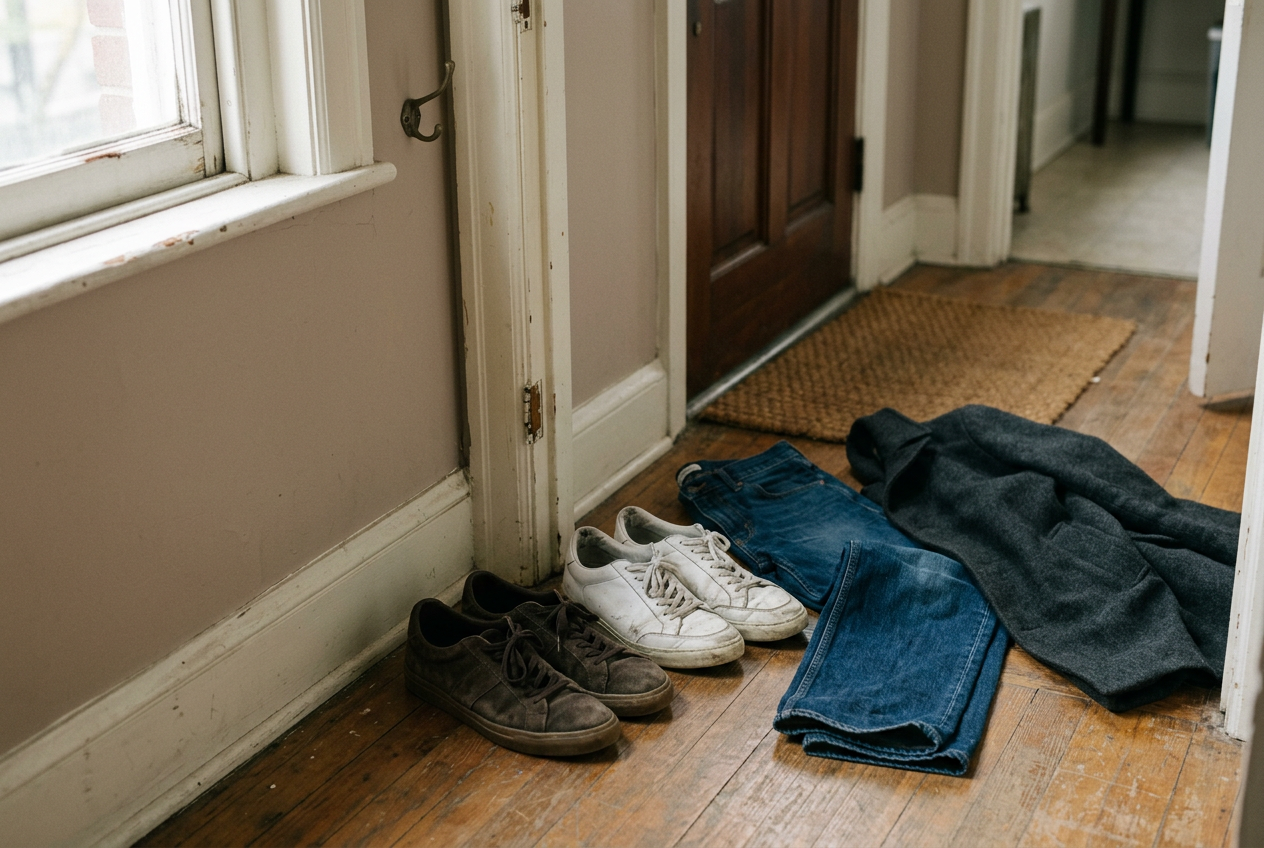
The useful case is a dark-brown Adidas Handball Spezial: suede upper, leather details, low profile, gum-rubber sole. Worn with faded straight jeans, a blue Oxford shirt, and a charcoal coat, it does what a bright-white leather sneaker sometimes cannot. The shoe settles into the outfit instead of creating a hard stop at the ankle.
That quietness explains much of brown’s current appeal. Fashion coverage and retail assortments have moved toward slim retro sneakers, while chocolate, tobacco, taupe, and other softened neutrals have spread across clothing and accessories. Brown makes a familiar sneaker shape feel changed without demanding an unfamiliar silhouette.
White sneakers have not become unusable or unfashionable. They still sharpen navy trousers, summer dresses, black denim, and gray sweats. The shift is subtler: bright white no longer looks like the automatic neutral for every outfit, especially when the clothes above it are washed, textured, or warm in color.
This is unisex coverage. The material tradeoffs apply across wardrobes, though buyers should still use the brand’s size chart rather than assuming that a men’s and women’s conversion will preserve the same width.
Why brown feels different under clothes
A white sneaker creates contrast. Brown connects.
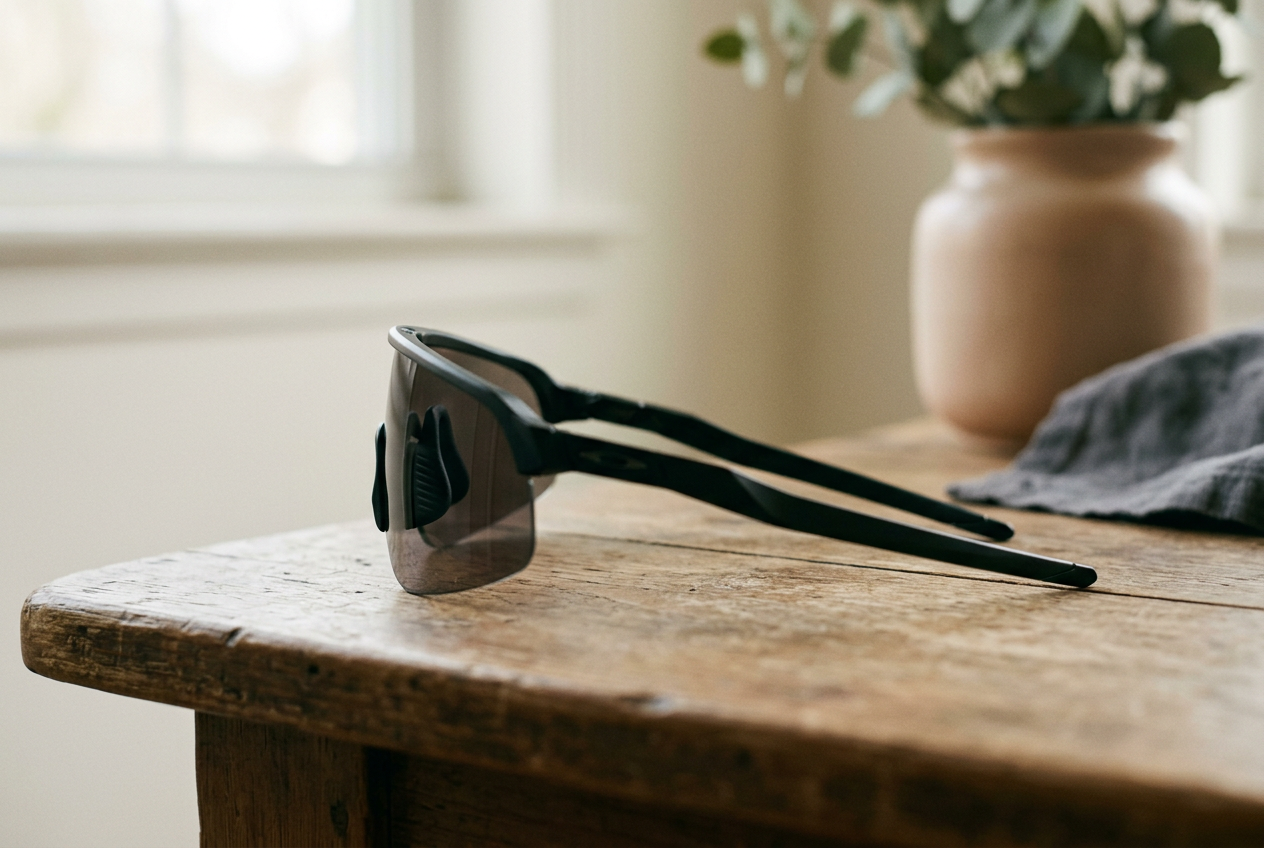
With blue denim, brown repeats the logic of a leather belt or loafer without becoming formal. Under charcoal, olive, cream, burgundy, and navy, it keeps the palette close enough that the eye notices the whole outfit before the shoe. Even black can work, particularly when another warm element, such as a brown bag or tortoiseshell sunglasses, prevents the sneakers from looking accidental.
The Handball Spezial makes this clear because its thin sole and shallow upper already sit close to the foot. In dark brown, that compact profile recedes further; in white, the same amount of shoe would read brighter and slightly more athletic. The distinction matters with wide trousers or a longer skirt, where a bulky pale sneaker can pull visual weight toward the floor.
Brown is less universally crisp, however. It can look dull beside cool pastels, optic-white clothing, or technical sportswear built around silver and icy gray. A person whose closet depends on those colors may find that the supposedly versatile new neutral requires more negotiation than the white pair already by the door.
Suede has the strongest fashion case
Suede gives brown dimension because its nap, meaning the short raised fibers on the surface, shifts between lighter and darker patches as the shoe moves. That variation makes chocolate or tobacco feel richer than the same dye on flat synthetic material. It also helps a retro sneaker avoid the polished, office-casual look that brown smooth leather can acquire.
The dark-brown Handball Spezial is persuasive for this reason. Its suede T-toe, an overlay shaped roughly like a T across the front, breaks up the surface and suits corduroy, brushed wool, denim, and cotton twill. The gum sole keeps the transition gentle. Add cream socks rather than bright white ones, and the shoe remains connected to the outfit instead of being outlined by the sock.
Dust is less obvious on mid-brown suede than on white leather, but water is the weakness. Rain can darken the nap unevenly, road salt may leave pale marks, and rubbing a wet stain can flatten the surface. A suede brush restores the fibers after dry dirt has been lifted; a suede-specific protector can reduce absorption, though it does not make the shoe waterproof and should first be tested on a hidden area because some formulas deepen the color.
That care burden is easy to underestimate. The owner needs dry brushing, spot treatment, and enough patience to let a damp pair air-dry away from direct heat. Stuffing the shoes with plain paper helps hold their shape and draws out moisture, but printed paper can transfer ink. For a wet commute, the elegant answer may still be another shoe.
Mesh is cooler, though rarely as adaptable
Brown mesh sneakers tend to come from running and walking traditions rather than indoor-court designs. Their open weave releases heat, flexes easily, and often arrives with a thicker foam midsole, which can make them a better choice for long days than a flat retro shoe. The appearance is more technical, especially when the upper includes synthetic overlays or reflective details.
Mesh hides gray dust fairly well when it is taupe, mushroom, or mottled brown. Mud is another matter. Fine dirt enters the weave, and aggressive scrubbing can roughen the fibers or spread a stain beyond its original edge. A soft brush, diluted mild detergent, and air-drying are safer than a hot wash or dryer; the brand’s care instructions should take priority because adhesives and foam can react badly to heat.
Outfit range depends on the sole. A brown mesh runner with a cream or gum outsole can work with relaxed trousers, cargo pants, long skirts, and loose suiting. A high-contrast performance sole reads more like sportswear. It may be the most comfortable brown option and still fail to replace a simple white leather sneaker for dinner or a casual office.
Smooth leather is the practical compromise
Smooth brown leather gives up suede’s shifting color but handles ordinary weather more calmly. Water can be wiped away before it settles, dried soil stays near the surface, and conditioning helps prevent the upper from becoming stiff. Full-grain leather, meaning hide whose outer surface has not been sanded away, can develop creases and color variation rather than merely peeling, although construction and finish matter as much as the label.
Coated leather and synthetic leather often look cleaner at first and may cost less, but deep flex points can expose their limits. Once a surface coating cracks, conditioner cannot rebuild it. Natural leather also needs restraint: too much cream can darken brown, collect dirt around seams, or leave a waxy film.
Styling is the greater complication. A minimal brown leather sneaker with matching laces can drift toward business-casual footwear, particularly with narrow chinos. A gum sole, visible paneling, or an off-white midsole usually keeps it relaxed. For someone who walks through light rain and wants one brown pair to cover jeans, casual tailoring, and weekend clothes, this is the safest material choice.
It is still worth checking the inside. Leather uppers do not guarantee a leather lining, supportive insole, or stitched sole. Many lifestyle sneakers use cemented construction, meaning the upper and sole are bonded with adhesive, so the price may reflect branding and finish rather than future repairability.
The dirt advantage is real but limited
Brown disguises dry dust, small scuffs, and dark sole marks better than stark white. It does not stay clean by virtue of being dark. Pale salt, sunscreen, lint, and dried mud can stand out sharply, while brown laces often reveal dust before the upper does.
White leather has one practical advantage: its condition is obvious. A quick wipe produces a visible improvement, and matching white cream is easy to understand. Brown requires closer color judgment. A cleaner or polish that suits chestnut may leave a dark patch on taupe, while suede needs different tools from smooth leather even when both shoes appear nearly identical online.
The Handball Spezial case therefore turns on routine rather than abstract versatility. It is easy to wear with the stated jeans, Oxford shirt, and charcoal coat, but it asks for a dry forecast or a backup pair. A smooth-leather brown sneaker would sacrifice some texture and tolerate that commute better.
Do not replace white just to update the color
If a white pair remains comfortable, structurally sound, and compatible with most of the closet, brown does not justify an immediate replacement. Clean the white upper, wash or replace tired laces, and inspect the heel lining and outsole. Cosmetic wear is not the same as a finished shoe.
A brown purchase makes more sense when it changes actual outfit use. Someone who regularly wears olive pants, indigo denim, camel outerwear, cream knits, or charcoal tailoring may gain enough combinations to support a second pair. Someone living in cool gray activewear may not.
Material should set the spending level. Budget mesh or coated synthetic versions can test the color direction, but they are a weak bargain if the sole is uncomfortable or the upper cannot be repaired. Mid-market suede often delivers the clearest visual payoff. Higher-priced smooth leather deserves consideration only when the lining, sole, finishing, and comfort improve with the price; brown dye alone is not an investment feature.
The undecided position is the sensible one. Brown has enough range to outlast a brief color spike, especially in a familiar low-profile shape, yet replacing a functioning white sneaker converts a useful wardrobe shift into unnecessary duplication. Wait until the white pair loses comfort or structure unless brown solves a recurring outfit problem now.
Questions people ask
Do brown sneakers go with black pants?
Yes, particularly dark chocolate or espresso pairs with a low-profile sole. Repeat some warmth elsewhere through a belt, bag, knit, or tortoiseshell accessory, and avoid pairing faded brown suede with glossy black evening fabrics, where the difference in finish can look unresolved.
Are brown suede sneakers difficult to clean?
They require different care rather than constant care. Let mud dry, lift it with a suede brush, and use a suede-specific cleaner only where needed. Water, salt, and oily stains are harder to reverse, so suede is a poor only-pair choice for frequent rain.
Which brown sneaker material is best for everyday wear?
Smooth leather offers the broadest balance of outfit range and weather tolerance. Suede looks richer with denim and textured tailoring, while mesh suits heat and longer walking days. Comfort still depends on the sole, insole, width, and heel hold rather than the upper material alone.
Should
I replace my white sneakers with brown ones?
Not while the white pair remains comfortable and sound, unless brown would unlock clothes that repeatedly go unworn. Add brown when warm neutrals dominate your closet or when replacement time arrives; otherwise, fresh laces and a cleaned white upper cost less and avoid duplicate use.
One update a day
Today's fashion update, in your inbox
One fashion update each morning — no hype, no filler, just pieces worth wearing.