Dark Brown Can Replace Black, but the Hardware Decides
Espresso and chocolate accessories are being sold as everyday neutrals. A dark shade can cover black’s old ground, but only after undertone, hardware and contrast pass inspection.
October 17, 2026 · 8 min read
Retail assortments increasingly place espresso bags and chocolate belts beside black staples rather than treating brown as a seasonal detour. The shift is useful, particularly after years of hard black crossbody bags and belts punctuating every outfit, but the labels conceal considerable variation. Some espresso is nearly black. Some chocolate carries enough red to behave like cognac once it reaches daylight.
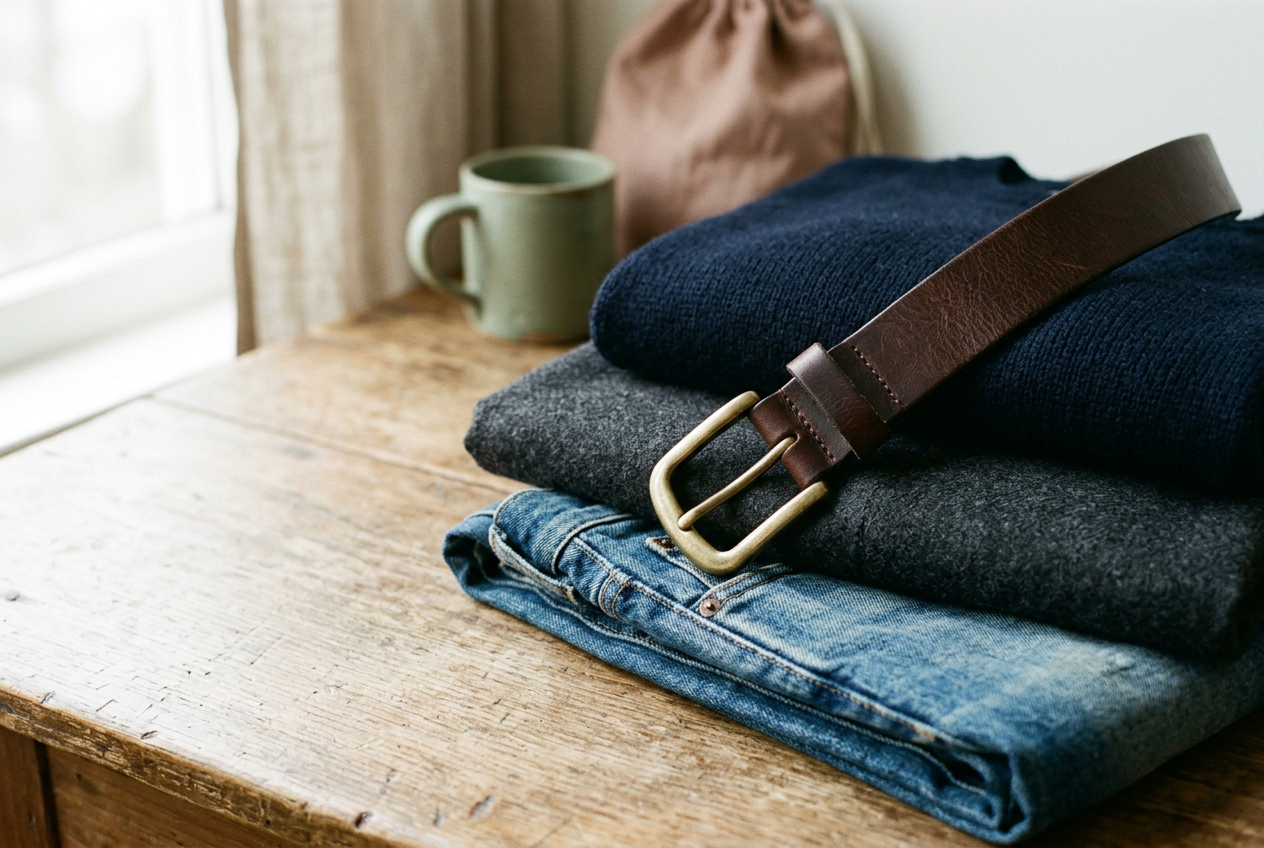
For this evaluation, I kept returning to one ordinary object: a 30-millimeter smooth cowhide belt in deep espresso, finished with black edge paint and a brushed brass single-prong buckle. I wore it over one working week with navy wool trousers, charcoal pants and faded straight-leg jeans, switching to a comparable black belt to see whether the brown version filled the same role or changed the outfit.
The test is unisex. The dimensions of a belt, the scale of bag hardware and the particular clothes in a wardrobe matter more here than the department named on the product page.
The espresso belt that almost disappears
The reference belt worked best when it stopped announcing itself as brown. Indoors, the leather looked a degree softer than black; outside, its color became legible without turning rusty. Its black edge paint, meaning the sealed coating along the cut sides of the leather, created a fine dark outline that helped it sit beside black shoes without looking stranded.
With navy wool trousers and a pale blue shirt, the result was quieter than black. A black belt drew a clear horizontal boundary through the outfit, while espresso stayed close enough in value, the lightness or darkness of a color, to hold the trousers visually without cutting the body in two. The brushed buckle mattered. Bright yellow hardware would have made the belt read as a decorative brown accessory rather than a substitute neutral.
Charcoal exposed the limit. Under cool office lighting, the brass picked up a dull yellow cast and the leather revealed a faint red undertone, the underlying color bias visible beneath the dominant brown. Against a blue-gray knit and charcoal pants, those warm notes looked detached. The black belt was better, as was an espresso belt with silver-tone hardware tested alongside it.
That was the week’s clear failure, and it was useful because nothing about the belt itself had changed. The leather had not stretched or marked beyond a shallow bend near the used hole. Color relationships had done the work. Dark brown does not inherit black’s neutrality merely by being dark.
Undertone decides whether brown behaves like black
Retail color names are poor evidence. Espresso can lean plum, gray, red or yellow, while chocolate may describe anything from bitter cocoa to milk chocolate. Product photography also tends to lift shadows, which can make a near-black belt look warmer online than it does in a room.
A quick daylight test is more reliable. Place the accessory beside a black shoe or bag, then compare it with the darkest navy and charcoal garments you wear often. A cool espresso will look brown beside black but remain settled against blue-based gray. A warm version will produce a reddish or orange rim, especially where the leather curves and catches light.
For a replacement neutral, that rim should be subtle. It can be attractive, but it means the accessory is adding color rather than doing black’s old job. Readers whose wardrobes center on cool charcoal, optic white and blue-black denim should look for brown with gray or muted plum underneath. Those who wear cream, olive or ecru have more room for warmer chocolate.
The reference belt landed between those positions. Its body was dark enough for navy, but its brass buckle amplified the small amount of red in the leather when charcoal sat directly beneath it. Had the buckle been dark nickel, the belt would have covered more of the black belt’s territory.
Hardware can turn a neutral into an accent
Hardware is easy to dismiss on a product page and hard to ignore in use. A buckle occupies little space, yet it sits at the center of an outfit; bag clasps and chain attachments can cover much more area, reflecting light even when the leather remains subdued.
Brushed brass was forgiving on the espresso belt because its surface was muted rather than mirror-bright. With navy, it supplied a low, warm glint. Next to faded denim, it connected naturally with the fabric’s worn, slightly dusty cast. Against charcoal, it pulled the belt away from the rest of the outfit.
Silver-tone or gunmetal hardware gives dark brown its broadest reach. It repeats the coolness of charcoal, works with navy and is less likely to conflict with black outerwear. Blackened hardware is even quieter, although coatings on frequently handled buckles and clasps can wear through at corners; inspect display pieces for pale base metal showing along the edges.
Matching every buckle to every ring is unnecessary. Scale and brightness are more important. A small brushed brass buckle can coexist with a silver watch, while a large polished gold turn-lock on a chocolate shoulder bag becomes a central color decision. If the aim is one bag that replaces black, conspicuous warm hardware narrows the assignment.
Navy, charcoal and faded denim give different answers
Navy is the easiest partner when the brown is deep. Both colors carry visual weight, yet espresso is distinct enough to prevent the near-match problem that occurs when black is paired with some blue-blacks. Smooth leather helps because reflected light traces the bag or belt’s shape; very matte brown can merge into dark navy and look muddy from a distance.
Charcoal demands the coolest brown and the quietest hardware. It also reveals a construction detail worth checking: exposed tan edges or pale stitching. Those choices may be handsome on a casual belt, but they interrupt a charcoal outfit more than they do navy. Black edge paint gave the reference belt an advantage here, even though the brass buckle kept it from fully replacing black.
Faded denim reverses the test. The lighter, washed surface provides enough contrast for warmer chocolate, visible grain and brass to look deliberate rather than mismatched. The espresso belt worked, though it was almost too reserved with mid-blue jeans and a gray sweatshirt. A slightly warmer chocolate belt brought more definition without the severity of black.
This is where brown has a genuine advantage rather than mere substitutability. Black can look abrupt against jeans faded through the thigh and seam, especially when the shoes are off-white, taupe or dark brown. Chocolate bridges those colors. The same warmth that caused trouble with charcoal becomes useful.
Material changes how dark the color reads
Smooth cowhide is a practical baseline because its surface reflects enough light to reveal depth while remaining relatively consistent across an accessory. Polished calfskin will look darker in shade and brighter under direct light, making espresso more adaptable but also more formal. Pebbled leather breaks up reflection, which can soften the color and make a large brown bag appear less severe.
Suede is a different proposition. Its nap, the raised fibers on the surface, shifts as it is brushed and exposes lighter or darker areas. Even very dark brown suede rarely performs like black smooth leather in a tailored charcoal outfit. It reads as texture first and neutral second, collects pale lint visibly and needs protection from wet weather.
On the reference belt, a week of use produced a bend at the preferred hole but no obvious color loss. That result should not be generalized into a durability claim; leather finish and edge construction vary widely. It did show why shoppers should flex a belt gently before buying. If pale leather appears beneath the surface coating immediately, repeated bending may make the contrast more visible.
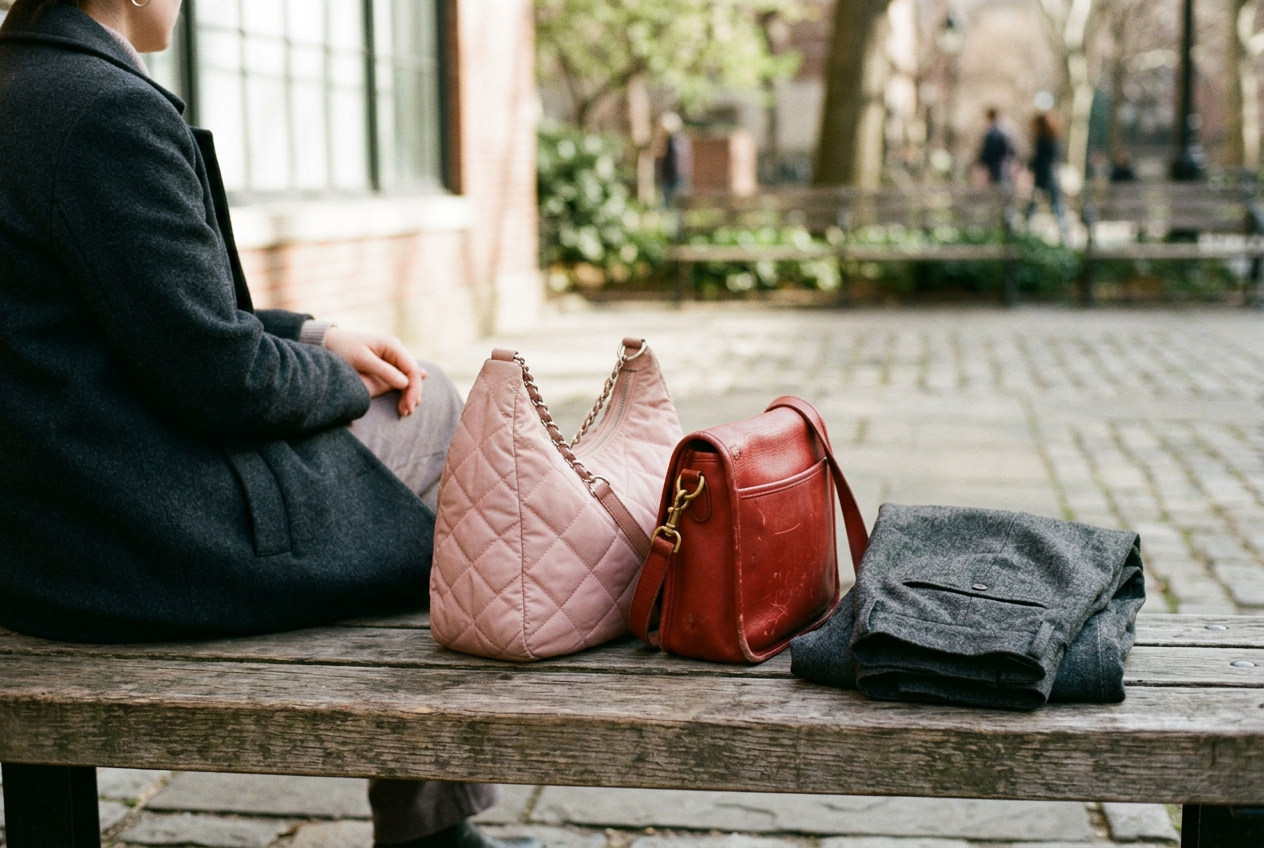
Bags raise the stakes because there is more color. A warm chocolate tote can dominate a charcoal coat in a way a narrow belt cannot, while an espresso shoulder bag with minimal hardware may function almost exactly like black. Check the bag at arm’s length rather than judging a leather swatch close up.
The buying decision is narrower than the trend
A dark brown accessory is worth considering as a first-choice neutral when navy, washed denim and softer off-whites make up most of the wardrobe. Espresso also earns its place when black accessories feel too graphic, but the buyer still needs enough depth for evening clothes and winter outerwear.
For a wardrobe built around black tailoring, cool charcoal and bright white, replacing a sound black belt or bag is not worth the money yet. Keep black. Add brown only when it offers a separate function, perhaps a chocolate belt for denim or a textured espresso bag that softens navy.
At the store, carry or wear one difficult garment if possible. Charcoal is the most revealing. Compare the accessory in daylight, inspect the hardware from several feet away and look at the edges, since contrast stitching or tan edge paint can undo an otherwise convincing near-black brown. Online, enlarge photographs showing the item beside black clothing rather than relying on the color name.
The reference belt ultimately covered about half of my black belt’s job. It was better with navy, gentler with faded denim and less coherent with cool charcoal. That is not a failed purchase, but it is not a universal neutral either. Espresso is rising because it offers softness without becoming pale; black remains the cleaner tool when contrast and formality are the point.
Questions people ask
Can a dark brown belt be worn with black shoes?
Yes, particularly when the belt is deep espresso and has black edge paint, dark stitching or restrained hardware. The colors should look intentionally close rather than accidentally mismatched. A medium chocolate belt with obvious red undertones creates a wider gap, so it usually works better with brown, burgundy or off-white footwear.
Does espresso brown work with navy?
Usually. Navy was the easiest pairing in this evaluation because dark espresso held similar visual weight while avoiding the sharp line made by black. Smooth leather or a slight sheen helps separate the colors. If both materials are very matte and nearly equal in darkness, the combination can look muddy rather than layered.
Does bag hardware need to match jewelry?
No. Pay more attention to brightness and scale than exact metal color. A small brushed brass clasp can sit comfortably beside a silver watch, but a large polished gold chain becomes an outfit feature and makes a brown bag feel warmer. For maximum flexibility, choose gunmetal, silver-tone or low-shine hardware.
Is dark brown as formal as black?
Sometimes, though material and construction set the limit. Near-black espresso in smooth, polished leather can work with navy tailoring and many evening outfits. Warm chocolate, suede, pale stitching and chunky brass hardware read more casual. For strict formalwear or a wardrobe centered on cool charcoal, black remains the more dependable choice.
One update a day
Today's fashion update, in your inbox
One fashion update each morning — no hype, no filler, just pieces worth wearing.